
Essential Ride-Share Safety Strategies for Families
Discover proven tactics to protect yourself and loved ones during Uber and Lyft rides, inspired by real-life safeguards.
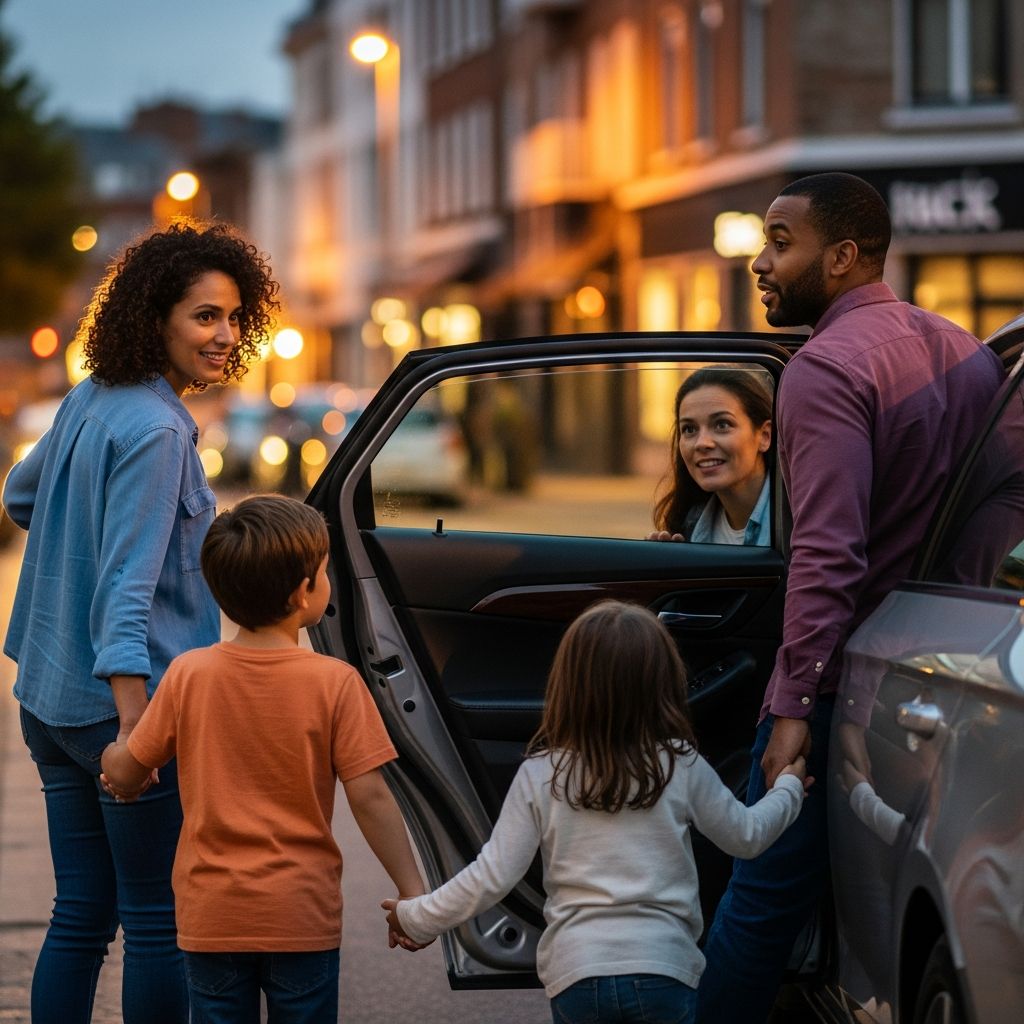
Ride-sharing platforms like Uber and Lyft offer unparalleled convenience for daily commutes, nightlife outings, and family errands. However, ensuring personal security remains paramount, particularly when traveling with children or vulnerable passengers. This guide outlines practical, actionable steps drawn from safety experts and real-world incidents to help you navigate these services confidently. By adopting these habits, passengers can significantly reduce risks associated with impersonation, accidents, and uncomfortable situations.
Understanding Ride-Share Risks and Statistics
While ride-hailing has curtailed drunk driving incidents, it introduces unique vulnerabilities such as driver verification errors and isolated pickups. Reports from major platforms indicate millions of rides annually, yet isolated tragedies underscore the need for vigilance. For instance, vehicle crashes represent the primary hazard, making seatbelt use non-negotiable. Families must prioritize child-specific precautions, as younger passengers face amplified dangers from locked doors or unrecognized drivers.
Safety data from Uber’s US Safety Report and Lyft’s 2024 Safety Transparency Report reveal proactive measures like background checks, but passenger awareness fills critical gaps. High-credibility analyses emphasize that simple protocols—like confirming identities—prevent most impersonation attempts.
Step 1: Optimal Pickup Locations and Timing
Select well-lit, populated areas for pickups to deter opportunistic threats. Indoor waiting spots, such as lobbies or cafes, provide natural surveillance. Avoid dimly lit streets or isolated curbs, especially after dark. For families, coordinate arrivals near security cameras or busy entrances.
- Request rides from indoors whenever feasible to minimize exposure.
- Stand with companions; solo waits heighten vulnerability.
- Steer clear of home addresses for drop-offs to protect privacy.
Intermittently monitor the app’s GPS without fixation, balancing awareness of surroundings. Carrying a personal alarm enhances deterrence in unavoidable outdoor scenarios.
Step 2: Rigorous Driver and Vehicle Confirmation
Cross-check the license plate, car model, color, and driver’s photo against app details before approaching. Approach confidently and pose the question: “Who’s your passenger?” Refuse entry if the response mismatches your name—a tactic promoted by safety foundations to thwart fakes.
| Verification Checklist | Action if Mismatch |
|---|---|
| License plate number | Cancel ride immediately |
| Vehicle make/model/color | Report via app |
| Driver photo and name | Do not enter vehicle |
| Your name confirmation | Call emergency services if pressured |
This protocol, rooted in tragic lessons, empowers passengers to own the verification process.
Step 3: Mastering App Safety Features
Familiarize yourself with in-app tools prior to need. Share live trip details with trusted contacts for real-time oversight. Activate status updates and emergency buttons, which in many regions auto-forward location data to 911 dispatchers.
- Enable trip sharing before confirming the ride.
- Practice accessing the emergency button in calm settings.
- Use in-app messaging for all driver communication.
For families, designate a family member as the tracker. Keep devices charged with portable backups to sustain connectivity throughout the journey.
Step 4: Strategic Seating and Exit Preparedness
Occupy the rear passenger-side seat for optimal visibility, quick egress, and personal space. This position facilitates curb-side exits away from traffic and maintains oversight of the driver.
Before settling, test both rear door handles to confirm child safety locks are disengaged. Locked doors signal a red flag—demand release or fabricate an exit reason like a sudden call. Place belongings adjacent for swift grabs in crises.
- Back seat priority protects against frontal intrusions.
- Verify door functionality pre-departure.
- Position luggage accessibly without blocking escapes.
Step 5: Child-Specific Protections in Ride-Shares
Transporting minors demands extra layers. Opt for car seats via app filters when available, though supply varies. Brief children on protocols: never enter unverified vehicles, recite the “What’s my name?” query, and recognize emergency signals.
Discuss routes beforehand using map previews. For unaccompanied teens, enforce app-only bookings with automatic family notifications. Statistics highlight heightened trafficking risks for youth, making vigilance essential.
| Age Group | Key Precautions |
|---|---|
| Under 8 | Booster seats, hand-holding to vehicle, constant supervision |
| 8-12 | Pre-taught verification phrases, trip sharing mandatory |
| Teens | Curfew-linked sharing, post-ride check-ins |
Step 6: Maintaining Awareness and Sobriety
Impairment compromises judgment—abstain from excess alcohol before rides. Observe route adherence via GPS; note detours. Engage minimally to gauge driver demeanor without distraction.
Always buckle up: belts reduce fatality risks dramatically in collisions, the leading ride-share peril. Hydrate and rest to sustain alertness.
Step 7: Instincts and Emergency Responses
Honor unease at any juncture. Cancel mid-ride if vibes sour, requesting safe public pullovers. Apps facilitate seamless ends with location logs for authorities.
- Trust gut feelings over inconvenience.
- Prioritize well-trafficked stops for exits.
- In threats, activate app SOS or dial 911 directly.
Post-ride, rate honestly: low scores and reports deter unsafe operators, fostering platform improvements.
Additional Tools for Enhanced Security
Supplement with self-defense: compact pepper gel suits enclosed spaces without blowback risks. Multi-tools with seatbelt cutters and glass breakers aid escapes in wrecks. Personal alarms emit piercing sirens to summon aid.
Group travel amplifies safety—split fares while multiplying eyes. For solo night rides, pre-inform itineraries and enable location services.
Frequently Asked Questions
What if the driver refuses to say my name?
Do not board. This violates core verification and signals potential fraud. Report instantly and summon another ride or alternative transport.
Is the back seat always safest for kids?
Yes, it offers crash protection and exit options, but confirm unlocked doors and use age-appropriate restraints.
How do I handle route deviations?
Query politely first, then end the trip at a safe spot if unsatisfied. Apps log discrepancies for support teams.
Should I carry defense items in ride-shares?
Legal, compact options like gel sprays provide reassurance, especially solo or with children. Check local laws.
What about ride-sharing with infants?
Request CAR seat-equipped vehicles explicitly. If unavailable, consider taxis or family drivers for compliance.
Long-Term Habits for Safer Ride-Sharing
Incorporate these into routines: app updates for latest safety tweaks, community feedback reviews, and platform transparency reports. Families benefit from role-playing scenarios to build child confidence. As services evolve, passenger empowerment remains the ultimate safeguard.
Educate networks via shares; collective awareness elevates standards. By systematizing these practices, ride-shares reclaim their promise as reliable, secure transport modes.
References
- 11 Ride-Hailing Safety Tips Every Passenger Should Know — AAA Club Alliance. 2023-10-15. https://cluballiance.aaa.com/the-extra-mile/advice/travel/ride-hailing-safety-tips-every-passenger-should-know
- Rideshare Safety Guide — Kennedy, Johnson, Schwab & Roberge, P.C. 2024-02-20. https://www.kennedyjohnson.com/uber-lyft-safety-guide/
- 8 Ways You Can Ensure Safety When Using Rideshare Apps — DSI Security. 2019-06-20. https://dsisecurity.com/2019/06/20/8-ways-you-can-ensure-safety-when-using-rideshare-apps/
- 10 Rideshare Safety Tips You Should Know — SABRE Red. 2023-05-12. https://www.sabrered.com/blog/lyft-and-uber-safety-tips
- Uber US Safety Report — Uber Technologies Inc. 2024-12-01. https://www.uber.com/us/en/safety/safety-report-us/
Similar Articles








Read full bio of Sneha Tete




