
Rhode Island Wills: 5-Step Guide To Creating A Valid Will
Essential steps to create a legally binding will in Rhode Island, ensuring your assets and loved ones are protected.
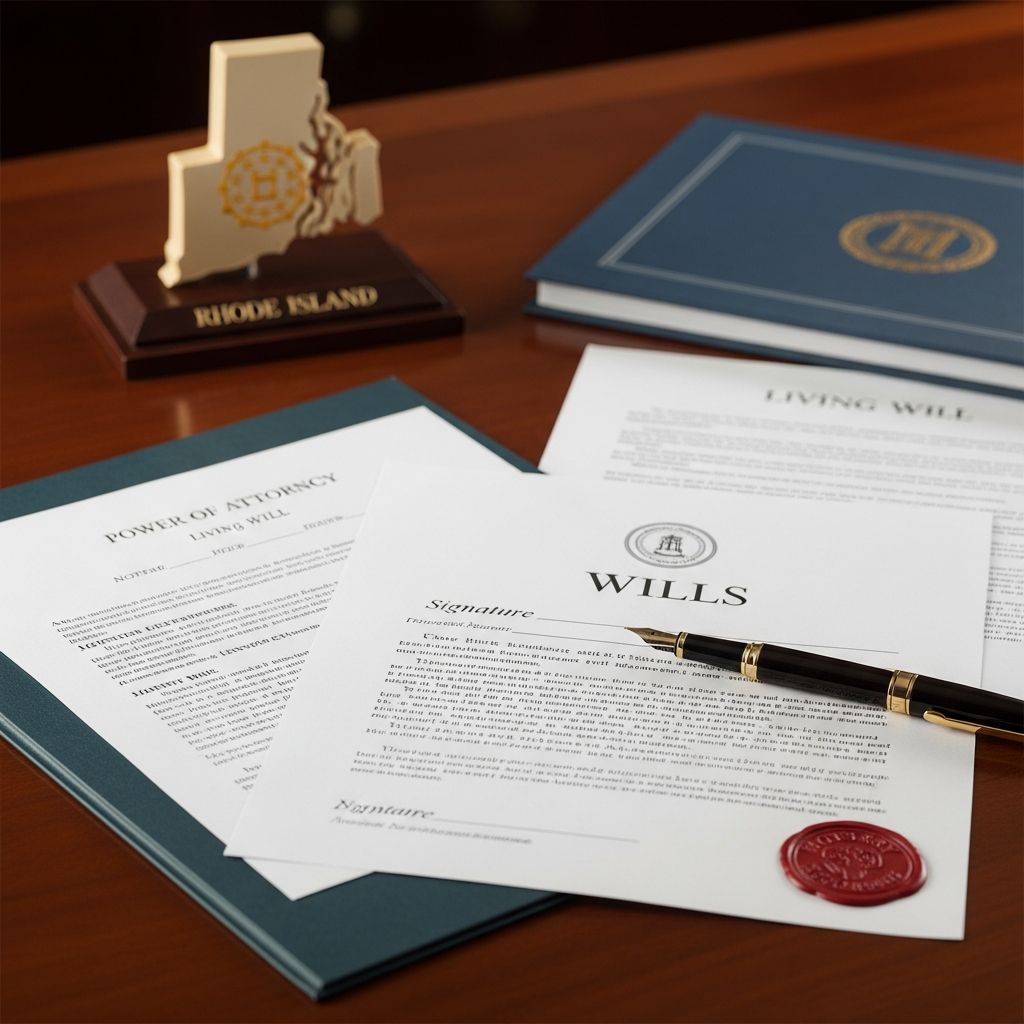
Creating a last will and testament stands as a cornerstone of responsible estate planning in Rhode Island. This legal instrument empowers individuals to dictate the distribution of their assets, appoint guardians for minor children, and name executors to manage their affairs after death. Without one, state intestacy laws dictate asset allocation, potentially overriding personal wishes. Rhode Island statutes, primarily in Title 33 of the General Laws, outline precise requirements to ensure a will’s validity.
Who Qualifies to Draft a Will in the Ocean State
Eligibility to create a will in Rhode Island hinges on two key criteria: age and mental competency. Any person aged 18 or older qualifies, provided they possess a sound mind. Sound mind refers to the capacity to understand the nature of one’s assets, recognize natural heirs, and comprehend the will’s effects. Courts assess this based on the testator’s awareness at signing, not requiring medical proof unless challenged.
- Age Threshold: Must be at least 18 years old, aligning with adulthood for legal contracts.
- Mental Capacity: No prior incompetence ruling; ability to reason about estate matters.
- Exceptions: Active military members may have relaxed rules under federal law, though Rhode Island follows standard protocols.
These standards prevent undue influence or incapacity claims, safeguarding the testator’s intent. Consulting an attorney confirms eligibility, especially for those with health concerns.
Core Elements of a Valid Rhode Island Will
Rhode Island demands a written document, distinguishing it from oral declarations, which hold no legal weight. Handwritten (holographic) wills are acceptable if they meet all criteria, though typed versions reduce disputes. The will must clearly identify assets, beneficiaries, and directives.
| Requirement | Description | Legal Basis |
|---|---|---|
| Written Form | Typed, printed, or handwritten; no video or audio suffices. | R.I. Gen. Laws § 33-5-5 |
| Testator Signature | Personal mark or directed signing in presence. | R.I. Gen. Laws § 33-5-5 |
| Witness Signatures | Two or more, attesting in testator’s presence. | R.I. Gen. Laws § 33-5-5 |
Beneficiaries should be named specifically or via classes (e.g., ‘my children’), with contingencies for predeceased heirs. Vague language invites probate litigation.
Step-by-Step Process to Execute Your Will
Drafting a will involves deliberate steps to comply with Rhode Island law. Begin by inventorying assets: real estate, bank accounts, vehicles, investments, and personal items. Decide on beneficiaries and alternates, executor (estate administrator), and guardians if applicable.
- Prepare the Document: Use clear language; software or attorney templates ensure compliance.
- Sign in Presence: Testator signs or directs another while two witnesses observe.
- Witness Attestation: Witnesses sign immediately after, confirming the act.
- Notarize for Self-Proving: Optional but recommended affidavit enhances probate ease.
- Store Securely: Original with attorney or safe deposit; copies for executor.
Revocation occurs by physical destruction, new will, or written cancellation. Marriage or divorce may partially revoke prior wills, necessitating updates.
The Role of Witnesses: Best Practices and Pitfalls
Witnesses validate the will’s execution, attesting to the testator’s soundness and voluntariness. Rhode Island requires two present simultaneously, signing in mutual presence. Disinterested witnesses—non-beneficiaries—are ideal to avoid gift forfeiture.
- Interested Witness Rule: Gifts to them void, but will remains valid.
- Ideal Choices: Neighbors, friends, or professionals not inheriting.
- Common Errors: Witnesses signing remotely or post-dating invalidates.
Select reliable, locatable witnesses; their unavailability complicates probate testimony.
Self-Proving Affidavits: Streamlining Probate
A self-proving will incorporates a notarized affidavit from testator and witnesses, swearing to proper execution. Courts accept these without live testimony, expediting validation under R.I. Gen. Laws § 33-7-26. Attach the affidavit or embed it; sample forms are available via legal resources.
This feature proves invaluable in uncontested estates, reducing costs and delays. Probate without it demands witness appearance or deposition, risking denial if unreachable.
Navigating Probate: What Happens After Execution
Upon death, the executor files the will in the Probate Court of the county of residence. Rhode Island probate is public, involving creditor notices, asset inventory, and distribution. Simplified for small estates under $35,000 (personal property only); formal for larger.
- Timeline: 6-18 months typically; self-proved wills faster.
- Costs: Filing fees, attorney, executor commissions (up to 5%).
- Avoidance: Joint ownership, beneficiaries on accounts bypass probate.
2026 estate tax threshold rises to $1,838,056, affecting high-value estates.
Intestacy Risks: Why Skipping a Will Matters
Dying intestate triggers R.I. Gen. Laws Title 33, Chapter 1: spouse inherits all if no descendants; split otherwise (e.g., spouse 1/3, children 2/3). Unwed partners, stepchildren excluded. Disputes arise, eroding assets via fees.
A will overrides this, honoring unique family dynamics like blended families or charities.
Special Considerations: Trusts, Minors, and Updates
Wills differ from trusts: revocable living trusts avoid probate entirely, holding assets privately. Combine both for comprehensive planning. For minors, name guardians; testamentary trusts manage inheritances until maturity.
Life events—births, deaths, moves, laws—demand reviews every 3-5 years. Rhode Island recognizes out-of-state wills if valid there.
Digital Assets and Modern Wills
In 2026, include online accounts, crypto, social media. Designate digital executors; federal laws like RUFADAA aid access. List passwords securely, not in the will.
Frequently Asked Questions About Rhode Island Wills
Can I use a holographic will in Rhode Island?
Yes, fully handwritten wills are valid if signed and witnessed properly, though typed preferred for clarity.
Does marriage invalidate my existing will?
Pre-marital wills may be partially revoked; update post-marriage to include spouse.
How do I revoke a prior will?
Destroy it, execute a new one, or add a revocation clause witnessed identically.
Can my will name a pet beneficiary?
Direct funds to caregivers; pets legally property. Use pet trusts for ongoing care.
What if a witness dies before probate?
Self-proving affidavits suffice; otherwise, prove via testimony or proof of lost will.
Professional Guidance: When to Consult an Attorney
Simple estates suit DIY forms, but complexities—businesses, disputes, taxes—warrant lawyers. Rhode Island Bar Association referrals ensure expertise. Costs: $300-$2,000 typically.
Estate planning secures legacies, minimizes taxes, avoids court battles. Start today for peace tomorrow.
References
- Basic Requirements for a Last Will and Testament in Rhode Island — LawInfo. Accessed 2026. https://www.lawinfo.com/resources/wills/rhode-island/
- Why Your Estate Plan Needs a Will in Rhode Island — Kirshenbaum Law. Accessed 2026. https://www.kirshenbaumri.com/blog/why-your-estate-plan-needs-a-will.cfm
- General Laws of Rhode Island Section 33-5-5 — Justia (RI Gen. Laws). 2024. https://law.justia.com/codes/rhode-island/title-33/chapter-33-5/section-33-5-5/
- Trusts vs. Wills in Rhode Island — Tomassi Law, LLC. Accessed 2026. https://www.attorney-ri.com/trusts-vs-wills-in-rhode-island
- New Year 2026 Changes — RI Division of Taxation. 2026-01. https://tax.ri.gov/sites/g/files/xkgbur541/files/2026-01/ADV_2026_02_Tax-Changes.pdf
Similar Articles








Read full bio of medha deb


