
Revenge Porn, Public Figures, and the Law
How U.S. laws address nonconsensual intimate images when the target is a public figure and publishers claim First Amendment protection.
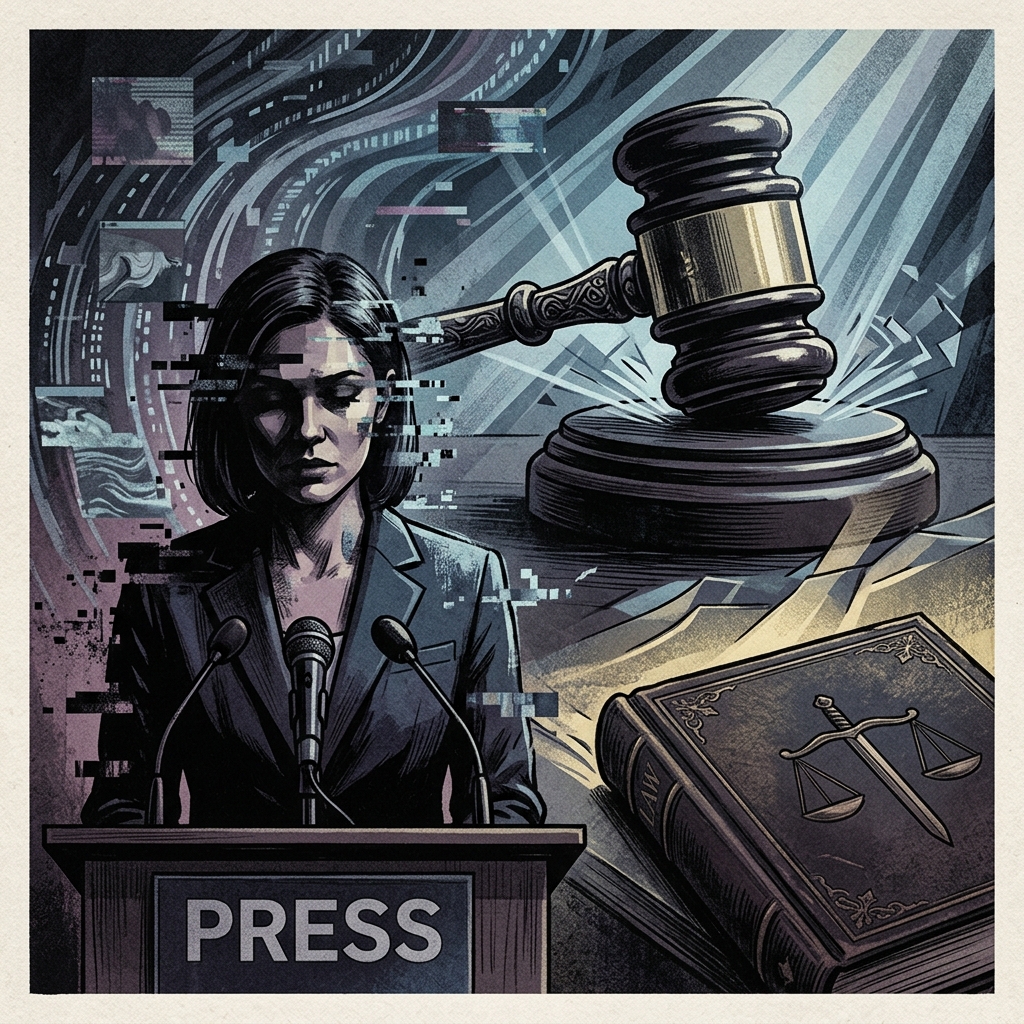
Nonconsensual sharing of intimate images—commonly called revenge porn—has become a recurring feature of modern scandals, including those involving elected officials and other public figures. The controversy surrounding former Representative Katie Hill brought national attention to a key legal question: what can victims do when private images are published without consent, especially where news outlets and political actors claim protection under the First Amendment?
This article uses that broader controversy as a springboard to explain how U.S. law approaches revenge porn, why cases involving public figures are especially difficult, and what remedies may be available despite strong constitutional protections for speech.
Understanding Revenge Porn and Nonconsensual Pornography
Legal experts increasingly prefer the term nonconsensual pornography over “revenge porn,” because many cases do not involve revenge in a narrow sense and the term “porn” can downplay the serious privacy harms involved. Instead, the focus is on the nonconsensual distribution of intimate content.
- Core idea: a person shares or threatens to share sexual or nude images of someone without their consent.
- Typical context: images originally created in a private relationship and later misused after a breakup or personal conflict.
- Harm: emotional trauma, reputational damage, job loss, harassment, and long-term digital footprints that are hard to erase.
Because so many cases arise from intimate relationships, nonconsensual pornography is often described as a form of technology‑facilitated abuse or coercive control, rather than merely a speech or publishing issue.
How U.S. States Regulate Nonconsensual Intimate Images
Over the past decade, most U.S. states have enacted laws targeting nonconsensual pornography, though the scope and strength of these statutes vary significantly. These laws typically share certain features.
Common Elements of State Revenge Porn Laws
- Intentional distribution: the defendant knowingly or intentionally discloses or disseminates an intimate image.
- Lack of consent: the person depicted did not give permission for that disclosure.
- Expectations of privacy: the image was created or shared under circumstances where the victim reasonably expected it would remain private.
- Identifiability: the victim can be identified from the image or accompanying information.
- Resulting harm: some statutes require proof of emotional distress or other specific harms, while others do not.
Many statutes also include exemptions, such as protections for law enforcement activity, reporting of criminal conduct, or content of legitimate public interest.
California’s Approach
California is often cited as one of the first states to explicitly criminalize nonconsensual pornography, starting with a 2013 statute that makes it a crime to intentionally distribute private images without consent in order to cause distress. The law is part of a broader regulatory landscape that includes privacy and harassment provisions.
| Feature | Description |
|---|---|
| Criminal liability | Distribution of intimate images without consent under specified conditions can be prosecuted as a crime. |
| Intent requirement | Statutes often require proof that the defendant intended emotional distress or knew distress was highly likely. |
| Privacy focus | Images must have been created under circumstances suggesting they were private, not meant for public display. |
| Public interest limits | Some laws recognize an exemption where publication serves a legitimate public interest, particularly in news reporting. |
These details matter when the person depicted is a public figure and images are republished by media organizations claiming newsworthiness.
Public Figures, Newsworthiness, and the First Amendment
When intimate images of public figures are published, the legal questions become more complex. U.S. courts must balance privacy rights and consent requirements against the First Amendment protections for speech and press.
Why Public Figure Cases Are Different
Public officials and celebrities are subject to heightened public scrutiny. Courts often recognize that the public has a legitimate interest in their behavior, particularly when it relates to job performance, misuse of power, corruption, or abuse of subordinates.
- Expanded public interest: voters may care about an official’s conduct, including personal relationships that implicate ethics rules or workplace dynamics.
- Stronger speech protections: media coverage of public figures typically receives robust First Amendment protection, especially for matters of public concern.
- Reduced privacy expectations: public figures are often treated as having narrower zones of privacy, although intimate images still occupy one of the most protected spheres.
In disputes over intimate images, defendants sometimes argue that photographs expose hypocrisy or misconduct by a public official and thus are “newsworthy,” while plaintiffs counter that the images were deeply private and shared only in intimate contexts.
The Role of Newsworthiness and Redaction
Another recurring issue is whether partial redaction—such as obscuring nipples or genitals—changes the legal analysis. Publishers have argued that if an image is edited to remove explicit nudity, it no longer qualifies as a covered “intimate image” under certain statutes, while still conveying information about the subject’s conduct.
Legal debates may therefore turn on:
- whether edited images remain sufficiently sexual or intimate to fall under revenge porn laws;
- whether the public interest in an official’s conduct overrides privacy claims; and
- whether the publisher is considered an original distributor or merely a republisher under statutes that focus on the first party who leaks or posts the images.
These questions highlight why some legal scholars argue that state‑level statutes alone may be inadequate for complex, high‑profile cases.
Civil and Criminal Remedies for Victims
Victims of nonconsensual pornography, whether public figures or private individuals, may have both criminal and civil tools at their disposal. However, the effectiveness of these options depends heavily on the facts, the jurisdiction, and constitutional constraints.
Criminal Enforcement
Under state statutes modeled on California’s approach, prosecutors can bring charges against individuals who intentionally share intimate images without consent in violation of the law. For a victim, this can provide:
- Law enforcement involvement: police and prosecutors can investigate, gather evidence, and pursue charges.
- Deterrence: criminal penalties may deter future sharing or threats to share images.
- Symbolic accountability: a criminal conviction can publicly affirm that the conduct was wrongful.
However, criminal cases face hurdles: proof of intent, jurisdictional issues when images circulate online, and limited resources in many prosecutor’s offices.
Civil Lawsuits and Damages
Victims may also file civil claims seeking monetary damages or injunctive relief. Common causes of action can include:
- Invasion of privacy: such as publication of private facts or intrusion upon seclusion.
- Intentional infliction of emotional distress: where the sharing of images is extreme and outrageous conduct.
- Violations of specific state revenge porn statutes: some laws provide for private civil enforcement alongside criminal penalties.
Civil suits can target both the person who initially leaked the images (for example, a former partner) and, in some circumstances, downstream publishers who republished them. Media defendants frequently respond with motions arguing that the lawsuit attempts to silence protected speech and that the case should be dismissed under anti‑SLAPP statutes or on First Amendment grounds.
Limits of Current Law in High‑Profile Cases
Legal commentators studying recent high‑profile controversies have noted significant gaps in how state laws address nonconsensual pornography when it intersects with political scandal and news coverage.
Challenges Identified by Legal Scholars
- Patchwork of state laws: victims and publishers may be in different states, with inconsistent standards and enforcement mechanisms.
- Public figure complications: statutory language rarely distinguishes clearly between private individuals and public officials, leaving room for broad First Amendment defenses.
- Digital permanence: once images are online, even successful lawsuits or criminal prosecutions may not fully remove them from circulation.
- Original versus secondary distributors: some statutes focus on the first person who shares images, making it harder to pursue claims against media outlets that later republish them.
These difficulties have led some scholars to call for more comprehensive federal legislation to ensure a clearer, national standard for nonconsensual pornography cases.
Calls for a Federal Revenge Porn Law
Academic analyses of revenge porn cases involving public officials have argued that a federal statute could provide more uniform protection and better address cross‑border digital harms. A federal law could, for example:
- establish consistent definitions of nonconsensual pornography across all states;
- create clear jurisdictional rules for online distribution across state lines;
- specify how First Amendment concerns should be balanced against privacy rights for both private individuals and public figures; and
- offer civil remedies and criminal penalties with nationwide reach.
Proposals often emphasize that any federal law must be drafted carefully to withstand constitutional scrutiny. Courts are especially wary of content‑based restrictions on speech, which means lawmakers must narrowly tailor statutes to target conduct—nonconsensual disclosure of intimate material—rather than viewpoints or criticism.
Practical Steps Victims Can Consider
Even within the limits of current law, victims of nonconsensual pornography can take concrete steps to protect themselves. While outcomes vary and legal advice from a qualified attorney is essential, the following measures are commonly recommended by practitioners and advocacy groups.
- Document evidence: capture screenshots, URLs, dates, and any communications that show who shared or threatened to share the images.
- Consult legal counsel: seek advice from attorneys familiar with privacy, media law, and state revenge porn statutes to evaluate both civil and criminal options.
- Report to platforms: major social media sites and hosting providers generally have policies against nonconsensual intimate images and may remove content upon verified reports.
- Engage law enforcement: in jurisdictions with explicit statutes, victims can file police reports and pursue criminal complaints.
- Consider safety planning: because nonconsensual pornography can accompany stalking or threats, safety planning with victim‑services professionals can be important.
For public figures, additional strategic considerations arise, such as how legal action may interact with ongoing media coverage, political campaigns, or ethical investigations.
Ethical and Policy Debates
Beyond the courtroom, controversies involving intimate images of public officials raise broader ethical questions.
- Media ethics: should news outlets republish intimate images even if they claim public interest, or should they rely on textual reporting without visual material?
- Gender dynamics: some commentators argue that women and marginalized groups face disproportionate harm from nonconsensual pornography and may be judged more harshly for private sexual behavior.
- Transparency versus privacy: voters may seek transparency about officials’ conduct, yet individuals retain fundamental rights to sexual privacy.
These debates inform ongoing discussions about how laws should evolve and how institutions should respond when revenge porn intersects with politics and public life.
Key Takeaways in Cases Involving Public Figures
Putting the legal and ethical pieces together, several key points emerge for scenarios where intimate images of public figures are published without consent:
- State revenge porn laws exist but vary widely, and their application to media outlets and public officials remains contested.
- First Amendment defenses, especially arguments about newsworthiness, can significantly limit the practical reach of these statutes in high‑profile cases.
- Victims may pursue both criminal complaints and civil lawsuits, though success depends on statutory language, evidence of intent, and judicial balancing of privacy versus free speech.
- Legal scholars and advocates are increasingly calling for a federal framework to address nonconsensual pornography more consistently across the country.
Understanding these dynamics helps explain why some revenge porn cases become major constitutional battles, while others are resolved quietly through takedown requests, settlements, or local prosecution.
Frequently Asked Questions (FAQ)
Is revenge porn always a crime in the United States?
No. Although most states have enacted some form of nonconsensual pornography law, the details differ and not all jurisdictions criminalize every scenario. Whether conduct is a crime depends on the statute in that state, including requirements like intent to cause distress and the victim’s expectation of privacy.
Do public figures have fewer legal protections against nonconsensual pornography?
Public figures do not lose their rights to sexual privacy, but their cases can be harder. Courts may consider the public’s legitimate interest in their behavior, and publishers often raise strong First Amendment defenses when images are tied to matters of public concern.
Can news organizations be liable for publishing intimate images?
It is possible, but legally complex. Liability may turn on whether the images meet statutory definitions, whether the outlet is considered an original distributor, and how courts weigh privacy rights against newsworthiness and free speech protections.
Is there a federal revenge porn law?
As of recent legal commentary, there is no comprehensive federal statute specifically targeting nonconsensual pornography, although scholars and advocates have argued that such a law is needed to address interstate online harms and create uniform standards.
What should someone do if their intimate images are shared without consent?
They should document evidence, report the content to online platforms, consider contacting law enforcement, and seek advice from a lawyer familiar with privacy and media law. Local statutes and resources will shape the available options.
References
- Former Rep. Katie Hill’s lawsuit pits 1st Amendment against revenge-porn law — Los Angeles Times. 2021-03-09. https://www.latimes.com/politics/story/2021-03-09/katie-hill-lawsuit-nude-pictures-first-amendment-revenge-porn
- Will California’s “Revenge Porn” Law Really Help Rep. Katie Hill? — CapRadio. 2019-11-02. https://www.capradio.org/articles/2019/11/02/will-californias-revenge-porn-law-really-help-rep-katie-hill/
- The Betrayal of Rep. Katie Hill: Why We Need a Federal Revenge Porn Law — Georgetown Journal of Gender and the Law (Online). 2020. https://www.law.georgetown.edu/gender-journal/online/volume-xxi-online/the-betrayal-of-rep-katie-hill-why-we-need-a-federal-revenge-porn-law/
- Katie Hill Did Not Resign “Because of a Double Standard” on Revenge Porn — Sex Offender Law Report, Civic Research Institute. 2020. https://www.civicresearchinstitute.com/online/PDF/SLR%202203-01-Myers-Katie%20Hill.pdf
Similar Articles








Read full bio of Sneha Tete




