
When You Can Return Prescription Drugs and What To Do With Unused Medicine
Learn when prescription drugs can be returned, why pharmacies rarely reuse them, and how to safely dispose of unused or expired medications.
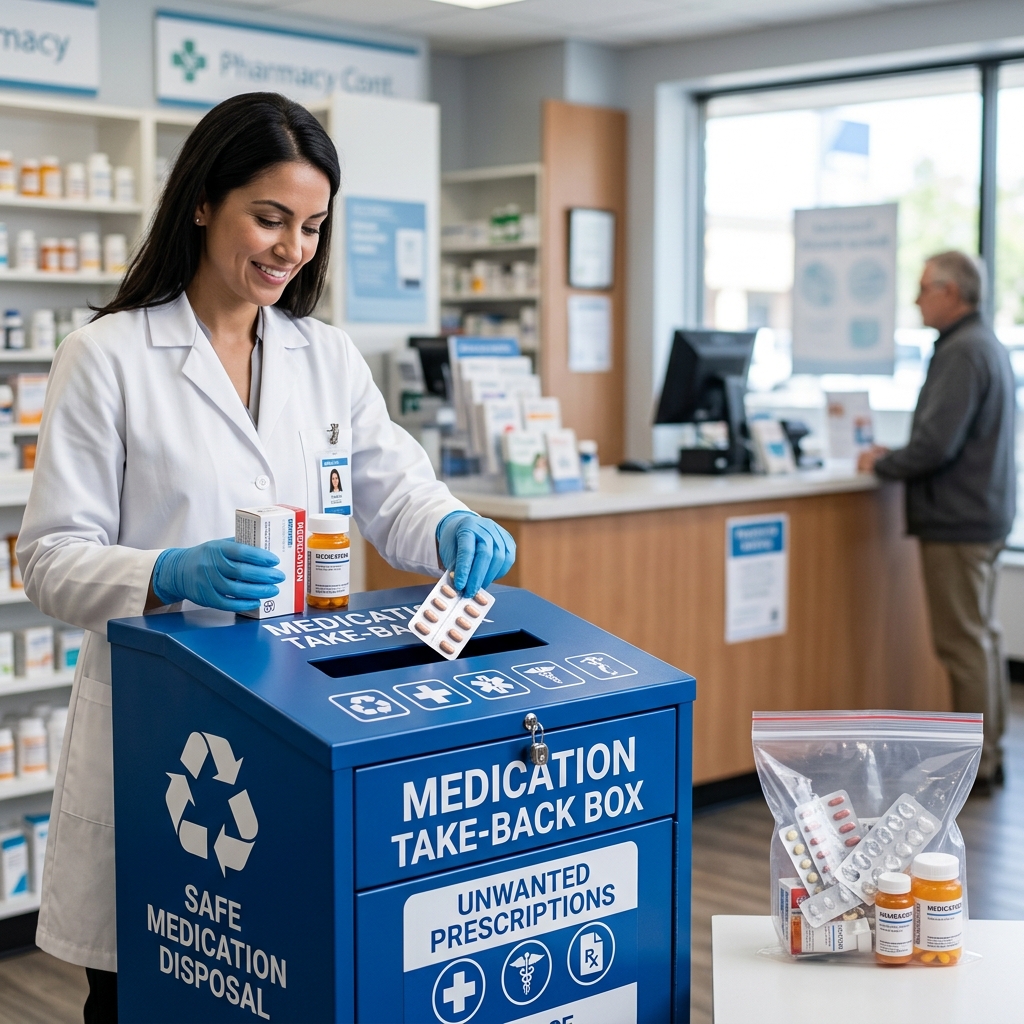
Many people discover unused or unwanted prescription drugs at home and wonder whether they can simply bring them back to the pharmacy for a refund or reuse. In practice, returns of prescription medications are tightly restricted, and pharmacies almost never put returned drugs back into their dispensing stock because of safety and legal concerns. At the same time, regulators encourage safe disposal of unused medicines through authorized take-back programs. This article explains why returns are limited, when exceptions may apply, how refunds and insurance work, and the safest ways to get rid of leftover medication.
Why Most Prescription Drugs Cannot Be Returned
Once a prescription drug leaves the pharmacy, the medication is considered to have left the controlled system that ensures product integrity, proper storage, and accurate handling. This change in control creates several problems if the pharmacy were to accept the medication back and reuse it.
Safety and Quality Concerns
Returned medication may have been exposed to heat, moisture, or light, stored in a car or bathroom, or handled by multiple people. Pharmacists cannot reliably verify how the medicine was stored after it left their control, which raises questions about safety, potency, and contamination.
- Unknown storage conditions: Temperature extremes or humidity can degrade certain medications, especially biologics and some antibiotics.
- Risk of tampering: Even sealed bottles might have been opened and resealed by an unauthorized person.
- Label and identity issues: Once labels are altered or damaged, it becomes harder to confirm exactly what the product is.
Because a pharmacist cannot reliably prove that a returned drug meets safety, identity, strength, quality, and purity standards, regulators generally prohibit pharmacies from putting those drugs back into dispensing stock for another patient.
Legal and Liability Restrictions
Regulatory agencies treat returned prescription drugs as compromised products. Guidance documents and professional positions emphasize that pharmacists should not return unused prescription drugs to stock once they have been dispensed to a patient. If a pharmacy were to redistribute such medication and a patient were harmed, the pharmacy could face significant civil and regulatory liability.
- Professional standards: Organizations such as the National Association of Boards of Pharmacy (NABP) support policies preventing reuse of medications that have left a secure system, with narrow exceptions for controlled delivery scenarios.
- Board of pharmacy rules: State boards frequently adopt regulations or policies that echo these safety concerns.
- Tort liability: Reusing a returned drug that causes injury could expose the pharmacy to malpractice or product liability claims.
Privacy and Chain-of-Custody Issues
Prescription containers carry patient information, and repackaging or reusing such containers may compromise privacy. In addition, maintaining a clear chain of custody for medications is essential to limiting diversion, theft, and misuse. Once a drug is dispensed, tracking its path back through the system becomes complex and risk-prone.
Exceptions: When Returns May Be Allowed
Although reuse of returned drugs for other patients is nearly always prohibited, some jurisdictions recognize limited scenarios where returning a prescription is allowed, mainly for disposal or inventory control. In rare, tightly controlled settings, certain medications may be returned and reused if they never truly left the pharmacy’s secure chain.
Closed-System Delivery Failures
Professional guidance recognizes narrow exceptions when the pharmacy attempts delivery but cannot complete it, and the medication comes back the same day in the original, sealed, tamper-evident packaging.
| Scenario | Packaging Requirements | Potential Outcome |
|---|---|---|
| Pharmacy staff attempts home delivery but patient is unavailable | Manufacturer’s original sealed unit-of-use or pharmacy’s original sealed package | Medication may be returned to pharmacy and reused after staff evaluation |
| Approved common carrier attempts delivery and returns undelivered item same day | Original sealed, tamper-evident packaging that maintains product quality | Medication may be returned to stock if integrity is documented |
| Patient takes medication home and later brings it back | Any condition (opened or sealed) | Generally cannot be reused; may only be accepted for disposal |
These exceptions focus on delivery failures, not ordinary patient returns. They apply when the medication never truly entered a patient’s control, and the pharmacy can document continuous protection and stability.
Return for Disposal Only
Many pharmacies and take-back programs allow patients to bring unused or expired medications for destruction, even though the medication will not be reused or credited. In these cases, the drug is collected and sent to an authorized destruction facility or processed through secure disposal methods.
- Pharmacy drop boxes or kiosks for unwanted medicines.
- Law enforcement–sponsored drug take-back events.
- Mail-back envelopes for sending medicine to a destruction site.
These programs are designed to reduce stockpiles of unused medicine in homes and lower risks of misuse, diversion, or accidental poisoning.
Refunds, Exchanges, and Insurance Coverage
Even if a pharmacy cannot reuse a returned prescription, patients sometimes ask whether they can receive a refund or exchange for an incorrect or unwanted medication. Policies vary by state law and pharmacy, but several common themes appear.
Typical Pharmacy Return Policies
Retail pharmacies often state that prescription medications generally cannot be returned for resale or redistribution, and they usually limit refunds to specific situations, such as dispensing errors or damaged products. For example, some pharmacy chains specify that prescription medications ordered online cannot be returned to stores due to legal restrictions.
- Non-returnable: In most cases, correctly dispensed prescriptions are not eligible for return or refund once picked up.
- Dispensing errors: If a pharmacy dispenses the wrong drug or strength, it may correct the error and provide appropriate medication, possibly offering a refund or replacement.
- Damaged on receipt: If medication arrives damaged through mail-order, the pharmacy or insurer may address replacement.
Role of Insurance and Copayments
Health plans and pharmacy benefit managers typically treat filled prescriptions as a completed benefit once the drug is dispensed. Copayments or coinsurance are generally not refundable unless there was a clear error, such as billing for an incorrect product. Patients concerned about coverage or cost should contact their insurer or pharmacy benefit manager for clarification.
To avoid problems:
- Verify the drug name, strength, and directions at the pharmacy counter before leaving.
- Ask the pharmacist to explain the purpose of the drug and confirm that it matches what your prescriber intended.
- Discuss generic alternatives or quantity options with your prescriber and insurer in advance.
Safe Disposal of Unused or Expired Medicines
Because returns for reuse are extremely limited, safe disposal of unused or expired medications is critical. U.S. regulators and public health programs recommend authorized take-back options as the most protective and environmentally sound approach.
Authorized Drug Take-Back Locations
The U.S. Food and Drug Administration (FDA) identifies medicine take-back options as the preferred method for disposing of unused or expired prescription and nonprescription drugs. Authorized sites may include retail pharmacies, hospital or clinic pharmacies, and law enforcement facilities registered with the Drug Enforcement Administration (DEA).
- Permanent kiosks or drop boxes at pharmacies or municipal buildings.
- DEA-sponsored National Prescription Drug Take-Back Days, where temporary sites accept medications.
- Local law enforcement–organized take-back events.
Consumers can search online mapping tools using terms such as “medication disposal near me” to find nearby permanent disposal boxes. Professional organizations also offer locator tools to help identify sites accepting expired or unwanted medications.
Mail-Back and In-Home Disposal Options
When take-back locations are not available or convenient, mail-back envelopes and certain in-home disposal products provide alternative ways to safely discard medicine.
- Pre-paid mail-back envelopes: Some pharmacies and programs offer envelopes that patients can fill with unused medications, seal, and send via the U.S. Postal Service to a licensed destruction facility.
- Drug-neutralizing packets: Certain retail pharmacies provide powder products that, when mixed with water in the medication bottle, render pills unusable so they can be safely placed in household trash.
- Household disposal for non-controlled drugs: If no take-back options exist, FDA guidance recommends mixing medicines with undesirable substances like dirt, coffee grounds, or cat litter, sealing them in a container, and throwing them away, after removing personal information from the label.
For most medicines, flushing down the toilet is discouraged because of potential environmental impact, except for a small group of drugs where FDA specifically recommends immediate flushing when take-back options are not available.
Special Considerations for Controlled Substances
Controlled substances—such as certain opioids, stimulants, and sedatives—pose elevated risks of misuse and overdose if left unused at home. Drug take-back programs and authorized collectors are specifically designed to accept these substances and ensure secure destruction.
- Authorized collectors registered with DEA may accept controlled substances through kiosks or mail-back programs.
- Some state take-back programs explicitly include controlled substances, at-home chemotherapy medications, and veterinary prescriptions.
- Leaving controlled substances in medicine cabinets can contribute to diversion, accidental poisoning, or misuse.
Removing controlled substances from the home through authorized take-back options is considered a key strategy for preventing nonmedical use and associated harms.
Statewide Safe Medication Return Programs
Several states operate comprehensive safe medication return systems that accept both prescription and over-the-counter drugs from households. For example, Washington State’s Safe Medication Return program allows residents to dispose of medicines for people and pets, including controlled substances, via drop-off kiosks, mail-back supplies, and occasional take-back events.
- Programs may accept liquids, pills, capsules, powders, patches, ointments, inhalers, and sharps.
- Consumers can find locations and order mailers through program websites or dedicated hotlines.
- Instructions often specify how to return liquids, sharps, and mixed forms of medication safely.
Checking local health department websites can help residents identify state- or community-specific disposal options.
Handling Sharps and Medical Devices
Used needles, syringes, and auto-injectors (collectively known as “sharps”) require special handling. They generally should not be placed in regular trash or recycling due to risk of injury and infection. Guidance recommends placing sharps in FDA-cleared disposal containers or sturdy household containers, such as heavy-duty plastic bottles with tight-fitting lids.
- Never flush sharps down the toilet or toss them loosely into the trash.
- Ask a pharmacist or health care provider about sharps disposal options in your area.
- Some take-back programs accept medical devices containing medication, including certain inhalers and sharps, under specific conditions.
Practical Tips Before You Fill or Return a Prescription
Because prescription drugs are difficult to return or refund, it is helpful to think ahead before filling a new medication or requesting changes.
Before Picking Up Your Prescription
- Confirm with your prescriber how long you are expected to take the medication and whether a smaller initial quantity is sensible.
- Discuss potential side effects and alternative therapies so you do not end up with large amounts of medicine you are unlikely to use.
- Check with your insurer about coverage rules, quantities, and prior authorizations to prevent unwanted fills.
At the Pharmacy Counter
- Verify your name, drug name, strength, and dosing instructions before leaving.
- Ask the pharmacist to explain how to store the medication and what to do if your therapy changes.
- Inquire whether the pharmacy participates in a medication disposal or DEA-authorized take-back program.
If Your Therapy Changes
- When your prescriber discontinues a drug, ask about safe disposal and whether any special instructions apply.
- Do not share leftover prescription drugs with family or friends; such sharing is unsafe and may be illegal for controlled substances.
- Plan to dispose of unused medicine promptly to avoid accumulation and misuse risks.
FAQs: Returning and Disposing Prescription Drugs
Can I return a prescription drug to the pharmacy for a refund?
In most situations, pharmacies cannot accept prescription drugs for return and reuse once they have been dispensed and picked up by the patient. Refunds are typically limited to cases such as dispensing errors or damaged products, and policies vary by state law and pharmacy. Always check with your specific pharmacy about its return and refund policy.
Can pharmacies redistribute sealed, unopened medications I bring back?
Generally, no. Professional guidance and regulatory expectations indicate that pharmacists should not return unused prescription drugs to stock after they have left the pharmacy’s control, even if the packaging appears sealed. Returned medications are usually destroyed rather than reused.
How do I safely dispose of unused or expired prescription drugs?
The FDA recommends medicine take-back options as the preferred method for disposing of unused or expired medications. Authorized drug disposal locations may include pharmacies, hospitals, clinics, and law enforcement facilities with secure drop boxes or kiosks. If take-back options are not available, pre-paid mail-back envelopes or, for certain drugs, household disposal methods may be used following official guidance.
What should I do with unused opioid pain medications or other controlled substances?
Unused controlled substances should be removed from the home as soon as reasonably possible using authorized take-back options or registered collectors, which securely destroy the medicines. Some state programs and pharmacy-based disposal sites explicitly accept controlled substances, helping to reduce risks of misuse, diversion, and accidental poisoning.
Is it safe or legal to give my leftover prescription drugs to someone else?
Sharing prescription medication is generally unsafe and may be illegal, particularly for controlled substances. Medicines are prescribed based on an individual patient’s medical history, conditions, and other medications. Providing your prescription to another person can lead to serious adverse effects, drug interactions, or misuse, and could violate laws governing controlled drugs.
What if my local area has no drug take-back sites?
If you cannot locate a nearby take-back site, ask your pharmacist about mail-back envelopes or in-home disposal products that neutralize medicines. For medicines without special disposal instructions, FDA guidance allows mixing them with undesirable substances (such as coffee grounds, dirt, or cat litter), sealing them in a container, and placing them in the household trash after removing personal information from the label.
References
- Drug Disposal: Drug Take-Back Options — U.S. Food and Drug Administration. 2020-10-08. https://www.fda.gov/drugs/disposal-unused-medicines-what-you-should-know/drug-disposal-drug-take-back-options
- Position Statement on the Return and Reuse of Prescription Medications — National Association of Boards of Pharmacy. 2016-03-14. https://nabp.pharmacy/wp-content/uploads/2016/07/positionstatementonthereturnandreuseofprescriptionmedications.pdf
- Safe Medication Return — Washington State Department of Health. 2023-06-01. https://doh.wa.gov/you-and-your-family/safe-medication-return
- Medication Disposal Near Me — CVS Pharmacy. 2022-04-01. https://www.cvs.com/content/safer-communities-locate
- Safe Medication Disposal — Walgreens. 2022-09-15. https://www.walgreens.com/topic/pharmacy/safe-medication-disposal.jsp
- Drug Disposal Locator Tool — Safe.Pharmacy (NABP). 2021-05-10. https://safe.pharmacy/drug-disposal/
- Return Policy — CVS Pharmacy. 2023-01-01. https://www.cvs.com/retail/help/return_policy
Similar Articles








Read full bio of medha deb


