
Responding to False Accusations from Neighbors
Practical legal and personal strategies to protect yourself when a neighbor makes false, harmful claims about you or your household.
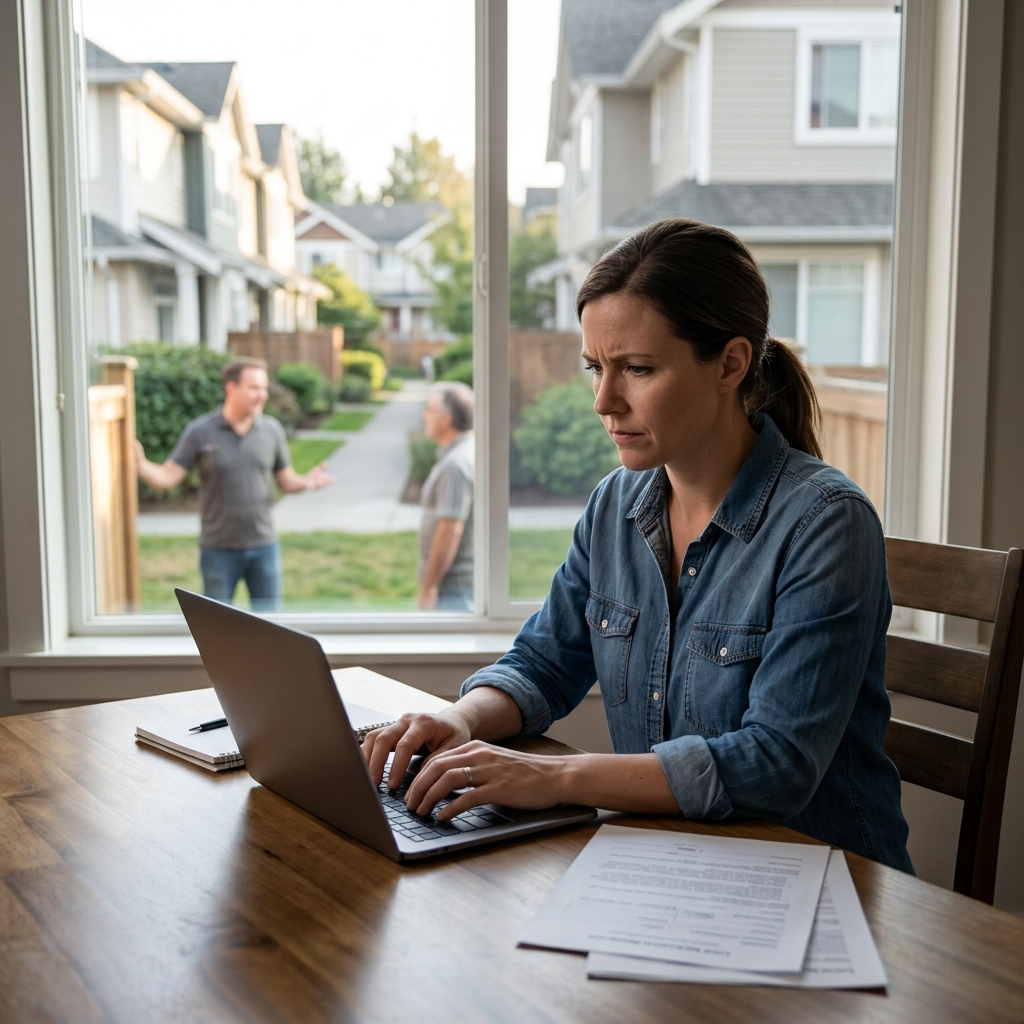
False accusations from neighbors can be frightening, humiliating, and disruptive. They can affect your housing, your reputation, and even your interactions with law enforcement or child protective agencies. This guide explains how to respond strategically, protect your legal rights, and reduce the risk that untrue statements will escalate into serious consequences.
Understanding What Counts as a False Accusation
Not every complaint or criticism from a neighbor rises to the level of a legally significant false accusation. Recognizing the type of conduct you are dealing with helps you choose the right response.
- Ordinary neighbor complaints – Routine issues like noise, parking, or pets reported in good faith, even if exaggerated, are often treated as part of normal community friction.
- False reports to authorities – When a neighbor knowingly makes untrue statements to police, code enforcement, child protective services, or housing authorities, those reports can trigger investigations and serious stress.
- Defamatory statements – Defamation generally means false statements presented as facts that damage your reputation, particularly when shared with third parties (such as other neighbors, your employer, or your landlord).
- Harassment and intimidation – Repeated, baseless accusations used to alarm, scare, or drive you out of your home may fit within harassment or similar legal concepts, depending on local law.
Knowing which category your situation fits into will inform whether you focus on de-escalation, documentation, law enforcement, or civil legal remedies.
Immediate Steps: Protect Yourself, Not Your Pride
Your first reaction may be to confront the neighbor or argue about the truth. That is rarely helpful and can be weaponized against you. Instead, focus on safety, self-control, and documentation.
Stay Calm and Avoid Retaliation
- Do not yell, threaten, or respond with insults, even if you feel provoked.
- Limit face-to-face contact, especially if tensions are high; communicate in writing when necessary so you have a record.
- Follow any existing court orders or lease rules strictly, so you are not accused of violating them later.
Courts and agencies often scrutinize how both sides behave once a dispute begins. Remaining calm and compliant will strengthen your position if the conflict escalates.
Begin Comprehensive Documentation
Objective evidence is often the difference between a dismissed complaint and a serious legal problem. Start building a factual record as soon as you learn about the accusations.
- Create an incident log – Keep a dated notebook or digital file describing each event, including time, location, and who was present.
- Save written communications – Store texts, emails, letters, and messages from your neighbor, landlord, police, or any agency involved.
- Preserve physical and digital evidence – Photos, video footage (such as doorbell cameras), audio recordings where legally permitted, and call logs can support your account of events.
- Identify witnesses – Friends, family members, or other neighbors who observed interactions or can confirm your whereabouts may become important later.
Documentation not only helps defend you; it may also reveal a pattern of harassment or biased treatment that could support future legal action.
Working with Landlords, HOAs, and Building Management
False accusations often reach landlords, homeowner associations (HOAs), or property managers before they reach law enforcement. How you respond in these forums can affect your housing stability and your legal options.
Clarify the Facts with Your Housing Decision-Maker
- Ask for complaints in writing so you know exactly what is being alleged.
- Respond with a concise, factual statement, avoiding emotional language or personal attacks.
- Attach relevant evidence, such as security footage or witness statements, that contradicts the accusations.
If your landlord or HOA is aware of the conflict, they may prefer a cooperative solution. Offering evidence and calm explanations increases the chance that housing decision-makers view you as reasonable and responsible.
Use Internal Processes Before Going to Court
Many HOAs and property managers have internal dispute procedures.
- Request mediation through your HOA, where a neutral facilitator helps both sides discuss concerns and seek a compromise.
- Ask for a formal hearing if your HOA or co-op rules allow it; this can be an opportunity to present your evidence to a board.
- Review your lease or HOA bylaws for specific steps to appeal warnings, fines, or violation notices.
Using internal remedies first demonstrates effort to resolve the matter constructively, which courts often consider if the dispute later becomes a lawsuit.
Interactions with Law Enforcement and Public Agencies
False accusations become especially serious when they involve police, child protective services, or other governmental agencies. The goal is to cooperate enough to show you have nothing to hide, while protecting yourself from unfair treatment or biased policing.
| Situation | Recommended Response |
|---|---|
| Police visit based on neighbor complaint | Stay calm, provide identification, and answer basic questions. Do not consent to searches or provide detailed statements without understanding your rights; consider asking if you are free to leave and requesting legal counsel if needed. |
| Repeated calls to police about minor issues | Document each visit, obtain incident or report numbers, and consider submitting a written complaint to internal affairs if you believe reports are inaccurate or biased. |
| Child protective or welfare inquiries | Cooperate respectfully, provide requested documentation, and consult an attorney immediately if you risk losing custody or visitation rights. |
| Threats or harassment via phone or online messages | Save all communications and speak to law enforcement about potential harassment or misuse of telecommunications, where applicable under local law. |
Documenting Biased or Incomplete Reporting
Sometimes, the issue is not only the neighbor’s behavior but also how officials respond. If you believe you are experiencing biased policing or incomplete documentation of your complaints, preserving a clear record is essential.
- Request copies of police incident reports using public records laws, where applicable.
- Note discrepancies between what you told officers and how reports describe the events.
- Submit written complaints to internal affairs or professional standards divisions, with copies of your evidence and a detailed timeline.
- Escalate concerns to city council members or civilian oversight boards if serious rights violations are involved.
In some cases, persistent biased treatment may contribute to a civil rights claim, such as under federal Section 1983 in the United States, when government actors violate constitutional protections.
Legal Concepts Commonly Involved in Neighbor False Accusation Cases
While the exact law varies by jurisdiction, several recurring legal theories appear in cases involving false accusations from neighbors.
- Defamation – False, factual statements communicated to others that harm your reputation may lead to a civil lawsuit for libel (written) or slander (spoken).
- Malicious prosecution – If someone instigates a criminal or civil case against you without reasonable grounds and with improper motives, and you ultimately prevail, you may have a claim for damages.
- Intentional infliction of emotional distress – Extreme, outrageous conduct intended to cause severe emotional distress, backed by evidence of harm, can sometimes support a civil claim.
- Harassment or misuse of telecommunication – Repeated false reports, alarming messages, or misuse of phones and digital communication can be criminal under some statutes.
Because these claims are complex and highly fact-specific, consulting an attorney for an evaluation of your situation is critical before you decide to sue.
Considering Civil Lawsuits: Pros, Cons, and Risks
Many people’s first instinct is to ask, “Can I sue my neighbor for these lies?” Civil litigation is one option, but it carries cost, risk, and procedural hurdles.
Potential Advantages of Legal Action
- Holding the neighbor financially responsible for reputational damage, lost wages, or mental anguish.
- Obtaining court orders that require the neighbor to stop certain behavior.
- Creating a formal record that clears your name if accusations were serious or widely publicized.
Important Risks and Defenses
In some jurisdictions, lawsuits based on complaints to authorities may trigger special protections for the neighbor, such as “anti-SLAPP” laws, designed to protect people who petition the government.
- Early dismissal – Anti-SLAPP motions can lead to rapid dismissal of your case if you cannot show a probability of prevailing, often before full discovery.
- Fee shifting – Losing an anti-SLAPP motion may result in you paying the neighbor’s attorneys’ fees and costs.
- Public record of the dispute – Court filings are public in many places, which can draw more attention to the accusations.
Because of these complexities, legal professionals often recommend addressing the underlying conflict, documenting thoroughly, and exploring negotiation or mediation before committing to litigation.
De-escalation and Practical Conflict Management
Not every false accusation requires aggressive legal measures. In many communities, practical conflict management reduces tension and helps everyone feel heard.
- Listen for legitimate concerns – Sometimes, accusations emerge from misunderstandings or separate grievances. Clarifying noise schedules, pet rules, or parking arrangements may resolve part of the problem.
- Use neutral third parties – Mediators, community relations officers, or HOA boards can help both sides express concerns without direct confrontation.
- Maintain respectful distance – Limiting unnecessary contact, including social media interactions, can prevent new flashpoints.
- Adjust your routines slightly – If minor changes in routine (e.g., moving trash bins, adjusting outdoor lighting) reduce friction without burdening you excessively, they may be worth considering.
De-escalation does not mean accepting blame for things you did not do. It simply recognizes that peaceful coexistence often requires practical compromises, even while you protect your rights.
When False Accusations Affect Family Law or Custody
False accusations involving domestic violence, child abuse, or neglect can have profound consequences in custody or divorce proceedings. Courts must prioritize safety, so even unproven claims may affect temporary orders.
- Follow every court order – Even if you believe an order is based on false information, strict compliance is essential until a court modifies it.
- Collect alibis and records – Time-stamped messages, medical records, prior police reports, and witness statements can clarify what truly happened.
- Retain an experienced family law attorney – A lawyer familiar with domestic violence and custody issues can help file motions to dismiss false claims or modify visitation arrangements once evidence is presented.
- Explore defamation or malicious prosecution afterward – In severe cases where false allegations created lasting harm, civil claims may be appropriate once the underlying case is resolved.
FAQs: False Accusations from Neighbors
Can I press criminal charges against my neighbor for lying about me?
In many jurisdictions, ordinary citizens cannot directly “press” criminal charges; prosecutors decide whether to charge someone with crimes like perjury or filing a false report. You can, however, provide evidence to law enforcement and request that they investigate potential criminal conduct.
What if my neighbor keeps calling the police over minor or fabricated issues?
Document each incident, obtain report numbers, and consider speaking with a supervisor or filing a written complaint if the pattern leads to biased or selective enforcement. In some jurisdictions, repeated false or harassing communications may violate specific statutes, especially if intended to alarm or harm you.
Is it defamation if my neighbor spreads rumors about me to other tenants or on social media?
Defamation typically covers false statements presented as facts that damage your reputation. Opinion is usually not defamation, but fabrications presented as truth may be. A local attorney can evaluate whether specific statements meet the legal standard and whether a lawsuit is practical.
Should I confront my neighbor directly?
Direct confrontation often escalates tension and can create new allegations. Many lawyers recommend either mediated conversations or written, calm communication, if any, rather than heated face-to-face arguments.
When do I need a lawyer?
You should seek legal advice promptly if accusations involve police, child protective agencies, domestic violence claims, threats of eviction, or substantial reputational damage. An attorney can help you understand the law in your jurisdiction, protect your rights during investigations, and decide whether civil action is appropriate.
References
- False accusations from neighbor led to biased policing, unvalidated reports — Justia Ask a Lawyer. 2025-04-27. https://answers.justia.com/question/2025/04/27/false-accusations-from-neighbor-led-to-b-1058714
- Can I sue my neighbor for continually making false allegations? — Avvo Legal Answers. 2014-09-29. https://www.avvo.com/legal-answers/can-i-sue-my-neighbor-for-continually-making-false-4557253.html
- Neighbor Disputes That Lead to Criminal Charges: What You Need to Know — AJB Law Firm. 2023-08-14. https://www.ajblawfirm.com/articles/neighbor-disputes-that-lead-to-criminal-charges-what-you-need-to-know
- False Accusations of Domestic Violence in Family Law Cases — Sinatra Legal. 2025-03-13. https://www.sinatralegal.com/blog/2025/03/13/false-accusations-of-domestic-violence-in-family-law-cases/
- Can You Legally Charge Someone for False Accusations? — Virginia Legal Services. 2024-06-10. https://www.valegalservices.com/blog/can-you-press-charges-against-someone-for-making-false-accusations/
- What legal action can be taken against a neighbor spreading false accusations? — Public Legal Information (Facebook Group Post). 2021-02-05. https://www.facebook.com/groups/PublicLegalInformation/posts/1605551993204101/
Similar Articles








Read full bio of Sneha Tete


