
Responding to Tenant Maintenance and Upgrade Requests
Practical legal and management strategies to handle tenant repair and upgrade requests while protecting habitability, budgets, and relationships.
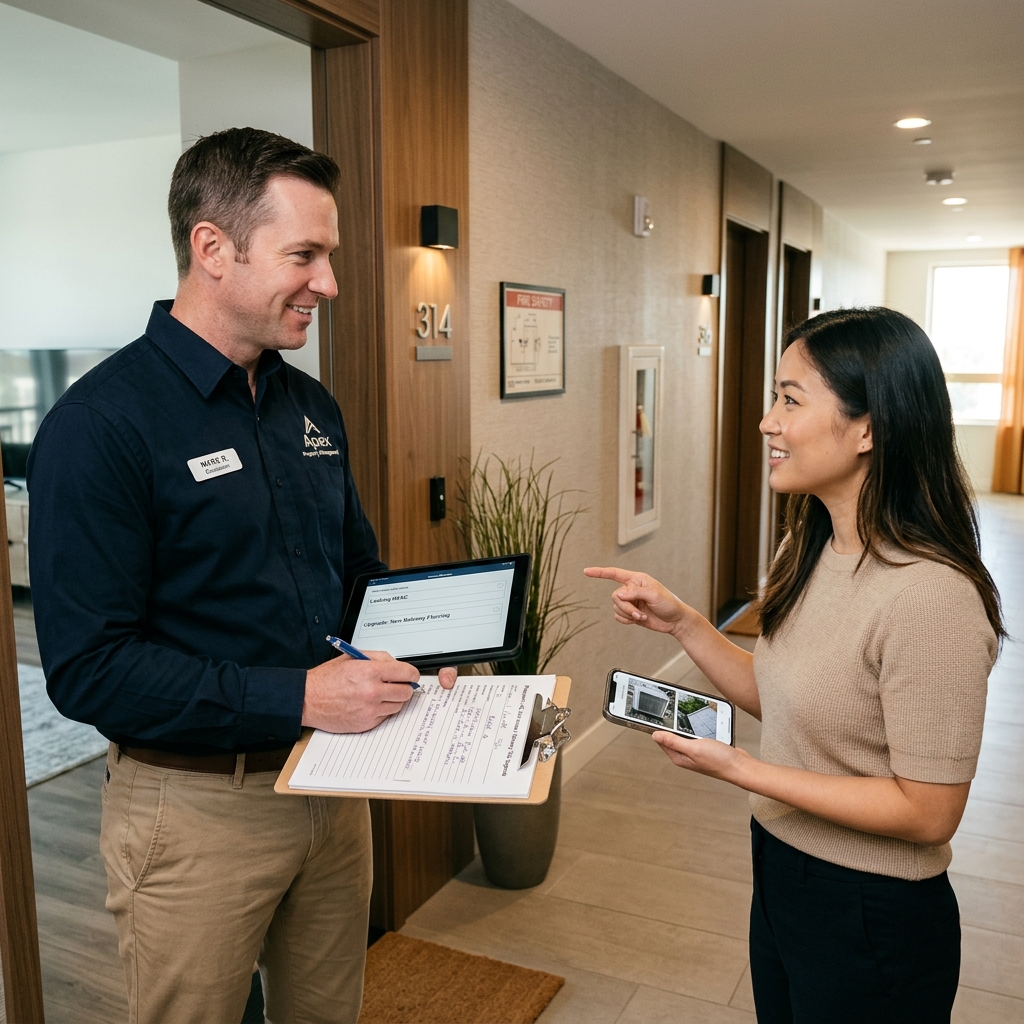
Tenant requests for repairs, maintenance, and upgrades are a core part of managing rental property. How you respond can affect legal compliance, operating costs, and long-term tenant satisfaction. This guide explains how landlords can evaluate different types of requests, meet habitability standards, protect their budget, and maintain good communication.
Understanding Your Core Repair Obligations
Before deciding what to do with any specific request, landlords need to distinguish between legally required repairs and optional improvements. Habitability laws and local housing codes set minimum standards that every rental unit must meet, regardless of what the lease says.
Most states require landlords to maintain basic health and safety conditions, including safe heating, electricity, plumbing, and structural integrity of the unit. Habitability typically covers issues that materially affect the physical health or safety of an ordinary tenant, such as no running water, major leaks, unsafe wiring, or failed heating systems in cold climates.
- Habitability repairs: Must be completed within a reasonable time once the landlord receives notice of the problem.
- Tenant-caused damage: Often the tenant’s financial responsibility, but landlords may still need to coordinate the repair.
- Cosmetic upgrades: Typically voluntary and negotiated, not legally required.
Understanding this framework allows landlords to prioritize urgent work while setting realistic expectations for upgrades that go beyond legal minimums.
Building a Clear Process for Receiving Requests
A consistent process for receiving maintenance and upgrade requests helps landlords respond promptly and document everything for future reference. Many legal guides emphasize that having documentation and good faith efforts to repair are key in resolving disputes.
Preferred Request Channels
Landlords should tell tenants exactly how to submit requests. Typical options include:
- Online maintenance portals or property management software
- Email addresses dedicated to repair requests
- Written forms delivered to the usual rent payment location
- Phone calls followed by written confirmation
Even when the law does not require written notice, having a written record (texts, emails, forms) protects both parties and makes it easier to track response times.
Information Tenants Should Provide
To respond efficiently, landlords can ask tenants to include:
- A clear description of the problem or requested upgrade
- The exact location (room, fixture, system)
- Photos or short videos for complex issues
- When the problem started and whether it is getting worse
- Any temporary steps taken to reduce damage (turning off water, moving furniture, etc.)
Triage: Distinguishing Emergencies, Urgent Repairs, and Routine Issues
Not all requests require the same response time. A triage system helps landlords categorize issues so that serious health and safety risks are handled immediately and less urgent problems are scheduled efficiently.
| Category | Examples | Typical Response Target |
|---|---|---|
| Emergency | Gas leaks, major water floods, no heat in winter, electrical sparks, fire damage | Immediate or same day, with clear instructions to tenant on safety steps |
| Urgent Habitability Issue | Broken toilets in single-bath units, moderate leaks, unsafe stair rails, failed locks | Within a short, reasonable period (often several days), depending on severity and resources |
| Routine Maintenance | Sticking doors, minor appliance issues, cosmetic repairs, worn caulk | Scheduled with other work; reasonable completion time but not immediate |
| Upgrade Requests | New flooring, premium appliances, aesthetic improvements | Handled through negotiation, may be declined, delayed, or tied to rent changes |
Clearly explaining this categorization to tenants reduces frustration and helps them understand why some issues are prioritized over others.
Documenting Every Step of the Repair Process
Strong documentation protects landlords and tenants if there is a disagreement about whether repairs were requested or completed. Several state-specific guides recommend keeping records of notices, communications, inspections, and repairs.
What to Document
- Incoming request: Date, time, tenant name, unit, and summary of the issue
- Initial response: Acknowledgment sent to the tenant, including an estimated time frame
- Vendor or staff assignment: Who will perform the repair and scheduled date
- Access arrangements: Written notice of entry time, if required by local law or lease
- Completion details: What was done, materials used, and whether additional work is needed
- Tenant feedback: Confirmation that the problem is resolved or further issues remain
Maintaining a master maintenance file, along with notes in each tenant’s file, provides a history of recurring issues and helps plan future upgrades.
Working with Vendors and Maintenance Staff
Many landlords rely on outside vendors or maintenance employees for repairs. Properly vetting and managing these workers is essential to protect tenant safety and property condition.
Choosing Qualified Vendors
- Verify licenses or certifications where required (electricians, plumbers, HVAC technicians).
- Confirm insurance coverage and, if necessary, workers’ compensation.
- Check references or prior work history, especially for access to occupied units.
- Provide clear guidelines on communicating with tenants and documenting work.
Coordinating Access to Units
Many local laws require advance written notice before entering a tenant’s unit for non-emergency repairs. Landlords should ensure that:
- Tenants receive proper notice of date and approximate time of entry.
- Vendors do not accept separate repair requests directly from tenants without landlord approval.
- Changes to scheduled appointments are communicated promptly.
Controlling the relationship between tenants and vendors prevents confusion, limits unauthorized work, and keeps cost decisions with the landlord.
Evaluating Tenant Upgrade Requests
Unlike habitability repairs, upgrade requests are usually discretionary. Tenants may ask for renovations, higher-end fixtures, or new amenities. Landlords should evaluate these requests strategically, balancing potential rent increases, property value, and long-term tenant retention.
Factors to Consider
- Impact on rent: Will the upgrade justify a higher rent at renewal or for future tenants?
- Building standards: Does the requested upgrade fit the overall property quality, or will it create inconsistent units?
- Lease terms: Does the lease allow alterations, and who owns improvements at move-out?
- Cost-sharing: Is it reasonable to share costs with the tenant in exchange for long-term commitment?
Possible Responses to Upgrade Requests
- Approve the upgrade and schedule work, potentially aligning it with other planned renovations.
- Offer a compromise solution (mid-range materials or partial improvement).
- Condition approval on a lease extension or rent adjustment.
- Politely decline, explaining that the request is outside current budget or building standards.
Providing a clear written answer, rather than ignoring upgrade requests, maintains transparency and trust even when you cannot grant what the tenant wants.
Setting Tenant Responsibilities for Care and Minor Repairs
While landlords are responsible for habitability, tenants usually have obligations to take care of the unit and avoid causing damage. Official state guides note that tenants must not create health or safety hazards and should notify landlords of serious defects in writing.
Typical Tenant Responsibilities
- Routine cleaning and basic upkeep.
- Promptly reporting leaks, electrical problems, or structural issues.
- Using fixtures and appliances as intended.
- Avoiding damage caused by negligence, guests, or pets.
Leases should clearly state what minor maintenance tenants must handle themselves (such as changing light bulbs or smoke detector batteries) and which repairs are the landlord’s responsibility. Clear terms reduce disputes and make it easier to determine whether a charge should be deducted from the security deposit at move-out.
Responding to Repeated or Frivolous Requests
Some tenants submit frequent requests that may feel excessive or focus on minor cosmetic concerns. While landlords must never ignore legitimate habitability issues, they can manage expectations and protect resources when requests go beyond what the law or lease requires.
Strategies for Managing Difficult Request Patterns
- Clarify standards: Provide written explanations of which repairs are covered as part of rent and which are upgrades.
- Group minor items: Combine non-urgent issues into scheduled visits to reduce costs.
- Document everything: Keep a record of requests, responses, and completed work so you can show you acted reasonably.
- Review lease fit: In rare cases, consider whether an early mutual lease termination is better than ongoing conflict, consistent with local law.
Where tenants raise legitimate concerns about habitability, landlords should avoid any response that might be considered retaliatory. Many state laws prohibit retaliation when tenants assert their legal rights or complain about unsafe conditions.
Preventive Maintenance and Long-Term Planning
Preventive maintenance reduces emergency calls and expensive repairs over time. Guidance from property management sources emphasizes regular inspections, maintenance calendars, and using data to spot recurring problems.
Key Preventive Steps
- Schedule periodic inspections to identify leaks, wear, or safety concerns before they become emergencies.
- Establish a maintenance calendar for HVAC service, roof checks, plumbing inspections, and safety equipment testing.
- Track maintenance requests to identify patterns, such as frequent appliance failures or recurring plumbing issues.
- Plan annual budgets that allocate funds for both essential repairs and strategic upgrades.
Combining responsive repairs with a long-term maintenance plan leads to more predictable costs and fewer sudden crises.
When Tenants Escalate: Inspections and Legal Remedies
If landlords do not address serious habitability issues within a reasonable time after receiving notice, tenants may seek help from local housing agencies or legal services. Some official guides describe steps tenants can take, including contacting building or health departments and documenting ongoing substandard conditions.
How Landlords Can Reduce Legal Risk
- Respond promptly to written notices that describe health and safety defects.
- Make diligent efforts to repair problems that materially affect health or safety, especially when tenants are current on rent.
- Keep evidence of completed repairs, such as invoices, photos, or inspection reports.
- Avoid conduct that could be interpreted as retaliation, such as sudden rent increases or eviction notices following valid complaints.
By showing good faith efforts and maintaining strong documentation, landlords can often resolve disputes before they reach courts or agencies.
SEO-Friendly FAQs: Tenant Maintenance and Upgrades
What repairs are landlords legally required to make?
Landlords must repair problems that affect habitability, including issues that materially impact a tenant’s physical health or safety. This typically covers major plumbing failures, unsafe electrical systems, structural hazards, and lack of essential services such as heat or water. Cosmetic upgrades or minor aesthetic fixes are generally not legally required unless specified in the lease.
How soon should landlords respond to a maintenance request?
Landlords should acknowledge requests quickly and act within a reasonable time, which may vary by state and severity of the problem. Emergencies such as floods or gas leaks require immediate action, while routine maintenance can be scheduled. Some state laws define reasonable time for certain repairs, but the standard often depends on the urgency and available labor and materials.
Can tenants demand upgrades like new appliances or flooring?
Tenants can request upgrades, but landlords are usually not legally required to provide them unless the lease or local ordinances say otherwise. Landlords may agree to upgrades when they align with long-term property plans or when tenants accept changes in rent or lease terms in exchange.
What should landlords do if tenants contact housing authorities?
If tenants involve building or health departments due to unresolved serious defects, inspectors may issue written notices of required repairs. Landlords should cooperate with inspections, promptly complete required work, and keep records of compliance. Proactive communication with tenants can often prevent issues from escalating to this point.
How can landlords minimize disputes over repair responsibilities?
Clear lease provisions, written maintenance procedures, and thorough documentation are the best tools to reduce disputes. Landlords should explain in writing which repairs they handle, which tasks are tenant responsibilities, and how requests should be submitted. Consistent application of these rules, along with good faith efforts to fix legitimate problems, leads to smoother relationships and fewer conflicts.
References
- Requesting Repairs – Landlord/Tenant Law — Texas State Law Library. 2023-05-10. https://guides.sll.texas.gov/landlord-tenant-law/requesting-repairs
- Dealing with Problems — Tenant Responsibility for Repairs — California Department of Real Estate. 2020-04-01. https://www.dre.ca.gov/publications/ResourceGuidebook/gb09_dealingwith.html
- A Guide for Landlords and Tenants — Housing and Urban Development-related local guide (Hibu PDF host). 2019-01-15. https://cdn.websites.hibu.com/f019950b5a4540318b756d890cdded6b/files/uploaded/1.pdf
- How to Get Your Landlord to Make Repairs — Oregon Law Help. 2022-11-30. https://oregonlawhelp.org/topics/housing/rental-housing/repairs-and-safety/how-get-your-landlord-make-repairs
- Key Points of Oregon Landlord Tenant Law — Portland Area Rental Owners Association. 2023-06-01. https://www.paroa.org/post/key-points-of-oregon-landlord-tenant-law-what-every-portland-landlord-should-know
- Tips for Handling Maintenance Requests Quickly and Efficiently — Portland Rental Management. 2023-03-18. https://portlandrentalmanagement.com/tips-for-handling-maintenance-requests-quickly-and-efficiently/
- 10 Things Landlords Need to Know About Handling Repair Requests — American Apartment Owners Association. 2018-07-12. https://american-apartment-owners-association.org/property-management/latest-news/10-things-landlords-need-to-know-about-handling-repair-requests/
Similar Articles








Read full bio of medha deb


