
Resolving Travel Disputes: A Practical Consumer Guide
Learn how to handle airline, hotel, and travel agent problems efficiently, escalate complaints, and protect your rights when trips go wrong.
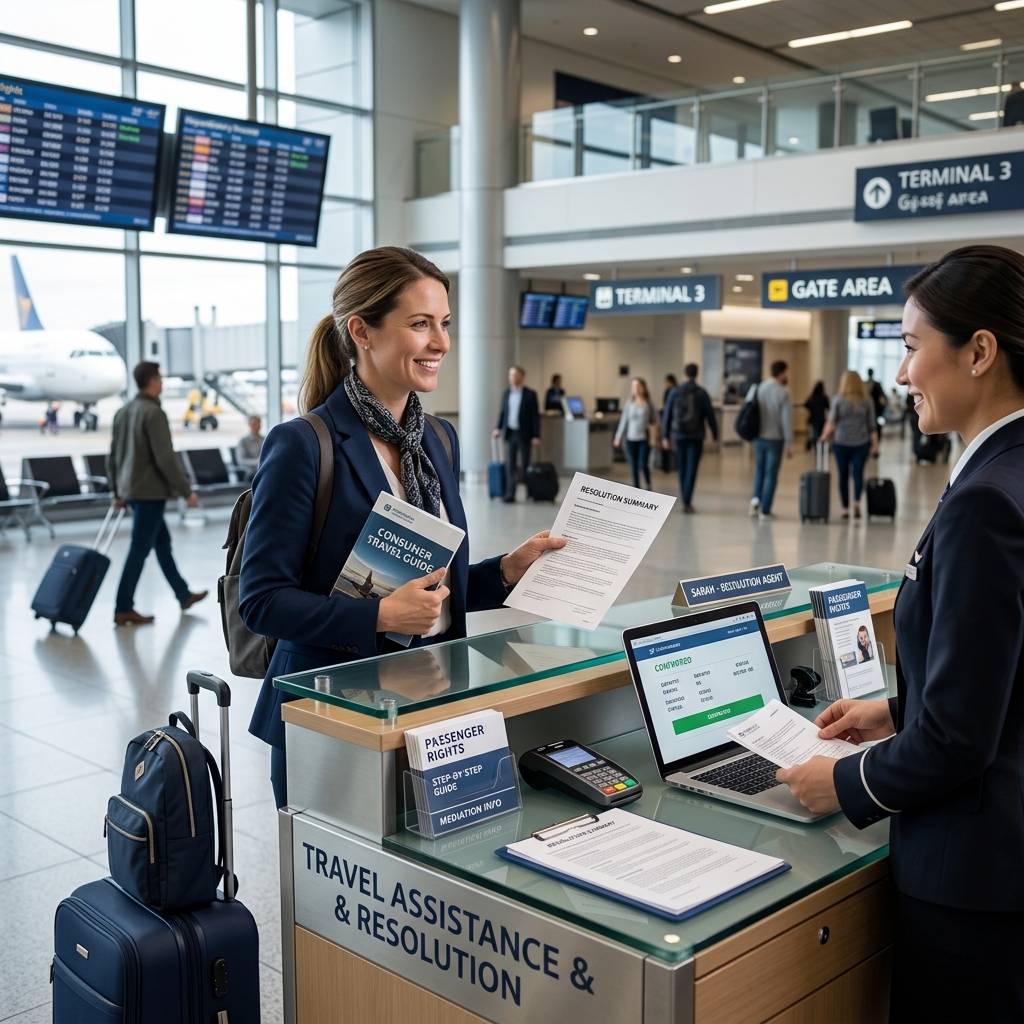
Travel disruptions can turn a long‑awaited trip into a stressful experience, but many common problems are fixable when you know how to use your consumer rights and complaint options effectively. Staying calm, documenting what happened, and following a structured approach will greatly increase your chances of getting refunds, compensation, or another satisfactory solution.
Understanding Typical Travel Disputes
Travel-related disputes can arise with airlines, hotels, cruise lines, car rental companies, and travel agents. While each industry has its own rules, most complaints fall into a few familiar categories.
- Flight disruptions – cancellations, long delays, missed connections, overbooking, or involuntary denial of boarding.
- Baggage issues – lost, delayed, or damaged luggage, and disagreements over compensation limits.
- Accommodation problems – overbooking, unsanitary rooms, misleading descriptions, or hidden fees.
- Package and tour disputes – changes to itinerary, cancellation of excursions, or failure to provide services advertised.
- Travel agent conflicts – booking errors, undisclosed restrictions, or failure to follow contractual obligations.
Each type of dispute may be covered by different laws or industry rules, but the general strategy—try to resolve the issue directly, then escalate when necessary—remains similar.
Core Principles for Handling Travel Complaints
Before diving into specific steps for airlines, hotels, or agents, it helps to follow a set of general principles. These apply to almost every travel dispute, regardless of where you are or which company you are dealing with.
Stay Professional and Focused
Emotions can run high when plans fall apart, but a calm, respectful tone usually leads to better results. Keeping your cool helps staff feel more comfortable working with you and increases the likelihood of a constructive solution.
- Speak clearly about the problem without raising your voice.
- Avoid personal attacks; focus on the facts and the impact on your travel plans.
- Give staff time to respond and listen actively instead of planning your next argument.
Prepare Documentation Early
Evidence is crucial in travel disputes. Companies and regulators rely heavily on written records and proof when deciding what remedy is appropriate.
- Keep digital and paper copies of itineraries, boarding passes, and booking confirmations.
- Store receipts for flights, hotels, tours, and any emergency expenses you incur because of the disruption.
- Save emails, chat logs, screenshots from apps, and notes of phone calls, including dates and names of representatives.
Know the Rules and Your Rights
Many travellers miss out on compensation because they accept a quick answer without checking the underlying policy or law. Understanding the basics of your rights helps you push back appropriately.
- Review the company’s terms and conditions for cancellations, delays, and refunds.
- Look up official government guidance on travel complaints and passenger rights, such as national consumer agencies or transport regulators.
- Confirm whether special protections apply, such as air passenger rights or package travel rules in your region.
Step‑by‑Step Process for Resolving Travel Disputes
Although every situation is different, most travel disputes can be approached using the following sequence: internal complaint, escalation, external assistance, and—if necessary—legal action.
1. Address the Problem Directly With the Provider
Your first step should almost always be to raise the issue with the company responsible—airline desk agents, hotel front desk staff, tour operator representatives, or customer support channels. Many problems can be resolved on the spot.
- Contact customer service as soon as you notice the problem, preferably while you are still traveling.
- Explain what went wrong and how it affects your trip (missed connections, extra costs, lost vacation time, etc.).
- Be explicit about the remedy you are seeking, such as rerouting, room change, refund, or credit.
2. Make a Formal Written Complaint
If frontline staff cannot help, move to a formal written complaint through email, web forms, or postal mail. Written complaints create a record that can be used later if you need to escalate or seek legal support.
- Include your booking reference, dates of travel, and a short timeline of events.
- Attach copies of tickets, receipts, photos, and previous correspondence.
- State clearly what outcome you consider fair—specific amounts, a rebooking, or other compensation.
3. Escalate Within the Company
When initial complaints do not produce a satisfactory response, escalate internally before turning to regulators or courts. Larger companies often have dedicated complaint teams trained to resolve complex situations.
- Ask to speak to a supervisor or manager and reference your previous complaint number.
- Use corporate customer care channels rather than only local offices.
- Consider respectful public posts on social media to draw attention to unresolved issues; many companies monitor these closely.
4. Seek Help From Official Agencies and Ombuds Services
If the provider still refuses to act or does not respond, you may be able to use government complaint systems or independent dispute resolution bodies. These channels are especially well developed for air travel and financial matters.
| Type of Issue | Typical External Body | Key Role |
|---|---|---|
| Airline service problems | National aviation consumer protection office or transport regulator | Investigates complaints, enforces passenger rights, may prompt airline response. |
| General travel and consumer disputes | Consumer protection agencies or ombudsmen | Receives complaints, informs consumers of rights, may act against unfair practices. |
| Disputes suitable for ADR | Alternative dispute resolution (ADR) bodies such as arbitrators or mediators | Provides a structured but less formal process instead of going to court. |
Many countries encourage consumers to use ADR for travel disputes because it is usually faster and cheaper than litigation, and decisions can be binding under certain conditions.
5. Consider Legal Options When Other Routes Fail
If internal complaints, regulators, and ADR do not resolve the matter, or if your loss is significant, you may need to seek legal advice. Travel law attorneys can explain relevant statutes, limitation periods, and the strength of your claim.
- Consult a lawyer experienced in travel or consumer law when large sums, serious inconvenience, or personal injury are involved.
- Ask about small claims procedures, which may offer simplified paths for lower-value disputes.
- Use legal help to evaluate settlement offers and draft formal letters demanding compliance with your rights.
Special Focus: Airline Disputes and Passenger Rights
Air travel generates a large share of travel complaints. Many jurisdictions have dedicated rules and complaint channels for air passengers, making it especially important to understand your available protections.
Documenting Flight Problems
For flight delays, cancellations, or lost baggage, documentation is crucial. Regulators and airlines often require proof before granting compensation.
- Keep all boarding passes and itineraries, even after your trip.
- Note the exact departure and arrival times if your flight was delayed.
- Obtain written confirmation of cancellations or denial of boarding from airline staff when possible.
- For baggage issues, file a written report with the airline immediately and keep a copy for your records.
Using Aviation Consumer Complaint Systems
In some countries, you can file complaints about air travel directly with government aviation consumer protection offices. These offices collect data on airline behavior and may help encourage a response.
- Submit online complaint forms supplied by aviation consumer protection divisions and attach all relevant documents.
- Describe your issue clearly—cancellation, denied boarding, baggage loss—and the remedy you seek.
- Keep copies of the submitted forms and any reference numbers for later follow‑up.
Exploring ADR for Air Passengers
Alternative dispute resolution can be an efficient way to settle disputes between travellers and airlines or tour providers without a full court case. In many regions, ADR outcomes are enforceable under defined conditions.
- Check whether the airline subscribes to specific ADR schemes mentioned in its terms and conditions or on regulator websites.
- Verify time limits for submitting ADR complaints; some systems require applications within 12–18 months of the trip.
- Understand whether the ADR decision will be binding on the company and what enforcement options exist.
Dealing With Travel Agent and Package Tour Conflicts
When disputes involve travel agents or package tour operators, the issue often concerns contract performance—whether the company delivered what was promised. In such cases, contract and consumer protection rules are particularly important.
Identifying Potential Contract Breaches
You may be entitled to a refund or other remedy if the travel agent or tour operator fails to provide services that were included in your agreement.
- Compare the original itinerary and service description with what was actually provided during the trip.
- Note any dropped destinations, downgraded accommodations, or changes made without your consent.
- Gather advertising and promotional materials if they formed part of the package you purchased.
Escalating Agent Disputes
If you cannot resolve the matter with the local office, contact the agent’s corporate customer service channels. When that fails, complaint options may include consumer protection agencies or industry bodies, depending on your jurisdiction.
- Write to the corporate office detailing the breach and your requested remedy.
- File a complaint with relevant consumer agencies or ombuds offices if the company does not respond or refuses to act.
- Consider ADR or small claims procedures for unresolved package tour disputes.
Best Practices for Maximizing Your Chance of Success
Beyond formal complaint routes, there are practical habits that make your case more persuasive and easier to resolve.
Keep a Travel Dispute Checklist
A simple checklist can help you stay organized during a stressful situation.
- Record key dates: booking, departure, incident, complaint submission.
- Track who you spoke with and what they promised, including reference numbers.
- Keep copies of every message and receipt in one digital folder for quick access.
Accept Reasonable Compromises
Not every dispute will result in a full refund or ideal outcome. However, mutually acceptable compromises can save time and stress.
- Assess whether alternative offers (credits, rebooking, partial refunds) reasonably address your loss.
- Avoid agreeing to a solution that leaves you clearly dissatisfied, as it can be harder to reopen the dispute later.
- Confirm all settlement terms in writing and store them with your other travel records.
When to Walk Away or Seek Further Help
If negotiations stall or the proposed compromise is clearly unfair, it may be time to escalate or consult a professional.
- Move from internal complaints to regulators or ADR when the company refuses to engage constructively.
- Seek legal advice before accepting or rejecting significant settlement offers.
- Consider the cost, time, and stress of further action compared to the value of your claim.
Frequently Asked Questions (FAQs)
What should I do first when my flight is suddenly cancelled?
Immediately contact the airline’s customer service—online, at the airport desk, or via phone—and ask about rebooking, refunds, or compensation options. Check the airline’s contract of carriage and any applicable passenger rights rules to understand what you are entitled to.
Is it worth filing a complaint with a government agency?
Yes, especially for air travel. Aviation consumer protection offices and general government complaint systems help ensure that companies follow regulations and often encourage them to respond more seriously to unresolved issues. While these bodies may not guarantee compensation, they can strengthen your position and contribute to broader enforcement efforts.
How long do I have to bring a travel dispute to ADR or regulators?
Time limits vary by jurisdiction and type of complaint. For some ADR schemes in travel, there may be deadlines such as 12 or 18 months from your trip or from reaching deadlock with the company. Always check the specific rules of the ADR body or regulator you plan to use and act as early as possible.
Can I handle a travel dispute on my own, or do I need a lawyer?
Most routine disputes with airlines, hotels, or tour operators can be managed without a lawyer using internal complaints, regulators, or ADR. However, if you suffered large financial losses, serious inconvenience, or personal injury, or if the legal issues are complex, consulting a travel law attorney can help you understand your options and avoid procedural mistakes.
What kinds of evidence are most important in travel complaints?
Key evidence includes booking confirmations, boarding passes, receipts, written communications with the provider, photos of problems, and any official reports filed at the time of the incident. Organizing these documents and presenting them clearly in your complaint significantly increases the chance of a favorable outcome.
References
- Complaints about travel — USAGov. 2024-03-01. https://www.usa.gov/travel-complaints
- OACP Consumer Complaint Form — U.S. Department of Transportation, Office of Aviation Consumer Protection. 2023-11-15. https://airconsumer.dot.gov/consumer/s/oacp-form
- Air Passenger Rights: Settling Disputes — European Consumer Centre Network (ECC-Net). 2022-09-01. https://www.eccnet.eu/publication/air-passenger-rights-settling-disputes
- How do I pursue my rights against a travel company? — Travellaw Quarterly. 2020-07-01. https://www.travellawquarterly.co.uk/wp-content/uploads/2020/07/How-to-pursue-your-rights-agains-a-travel-company.pdf
- Travel Law – Consumer Attorneys — Ginsburg Law Group, PC. 2024-01-10. https://ginsburglawgroup.com/travellaw/
Similar Articles








Read full bio of Sneha Tete


