
Resolving Legal Disputes Over Neighbor Trees
Understand your rights, responsibilities, and legal options when trees on or near property boundaries lead to neighbor conflicts.
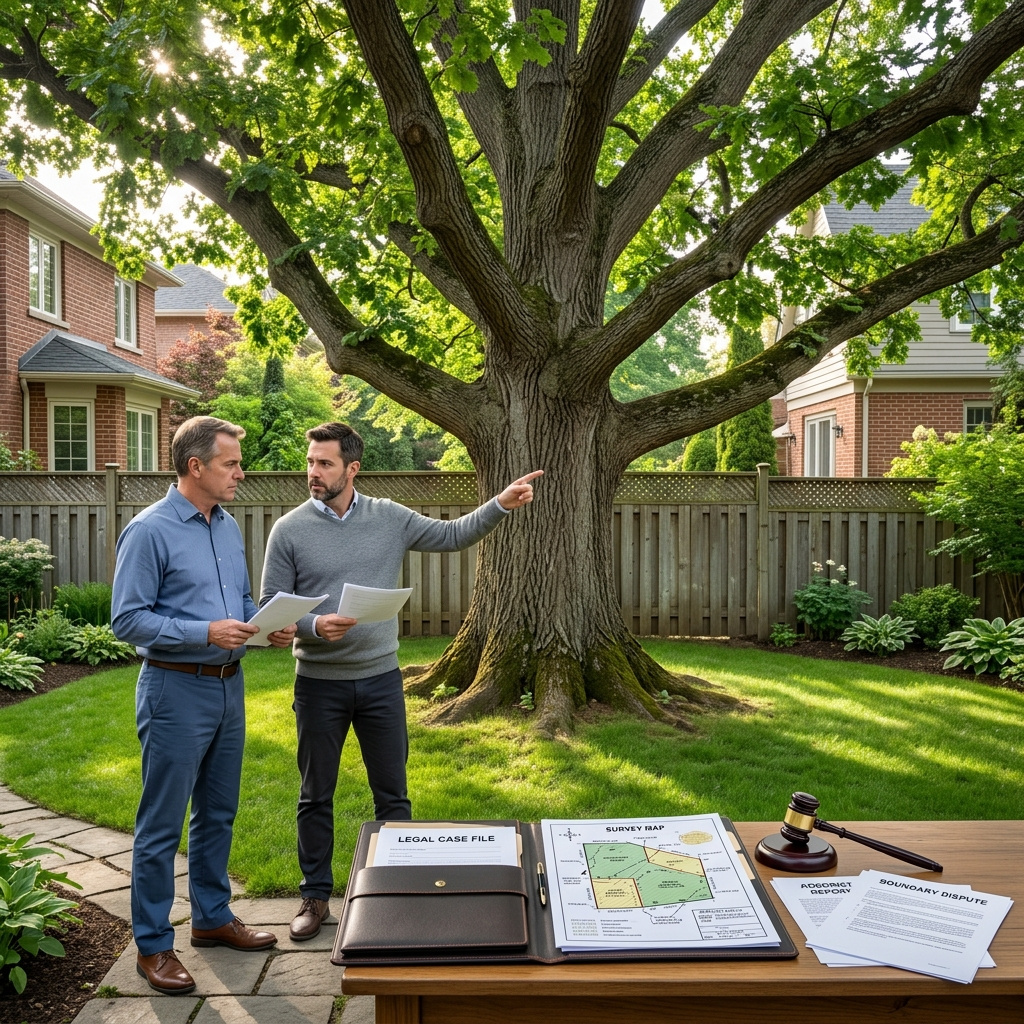
Trees add shade, beauty, and privacy to residential properties, but they also generate a surprising number of legal disputes between neighbors. Conflicts often arise when branches or roots cross property lines, trees cause damage, or one neighbor removes a tree that the other values. Understanding how the law treats trees can help you protect your property while avoiding costly litigation.
This guide explains core legal principles around trees and neighbor relations, outlines practical steps for resolving conflicts, and highlights when you may need legal advice or court intervention. Because tree law varies by state, the rules described here are general; always check local statutes or consult a qualified attorney for advice in your jurisdiction.
Who Owns a Tree? Basic Legal Principles
Ownership is the starting point for any legal analysis involving trees. In most U.S. jurisdictions, the person who owns the land where the tree trunk is located owns the tree. That ownership carries both rights and responsibilities.
| Tree Location | Who Owns the Tree? | Key Legal Implications |
|---|---|---|
| Trunk entirely on Neighbor A’s property | Neighbor A | Neighbor B may trim encroaching branches/roots only up to the property line and must avoid harming the tree. |
| Trunk entirely on Neighbor B’s property | Neighbor B | Neighbor A cannot remove or materially damage the tree without Neighbor B’s consent. |
| Trunk straddling the boundary line | Generally both neighbors (boundary tree) | Each co-owner typically must consent before the tree is removed; unauthorized removal may lead to damages. |
These principles are important because they determine who can make major decisions about pruning or removal, and who can be held liable if the tree causes damage or nuisance.
Encroaching Branches and Roots: Your Right to Trim
One of the most common neighbor disputes involves branches or roots that cross the property line and interfere with the neighbor’s use of their land. The general rule in many states is that a landowner has the right to trim branches and roots that extend onto their property, even if the tree is owned by the neighbor.
Typical Rules for Trimming Encroachment
- Trim only to the property line: Your right usually extends to cutting branches or roots back to your boundary, but not beyond it into the neighbor’s side.
- Do not injure or kill the tree: If your trimming is excessive and causes serious harm or death to the tree, you may be liable for damages.
- Permission to enter neighbor’s land: If you need to go onto your neighbor’s property to perform work, you generally must obtain their consent unless there is an imminent threat of harm.
- Paying for trimming: Typically, the neighbor choosing to trim must pay for the work, not the tree owner.
Some states recognize a right to sue if encroaching branches or roots cause serious harm, such as structural damage to buildings or underground pipes. In those cases, the court may order the tree owner to trim or otherwise address the nuisance.
Boundary Trees: Shared Ownership and Shared Responsibilities
When a tree trunk sits directly on the boundary line between two parcels, it is commonly treated as a boundary tree owned jointly by both neighbors. Boundary trees can offer shared benefits, but they also raise legal complexities.
Key Features of Boundary Tree Law
- Joint ownership: Each neighbor generally holds an ownership interest in the tree and shares responsibility for its care.
- Consent for removal: Removing a boundary tree normally requires consent from all co-owners. Unilateral removal can lead to liability for damages.
- Maintenance duties: Both neighbors may be responsible for reasonable maintenance to prevent the tree from becoming hazardous, depending on local law.
- Cost sharing: Some associations or agreements may specify how costs for pruning or removal are divided; otherwise, neighbors must negotiate or seek legal remedies.
Because boundary trees involve shared rights, cooperative approaches are often essential. When discussion fails, mediation or a written agreement can help clarify expectations.
Dangerous Trees and Nuisance Claims
Not every tree that overhangs a property is legally problematic, but a tree can become a legal nuisance if it substantially interferes with a neighbor’s use and enjoyment of their land. Examples include trees that are dead or diseased and likely to fall, or roots causing ongoing structural damage.
When a Tree Becomes a Legal Nuisance
- The tree poses a foreseeable risk of physical damage, such as falling on a house or vehicle.
- Roots or branches cause continuing harm—like cracking foundations, damaging fences, or intruding into sewer lines.
- The tree repeatedly interferes with normal use of the property, beyond ordinary inconveniences like leaves or shade.
In many jurisdictions, if a tree constitutes a nuisance, the affected neighbor may ask a court to order the tree owner to trim, remove, or otherwise remedy the situation. Courts can grant injunctive relief—an order directing specific action—and may also award monetary damages for losses already incurred.
Liability for Damage Caused by Trees
Liability usually turns on whether the tree owner acted reasonably and whether the damage was foreseeable. A healthy tree that falls during an extraordinary storm may be treated as an unavoidable accident, but failing to address an obviously compromised tree can lead to legal responsibility.
Common Liability Situations
- Negligence in maintenance: If a tree owner knows or should know that a tree is dangerous (for example, diseased or leaning) and does nothing, they may be liable if the tree later causes damage.
- Continuing nuisance: Ongoing root intrusion or overhanging limbs that repeatedly damage structures may support a claim for nuisance and damages.
- Unauthorized removal or destruction: Removing or seriously injuring a tree on someone else’s property (or a boundary tree) without consent typically makes the actor liable for the owner’s losses.
Some laws and court decisions allow recovery of not only the cost of replacement, but also the value of the tree as part of the property or landscape. In appropriate cases, damages may include repair costs, loss of shade or privacy, reduction in property value, and cleanup expenses.
Steps to Resolve a Neighbor Tree Dispute
Most tree conflicts can be resolved without going to court. A structured, step‑by‑step approach balances legal rights with the practical importance of maintaining good neighbor relationships.
1. Document the Problem
- Take photos and videos showing encroaching branches or roots, damage, and property lines.
- Keep records of dates when you noticed issues, such as falling limbs or blocked sunlight.
- Collect any relevant surveys, deeds, or homeowners’ association (HOA) rules.
2. Review Local Rules and HOA Documents
- Check state or municipal guidelines about tree responsibility and neighbor rights, often available through state law libraries or government websites.
- If you live in a community with an HOA, review any landscaping or tree-related provisions; violations may require the neighbor to trim or remove trees at their own expense.
3. Communicate with Your Neighbor
- Start with a calm, in‑person conversation explaining your concerns and suggesting potential solutions.
- If needed, follow up with a respectful written letter documenting the issue and your request. This can become important evidence if the dispute escalates.
- Avoid accusatory language; focus on the specific problem and the impact on your property.
4. Consider Mediation or Neutral Expertise
- Mediation services—sometimes offered by local courts or community programs—can help neighbors reach agreement without litigation.
- Consult a certified arborist to evaluate the health and risk level of the tree. A written report can guide decisions and support any legal claim.
5. Use Self‑Help Trimming Carefully
- If your jurisdiction allows, you may trim encroaching branches and roots up to the property line, at your own expense, as long as you act reasonably and do not damage the tree.
- Hire qualified professionals when dealing with large or high‑risk trees to reduce the chance of injury or unintended damage.
6. Seek Legal Remedies When Necessary
- If the tree poses a serious hazard, causes significant damage, or your neighbor refuses reasonable requests, consult a real estate or property lawyer.
- Depending on the facts, legal options may include:
- Filing a nuisance claim seeking an order that the neighbor trim or remove the tree.
- Seeking an injunction to stop continued damage.
- Bringing a claim for negligence and property damage, potentially in small claims court if the amount is modest.
Costs, Damages, and Small Claims Court
Tree disputes often involve money—either the cost of trimming and removal or compensation for damage. Understanding who pays and how to recover losses is essential.
Who Typically Pays?
- Voluntary trimming by the annoyed neighbor: Usually paid by the neighbor who decides to trim.
- HOA‑mandated compliance: If the neighbor’s tree violates association rules, they may have to pay for trimming or removal to comply.
- Court‑ordered relief: Where damage or nuisance is proven, courts may order the tree owner to pay for corrective work and property repairs.
For relatively small amounts, such as modest repair bills or trimming costs, small claims court can be a faster, more accessible forum. You will need evidence like photos, estimates, invoices, and copies of communications with your neighbor.
Preventing Future Tree Conflicts
Proactive planning can reduce the likelihood of tree‑related legal disputes and preserve neighborly goodwill.
- Choose appropriate species: Avoid fast‑growing, invasive, or structurally weak trees near property lines and structures.
- Schedule regular inspections: Have trees assessed periodically by professionals, especially after storms or when signs of disease appear.
- Maintain clear communication: Discuss major planting or removal plans with neighbors in advance and consider written agreements about shared trees.
- Review local codes: Some municipalities or states have specific requirements for tree maintenance or protections that may affect your decisions.
FAQs About Neighbor Tree Disputes
Can I cut down my neighbor’s tree if it blocks my view?
No. If the trunk is entirely on your neighbor’s property, the tree belongs to them, and you cannot remove it without their permission. Your rights generally extend only to trimming encroaching branches or roots up to the property line, and even then you must avoid substantially harming the tree.
Am I allowed to trim branches that hang over my yard?
In many states you may trim branches and limbs that extend onto your property, but only up to the boundary line. The trimming must be reasonable and not so severe that it injures or kills the tree, or you could face liability.
Who owns a tree that sits directly on the property line?
A tree whose trunk is on the boundary line is often considered a boundary tree, jointly owned by both neighbors. As co‑owners, they generally must agree before the tree is removed, and unilateral removal can lead to a claim for damages.
What if my neighbor’s tree falls and damages my property?
Liability depends on whether the neighbor was negligent. If the tree was healthy and fell due to an extraordinary storm, it may be treated as an accident. If the tree was clearly hazardous and the neighbor ignored the risk, you may be able to seek compensation for damage through a negligence or nuisance claim.
Do I need a lawyer to handle a tree dispute?
Not always. Many issues can be resolved through communication, self‑help trimming, or mediation. However, if there is significant damage, a clearly dangerous tree, or an uncooperative neighbor, consulting a lawyer experienced in real estate or property disputes can help you understand your rights and potential remedies.
References
- Tree Law in Pennsylvania — WeConservePA. 2018-06-01. https://library.weconservepa.org/guides/197-tree-law-in-pennsylvania
- Conflicts Involving Trees and Neighbors FAQ — FindLaw. 2023-03-15. https://www.findlaw.com/realestate/neighbors/conflicts-involving-trees-and-neighbors.html
- Trees – Neighbor Law — Texas State Law Library. 2024-02-20. https://guides.sll.texas.gov/neighbor-law/trees
- Massachusetts Law About Neighbors and Trees — Mass.gov. 2022-10-10. https://www.mass.gov/info-details/massachusetts-law-about-neighbors-and-trees
- Your Trees and the Law — Woodland Tree Service. 2021-05-12. https://www.woodlandtree.com/terrans-tips/posts/your-trees-and-the-law
- What Can You Legally Do About Neighbor Disputes Over Trees? — Super Lawyers. 2024-04-05. https://www.superlawyers.com/resources/real-estate/real-estate-disputes/what-can-you-legally-do-about-neighbor-disputes-over-trees/
- Trees, Neighbors, & the Law — Texas State Law Library (Neighbor Law Guide). 2024-02-20. https://guides.sll.texas.gov/neighbor-law
Similar Articles








Read full bio of Sneha Tete


