
Reporting Wage and Hour Violations Under U.S. Labor Law
Learn how to recognize wage and hour violations and take effective steps to report them and protect your rights at work.
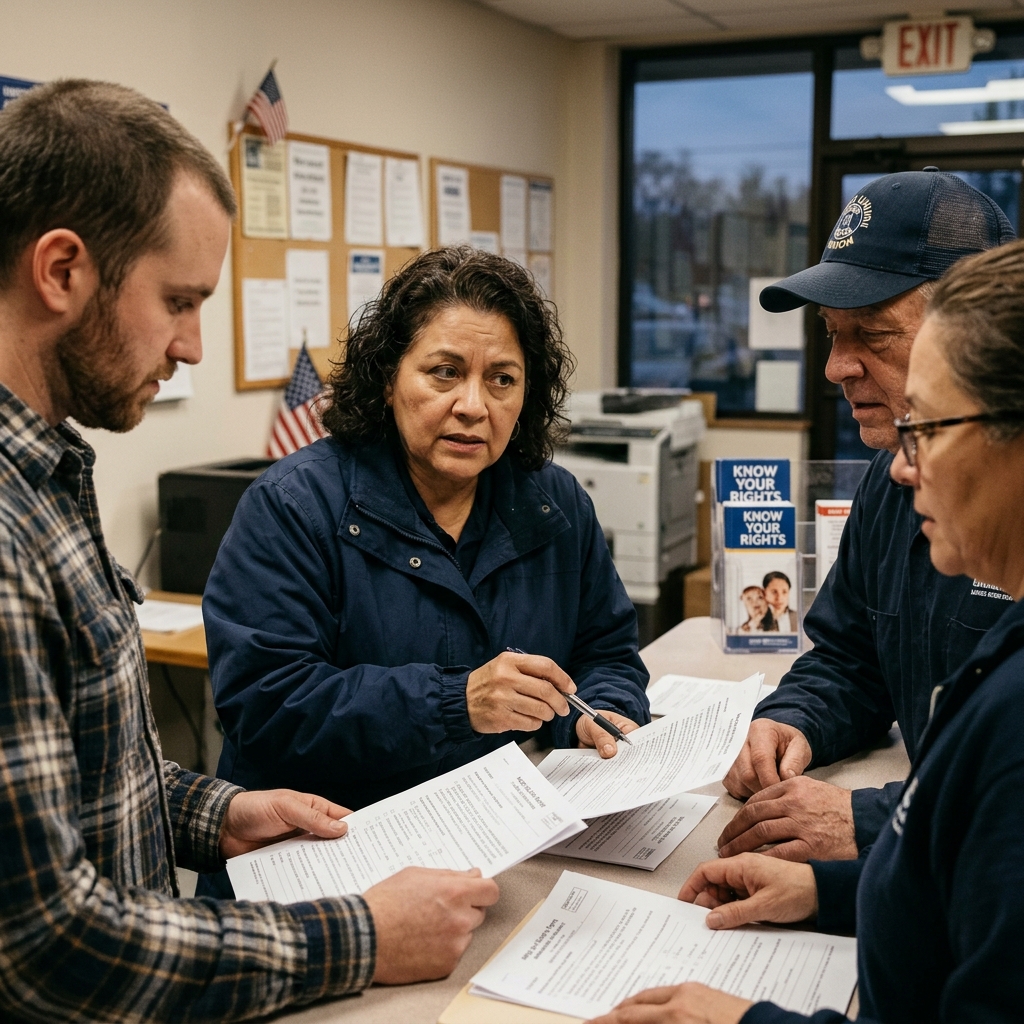
Wage and hour laws exist to ensure workers are paid fairly and on time for the work they perform. When employers fail to follow these rules, employees may be entitled to recover unpaid wages and other remedies by filing a formal complaint with government agencies. This guide explains what wage and hour violations are, how to prepare a strong report, and the options available for seeking enforcement of your rights.
Understanding Wage and Hour Rights
In the United States, most basic wage and hour protections are set by the Fair Labor Standards Act (FLSA), which establishes rules for minimum wage, overtime pay, and child labor for covered employees. State laws often add additional protections or higher minimum wage rates.
Common wage and hour rules include:
- Minimum wage requirements for most non-exempt workers.
- Overtime pay of at least one and one-half times the regular rate for hours worked over 40 in a workweek, for non-exempt employees.
- Timely payment of wages after the end of a pay period, as required by many state laws.
- Limits on hours and types of work for minors under child labor rules.
Employers must also keep accurate records of hours worked and wages paid, and they may not retaliate against workers for asserting their legal rights.
Examples of Wage and Hour Violations
Wage and hour violations can take many forms. Recognizing them is the first step toward reporting and correcting unfair practices.
- Failure to pay minimum wage: Paying less than the federal or applicable state minimum wage for all hours worked.
- Unpaid overtime: Not paying time-and-a-half for eligible hours worked beyond 40 in a workweek.
- Off-the-clock work: Requiring employees to work before clocking in or after clocking out without compensation.
- Illegal deductions: Deducting costs such as uniforms or equipment in ways that bring pay below minimum wage, contrary to law.
- Misclassification: Treating employees as independent contractors or exempt from overtime when they do not meet legal criteria.
- Delayed payment of wages: Failing to pay wages within the time limits set by state law.
- Child labor violations: Employing minors in prohibited jobs or exceeding permitted work hours.
Some issues, like unpaid sick leave or holiday pay, may only be enforceable if clearly promised in official employer documents, such as handbooks or written policies, depending on state law.
Federal vs. State Enforcement: Who Handles Complaints?
Depending on the type of violation, you may be able to file a complaint with federal or state authorities, or both. Understanding which agency has jurisdiction helps you choose the most effective route.
| Level | Agency | Typical Issues | Key Points |
|---|---|---|---|
| Federal | U.S. Department of Labor, Wage and Hour Division (WHD) | Minimum wage, overtime, child labor, certain leave and recordkeeping under federal law. | Handles complaints under FLSA; can investigate, seek back wages, and enforce compliance. |
| State | State labor or workforce agencies (e.g., California Labor Commissioner, New Jersey Wage & Hour Compliance). | State minimum wage, state overtime rules, wage payment timing, some local wage theft issues. | Procedures and deadlines vary by state; some states have specific online portals and forms. |
Workers often have the option to report violations to both federal and state agencies when the conduct violates multiple laws. Some states also have county or city-level offices responsible for enforcing local wage ordinances.
Preparing to File: Information You Should Gather
A clear and detailed complaint is more likely to lead to a thorough investigation and recovery of back wages. Federal and state agencies commonly ask for specific information about the worker, employer, job, and alleged violations.
Essential Details About You and Your Job
- Your contact information: Name, address, phone number, and email so investigators can follow up.
- Work location: Where you performed the work, especially if your employer operates in multiple states.
- Job title and duties: Description of your role, typical tasks, and level of responsibility.
- Dates of employment: When you started working and, if applicable, when the job ended.
Information About Your Employer
- Employer name and trade name (if different).
- Business address, phone number, and website (if known).
- Type of business (for example, restaurant, construction, retail).
- Names of supervisors or managers associated with the violations.
Evidence of Pay Practices and Violations
Agencies often rely on documents and firsthand accounts to prove a wage claim. Helpful items include pay records and evidence showing what actually happened.
- Pay stubs showing hours worked, pay rate, deductions, and total pay.
- Timesheets or logs you kept of hours worked, including off-the-clock time.
- Copies of checks or pay envelopes or proof of direct deposit.
- Written agreements, offer letters, or employment contracts.
- Employee handbook or policies describing pay practices, breaks, and overtime.
- Emails, text messages, or other communications related to schedules, pay, or complaints.
- Statements from coworkers or witnesses to unpaid work or wage practices.
Agencies may also find calendars, transportation receipts, or diaries helpful in corroborating work hours and related costs.
How to File a Wage and Hour Complaint
Most agencies offer several ways to file a complaint, including by phone, online, in person, or by mail. The right option depends on your location, access to technology, and whether you are seeking back wages or reporting broader violations.
Filing with the U.S. Department of Labor (WHD)
Workers covered by the FLSA can report violations to the Wage and Hour Division by phone or by contacting a local office.
- Call the toll-free WHD number: Workers can reach the WHD at a national hotline to ask questions and start the complaint process.
- Visit or contact a local WHD office: You can file a complaint by mail or in person with the nearest office.
- Confidential complaints: WHD generally keeps complaints confidential and does not disclose your identity without your permission, except when necessary for enforcement.
- Third-party complaints: Family members, advocates, or other third parties may file on behalf of a worker who has been denied proper wages.
Once WHD receives enough information, it decides whether to open an investigation. If back wages are owed, investigators may request payment on behalf of employees and seek changes in employer practices.
Reporting Violations to State Labor Agencies
Many states have dedicated wage and hour units or labor commissioners that handle complaints involving state law violations, such as unpaid wages under state minimum wage or wage payment statutes.
Common methods include:
- Online complaint portals: Several states, such as New Jersey and Pennsylvania, provide online forms that workers can complete and submit electronically.
- PDF or paper forms: Workers may download, fill out, and mail or fax complaint forms to the appropriate state office.
- In-person submissions: Some agencies accept forms at local offices or allow staff to assist with filing.
- Language access: Many state forms and instructions are available in multiple languages to assist non-English speakers.
In certain states, if the work occurred in a specific city or county with its own wage ordinances, complaints must be filed with a local agency rather than the state labor department.
Deadlines and Time Limits for Filing
Wage and hour claims are subject to strict filing deadlines, known as statutes of limitations. Filing as early as possible can help preserve your rights and make it easier to gather evidence.
Federal Time Limits Under the FLSA
- Two-year limit for most non-willful violations of the FLSA.
- Three-year limit when the employer’s violation is willful, meaning it knew or showed reckless disregard for its legal obligations.
Federal officials often recommend filing a complaint sooner rather than later because delays can make it harder to collect documents and reach witnesses.
Typical State Law Deadlines
State statutes of limitations vary, and specific time limits depend on whether the claim is based on a contract or on a law imposing wage obligations.
For example, one state labor agency identifies deadlines like:
- Reports based on oral agreements may need to be filed within around two years of the violation.
- Reports based on written contracts may allow a longer period, such as four years.
- Reports where a law or regulation creates liability, such as minimum wage or overtime statutes, may require filing within about three years.
Because these limits vary by location and type of claim, checking current instructions posted by your state labor agency is important before filing.
What Happens After You File a Complaint?
Once a complaint is submitted, the agency reviews your information and decides whether to open an investigation. The process generally includes several stages, and outcomes can include recovery of back wages, changes in employer practices, and, in some cases, penalties.
Initial Review and Requests for More Information
- The agency reviews the complaint for completeness and jurisdiction.
- If important details are missing, investigators may contact you to request more information or supporting documents.
- In some systems, online forms must be completed within a set time to avoid timeout, so having information ready is helpful.
Investigation and Employer Contact
- Investigators may contact the employer, review payroll records, interview workers, and examine policies to assess whether violations occurred.
- Agencies typically meet with both workers and employers to clarify work schedules, pay rates, and job duties.
Potential Outcomes
- Back wages: If unpaid wages are identified, investigators can seek payment of back wages to affected workers.
- Corrective actions: Employers may be required to adjust pay practices, maintain proper records, or change policies.
- Civil penalties: For some violations, agencies can impose penalties, particularly for repeated or willful wage theft.
- No violation findings: If evidence does not support the complaint, the agency may close the case.
Throughout the process, you may be asked for additional documentation or clarification. Keeping organized records can make this easier.
Protecting Yourself When Reporting Violations
Workers often worry about retaliation, such as being fired or disciplined for reporting violations. Federal and state laws prohibit employers from retaliating against employees for asserting their wage rights or cooperating in investigations.
Steps to protect yourself include:
- Understanding that complaining to government agencies about wages is protected activity under federal law.
- Keeping copies of complaint forms, emails, or texts related to your report.
- Documenting any negative treatment after you raise wage issues, including dates and details.
- Seeking legal advice promptly if you suspect retaliation.
Because many complaints are confidential, agencies often take measures to avoid revealing the identity of the workers who reported violations unless necessary for enforcement.
Practical Tips for a Strong Wage Complaint
Careful preparation can improve the clarity and effectiveness of your complaint. State guidance often emphasizes accuracy, completeness, and reliable evidence.
- Be precise about dates and times: List specific pay periods, workweeks, and dates when violations occurred.
- Calculate unpaid wages: If possible, prepare a simple spreadsheet showing hours worked, pay received, and amounts owed.
- Include only relevant violations: When using checklists on online forms, select only the violations that apply to you based on explanations provided.
- Provide firsthand information: Agencies rely on direct knowledge, not speculation or rumors.
- Organize your documents: Group pay stubs, timesheets, and communications to make review easier.
- Seek help from trusted advocates: Community organizations, legal aid groups, or unions can assist with filing and may submit complaints on your behalf.
Frequently Asked Questions
Are wage and hour complaints anonymous?
Complaints to federal and many state agencies are generally treated as confidential, and agencies try not to disclose the worker’s identity. However, in some cases, it may be necessary to reveal certain information to proceed with enforcement. You can discuss confidentiality concerns with the office handling your complaint.
Can someone else file a complaint for me?
Yes. Third parties, such as family members, unions, or worker advocates, can file complaints on behalf of employees who have been denied proper wages, particularly at the federal level. The more information they can provide, the easier it is for agencies to address the concerns.
Do I need a lawyer to report wage violations?
You do not need a lawyer to file a complaint with the U.S. Department of Labor or most state labor agencies. These offices are designed to help workers understand their rights and investigate potential violations. However, consulting an employment attorney can help you evaluate options, especially if your case is complex or involves potential retaliation.
What if my employer paid some wages but not all?
You can still file a complaint if you believe you were not paid everything you are legally owed, such as overtime premiums or wages for certain hours. Agencies can examine partial payments and determine whether the total pay meets federal and state requirements.
Can I file both a government complaint and a private lawsuit?
In many situations, workers may pursue both administrative remedies through labor agencies and private legal claims in court, although doing so requires careful coordination and legal advice. Some claims may need to follow specific procedures or may be affected by prior agency decisions. An attorney licensed in your state can explain how these options interact.
Where can I get more information about my rights?
Official government websites for the U.S. Department of Labor and state labor agencies offer detailed guidance, including fact sheets, FAQs, and complaint forms. These resources are updated to reflect current laws and policies, making them reliable sources for understanding wage and hour protections.
References
- How To Report Wage and Hour Violations — FindLaw. 2024-06-04. https://www.findlaw.com/employment/wages-and-benefits/how-to-report-wage-and-hour-violations.html
- Report a Labor Law Violation — California Department of Industrial Relations, Division of Labor Standards Enforcement. 2023-08-01. https://www.dir.ca.gov/dlse/howtoreportviolationtobofe.htm
- Wage & Hour Compliance: File a Wage Complaint — New Jersey Department of Labor and Workforce Development. 2023-11-15. https://www.nj.gov/labor/wageandhour/claims-appeals-investigations/file/
- File a Wage Payment and Collection Complaint — Pennsylvania Department of Labor & Industry. 2023-07-10. https://www.pa.gov/services/dli/file-a-wage-payment-and-collection-complaint
- How to File a Complaint — U.S. Department of Labor, Wage and Hour Division. 2023-12-01. https://www.dol.gov/agencies/whd/contact/complaints
- File a Workplace Complaint — Illinois Department of Labor. 2023-06-20. https://labor.illinois.gov/file-a-workplace-complaint.html
- Wage & Hour: What We Do — Ohio Department of Commerce. 2022-09-14. https://com.ohio.gov/divisions-and-programs/industrial-compliance/wage-and-hour/what-we-do
Similar Articles








Read full bio of Sneha Tete




