
Rebuild After A Disaster: 10 Essential Steps For Home Recovery
Practical, legal and safety steps to rebuild your home and life after a natural disaster strikes.
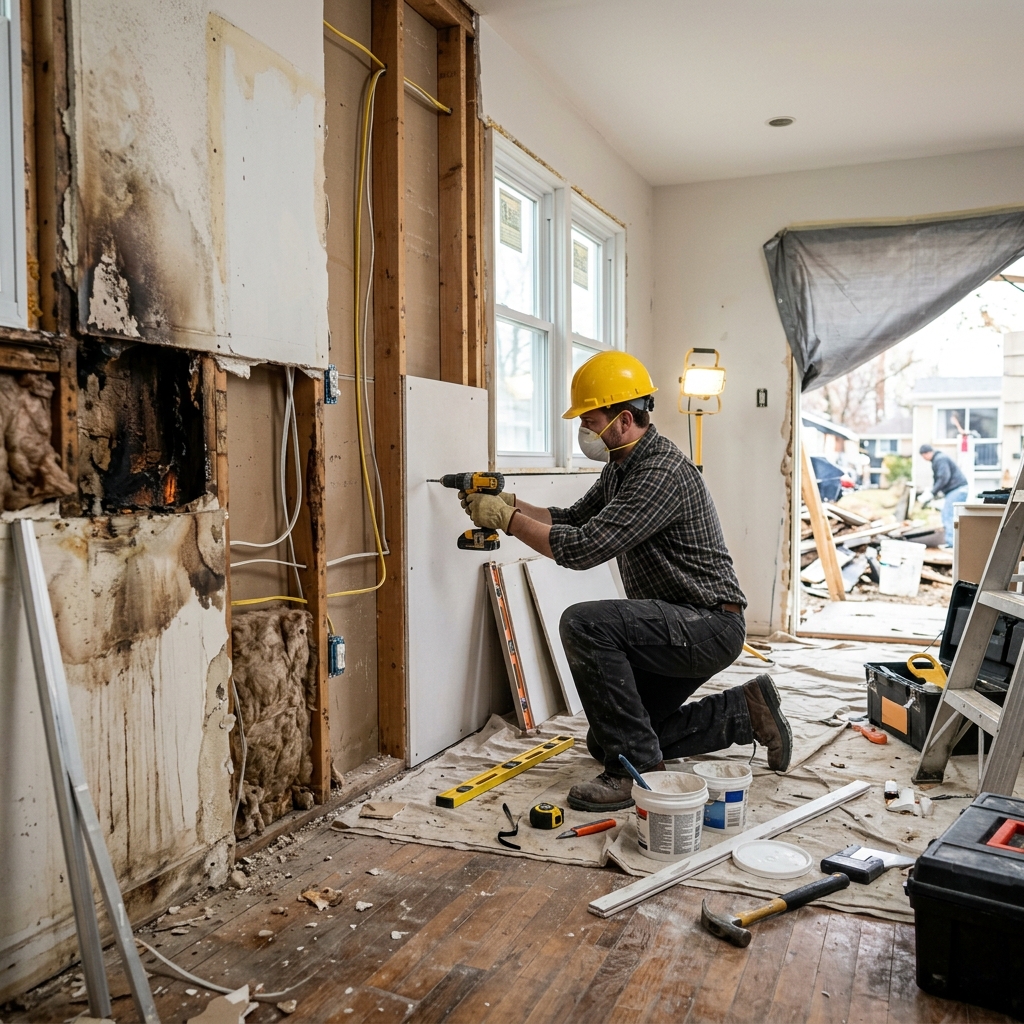
When a flood, fire, storm, or other disaster damages your home, the shock can be overwhelming. Yet the decisions you make in the first hours, days and weeks after the event will shape how safely and efficiently you recover. This guide walks you through the key steps to assess damage, protect your rights, navigate insurance and government aid, select reputable contractors, and repair or rebuild your property as safely and cost‑effectively as possible.
Understanding the Types of Disasters and Their Impacts
Different disasters create different repair challenges. Knowing what you are dealing with helps you prioritize safety and technical steps.
- Floods and storm surges often damage foundations, electrical systems, plumbing, and interior finishes, and can contaminate materials with sewage or chemicals.
- Hurricanes and tornadoes frequently cause structural damage to roofs, walls, windows and doors, and can leave large amounts of debris.
- Wildfires may compromise framing, roofing, insulation and finishes, and leave persistent smoke and soot contamination.
- Earthquakes can crack foundations, destabilize framing, and damage utilities such as gas and water lines.
Although every event is unique, most homeowners will face a combination of safety hazards, structural problems, and the need to coordinate repairs with insurers, lenders and public agencies.
First Priority: Personal Safety and Safe Re-Entry
Never assume your home is safe to enter just because a disaster has passed. The structure, utilities, and indoor environment may pose life‑threatening risks.
Safety Checks Before You Go Inside
- Check with local authorities or emergency services before returning; they may restrict access to certain areas due to ongoing hazards.
- Look for visible structural damage such as leaning walls, sagging roofs, or large cracks in foundations before entering.
- Use a battery‑powered flashlight rather than candles or open flames, in case there is a gas leak.
- Shut off electricity at the main breaker if the home has been flooded, and do not turn it back on until a licensed electrician says it is safe.
- Do not attempt to turn gas service back on yourself; contact your gas utility or propane supplier.
Protective Gear and Basic Health Precautions
Disaster environments often contain broken glass, nails, mold, sewage and chemical residues. To reduce exposure:
- Wear sturdy boots, long sleeves, heavy work gloves, and eye protection.
- Use an N95 or equivalent respirator when working in dusty, moldy, or soot‑filled spaces.
- Keep children and pets out of damaged areas until cleanup is advanced and hazards are controlled.
Documenting Damage: Building a Strong Evidence Record
Thorough documentation is essential for insurance claims, federal aid applications, and potential disputes. Treat your damaged home as a “scene” you must record before major changes are made.
Step-by-Step Damage Documentation
- Take wide‑angle photos of each room, exterior walls, roof, yard, and any detached structures.
- Capture close‑up photos of damaged appliances, furniture, flooring, walls, and personal items.
- Use video to walk through the property, narrating the date, time and nature of visible damage.
- Make a written inventory of damaged or destroyed items, including brand, model, approximate purchase date and value.
- Keep copies of all photos, videos, lists and any receipts or prior appraisals in both physical and electronic form.
Why Documentation Matters
Insurers and agencies like FEMA rely on your documentation to estimate losses and confirm eligibility for assistance. Strong records reduce the risk of underpayment and support you if you need to appeal a decision later.
Navigating Insurance Claims After a Disaster
Most homeowners will start recovery by working with their insurer. The process can be complex, particularly when multiple policies apply (e.g., homeowners plus separate flood insurance).
Initial Contact and Claim Filing
- Notify your insurance company as soon as you safely can to open a claim.
- Provide basic information: policy number, property address, date and type of disaster, and a preliminary description of damage.
- Follow insurer instructions on temporary repairs, and ask what expenses are reimbursable (e.g., tarping a roof, boarding windows, emergency lodging).
Working With Adjusters
An insurance adjuster will typically visit to inspect damage and estimate repair costs.
- Be present if possible, and walk the adjuster through all affected areas.
- Share your photos, videos and inventory to ensure nothing is overlooked.
- Take notes during the visit, including any verbal commitments or explanations.
- Request copies of the adjuster’s report and review it carefully for omissions or errors.
If you disagree with the estimate, you may be able to seek a second opinion from an independent contractor or public adjuster. Knowing your policy’s coverage limits, exclusions and deductibles is critical in these discussions.
Federal and State Assistance: FEMA and Beyond
Insurance does not always cover all repair costs, especially for floods and uninsured disasters. In major events, federal and state programs may offer additional support.
FEMA Home Repair Assistance
The Federal Emergency Management Agency (FEMA) can provide Home Repair Assistance in declared disaster areas when damage is not fully covered by insurance. This assistance typically consists of grants to make essential repairs so the home is safe, sanitary and functional.
- Eligible properties must be your primary residence that you own and live in.
- Funds usually cover basic repairs such as structural stabilization, utilities, and vital systems, not full remodels or luxury finishes.
- You can apply online, via FEMA’s app, or by telephone, providing details about your property, insurance, and household income.
Other Public Aid Options
- Small Business Administration (SBA) disaster loans may be available for homeowners and renters to repair or replace disaster‑damaged real estate and personal property.
- State and local programs sometimes offer grants, low‑interest loans, or tax relief for rebuilding costs.
- Nonprofit organizations such as Habitat for Humanity and Rebuilding Together assist with construction, repairs, or materials for eligible households.
Making the Home Safe and Clean: Initial Repairs and Cleanup
Even before major reconstruction, basic cleanup and emergency repairs are needed to prevent further damage and protect health.
Water Damage and Flood Cleanup
For flooded homes, safe water removal and drying are critical.
- Pump out standing water gradually from basements, removing about one‑third of the water per day to prevent wall collapse due to outside soil pressure.
- Remove wet drywall, insulation and certain floor coverings that have come into contact with floodwater to prevent mold and structural decay.
- Discard porous items that cannot be effectively cleaned, such as mattresses, carpets, stuffed toys and cosmetics.
- Use fans and dehumidifiers to dry wood framing, subfloors and other structural materials.
Food, medicine and toiletries exposed to floodwater should be destroyed, and drinking water sources such as wells may need testing by authorities before use.
Fire, Smoke and Soot Remediation
After a fire, smoke and soot can infiltrate every surface.
- Ventilate by opening windows and running fans, including in attics and insulated spaces where odors linger.
- Clean hard surfaces with hot, soapy water and specialty cleaners such as trisodium phosphate (TSP), following safety instructions.
- Evaluate whether insulation, ductwork and porous materials need removal due to smoke contamination.
Basic Utility and System Checks
- Have licensed professionals inspect electrical, heating and cooling systems before use after flooding or structural damage.
- Confirm septic and sewage lines are intact before flushing toilets in previously flooded areas.
- Ensure gas lines and appliances are inspected by qualified technicians before being put back into service.
Choosing and Managing Contractors Without Getting Scammed
Major repairs usually require professional contractors. Unfortunately, post‑disaster environments attract fraudsters. Careful vetting protects your finances and the quality of your rebuild.
Key Criteria for Selecting a Contractor
- Verify state or local licenses and required registrations; check disciplinary or complaint history through regulators or the Better Business Bureau.
- Confirm that the contractor carries liability insurance and, where applicable, workers’ compensation coverage.
- Ask for recent references and examples of similar work in your area.
- Beware of high‑pressure sales tactics, door‑to‑door solicitations, and requests for large cash payments up front.
Contract Terms and Payment Practices
A written contract is essential for any significant repair project.
- Ensure all promises, materials, timelines and prices are detailed in writing and review the contract carefully before signing.
- Avoid paying the full price up front; many consumer protection agencies suggest an initial payment of roughly one‑third, with further payments tied to completed milestones.
- Do not pay in cash; use traceable methods such as checks or electronic payments.
- Keep all invoices, change orders, and communications for your records and for potential insurance reimbursement.
Prioritizing Repairs: What Must Be Done First?
Few homeowners can fix everything at once. Prioritizing repairs based on safety and habitability helps you allocate limited resources.
| Priority Level | Examples of Work | Purpose |
|---|---|---|
| Critical Safety | Structural stabilization, removal of dangerous debris, emergency roof tarping, securing broken windows | Prevent collapse, injuries and further property loss |
| Essential Systems | Electrical, gas, plumbing and sewage repairs; heating and cooling checks | Ensure safe occupancy and basic habitability |
| Moisture & Contamination Control | Drying, mold remediation, removal of contaminated materials | Protect long‑term health and structural integrity |
| Interior Restoration | Flooring, drywall, cabinets, painting | Restore comfort and appearance |
| Exterior & Landscaping | Siding, fences, decks, yards | Improve curb appeal and complete recovery |
Financial Planning and Long-Term Resilience
Disaster repair is not only a construction project; it is a financial challenge and an opportunity to improve your home’s resilience.
Budgeting and Tracking Costs
- Create a repair budget that reflects insurance coverage, aid grants, loans and personal funds.
- Track all expenses with receipts and logs; these records support insurance reimbursement and tax deductions where applicable.
- Discuss options with your lender; many lenders offer accommodations or temporary relief for disaster‑affected borrowers.
Risk Mitigation While Rebuilding
As you repair or reconstruct, consider upgrades that reduce future damage and may improve insurability.
- Reinforce roofs, foundations and framing to meet or exceed local building codes.
- Install flood‑resistant materials in areas prone to water exposure.
- Elevate critical equipment such as HVAC units, electrical panels and water heaters in flood‑risk zones.
- Review your insurance policies to ensure coverage aligns with local hazards, including flood or earthquake risks.
Frequently Asked Questions (FAQs)
1. Can I start repairs before the insurance adjuster visits?
You may need to make temporary repairs to prevent further damage, such as tarping a roof or boarding up broken windows. Take clear photos before and after, keep receipts, and consult your insurer about reimbursable emergency work. Major demolition or rebuilding should generally wait until damage is fully documented and your claim is underway.
2. Do I have to accept the first insurance settlement offer?
No. If you believe the settlement is too low or does not reflect the actual cost to repair, you can request clarification, provide additional documentation, or appeal the decision. Some homeowners engage independent experts or public adjusters to support their case.
3. What if I do not have flood insurance but my home was flooded?
Standard homeowners policies often exclude flood damage. In declared disasters, you may be eligible for FEMA assistance or other programs to cover essential repairs, but these usually do not fund full restoration or replacement of all belongings.
4. How can I tell if a contractor is legitimate?
Check licenses with state or local authorities, verify insurance, ask for references, and review complaint histories with agencies such as the Better Business Bureau. Avoid contractors who demand full payment upfront, refuse to sign written contracts, or insist on cash only.
5. Is it safe to stay in my home during repairs?
This depends on the extent and type of damage. Local building officials, engineers or inspectors can help determine whether the structure is temporarily habitable. If essential systems (electricity, gas, sewage) are compromised, or if there is extensive mold or structural instability, you may need to seek temporary housing until critical repairs are complete.
References
- Coming Home After a Disaster — Marshall County Health Department. 2010-01-01. https://www.marshallcountyhealthdepartment.com/docs/jb_ComingHomeAfterADisaster.pdf
- Disaster Cleanup & Repair For Your Home — American Red Cross. 2023-05-01. https://www.redcross.org/get-help/disaster-relief-and-recovery-services/disaster-cleanup.html
- How to Rebuild After a Natural Disaster — Quorum Federal Credit Union. 2022-09-15. https://www.quorumfcu.org/learn/home-and-family/how-to-rebuild-after-a-natural-disaster/
- How to Find Housing and Rebuild Your Home After a Disaster — News From The States / NC Newsline. 2023-09-11. https://www.newsfromthestates.com/article/how-find-housing-and-rebuild-your-home-after-disaster
- FAQ: What is Home Repair Assistance? — Federal Emergency Management Agency (FEMA). 2023-01-20. https://www.fema.gov/node/what-home-repair-assistance
- Repairing or Rebuilding Your Home After a Natural Disaster: Risk Mitigation and Insurance Considerations — Marsh McLennan Agency. 2021-06-01. https://www.marshmma.com/us/insights/details/repairing-or-rebuilding-your-home-after-a-natural-disaster-risk-mitigation-and-insurance-considerations.html
- Disaster Readiness and Recovery — Rebuilding Together. 2022-03-10. https://rebuildingtogether.org/disaster-readiness-and-recovery
Similar Articles








Read full bio of medha deb




