
Remodeling Safely: Avoiding Unlicensed Contractors
Learn how to spot unlicensed contractors, understand the legal and financial risks, and protect your home renovation from costly mistakes.
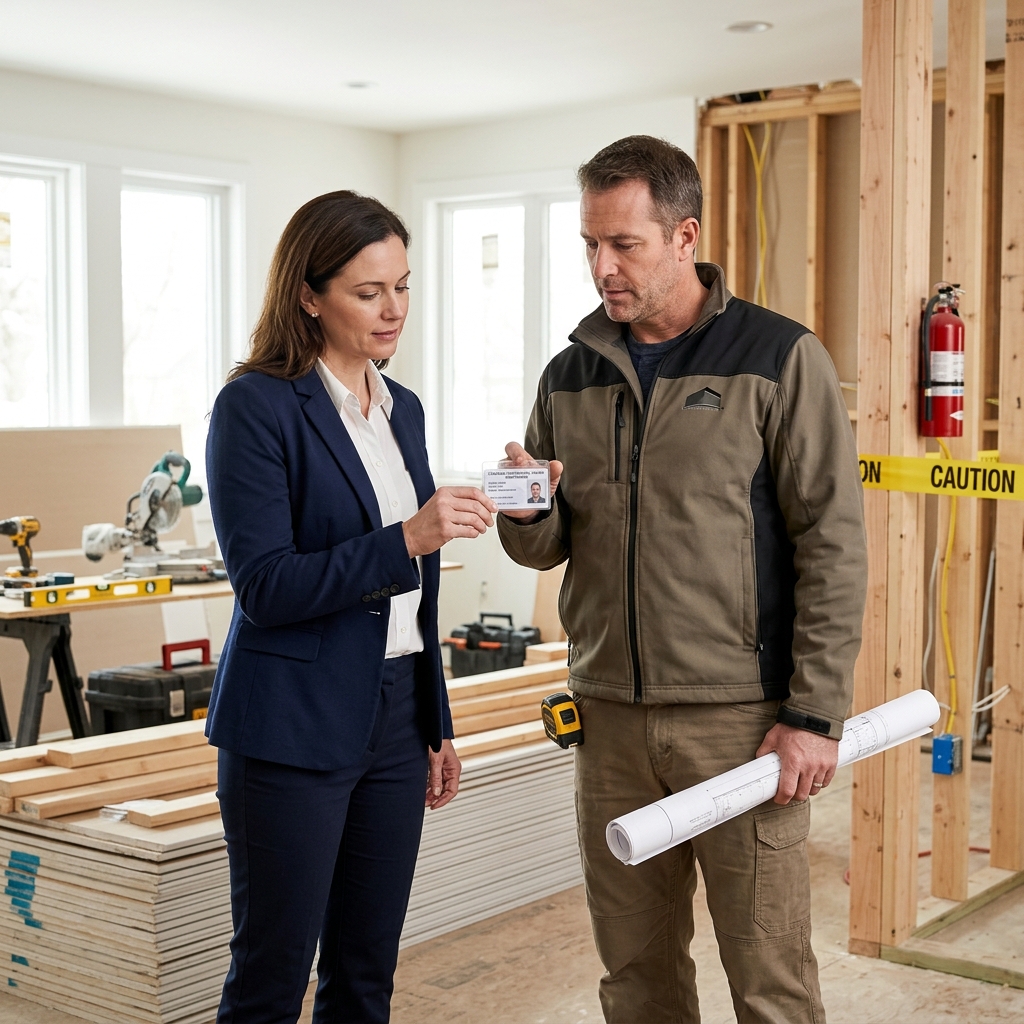
Home renovations can add comfort, value, and beauty to your property, but hiring the wrong contractor can turn a dream project into a financial and legal nightmare. One of the biggest dangers is working with an unlicensed contractor, especially on larger or more complex projects where building codes, permits, and safety standards all play a critical role.
This guide explains why licensing matters, the specific risks of hiring unlicensed workers, how to protect yourself before you sign anything, and what to do if you’ve already made a mistake. It is written for homeowners, landlords, and small property owners who want to remodel safely and legally.
Why Contractor Licensing Matters
Licensing is more than just paperwork. In most U.S. states, contractors who perform work over a certain dollar amount, or who work in specialized trades such as electrical, plumbing, or HVAC, must hold a valid license from a state or local board.
Licensing systems exist to:
- Ensure minimum qualifications through exams, experience requirements, and background checks.
- Protect the public by enforcing building codes and safety rules that reduce fire, structural, and health hazards.
- Provide accountability via disciplinary boards, complaint processes, and license suspensions or revocations for misconduct.
- Encourage proper insurance coverage like general liability and workers’ compensation, which are frequently tied to holding a license.
When you bypass the licensing system by hiring unlicensed contractors, you also give up many of these protections.
Major Risks of Hiring an Unlicensed Contractor
Unlicensed work may appear cheaper at first, but the hidden costs can be severe. The main categories of risk are legal exposure, financial loss, and health and safety dangers.
1. Legal and Contract Problems
In several states, including Florida and California, contracts with unlicensed contractors are restricted or even treated as unenforceable in court, which can leave both parties without normal remedies. This has serious implications for homeowners:
- You may not be able to rely on the written agreement if disputes arise over price, delays, or workmanship.
- The contractor may not be permitted to sue you for unpaid work, encouraging some to operate in cash and off-the-record, which complicates any later dispute.
- In some jurisdictions, simply hiring an unlicensed contractor for covered work may itself violate local law or expose you to code enforcement actions.
Because the contractor is not properly regulated, you also lose access to licensing boards that could otherwise investigate complaints or discipline the contractor.
2. Financial Exposure and Insurance Gaps
Unlicensed contractors typically lack adequate insurance, and many are completely uninsured. This shifts substantial financial risk onto the homeowner.
| Scenario | With Licensed & Insured Contractor | With Unlicensed Contractor |
|---|---|---|
| Worker injured on site | Workers’ compensation generally covers injury costs. | Homeowner may be treated as the “employer” and can be sued directly for medical bills and lost wages. |
| Property damage during work | Contractor’s liability insurance can pay for repairs. | Homeowner may pay out-of-pocket; homeowner’s policy may deny coverage if unlicensed work is involved. |
| Defective work discovered later | Contractor may be required by law or contract to correct defects; licensing board oversight adds leverage. | Limited recourse; contractor can disappear, be judgment-proof, or be hard to locate. |
Some insurers explicitly exclude losses arising from work performed by unlicensed or uninsured contractors, which means claims for fire, water damage, or structural failure linked to that work can be denied.
3. Safety, Quality, and Code Violations
Licenses are tied to knowledge of building codes and safety standards. Without that oversight, the risk of dangerous or substandard work increases sharply.
- Electrical hazards: Improper wiring can cause shocks or house fires, potentially years after the work is done.
- Structural issues: Removing load-bearing walls or improperly reinforcing beams can compromise the stability of your home.
- Plumbing and moisture problems: Poorly executed plumbing can lead to hidden leaks, mold, and expensive remediation.
- Mechanical systems: Incorrect HVAC or gas line work can cause carbon monoxide risks or other dangerous conditions.
Work done without required permits may never be inspected, so hidden defects can remain undiscovered until something goes wrong or you attempt to sell the property.
4. Problems When You Sell or Refinance
Remodeling is often done with resale value in mind. However, unpermitted or unlicensed work can backfire when you go to sell or refinance your home.
- Home inspectors may flag obvious noncompliant work, scaring off buyers or lowering offers.
- Appraisers and lenders may reduce the appraised value or require permits and corrections before approving a loan.
- Some jurisdictions can require you to open up walls or redo work to verify compliance with current code, even if it appears to be functioning.
In short, cutting corners today can make your property harder to sell and more expensive to fix in the future.
Common Tactics Used by Unlicensed Contractors
Unlicensed contractors often use similar sales tactics. Recognizing these red flags can help you walk away before signing anything.
- Unusually low bids: Prices that are dramatically lower than other estimates may indicate shortcuts, lack of insurance, or failure to obtain permits.
- Cash-only deals: Insistence on cash payments and reluctance to provide receipts make disputes and documentation harder later.
- Reluctance to sign a detailed contract: Vague proposals, hand-written notes, and refusal to include timelines or warranties are warning signs.
- Pressure to skip permits: Statements like “permits are a waste of time” or “the city doesn’t need to know” often signal unlicensed work and code violations.
- Use of someone else’s license number: Some unlicensed operators “borrow” or misuse license numbers of other contractors, which is itself a violation in many states.
How to Verify Licensing and Insurance
Fortunately, verifying a contractor’s status is straightforward in most areas. A few minutes of research can save you from major problems.
1. Use Official License Lookup Tools
Most states maintain online databases where you can search by name, license number, or company.
- Look for a status of active or current.
- Confirm that the license classification matches the type of work (for example, general building, electrical, plumbing).
- Check for disciplinary actions, complaints, or past license suspensions, which may indicate a pattern of problems.
In Florida, for example, the Department of Business and Professional Regulation allows consumers to verify licenses quickly. In California, homeowners can use the Contractors State License Board’s online portal.
2. Request Proof of Insurance
Ask for a certificate of insurance directly from the contractor’s insurance provider or request that the provider issue you a copy listing you as a certificate holder.
- Confirm active general liability insurance to cover property damage.
- Confirm workers’ compensation insurance if the contractor uses employees or laborers.
- Check expiration dates and call the insurer to verify that the policy is valid and in force.
3. Check References and Reputation
Even a licensed contractor can perform poor work, so checking their track record is equally important.
- Ask for recent references and call them—don’t just skim written testimonials.
- Look up reviews with reputable consumer organizations or local business bureaus.
- Ask to see photos of similar completed projects or, if possible, visit an active job site.
Building a Safe, Legally Sound Remodeling Contract
Once you have selected a licensed, insured contractor, protect yourself further with a strong written agreement. A proper contract clarifies expectations and reduces disputes.
Key Elements of a Protective Contract
- Detailed scope of work: Describe materials, brands, model numbers, finishes, and specific tasks.
- Timeline and milestones: Include start and completion dates, as well as key checkpoints.
- Payment schedule: Avoid large upfront payments. Many experts suggest a modest deposit (such as 10–20%) with additional payments tied to completion of clearly defined stages.
- Permits and inspections: State which party is responsible for obtaining permits and scheduling inspections. Typically, the contractor should handle this.
- Change order process: Require written approvals for any change in price, materials, or scope.
- Warranty terms: Specify what is covered, for how long, and how warranty claims will be handled.
- Dispute resolution: Consider provisions for mediation, arbitration, or attorney’s fees in case disagreements escalate.
Practical Steps to Protect Yourself Before Hiring
If you are planning a remodel or repair, use the following checklist to stay on safe ground:
- Define your project clearly and prepare a written list of what you want done.
- Get at least three written bids from licensed contractors for comparison.
- Verify licenses with the appropriate state or local agency.
- Confirm insurance coverage directly with the insurer.
- Ask for and contact references, focusing on similar projects completed in the last one to two years.
- Insist on a detailed, written contract before any work starts.
- Refuse to pay cash under the table or to pull permits under your own name for a contractor trying to avoid licensing rules.
What to Do If You Already Hired an Unlicensed Contractor
Many homeowners only discover that a contractor is unlicensed after work has begun—or after problems arise. While your options may be more limited, there are still constructive steps you can take.
- Stop the work if you discover the lack of license early and before major tasks are completed.
- Document everything: Take photos, save texts and emails, keep copies of checks and receipts.
- Consult a local attorney experienced in construction or real estate law to understand remedies in your state, including potential claims for defective work or recovery of payments.
- Contact local building officials if you suspect serious code or safety violations; it is better to address issues proactively than after an accident.
- Notify your insurer about any damage or accidents, but be prepared that coverage might be restricted where unlicensed work was involved.
State laws differ considerably. In some places, homeowners who hire unlicensed contractors may still pursue certain civil remedies; in others, their options are more limited, particularly if the work was knowingly done without permits or proper credentials.
Frequently Asked Questions
Do all contractors need a license?
No. Many states set dollar thresholds or limit licensing requirements to certain trades. However, structural, electrical, plumbing, and HVAC work usually require a license, and some areas require licensing for nearly all paid construction work. Always check your local rules before hiring.
Is it ever safe to use an unlicensed person for small jobs?
For truly minor tasks (for example, basic painting or small handyman work), some jurisdictions allow unlicensed workers. That said, any work that affects structural integrity, electrical systems, plumbing, gas, or major mechanical systems should be handled only by licensed professionals, regardless of cost, due to the safety and code implications.
Can I be fined for hiring an unlicensed contractor?
In many states, the primary penalties fall on the unlicensed contractor, not the homeowner. However, homeowners may still face consequences, including being ordered to correct noncompliant work, possible code enforcement fines, or obstacles in selling the property if unpermitted work is discovered. Consult local regulations or an attorney for the rules in your area.
How can I tell if a contractor’s license number is real?
Never rely solely on a business card or a verbal representation. Use the official state or local licensing board’s website to search for the license number and confirm that the name, address, and business details match the person or company you are hiring.
What should I do if a contractor refuses to pull permits?
If the work clearly requires a permit and the contractor insists on skipping it, or asks you to pull the permit yourself so they do not have to show their license, treat that as a serious red flag. The safest course is to decline to proceed and find a properly licensed professional who will follow the law.
Key Takeaways for Safe Remodeling
Remodeling your home is a major investment. To protect your money, your safety, and your legal rights, focus on three core principles:
- Verify credentials: Only hire contractors whose licenses and insurance you have independently confirmed through official channels.
- Insist on transparency: Require clear contracts, permits, and written change orders; avoid off-the-books agreements.
- Plan for long-term safety and value: Good work follows building codes, passes inspections, and supports your home’s resale value, while unlicensed shortcuts often create expensive future problems.
Taking time to vet your contractor at the start of a project is far less costly than trying to fix dangerous or defective work later. When in doubt, choose the professional path: hire licensed, insured contractors and keep your remodeling project on solid legal and structural foundations.
References
- Risks of Hiring an Unlicensed Contractor in Florida — Steinberg Law. 2023-02-01. https://www.sjlawgroup.com/risks-of-hiring-unlicensed-contractor-florida/
- The Hidden Risks of Unlicensed Contractors: Protect Your Home Investment — Chisel and Tool. 2022-07-15. https://www.chiselandtool.com/post/the-hidden-risks-of-unlicensed-contractors-protect-your-home-investment
- Risks of Hiring Unlicensed Contractors — Remodel Works. 2021-06-10. https://remodelworks.com/blog/risks-of-hiring-unlicensed-contractors/
- Dangers of Hiring Unlicensed Contractors — Irlbeck Construction. 2020-09-30. https://www.iscolorado.com/blog/dangers-of-unlicensed-contractors
- The Dangers of Hiring Unlicensed Contractors — Educational Community for Homeowners (ECHO). 2017-05-01. https://echo-ca.org/dangers-hiring-unlicensed-contractors-0/
- 6 Risks of Hiring Unlicensed Contractors in Puget Sound — B&C Comfort. 2022-04-20. https://www.bandccomfort.com/risks-hiring-unlicensed-contractors/
- Dangers of Hiring Unlicensed Workers — City of St. Cloud, Florida. 2023-01-10. https://www.stcloudfl.gov/1669/Dangers-of-Hiring-Unlicensed-Workers
Similar Articles








Read full bio of Sneha Tete


