
Regaining Your Driver’s License After a DUI Conviction
Understand the legal steps, waiting periods, and practical requirements for restoring driving privileges after a DUI conviction in the United States.
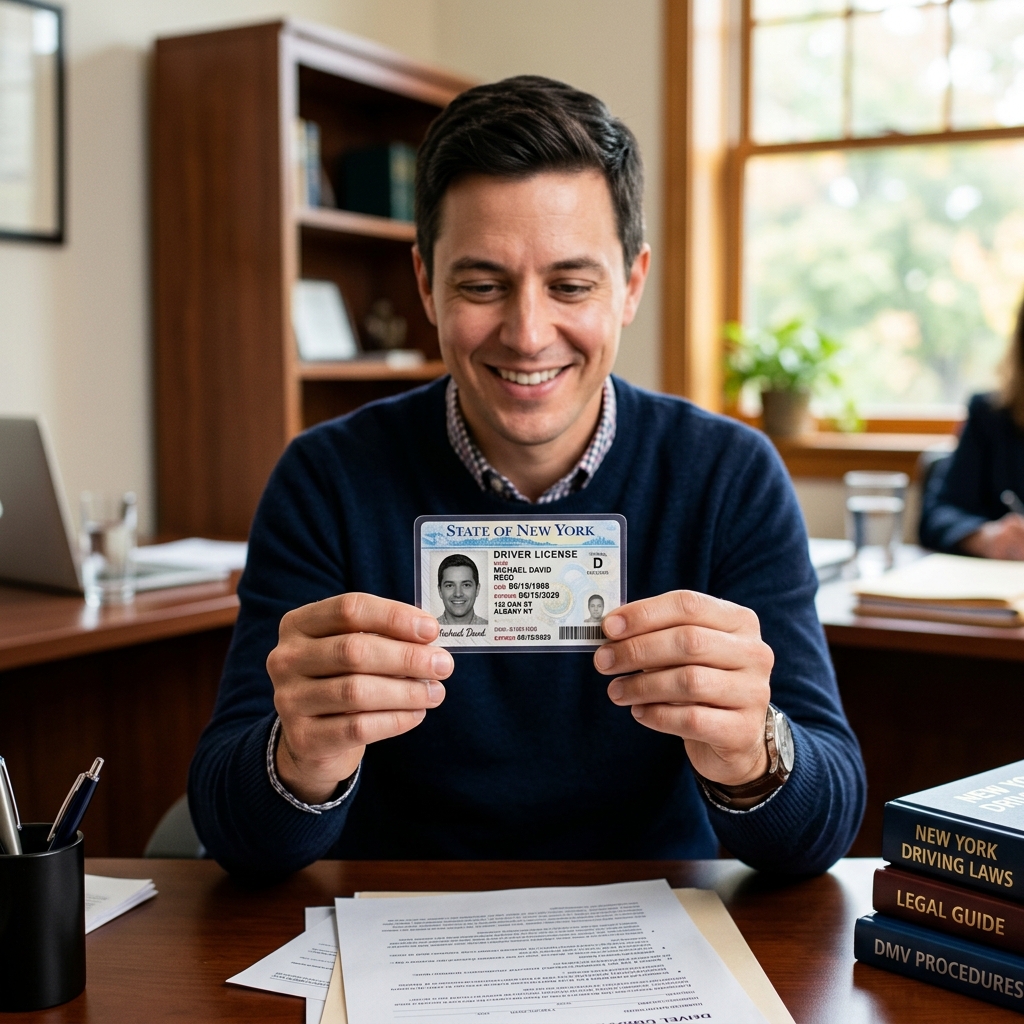
A driving under the influence (DUI) conviction can dramatically change your daily life, with the loss of driving privileges often being one of the most disruptive consequences. Across the United States, a DUI typically leads to a license suspension or revocation, mandatory waiting periods, and a series of legal and administrative steps before you can legally drive again. This article explains what those terms mean, how they differ by state, and the common path to getting your license back.
Suspension vs. Revocation: Knowing What Happened to Your License
Before planning for reinstatement, you need to understand the status of your license, because the rules differ depending on whether your driving privilege is suspended or revoked.
- Suspension – Your driving privilege is temporarily withdrawn for a defined period. At the end of that period, you may be able to reinstate by meeting specific requirements, paying fees, and satisfying any court orders.
- Revocation – Your license is cancelled, and you are no longer considered licensed. After the revocation period, you usually must apply for a new license, often with more stringent conditions, paperwork, and possibly hearings.
States use these terms differently, but in general, suspensions apply more often to first or less severe offenses, while revocations are common for repeat offenses, high blood alcohol content (BAC), serious injury, or fatalities.
| License Status | Core Meaning | Typical Path Back |
|---|---|---|
| Suspension | Temporary loss of driving privilege for a set time | Wait out suspension, complete courses, pay fees, provide insurance proof, then reinstate |
| Revocation | License cancelled; you are no longer licensed | Serve revocation period, request restoration approval if required, reapply and pass all testing |
Immediate Impact of a DUI on Your Driving Privileges
Most states impose an administrative suspension through the motor vehicle agency and a separate court‑ordered sanction after a DUI conviction. These may run at the same time or consecutively.
- Administrative action from the DMV or equivalent agency, sometimes triggered simply by a failed or refused breath test.
- Criminal court penalties, which can include additional license suspension or revocation, fines, probation, and treatment requirements.
- Periods of no-driving at all, where you cannot obtain any form of limited or hardship license.
The specific length of time you lose your license and the conditions attached will depend on factors such as prior DUI history, BAC level, age, and whether anyone was injured.
Common Steps to Restore or Reinstate a License After DUI
Even though the details vary by state, most DUI‑related reinstatement processes include a core set of requirements. You should expect to complete several of the following before getting back on the road:
1. Serve the Full Suspension or Revocation Period
In almost all jurisdictions, you cannot fully restore your license until you have served the entire suspension or revocation period, unless the law allows a limited or hardship license sooner.
- First‑offense DUI suspensions frequently range from several months up to one year.
- Longer revocation periods are common with repeat offenses or serious injury cases, sometimes measured in years.
Attempting to drive before your privileges are lawfully restored can lead to additional criminal charges and longer sanctions.
2. Complete Required DUI Education and Treatment Programs
Many states require completion of a state‑approved DUI education or risk‑reduction program before you can reinstate your license.
- These programs often include classroom instruction about alcohol and drug risks, traffic safety, and legal consequences.
- Some include a clinical evaluation to determine whether you need further substance abuse treatment.
- Court‑ordered treatment plans must usually be completed in full before restoration is allowed.
Failing to enroll in or finish these courses can delay reinstatement or even cause cancellation of a hardship or newly issued license.
3. Pay All Fines, Court Costs, and Reinstatement Fees
Restoring a driver’s license after a DUI is rarely free. You will typically need to pay several different types of financial obligations.
- Court fines and costs imposed at sentencing.
- Reinstatement or re‑application fees charged by the DMV or equivalent agency.
- Program fees for risk‑reduction, DUI school, or treatment programs.
- Possible additional administrative fees when applying for hardship or restricted licenses.
In some states, unpaid fines or open traffic tickets will block your ability to request restoration or relicensing until they are fully resolved.
4. Provide Proof of Adequate Auto Insurance
After a DUI conviction, you may be considered a high‑risk driver and required to provide special proof of financial responsibility.
- Some states require an SR‑22 form from your insurer, which verifies that you carry minimum liability coverage and must be maintained for a specified period.
- Others require enhanced coverage, such as high bodily injury and property damage liability limits documented on specialized forms.
If you let this coverage lapse or your insurer cancels the policy, your reinstated or restricted license may be suspended again until proof is re‑filed.
5. Pass Required Knowledge, Vision, or Road Tests
If your license has been suspended or revoked for a long period, you may need to retake some or all licensing exams.
- Written knowledge tests on traffic laws and safe driving.
- Vision screening to ensure you meet minimum standards.
- Road tests to demonstrate practical driving competence, especially after lengthy revocations.
Typically, you must purchase a new license after passing these tests, even if the prior one was only suspended.
Hardship, Restricted, and Provisional Licenses
Several states offer limited driving privileges during or shortly after a DUI suspension for those who can demonstrate genuine need, such as commuting to work, attending school, and going to treatment.
- Hardship license – Allows restricted driving for specific purposes, often during a revocation or suspension period.
- Provisional license – Sometimes available after meeting particular eligibility criteria; it permits driving under conditions set by the DMV or law.
- Ignition interlock‑based permits – Require installation of an ignition interlock device (IID), which prevents the vehicle from starting if alcohol is detected.
Eligibility is often limited by BAC level, prior record, and whether there were other concurrent violations. Even if offered, these licenses can be revoked quickly if you violate conditions.
The Role of Ignition Interlock Devices in License Restoration
An ignition interlock device is increasingly central to DUI license restoration in many states.
- The device requires the driver to blow into a breath sensor before the car will start and may conduct random retests while driving.
- Interlock data can be monitored by probation officers or motor vehicle agencies to verify compliance.
- In some jurisdictions, maintaining an IID for a set period is a condition of reinstatement or provisional driving privileges, especially after repeat offenses.
Failing to properly use or maintain the IID can lead to additional penalties, extended interlock periods, or new suspensions.
State‑Specific Examples of Reinstatement Requirements
Although the core concepts are similar nationwide, the specific steps and forms vary. A few state examples highlight how rules can differ:
Example: New York
In New York, after a license revocation, you often must request approval from the Driver Improvement Unit before you can apply for a new license.
- Complete the revocation period in full.
- Resolve any outstanding tickets and pay all court fines before submitting a relicensing request.
- Pay a re‑application fee with your request to the state agency.
- In some cases, you may seek reconsideration or appeal if your restoration request is denied.
Example: Georgia
Georgia law requires first‑time DUI offenders seeking reinstatement to complete a defined suspension and a state‑approved risk‑reduction course, pay fees, and provide proof of insurance.
- Complete the suspension period (for a first DUI, typically 120 days).
- Finish the DUI Alcohol or Drug Use Risk Reduction Program.
- Pay reinstatement fees and show valid auto insurance.
- Higher‑level offenses may require extended suspension, interlock usage, and further treatment.
Example: Colorado
Colorado’s reinstatement frequently includes filing an application form, paying reinstatement fees, and submitting SR‑22 proof of insurance.
- Application for reinstatement using a designated form.
- Payment of reinstatement and any DUI restoration fees.
- Provision of an SR‑22 certificate and maintenance of that coverage for a specified period.
- Testing requirements if you have been under restraint for one year or more.
Example: Florida
In Florida, first‑time DUI convictions lead to revocation and may allow for a hardship license after certain conditions are met.
- Revocation periods typically range from six months to one year for standard first offenses, and at least three years if serious injury occurs.
- Hardship licenses require proof of completion or enrollment in a DUI program and, if ordered, treatment.
- At reinstatement, drivers must pass required exams and pay administrative and license fees.
- Enhanced insurance requirements apply, including higher liability coverage documented by special forms.
Practical Tips to Navigate License Restoration
The legal and administrative demands of reinstating a license after a DUI can feel overwhelming. These practical steps can help you organize the process:
- Get a copy of your driving record from the motor vehicle agency to understand all current suspensions, revocations, and requirements.
- Collect documentation such as court orders, completion certificates from programs, proof of insurance, and payment receipts.
- Track deadlines for appeals, hearing requests, and program completion to avoid losing eligibility or facing additional penalties.
- Consider legal counsel if your case involves multiple offenses, injury, or conflicting information in court and DMV records.
- Maintain continuous insurance to prevent further suspensions linked to lapses in financial responsibility.
Frequently Asked Questions (FAQs)
Can I ever get my license back after a DUI?
In many cases, yes. Most states allow reinstatement or restoration after you serve the suspension or revocation period, complete required programs and treatment, pay fines and fees, and provide proof of insurance. However, for extremely serious or repeated offenses, some jurisdictions may impose long‑term or lifetime revocations.
How long will I lose my license after a first DUI?
First‑offense DUI suspensions and revocations commonly range from several months up to one year, though exact durations depend on state law, BAC level, and presence of aggravating factors. You may be eligible for a hardship or restricted license sooner if you satisfy specific criteria.
Do I have to retake the driving test to get my license back?
You may need to retake written, vision, or road tests if your license has been revoked or suspended for an extended time or if state law requires retesting after certain DUI‑related sanctions. Your state’s DMV or licensing agency can tell you exactly which exams are required.
What is an SR‑22, and why is it needed after a DUI?
An SR‑22 is a certificate of financial responsibility filed by your insurance company to confirm that you carry at least the minimum required liability coverage. Many states require SR‑22 filings after a DUI or other serious traffic offense, and you must maintain it continuously for a set period to keep your license valid.
Can I drive to work while my license is suspended for DUI?
Some states allow hardship, restricted, or provisional licenses that permit limited driving for work, school, or treatment during a suspension or revocation. Eligibility depends on factors such as your BAC level, prior record, and compliance with DUI programs and treatment requirements. You must follow all conditions strictly to avoid further penalties.
References
- DUI Suspended License Reinstatement by State — FindLaw. 2023-05-10. https://www.findlaw.com/dui/laws-resources/suspended-license-reinstatement-by-state.html
- Request Restoration After a Driver License Revocation — New York State Department of Motor Vehicles. 2024-03-01. https://dmv.ny.gov/points-and-penalties/request-restoration-after-a-driver-license-revocation
- How To Get Your Driver’s License Back After DUI In Georgia — McCranie Law Firm. 2023-09-12. https://mccranielawfirm.com/how-to-get-your-drivers-license-back-after-dui-in-georgia/
- Reinstatement Frequently Asked Questions — Colorado Division of Motor Vehicles. 2024-01-15. https://dmv.colorado.gov/reinstatement-frequently-asked-questions
- DUI Frequently Asked Questions — Florida Department of Highway Safety and Motor Vehicles. 2023-11-20. https://www.flhsmv.gov/driver-licenses-id-cards/education-courses/dui-and-iid/dui-faqs/
- Reinstatement of Driving Privileges — Illinois Secretary of State. 2022-08-01. https://www.ilsos.gov/departments/baiid/reinstate.html
- First Steps After a DWI in New York: A Guide to License Restoration — LifeSafer Ignition Interlock. 2023-06-05. https://www.lifesafer.com/blog/first-steps-after-a-dwi-in-new-york-a-guide-to-license-restoration/
Similar Articles








Read full bio of medha deb




