
Recognizing and Avoiding Advance-Fee Loan Scams
Learn how advance-fee loan scams work, the warning signs to watch for, and the concrete steps you can take to protect your money and report fraud.
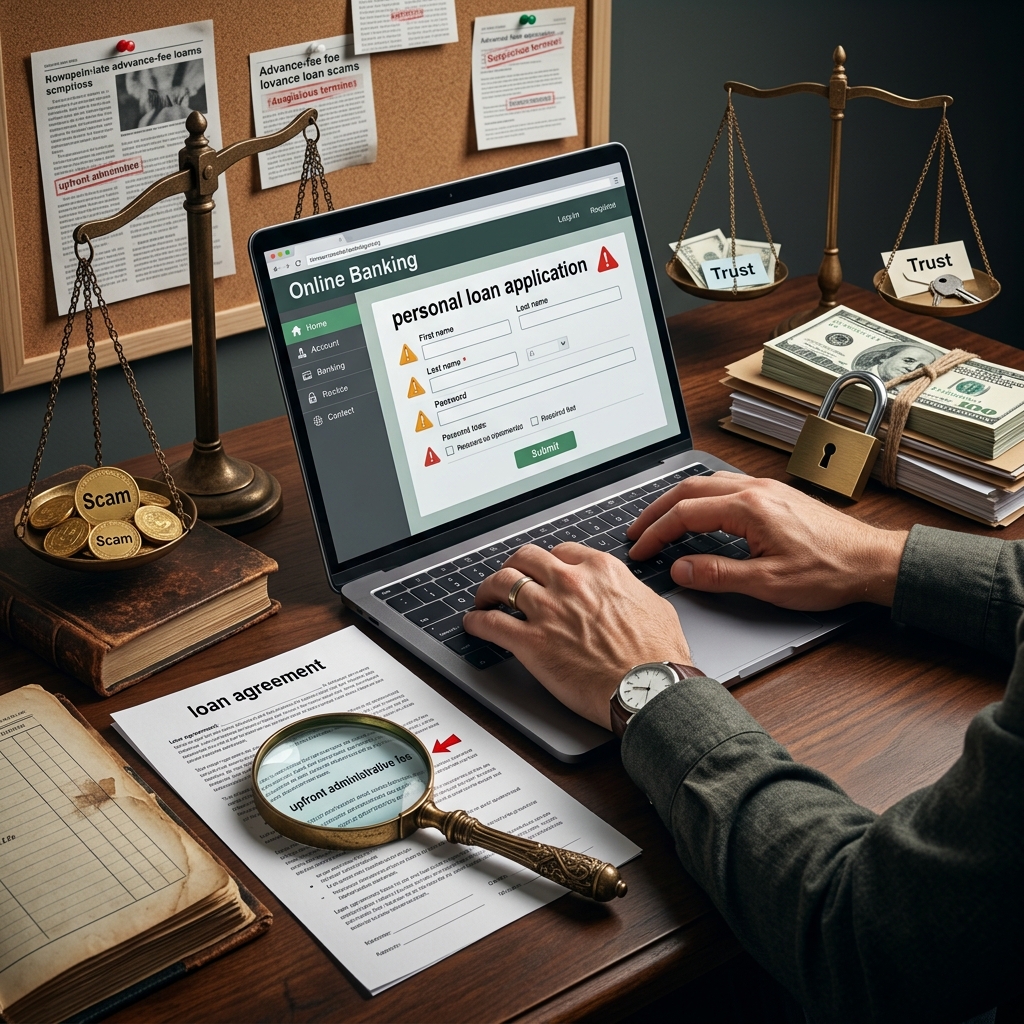
Advance-fee loan scams are a widespread form of financial fraud that exploit people who urgently need money or have trouble getting approved for traditional loans. In these schemes, fraudsters promise easy approval and fast cash, but require you to pay a fee in advance for a loan that never materializes. Understanding how these scams work, the warning signs to look for, and how to respond if you are targeted can help you protect your finances and your personal information.
What Is an Advance-Fee Loan Scam?
An advance-fee loan scam occurs when a person or company offers you a loan, credit card, or other financial product, but requires you to pay money upfront before you receive what was promised. The fee is often described as:
- “Processing” or “application” charges
- “Insurance” or “security” to guarantee the loan
- “Paperwork” or “documentation” fees
Legitimate lenders may charge certain costs, such as origination fees or closing costs, but these are typically taken from the funds when the loan is disbursed or clearly disclosed as part of a regulated process, not demanded before you have a binding loan agreement. In a scam, once the fee is paid, the lender disappears, stalls indefinitely, or invents new excuses to ask for more money.
Who Do Scammers Target?
Advance-fee loan scammers focus on people who are more likely to feel desperate or overlooked by mainstream lenders. Common targets include:
- Consumers with bad or limited credit history
- People who have been denied loans by banks or credit unions
- Individuals facing urgent expenses, such as medical bills or rent
- Job seekers or those recently unemployed
- Small business owners struggling to obtain financing
Scammers use emotional pressure and promises of guaranteed approval to persuade these consumers to act quickly and ignore warning signs.
How Advance-Fee Loan Scams Usually Work
While details vary, most advance-fee loan scams follow a similar pattern.
| Step | What Typically Happens |
|---|---|
| 1. Attraction | Scammer advertises online, by phone, text, email, or social media, promising quick approval, no credit check, or “guaranteed” loans. |
| 2. Application | You are asked for basic information and may be told that approval is certain regardless of your credit or income. |
| 3. Upfront Fee Request | You are told to pay a fee before receiving the loan, often framed as insurance, processing, or a deposit to secure funds. |
| 4. Payment Method | The scammer pushes you to pay via wire transfer, prepaid card, cryptocurrency, or other non-refundable methods. |
| 5. Disappearance or Delay | After payment, the loan never arrives, communication stops, or the scammer invents additional fees to keep extracting money. |
Because these scams rely on speed and secrecy, fraudsters often discourage you from reading terms carefully, contacting outside agencies, or talking to trusted advisors before paying.
Common Warning Signs of an Advance-Fee Loan Scam
Recognizing red flags can help you distinguish between legitimate credit offers and fraudulent schemes. Pay close attention if you encounter any of the following.
1. Upfront Payment for a Promise
- You are asked to pay before you receive a loan, credit card, debt relief, or other benefit.
- The fee is justified as insurance, security deposit, or guaranteed approval cost.
- Payment is requested via wire transfer, prepaid card, gift card, money order, or cryptocurrency.
A legitimate lender will not demand an advance fee purely as a condition of approval, especially not through payment methods that are difficult to trace or reverse.
2. Guaranteed Approval and No Credit Check
- Ads claim “Bad credit OK” or “No credit check required.”
- The lender says you qualify for a competitive rate regardless of your credit or income.
- Approval is promised in minutes with minimal or no documentation.
Legitimate lenders review your credit history, income, and other factors to determine eligibility and interest rates. Claims of guaranteed loans without these checks are a strong indicator of fraud.
3. Pressure to Act Immediately
- You are told the offer will expire in hours or that other people are competing for the same loan.
- The caller insists that you must send money right away to “lock in” the funds.
- They discourage you from taking time to research the company or consult anyone else.
Urgent pressure is a common tactic used in many types of scams. Genuine lenders may set deadlines, but they do not demand instant payment or discourage you from reviewing information.
4. Unsolicited Calls or Robocalls
- You receive a pre-recorded sales pitch offering you a loan or credit product.
- The caller claims you were “selected” or “pre-approved” without you applying.
- They ask for personal or financial information over the phone.
Robocalls that promote loans are often illegal when used to sell financial products, and many are tied to fraud. Hanging up and reporting these calls can protect you and others.
5. Vague or Unverifiable Business Details
- The company name closely resembles a known lender but is slightly different.
- Physical address or license information is missing or cannot be verified.
- Website has limited contact information or only uses mobile numbers or messaging apps.
Scammers often mimic legitimate companies to appear credible. If you cannot verify a lender’s registration or license with state authorities, treat the offer as suspicious.
How to Check If a Lender Is Legitimate
Before you apply for a loan or send any money, take these steps to verify that the lender is operating lawfully.
Confirm State Registration or Licensing
- Contact your state attorney general or banking/financial regulator to confirm the lender is registered or licensed to operate in your state.
- Ask if the agency has any complaints or enforcement actions involving the company.
- In many states, loan brokers cannot charge advance fees to obtain consumer loans or credit cards.
Regulators can confirm whether a lender is authorized to offer loans and whether its conduct raises concerns.
Research the Company Online
- Search the company’s name along with terms like “review”, “complaint”, or “scam”.
- Look up the phone number to see if others have reported scam calls.
- Check independent consumer protection sites or official complaint portals.
Multiple reports of fraud, unreturned calls, or undelivered loans are a strong reason to avoid the company, even if its website looks professional.
Ask for Written Details
- Request a written loan offer or agreement, including all fees and terms, before agreeing to anything.
- Do not pay unless you have clear documentation of the lender, the loan amount, interest rate, repayment schedule, and any fees.
- Review the documents carefully and consider seeking advice from a trusted financial counselor or legal aid organization.
A legitimate lender will provide written disclosures and will not object to you reviewing them before you commit.
Safe Practices to Protect Yourself
Following a few core principles can greatly reduce your risk of falling victim to advance-fee loan scams.
- Never pay for a promise. Do not send money in advance for a loan, credit card, debt relief, job, or prize.
- Use traceable payment methods. Avoid wire transfers, prepaid cards, gift cards, or cryptocurrency when dealing with unfamiliar companies.
- Protect your personal information. Do not share bank account numbers, credit card details, or Social Security numbers unless you are certain you are dealing with a legitimate, licensed institution.[10]
- Hang up on robocalls. If you receive recorded loan pitches, end the call and report it.
- Take your time. If an offer sounds attractive, pause and research. Scammers rely on rushed decisions.
Legitimate Alternatives If You’re Struggling With Debt
If you are considering an advance-fee loan because you feel out of options, it may help to explore legitimate forms of assistance instead.
- Credit counseling agencies. Many non-profit organizations provide free or low-cost counseling, help you create a budget, and discuss options like debt management plans.
- Local banks or credit unions. Even with imperfect credit, your existing financial institution may offer small personal loans or secured credit products.
- Government-backed resources. Some government or community programs offer emergency assistance, housing support, or legal help for debt and collections issues.
- Negotiating with creditors. In some cases, you can work directly with creditors to modify payment schedules or interest rates.
These alternatives do not require you to pay for vague promises and typically operate under clear regulatory frameworks that protect consumers.
What To Do If You Suspect a Scam
If you think a loan offer may be fraudulent, or you have already sent money and did not receive what was promised, act quickly.
Steps to Take Immediately
- Stop all payments. Do not send any additional money, even if the scammer claims it will resolve the issue or release funds.
- Document everything. Save emails, texts, receipts, screenshots of websites, and any written communications.
- Contact your bank or card issuer. If you provided account numbers or made payments, ask about options to limit further losses or monitor for unauthorized transactions.
Report the Scam to Authorities
Reporting scams helps enforcement agencies investigate patterns, warn others, and sometimes recover funds.
- Federal Trade Commission (FTC). You can report advance-fee loan scams and other frauds to the FTC’s reporting portal.
- Consumer Financial Protection Bureau (CFPB). The CFPB accepts complaints about consumer financial products and services, including suspicious lenders.
- State authorities. Contact your state attorney general or financial regulator to file a complaint and verify whether the lender is licensed.
Even if you cannot recover your money, your report may help authorities take action against the scammers and prevent future victims.
Frequently Asked Questions (FAQs)
Are any upfront fees ever legitimate?
Some lawful lenders and mortgage companies may charge certain fees related to applications or closing costs, but these are typically disclosed clearly and either deducted from the loan proceeds at closing or paid in structured ways regulated by law. A key difference is that legitimate fees are tied to a documented transaction with a licensed lender, not to vague promises of future approval.
If a lender is online-only, is it automatically a scam?
No. Many reputable lenders operate primarily or exclusively online. The crucial factors are whether they are registered or licensed where they do business, provide clear contact information, disclose terms in writing, and do not ask for unexplained advance fees. Always verify online lenders through state authorities and independent research.
What should I do if I already sent money?
Immediately contact your bank or card issuer to ask about dispute or reversal options, especially if you paid by credit or debit card. For wire transfers, prepaid cards, or cryptocurrency, recovery may be more difficult, but you should still report the incident to the FTC, CFPB, and your state attorney general, providing all available documentation.
How can I tell if a robocall about a loan is illegal?
Many recorded sales calls that offer loans, credit cards, or debt relief are illegal if you did not give the caller written permission to contact you. If a pre-recorded message promotes a loan and asks for personal or financial information, hang up immediately and report the call.
Why do scammers prefer wire transfers and prepaid cards?
Wire transfers, prepaid cards, gift cards, and cryptocurrency are difficult to trace and almost impossible to reverse once the money has been collected. This makes them ideal for fraudsters, and a demand for these payment methods is a major red flag in any loan offer.
References
- What To Know About Advance-Fee Loans — Federal Trade Commission. 2023-09-05. https://consumer.ftc.gov/articles/what-know-about-advance-fee-loans
- Advance Fee Loans — North Carolina Department of Justice. 2022-07-15. https://ncdoj.gov/protecting-consumers/credit-and-debt/advance-fee-loans/
- Advance Fee Loan Scams — Connecticut Department of Banking. 2021-11-10. https://portal.ct.gov/DOB/Consumer/Consumer-Education/Advance-Fee-Loan-Scams
- Cash Advance and Advance Fee Scams — Office of the Texas Attorney General. 2022-03-18. https://www.texasattorneygeneral.gov/consumer-protection/financial-and-insurance-scams/cash-advance-and-advance-fee-scams
- How to Protect Yourself: Advance Fee Loans — Florida Attorney General, Consumer Protection. 2022-09-09. https://www.myfloridalegal.com/consumer-protection/how-to-protect-yourself-advance-fee-loans
- Advance-Fee Loan Scams — Michigan Department of Attorney General. 2021-08-20. https://www.michigan.gov/consumerprotection/protect-yourself/consumer-alerts/credit/advance-fee-loan-scams
- How to Avoid Loan Scams? — LawHelpNY. 2020-06-01. https://www.lawhelpny.org/resource/advance-fee-loan-sharks
Similar Articles








Read full bio of Sneha Tete




