
Recognizing and Avoiding Online Romance Scams
Learn how to spot online romance scams, protect your money and privacy, and help others stay safe on dating apps and social media.
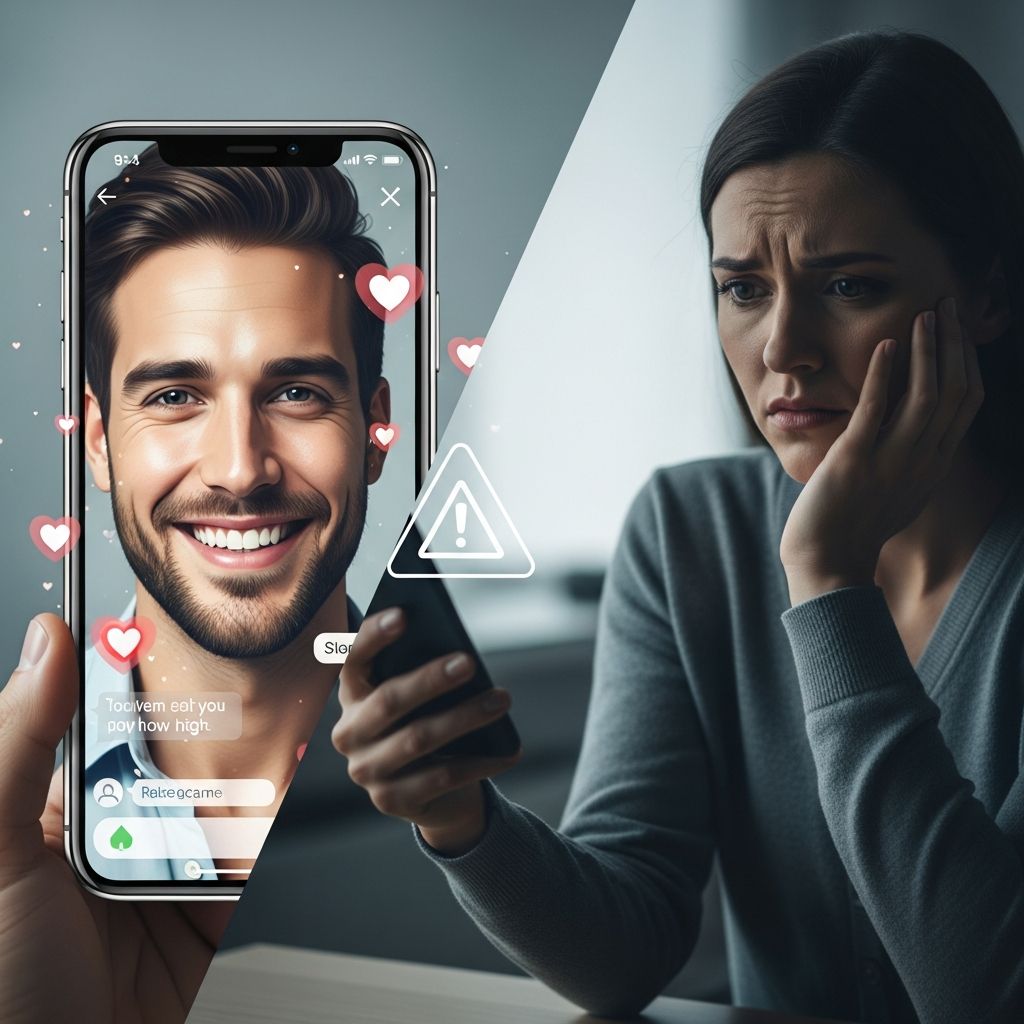
Millions of people turn to dating apps, social media, and messaging platforms to find friendship or love. Unfortunately, scammers know this and use fake identities to build emotional connections, only to exploit that trust for money. This guide explains how romance scams work, the warning signs to watch for, and what to do if you or someone you know may be a target.
Why Romance Scams Are So Effective
Romance scams are a form of fraud where a criminal pretends to be a potential partner, gains your confidence, and then pressures you to send money, share financial information, or move funds on their behalf.1 Unlike quick, one-time scams, romance schemes usually unfold slowly over weeks or months. The scammer invests time in messaging, calls, and sometimes video chats to make the relationship feel real before asking for money.
According to U.S. consumer protection authorities, losses from romance scams routinely reach hundreds of millions of dollars each year, making them one of the costliest categories of fraud reported to government agencies.2
How Online Romance Scams Typically Unfold
Although each scam looks a little different, most follow a familiar pattern. Understanding that pattern can help you recognize trouble early.
1. The Sudden, Intense Connection
- The scammer contacts you unexpectedly on a dating app, social media site, game, or messaging platform.
- They quickly shift the conversation from public chat to private messages, text, email, or another app.
- They compliment you frequently, say they have never felt this way before, or talk about a future together very early in the relationship.
2. The Elaborate Backstory
To explain why they cannot meet in person, scammers often claim to have a job or life situation that keeps them at a distance.
- They might say they are working overseas on an oil rig, serving in the military, working as a doctor in a conflict zone, or managing a business in another country.
- They share personal “details”—like favorite foods or family tragedies—to seem more believable.
- They may send copied photos or stolen images from real people’s profiles.
3. Building Emotional Dependence
Once contact is established, the scammer works to deepen your emotional investment.
- They message multiple times a day, often at predictable times.
- They may say they feel closer to you than to anyone they have ever met.
- They quickly use words like “soulmate,” “destiny,” or “fate.”
- They may encourage secrecy, telling you that “other people wouldn’t understand” your connection.
4. The Crisis and the Money Request
Only after trust is established does the financial angle appear. The request can seem urgent, sympathetic, or both.
- They claim a sudden emergency: medical bills, a travel problem, customs or visa delays, or a frozen bank account.
- They say they need money “just this once” and promise to pay you back.
- They might ask you to receive or move money for them, saying they have trouble with their own bank.
- They insist that if you really care, you will help, using your feelings against you.
Common Payment Methods Used in Romance Scams
How a person asks you to send money often reveals whether the situation is legitimate. Fraudsters typically favor payment methods that are fast, hard to trace, and difficult to reverse.1
| Payment Type | Why Scammers Like It | Risk Level |
|---|---|---|
| Wire transfers and bank transfers | Funds move quickly, often across borders; hard to recover once sent. | Very high |
| Cryptocurrency | Enables cross-border transfers and can be hard to trace for victims. | Very high |
| Gift cards or prepaid cards | Codes can be used instantly or resold, leaving the victim with no recourse. | Very high |
| Money transfer apps | Payments can be sent from a phone with little information about the recipient. | High |
| Check deposits (you send back a portion) | Scammer’s check may be fake; you send real money back before the bank discovers it. | High |
If someone you know only through the internet asks you to pay with any of these methods, especially under pressure or secrecy, that is a strong warning sign of a scam.
Key Warning Signs of a Romance Scam
Genuine relationships take time to build and do not hinge on financial help. The following red flags should prompt you to pause and reconsider.
- They avoid meeting in person. They always have an excuse why they cannot meet, video chat with clear video, or talk on the phone.
- They move quickly. Within days or weeks, they talk about love, marriage, or a shared future.
- They push for isolation. They tell you not to discuss your relationship with friends or family.
- They ask for personal details. They request copies of your ID, bank information, or other sensitive data.
- They introduce money issues. They ask you to send money or accept funds and forward them elsewhere.
- They pressure you to decide fast. They claim a deadline—like a medical emergency or travel cutoff—to rush you.
When You Are Asked to Move or Handle Money
Some romance scams do not begin with a request for your money, but for your assistance moving someone else’s money. In these situations, you may be asked to receive deposits into your account, transfer them to another account, or convert them to cryptocurrency and send them on.
Authorities warn that people who move money on behalf of strangers can become what is sometimes called “money mules”: intermediaries used to hide the origin of stolen funds.3 Even if you did not know the money came from illegal activity, you could still face serious consequences, including frozen accounts or law enforcement investigations.3
- Never agree to open a bank account for someone you have never met in person.
- Do not allow anyone you met online to use your accounts, cards, or digital wallets.
- Refuse any request to receive checks, deposits, or transfers and then forward them elsewhere.
How to Protect Yourself on Dating Apps and Social Media
You can enjoy online dating and social platforms more safely by taking a few practical steps.
Strengthen Your Privacy and Security
- Limit the personal information you post publicly, such as your full name, workplace, or home address.
- Use strong, unique passwords for dating apps and email accounts, and turn on multi-factor authentication when available.4
- Be careful about linking your dating profile directly to other social media accounts.
Verify Identities Before Trusting
- Search a person’s name, photo, and details online to see whether they appear connected to different names or stories.
- Request a live video call in good lighting, not just pre-recorded clips or heavily filtered videos.
- Be skeptical if the person refuses to show their surroundings, frequently turns off the camera, or has excuses about connectivity every time you suggest video.
Keep Control of the Pace
- Resist pressure to move the conversation off the platform to private messaging right away.
- If someone is moving too fast emotionally, step back and discuss your concerns with someone you trust.
- Set clear boundaries around finances and never feel obligated to explain or defend your decision not to send money.
What To Do If You Already Sent Money
If you think you may have sent money to a scammer, acting quickly can sometimes reduce the damage.
- Contact your bank or payment provider immediately. Ask whether the transfer can be reversed or blocked.
- Report the fraud to the platform where you met the person (dating app, social media site, or messaging service) so they can review and potentially close the account.
- File a complaint with a consumer protection agency in your country. In the United States, consumers can report fraud to the Federal Trade Commission, which shares reports with law enforcement through its complaint system.5
- Gather documentation: save messages, usernames, receipts, transaction confirmations, and any contact information you have.
- Consider talking to local law enforcement if you lost a significant amount of money or were asked to move funds for others.
Even if the funds cannot be recovered, your report can help authorities identify patterns, shut down fraudulent accounts, and warn others.
Supporting Friends or Family Caught in a Romance Scam
Many victims of romance scams are intelligent, cautious people who happened to be lonely, stressed, or grieving when a scammer appeared. If you suspect someone you care about is being targeted:
- Start with empathy, not blame. Remind them that romance fraudsters are skilled manipulators.
- Ask gentle questions: how long they have known the person, whether they have video chatted, and whether there have been requests for money.
- Encourage them to pause before sending any funds or more personal information.
- Offer to search online together for the person’s photos or profile details to check for duplicates.
- Suggest they speak with a trusted professional—like a banker, counselor, or consumer protection office—if they feel overwhelmed.
Emotional Recovery After a Romance Scam
Victims of romance scams often describe the experience as both financial and emotional betrayal. Shame can make it hard to ask for help, but support is available.
- Recognize that scammers often target personal vulnerabilities, such as recent divorce, bereavement, or isolation.
- Understand that complicated grief and trauma reactions are common and may improve with time and support.
- Consider talking with a mental health professional who has experience with trauma or financial abuse.
- Connect with trusted friends or family instead of withdrawing from social contact.
Practical Checklist: Before You Send Money to Someone You Met Online
Use this quick checklist whenever you feel pressure to help an online contact financially.
- Have you met them in person at least once in a safe, public place?
- Have you seen them clearly on an unfiltered, live video call?
- Have you known them long enough to see how they act when things do not go their way?
- Is anyone else aware of this relationship and the request for money?
- Are they asking you to keep the request secret?
- Are they asking you to use gift cards, cryptocurrency, or wire transfers?
- Are you feeling rushed, pressured, or guilty for saying no?
If you answer “yes” to several of these questions, stop and seek advice from someone you trust or from a consumer protection agency before sending money.
Frequently Asked Questions (FAQs)
Q: Is it always a scam if someone I met online asks for money?
Not every request for help is fraudulent, but genuine partners you have never met typically will not ask you to send money through gift cards, wire transfers, or cryptocurrency. When in doubt, decline the request and seek independent advice.
Q: Can a scammer video chat with me?
Some scammers use brief or low-quality video calls, or manipulate angles and lighting, but often they avoid regular, clear live video that would reveal their true identity. A video call alone does not prove someone is trustworthy.
Q: What if I already gave them my bank details?
Contact your bank at once, explain the situation, and ask them to secure your accounts. They may recommend closing the account, monitoring for unauthorized transactions, and adding extra verification steps.
Q: Should I confront the scammer?
Once you suspect fraud, it is usually safer to stop all contact, block the person, and report the account. Confronting them may give them more chances to manipulate you or obtain additional information.
Q: How can I report a romance scam?
Report the profile to the app or site where you met. In many countries, you can also file a complaint with a national consumer protection authority or cybercrime unit. In the United States, reports can be submitted to a federal consumer agency that shares information with law enforcement agencies nationwide.5
References
- Protecting Older Consumers 2024–2025: A Report of the Federal Trade Commission — Federal Trade Commission. 2025-12-00. https://www.ftc.gov/reports/protecting-older-consumers-2024-2025-report-federal-trade-commission
- Consumer Protection — Federal Trade Commission. 2025-05-00. https://www.ftc.gov/consumer-protection
- Money Mule Scams — Federal Bureau of Investigation. 2023-11-14. https://www.fbi.gov/scams-and-safety/common-scams-and-crimes/money-mules
- Security Tips for Online Dating — Federal Trade Commission (via consumer guidance archive). 2024-02-00. https://www.ftc.gov/business-guidance
- How to Report Fraud, Scams, and Bad Business Practices — Federal Trade Commission. 2024-08-00. https://www.ftc.gov/consumer-protection
Similar Articles








Read full bio of medha deb


