Rebuild Your Credit: Proven Strategies for Financial Recovery
Discover effective, step-by-step methods to restore your credit score and regain financial stability after setbacks.
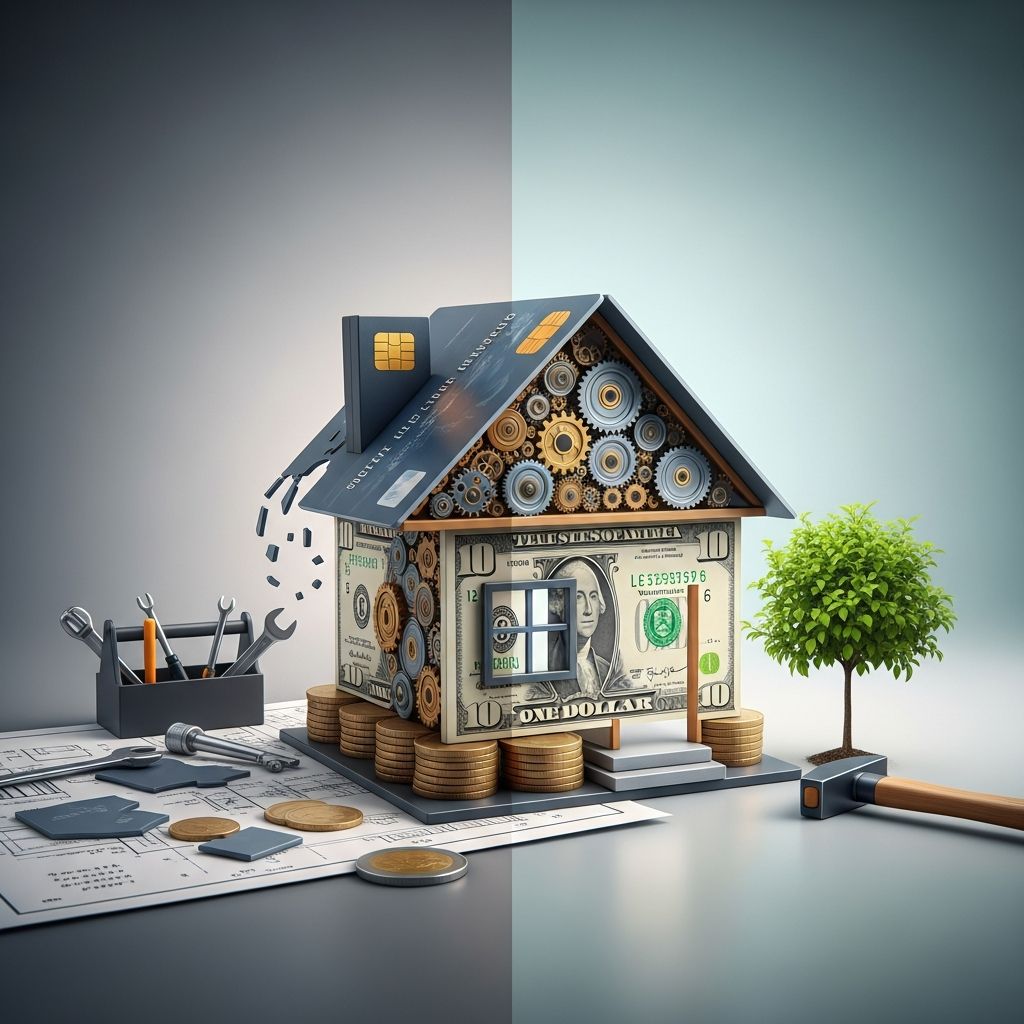
Your credit score is a cornerstone of financial health, influencing everything from loan approvals to rental applications. When setbacks like missed payments or high debt occur, rebuilding can seem daunting, but consistent actions yield results. This guide outlines actionable steps grounded in expert recommendations to elevate your score systematically.
Understanding Credit Scores and Their Impact
Credit scores, typically ranging from 300 to 850, are calculated using models like FICO or VantageScore. Payment history accounts for 35% of your score, credit utilization 30%, length of credit history 15%, new credit 10%, and credit mix 10%. Low scores stem from delinquencies, high balances, or errors, but improvements are possible within months with discipline.
A strong score unlocks lower interest rates and better terms. For instance, scores above 740 often qualify for prime rates, while sub-600 scores face high costs or denials. Monitoring via free weekly reports from AnnualCreditReport.com reveals issues early.
Step 1: Obtain and Scrutinize Your Credit Reports
Begin by pulling reports from Equifax, Experian, and TransUnion. These documents list accounts, balances, and inquiries. Look for inaccuracies like unrecognized accounts or incorrect statuses.
- Dispute errors promptly: File online or by mail with supporting evidence; bureaus must investigate within 30 days.
- Identify patterns: Note late payments or collections affecting your score.
- Track progress: Review quarterly to measure improvements.
Correcting errors alone can boost scores by 20-100 points.
Step 2: Prioritize On-Time Payments
Payment history dominates scoring models. Even one late payment dings your score for seven years, but recent good behavior matters more.
Strategies include:
- Setting up autopay for minimums.
- Aligning due dates with paydays via lender requests.
- Making bi-weekly payments to reduce balances faster.
Catch up on delinquencies by negotiating hardship plans. Paid collections with $0 balances hurt less in newer models. Consistency rebuilds trust with lenders.
Step 3: Lower Credit Utilization Effectively
Utilization is available credit used. Keep it under 30%, ideally 10%. High ratios signal risk.
| Current Limit | Balance | Utilization | Target Action |
|---|---|---|---|
| $1,000 | $400 | 40% | Pay down to $300 |
| $5,000 | $2,000 | 40% | Request limit increase |
| $2,500 | $200 | 8% | Maintain |
Request limit increases without hard inquiries if eligible, but avoid spending more. Pay balances before statements close to report lows.
Step 4: Tackle Debt with Structured Plans
Debt burdens utilization and payment history. Choose payoff methods:
- Avalanche: Target highest-interest debts first to save money.
- Snowball: Clear smallest balances for momentum.
Consolidate via balance transfers or loans at lower rates. Negotiate settlements for old debts, but weigh tax implications. Budgeting ensures sustainability: track income, cut non-essentials, build emergencies.
Step 5: Build Credit with Starter Tools
For thin files or poor history, use accessible products.
- Secured cards: Deposit equals limit; responsible use reports positively. Upgrade after 6-12 months.
- Credit builder loans: Pay into savings; loan releases upon completion, building history.
- Authorized user: Join a trusted account if issuer reports it.
Avoid new applications en masse; limit to 1-2 yearly. Keep old accounts open for history length.
Advanced Tactics for Faster Gains
Once basics solidify:
- Diversify with installment loans if needed.
- Monitor via apps for utilization alerts.
- Seek nonprofit counseling for plans.
Patience is key; scores lag 1-2 months post-changes.
Common Pitfalls to Avoid
- Maxing new cards.
- Ignoring collections.
- Falling for repair scams promising instant fixes.
- Closing paid cards prematurely.
Focus on habits over quick schemes.
Frequently Asked Questions
How long does rebuilding take?
3-6 months for noticeable gains; full recovery 1-2 years with consistency.
Does paying off collections help?
Yes, especially in newer models; negotiate ‘pay for delete’ cautiously.
Are secured cards safe?
Yes, if from reputable issuers reporting to bureaus.
Can I rebuild without credit cards?
Yes, via builder loans, rent reporting, or utilities.
What if errors persist?
Escalate to CFPB or FTC.
Long-Term Financial Wellness
Beyond scores, cultivate habits: emergency funds, diversified savings, annual reviews. Strong credit supports goals like homeownership.
(Word count: 1678)
References
- How to Rebuild Credit — Citi. 2025. https://www.citi.com/credit-cards/rebuild-credit/how-to-rebuild-credit
- The Basics of Credit Repair: A Beginner’s Guide — Berken Cloyes PC. 2024-10-15. https://berkencloyes.com/the-basics-of-credit-repair-a-beginners-guide-to-rebuilding-your-credit/
- Ultimate Guide to Rebuilding Your Credit — Money Management International. 2025. https://www.moneymanagement.org/budget-guides/rebuild-your-credit
- How to Rebuild Your Credit — Consumer Financial Protection Bureau. 2023-06-01. https://files.consumerfinance.gov/f/documents/cfpb_how-to-rebuild-your-credit.pdf
- Tips to Rebuild Your Credit — Bank of America Better Money Habits. 2025. https://bettermoneyhabits.bankofamerica.com/en/credit/how-to-rebuild-your-credit
- How to Build Credit: A Comprehensive Guide — Experian. 2025-01-10. https://www.experian.com/blogs/ask-experian/credit-education/improving-credit/building-credit/
Similar Articles








Read full bio of Sneha Tete