
The Real Consequences of Defaulting on Student Loans
Understand how student loan default affects your finances, credit, career options, and future access to federal benefits and educational aid.
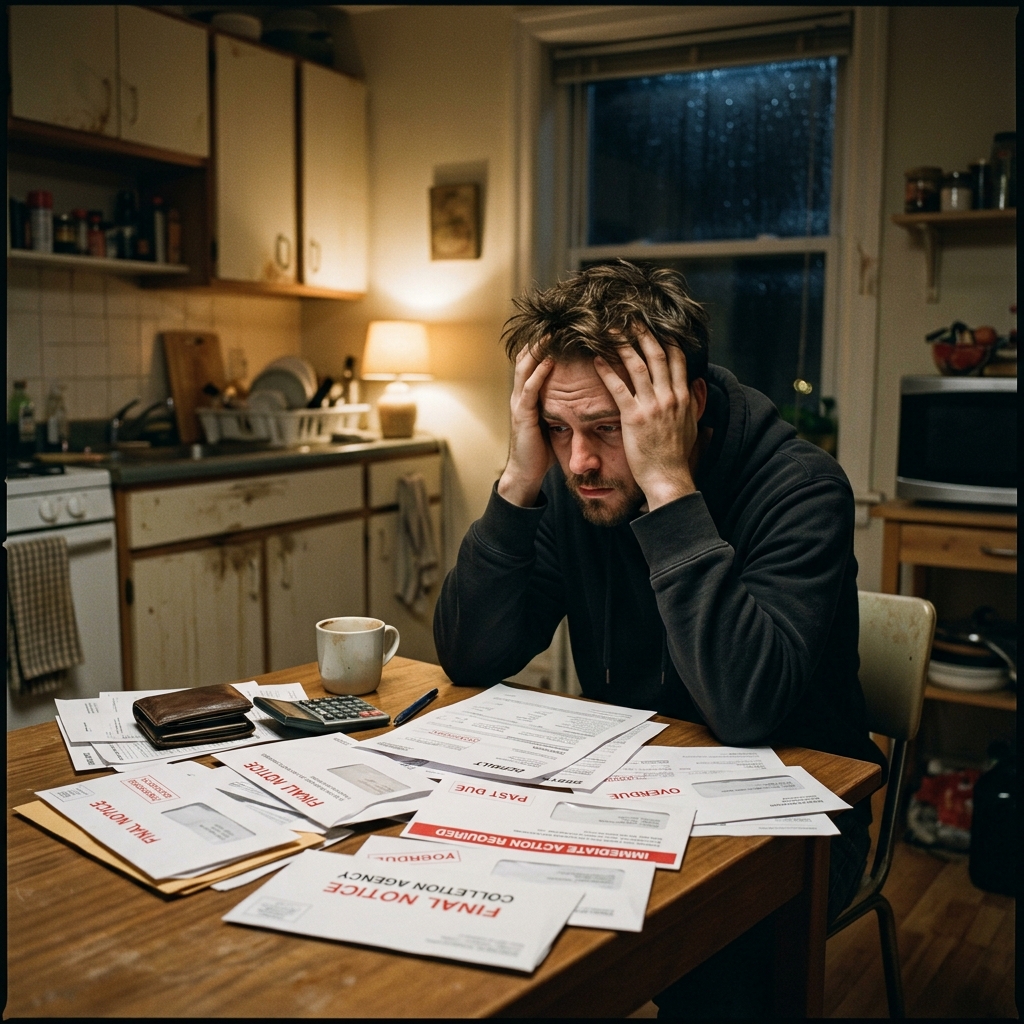
Defaulting on a student loan can reshape your financial life for years. It affects your paycheck, your tax refunds, your credit score, and even your eligibility for future education funding. Understanding these consequences is essential if you are struggling to keep up with payments or already in default.
This article explains what student loan default means, how it differs from simple late payments, what happens with federal versus private loans, and the concrete steps you can take to prevent default or climb out of it once it occurs. It is based on current guidance from Federal Student Aid and other reputable sources, but presented with fresh organization and explanations.
What Does It Mean to Default on a Student Loan?
Student loans do not move into default the moment you miss a payment. Lenders and loan servicers usually treat default as a prolonged failure to make payments and a breach of the terms of your promissory note. The specific timeline depends on the type of loan.
Delinquency vs. Default
Two key stages describe payment problems on student loans:
- Delinquency: When you miss a payment, your loan becomes delinquent. For federal loans, delinquency starts the day after a payment is due and not made. Lenders report serious delinquencies (typically 90 days or more past due) to credit bureaus.
- Default: Default occurs after a longer period of non-payment. For most federal student loans, default generally happens after about 270–360 days of missed payments if no arrangement is made with the loan holder. Many private loans use a shorter window, often around 120–180 days.
Once a loan is in default, the consequences become far more severe, including immediate demand for full repayment, collection charges, and involuntary collection actions.
Typical Default Timelines
| Loan Type | Approximate Non-Payment Period Before Default | Key Trigger |
|---|---|---|
| Federal student loans | About 270–360 days of missed payments | Continuous delinquency with no deferment, forbearance, or repayment arrangement. |
| Private student loans | Roughly 120–180 days of missed payments | Non-payment under the terms of the promissory note. |
Immediate Financial Impact Once You Default
When a student loan enters default, your lender or the federal government treats the debt as immediately due in full. This change, called acceleration, fundamentally alters your financial situation.
Loan Acceleration and Extra Costs
- Full balance due: The entire unpaid principal plus all accrued interest becomes immediately payable.
- Collection fees and costs: Defaulted loans are often transferred to collection agencies, and you can be charged collection fees, late fees, court costs, and attorney fees on top of your existing balance.
- Continuing interest: Interest continues to accumulate while the loan is in default, making the debt larger over time if you do not resolve it.
These costs make default far more expensive than staying current or using hardship options like income-driven repayment or forbearance when available.
Loss of Valuable Federal Loan Benefits
One of the most painful aspects of default on federal student loans is the loss of federal protections and benefits.
- No deferment or forbearance: You generally lose the ability to temporarily pause payments through these programs.
- No income-driven repayment (IDR): Defaulted borrowers are typically removed from IDR plans and cannot access their benefits, including potential long-term forgiveness, until the default is resolved.
- Ineligible for new federal aid: You cannot receive new federal student loans or grants while your existing federal loans remain in default.
- Limited access to other federal programs: Default can make you ineligible for various federal benefit programs and certain types of assistance.
How Default Affects Your Income and Government Payments
One of the most alarming aspects of a federal student loan default is that the government can collect what you owe without bringing a lawsuit first in many cases. These actions can directly reduce your paycheck and other federal payments.
Wage Garnishment
Wage garnishment allows the government (or a lender, following the proper legal process) to take part of your paycheck before you receive it.
- For defaulted federal loans, the government can generally garnish up to 15% of your disposable pay without a court judgment through an administrative process.
- Your employer is notified and required to send a portion of your wages directly to the government or collection agency.
- This continues until the debt is paid or you successfully change your repayment arrangement.
Tax Refund and Federal Benefit Offsets
Another powerful tool is the Treasury offset, which allows the government to withhold certain payments that would otherwise go to you.
- Tax refunds: Federal and sometimes state income tax refunds can be intercepted and applied to your defaulted federal student loan balance.
- Federal benefits: A portion of federal benefit payments, including Social Security benefits in some circumstances, can be withheld to repay defaulted federal student loans.
If you remain in default and do not take steps to resolve it, these involuntary collection measures can continue for years, dramatically increasing the total amount you pay once collection costs are added.
Credit Damage and Long-Term Financial Consequences
Default on student loans is not just about the current balance; it shapes your financial future by damaging your credit profile.
Credit Reporting
Loan servicers and the Department of Education report serious delinquency and default to major credit bureaus.
- Delinquent and defaulted loans appear on your credit report, often remaining there for up to seven years after the default is resolved.
- If you consolidate a defaulted loan rather than rehabilitate it, the record of the default may stay on your credit history for up to ten years, although the defaulted status itself changes to a new consolidated loan.
- Multiple entries can appear if both the original servicer and the default servicer report your account.
Practical Effects of Poor Credit
A damaged credit score can affect many areas of daily life.
- Getting approved for credit cards, car loans, or mortgages is harder, and you may face much higher interest rates.
- Landlords commonly perform credit checks; negative marks may make renting an apartment more difficult.
- Utility companies, cell phone providers, and insurance companies may view you as higher risk, which can increase deposits, premiums, or lead to denial of service.
Career and Licensing Risks
Student loan default can reach beyond finance and into your professional life, particularly for careers that require background checks or licenses.
Employment Barriers
- Some employers conduct credit checks as part of hiring, especially in financial services, security-sensitive positions, or jobs involving access to money.
- A history of default may negatively influence hiring decisions or promotions.
- For certain occupations, federal or state regulations may restrict eligibility if you owe defaulted federal debt.
Professional and Driver’s Licenses
In some states and under certain conditions, default on student loans can affect licensing.
- Professional licenses (for example, medical, teaching, or engineering licenses) may be difficult to renew while you are in default, depending on local law and loan type.
- Some borrowers face the risk of driver’s license or professional license suspension, which can directly impact their ability to work.
Federal vs. Private Student Loan Default: Key Differences
Not all student loans are handled the same way when you default. Federal loans follow government rules and collection methods, while private loans depend on contract terms and state law.
Federal Student Loans
- Administrative collection: The government can use wage garnishment and Treasury offset without first going to court.
- Broad federal powers: Federal agencies can intercept tax refunds and withhold Social Security benefits in some cases.
- Pathways out of default: Federal law offers standardized options such as loan rehabilitation, consolidation, and certain cancellation or discharge programs.
Private Student Loans
- Shorter default timeline: Private loans may be declared in default after about 4–6 months of missed payments.
- Court-based collection: Lenders typically must file a lawsuit and obtain a court judgment before garnishing wages or seizing bank funds.
- Cosigner impact: If there is a cosigner, they are also fully responsible for the debt and their credit can be damaged by your default.
- Fewer standardized relief options: There is no federal-level income-driven repayment or statutory forgiveness program for private loans.
How to Avoid Student Loan Default
Because default carries such heavy consequences, the best strategy is prevention. Acting early, even before your loan becomes seriously delinquent, gives you more options.
Preventive Strategies
- Communicate with your servicer: Contact your loan servicer as soon as you know you will struggle with payments. Many options require timely communication.
- Explore income-driven repayment: For eligible federal loans, IDR plans cap payments based on your income and family size and can make monthly bills more manageable.
- Use deferment or forbearance when appropriate: Temporary relief programs can pause payments during unemployment, economic hardship, or certain life events.
- Budget around your loan obligations: Including loan payments in a realistic monthly budget can help you stay current and avoid slipping into delinquency.
Getting Out of Default: Federal Loan Options
If your federal student loans are already in default, you still have options to restore good standing. The main routes are loan rehabilitation, consolidation, or discharge in limited circumstances.
Loan Rehabilitation
Rehabilitation is a structured process that allows you to remove the default notation from your credit report and regain access to key federal benefits.
- You and your loan holder agree on a series of nine on-time monthly payments based on your income.
- After successful completion, the loan is considered out of default.
- The holder asks the credit bureaus to remove the default record, which can improve your credit score, though prior late payments usually remain.
- Once rehabilitated, you may again access deferment, forbearance, and income-driven repayment options.
Loan Consolidation
Consolidation allows you to combine one or more federal loans into a new Direct Consolidation Loan.
- Defaulted loans can be consolidated if you meet program requirements.
- While the new loan is not in default, the old default entry may remain on your credit history for up to 10 years.
- Consolidation can simplify repayment and may allow you to enter an income-driven plan.
Cancellation or Discharge
In certain situations, federal loans can be discharged (canceled), such as total and permanent disability, school closure, or other statutory grounds. These are narrow and fact-specific programs.
Support and Legal Help for Private Loan Defaults
Private student loan defaults offer fewer standardized cures, but you still have options and rights.
- Negotiate with the lender or collector: Some borrowers reach settlements or modified repayment terms, especially when facing financial hardship.
- Review the contract: Understanding your promissory note and state law can clarify what the lender may legally do.
- Seek legal advice: If you are sued or threatened with aggressive collection actions, consulting a consumer or student loan attorney can help you protect your rights.
Quick FAQs on Student Loan Default
Is default the same as being 30 or 60 days late?
No. Being a few days or weeks late makes your loan delinquent, but not yet in default. Default typically occurs only after several months of missed payments—about 270–360 days for federal loans and 120–180 days for many private loans.
How long will a student loan default stay on my credit report?
Defaulted loans generally remain on your credit report for up to seven years after the default is resolved or the claim is paid. If you consolidate a defaulted loan, the record of default can remain for up to ten years in some cases.
Can the government take my tax refund for defaulted student loans?
Yes. Through Treasury offset, the federal government can intercept your income tax refund and apply it toward your defaulted federal student loans.
Will I lose eligibility for future federal student aid if I default?
Typically, yes. While your loans are in default, you are generally ineligible for new federal student loans or grants, and you may lose access to deferment, forbearance, and income-driven repayment until you resolve the default.
Is it possible to rebuild my credit after a student loan default?
Yes, though it takes time. Successfully completing loan rehabilitation or consolidation, paying on time going forward, and managing other credit accounts responsibly can gradually improve your credit profile.
References
- Student Loan Default and Collections: FAQs — Federal Student Aid, U.S. Department of Education. 2024-02-01. https://studentaid.gov/articles/default/
- Student Loan Delinquency and Default — Federal Student Aid, U.S. Department of Education. 2023-11-15. https://studentaid.gov/manage-loans/default
- Default on Student Loans — Finaid.org. 2022-09-01. https://finaid.org/loans/default/
- Student Loan Default Has Serious Financial Consequences — The Pew Charitable Trusts. 2020-04-21. https://www.pew.org/-/media/assets/2020/04/studentloandefaulthasseriousfinancialconsequences_.pdf
- Consequences of Default and Actions to Take — University of Colorado Colorado Springs Financial Aid. 2023-08-01. https://finaid.uccs.edu/types-of-aid/educational-loans/default15
- Getting Out of Default — Student Loan Borrower Assistance, National Consumer Law Center. 2023-05-01. https://studentloanborrowerassistance.org/for-borrowers/dealing-with-student-loan-debt/default-debt-collection/getting-out-of-default/
Similar Articles








Read full bio of Sneha Tete




