
Race Bias Claims Against Facebook: What the Lawsuits Reveal
How recent race discrimination complaints against Facebook highlight systemic bias issues in tech workplaces and modern civil rights enforcement.
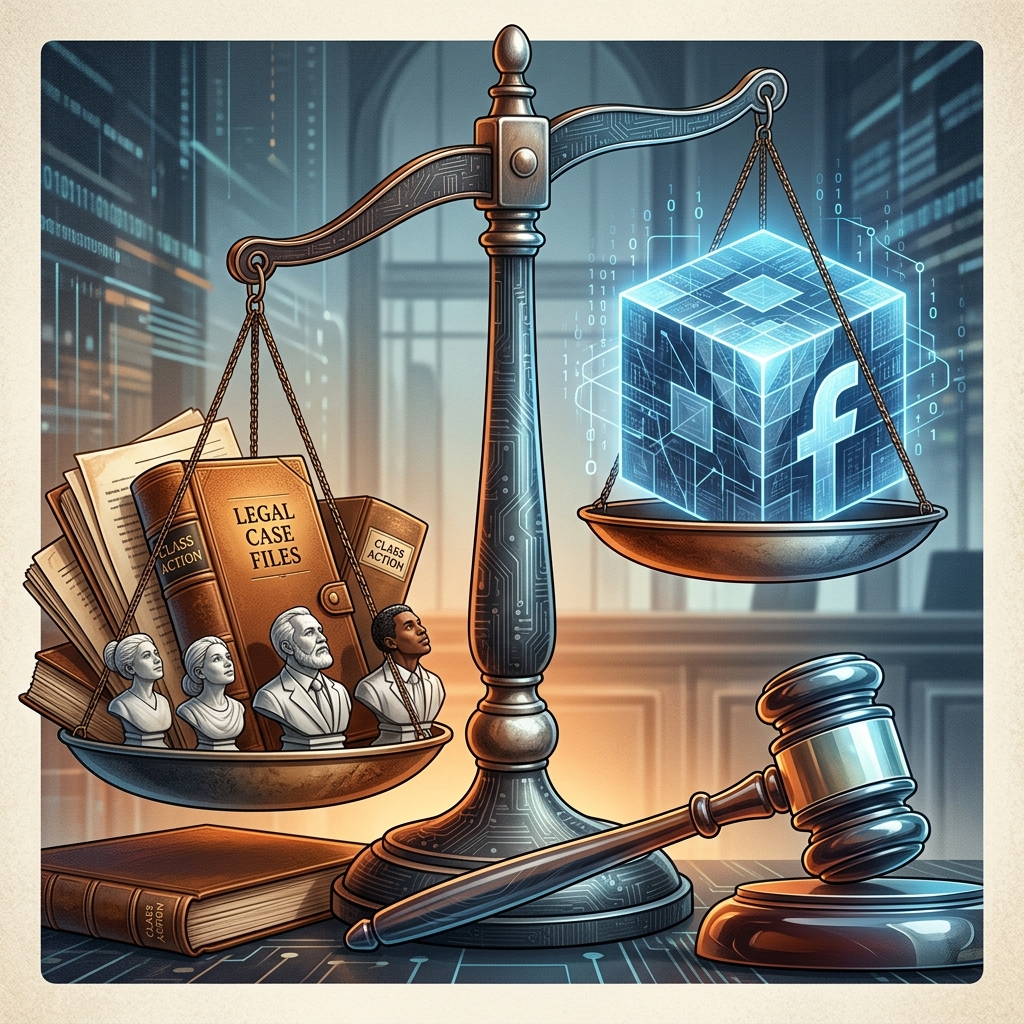
In recent years, race discrimination claims against Facebook (now Meta Platforms) have drawn intense public attention, illustrating broader concerns about diversity, equity, and inclusion in the technology sector. Multiple Black employees and job applicants have alleged that the company’s internal practices—from hiring and promotions to performance evaluations and pay—disadvantaged Black workers and created a hostile work environment.[10] This article examines what those complaints say, how they fit within U.S. civil rights law, and what they mean for both employees and employers.
Background: Allegations of Racial Bias at Facebook
Several Black professionals have filed complaints claiming that Facebook systematically discriminated against Black workers and applicants. These individuals include at least one Black employee and multiple job candidates who say they were denied positions or advancement due to race.
According to public reports:
- Complainants assert that Facebook maintained a “general policy of discrimination” against Black workers and applicants in hiring, evaluations, promotions, and pay.
- They allege a hostile work environment, including feeling undervalued, excluded from opportunities, and not taken seriously in decision-making.
- The complaints describe practices such as emphasizing “cultural fit,” relying heavily on peer reviews, and handling discrimination claims through confidential arbitration, all of which allegedly disadvantage Black workers.
These complaints were filed with the U.S. Equal Employment Opportunity Commission (EEOC), the federal agency that enforces laws against workplace discrimination under Title VII of the Civil Rights Act and related statutes.
Key Case Developments and Legal Pathways
Race discrimination claims at Facebook have arisen through several legal channels. Some complaints have been filed directly in civil court, while others began as EEOC charges that may later lead to lawsuits.
EEOC Class Complaint by Black Workers
On July 2, 2020, Black employees and job applicants submitted a class-wide charge to the EEOC, seeking to represent a nationwide class of Black workers and candidates who they allege were harmed by Facebook’s employment practices.[10]
- The charge claims discrimination in hiring, performance evaluations, promotions, and compensation affecting Black workers across the company.
- It also states that Black employees at Facebook do not feel respected, valued, or heard in its corporate culture.
- The complainants ask the EEOC to investigate a “pattern or practice” of bias against Black workers in employment decisions.
An EEOC charge is typically the first formal step in many discrimination cases. The EEOC reviews the allegations, conducts investigations, and may attempt to mediate between the parties. If the EEOC finds discrimination, it may pursue enforcement action or issue a “right-to-sue” letter, allowing complainants to bring a civil lawsuit in federal court.
Individual Lawsuits Alleging Race and Gender Bias
In addition to class complaints, individual former employees have brought civil lawsuits against Facebook in state court, alleging race discrimination, gender discrimination, and related claims such as harassment and retaliation.
For example, one former employee has claimed that:
- Race and gender discrimination were pervasive in her work environment.
- Colleagues ignored her opinions and subjected her to inappropriate remarks, including comments about motherhood and her decision to work rather than stay at home.
- A less-qualified male worker was selected to replace her role, and she was eventually terminated.
Such lawsuits typically seek monetary damages for lost wages and benefits, emotional distress, and attorneys’ fees. They also sometimes result in settlements that include policy changes or training obligations for employers.
Legal Framework: How Race Discrimination Is Evaluated
To understand these complaints against Facebook, it is critical to examine the underlying law. In the United States, race discrimination in employment is primarily governed by Title VII of the Civil Rights Act of 1964, which prohibits discrimination in hiring, firing, compensation, promotions, and other terms and conditions of employment based on race, color, religion, sex, and national origin.
Title VII Basics
| Legal Concept | What It Means Under Title VII |
|---|---|
| Disparate Treatment | Intentional discrimination, where an employer treats an employee or applicant less favorably because of race. |
| Disparate Impact | Neutral policies that disproportionately harm a protected group and are not justified by business necessity. |
| Harassment/Hostile Environment | Severe or pervasive conduct based on race that creates an abusive workplace, such as repeated racial slurs or exclusion from key opportunities. |
| Retaliation | Adverse actions taken against individuals for reporting discrimination or participating in investigations. |
Complaints against Facebook raise both disparate treatment and disparate impact concerns. Allegations of being passed over for jobs or promotions while less-qualified non-Black candidates advance point to potential disparate treatment. Claims that internal evaluation systems or hiring processes systematically disadvantage Black workers may suggest disparate impact.
The Role of the EEOC
The EEOC is the primary federal agency enforcing Title VII and related civil rights laws in employment.
- Workers generally must file an EEOC charge before bringing a federal lawsuit for discrimination.
- The EEOC investigates, may conduct interviews or request documents, and can attempt conciliation or mediation.
- If the EEOC finds reasonable cause to believe discrimination occurred, it can sue on behalf of workers or issue a right-to-sue letter allowing workers to file their own lawsuits.
In the case involving Facebook, complainants are using the EEOC process not only to address individual grievances but also to challenge broad organizational practices that allegedly harm Black employees and applicants.
Broader Civil Rights Action Against Facebook’s Advertising Systems
While the race discrimination allegations discussed above focus on Facebook as an employer, the company has also faced separate civil rights scrutiny relating to its advertising platform. Civil rights organizations and the U.S. Department of Justice have challenged how Facebook/Meta’s tools for housing, employment, and credit ads can be used—or were allegedly used—in discriminatory ways.
Settlement with Civil Rights Groups on Targeted Advertising
In a significant settlement with civil rights advocates, Facebook agreed to sweeping changes to its advertising platform.
- Advertisers for housing, employment, and credit opportunities can no longer exclude users based on gender, age, or other protected characteristics.
- Facebook created a separate process for such ads, removing detailed targeting options related to protected classes and banning geographic targeting below a 15-mile radius.
- The company committed to an automated and human review system and a three-year monitoring period to ensure compliance with anti-discrimination rules.
These changes demonstrate how civil rights enforcement can reshape platform design when regulators and advocacy groups identify discriminatory impacts stemming from targeting tools.
Justice Department Settlement Over Housing Ads
The U.S. Department of Justice also reached a groundbreaking settlement with Meta regarding housing-related advertising.
- The DOJ alleged that Meta’s ad delivery system used machine-learning algorithms that relied, in part, on protected characteristics such as race and sex to determine which users would receive housing ads.
- The complaint asserted both disparate treatment and disparate impact discrimination under the Fair Housing Act (FHA).
- Under the settlement, Meta must stop using certain ad tools, such as “Special Ad Audience,” for housing ads, and remove targeting options that directly relate to FHA-protected characteristics.
- Meta agreed to pay a civil penalty and notify the United States if it plans to add new targeting options, which the court can review.
Although this case focuses on housing rather than employment, it underscores how algorithmic tools and ad delivery systems can raise civil rights concerns when they influence access to key opportunities like housing, jobs, or credit.
What These Cases Reveal About Workplace Bias in Tech
The Facebook complaints are part of a broader pattern of allegations against major technology companies concerning race discrimination and lack of diversity in their workforces. Observers have long noted that Black workers are underrepresented in technical and leadership roles across the industry.[10]
Systemic Issues Highlighted by Complainants
Claims against Facebook illustrate several recurring themes:
- Underrepresentation of Black workers in core technical and managerial positions, which can compound feelings of isolation and exclusion.[10]
- Heavy reliance on informal measures like “cultural fit” and peer endorsements, which may unintentionally favor majority groups and reproduce existing biases.
- Use of confidential arbitration for discrimination claims, potentially limiting transparency and making systemic problems harder to detect externally.
- Concerns that diversity initiatives and public statements do not always translate into meaningful changes in everyday decision-making and career progression.[10]
Implications for Employees and Job Seekers
For workers and applicants, these cases demonstrate that formal legal remedies exist when workplace discrimination is suspected. Key takeaways include:
- Employees can file internal complaints, but they also retain the right—subject to procedural rules—to raise concerns with agencies like the EEOC.
- Documenting incidents, performance evaluations, and communications can be critical for building a record of potential discrimination.
- Class-wide or pattern-or-practice complaints can address systemic issues that go beyond one person’s experience.
- Legal processes may take time, but they can result in both individual remedies and broader policy reforms.
Practical Guidance for Employers Seeking to Avoid Race Discrimination
Tech companies and other employers can draw practical lessons from these cases to reduce the risk of discrimination claims and create more equitable workplaces.
Core Best Practices
- Review hiring criteria to ensure that notions like “cultural fit” do not become a proxy for excluding underrepresented groups.
- Standardize evaluations by using consistent, transparent performance metrics rather than informal or subjective criteria wherever possible.
- Train managers and reviewers on implicit bias, anti-discrimination laws, and appropriate workplace conduct.
- Monitor outcomes by tracking promotion rates, compensation, and performance ratings across demographic groups to identify unexplained disparities.
- Provide safe reporting channels and ensure that complaints are investigated promptly and thoroughly, without retaliation.
Addressing Algorithmic and Platform Bias
For companies that rely on algorithms and automated tools, recent enforcement actions against Meta offer a cautionary example.
- Audit algorithms that influence hiring, promotion, or access to opportunities, checking for differential impact on protected groups.
- Design targeting and delivery systems with civil rights in mind, avoiding criteria directly tied to protected characteristics.
- Collaborate with legal experts and civil rights organizations to develop compliance strategies for both employment and consumer-facing tools.
FAQs: Race Discrimination Complaints and Tech Companies
1. What does a race discrimination complaint against an employer typically allege?
A race discrimination complaint usually alleges that an employer took adverse actions—such as not hiring, denying promotion, paying less, or creating a hostile work environment—because of a worker’s race. Complaints may also challenge policies that disproportionately harm a racial group even without explicit intent.
2. Why is the EEOC involved in complaints against Facebook?
The EEOC enforces federal employment discrimination laws, including Title VII. Workers must typically file an EEOC charge before bringing a federal lawsuit. In the Facebook case, Black employees and applicants filed class-wide charges asking the EEOC to investigate alleged discriminatory patterns in hiring and employment practices.
3. How are platform advertising cases related to workplace discrimination?
Advertising cases focus on whether tools used for housing, employment, or credit ads unfairly limit who sees opportunities, potentially violating laws such as the Fair Housing Act or equal employment statutes. While distinct from internal employment practices, both types of cases address access to opportunities and protection of civil rights.
4. Can diversity and inclusion programs eliminate legal risk?
Diversity programs can reduce risk and improve workplace culture, but they do not replace legal compliance. Employers must ensure that their actual decisions, policies, and algorithms respect civil rights laws. Strong programs combine training, data monitoring, transparent processes, and accountability mechanisms.
5. What should workers do if they suspect race discrimination?
Workers can consider documenting relevant incidents, reviewing employer policies, and consulting internal HR channels or external legal counsel. Filing a charge with the EEOC or a state civil rights agency is often an important step if internal efforts do not resolve the issue.
References
- “We Have A Black People Problem”: Facebook Worker Claims Racial Discrimination — NPR. 2020-07-02. https://www.npr.org/2020/07/02/886544638/we-have-a-black-people-problem-facebook-worker-claims-racial-discrimination
- Meta’s Race Discrimination in Hiring and Promotions (Veneszee v. Facebook) — Outten & Golden / PRF Law. 2020-07-02. https://prf-law.com/current-cases/metas-race-discrimination-in-hiring-and-promotions
- Facebook Employee Files Racial Discrimination Complaint — Valiant Law. 2020-07. https://www.valiantlaw.com/blog/2020/july/facebook-employee-files-racial-discrimination-co/
- Complaint Alleges That Facebook Is Biased Against Black Workers — The Washington Post. 2020-07-02. https://www.washingtonpost.com/technology/2020/07/02/facebook-racial-bias-suit/
- Black Employees Allege Racial Discrimination At Facebook In New Legal Complaint — Forbes. 2020-07-02. https://www.forbes.com/sites/alisondurkee/2020/07/02/black-employees-allege-racial-discrimination-at-facebook-in-new-legal-complaint/
- Facebook Settles Civil Rights Cases by Making Sweeping Changes to Its Advertising Platform — American Civil Liberties Union (ACLU). 2019-03-19. https://www.aclu.org/news/womens-rights/facebook-settles-civil-rights-cases-making-sweeping
- Justice Department Secures Groundbreaking Settlement Agreement with Meta Platforms Inc., Formerly Known as Facebook Inc. — U.S. Department of Justice. 2022-06-21. https://www.justice.gov/archives/opa/pr/justice-department-secures-groundbreaking-settlement-agreement-meta-platforms-formerly-known
Similar Articles








Read full bio of Sneha Tete




