
Questions Every Birth Parent Should Ask Before Choosing Adoption
A practical, compassionate checklist to help expectant and birth parents explore whether adoption is the right choice and what type of adoption best supports them and their child.
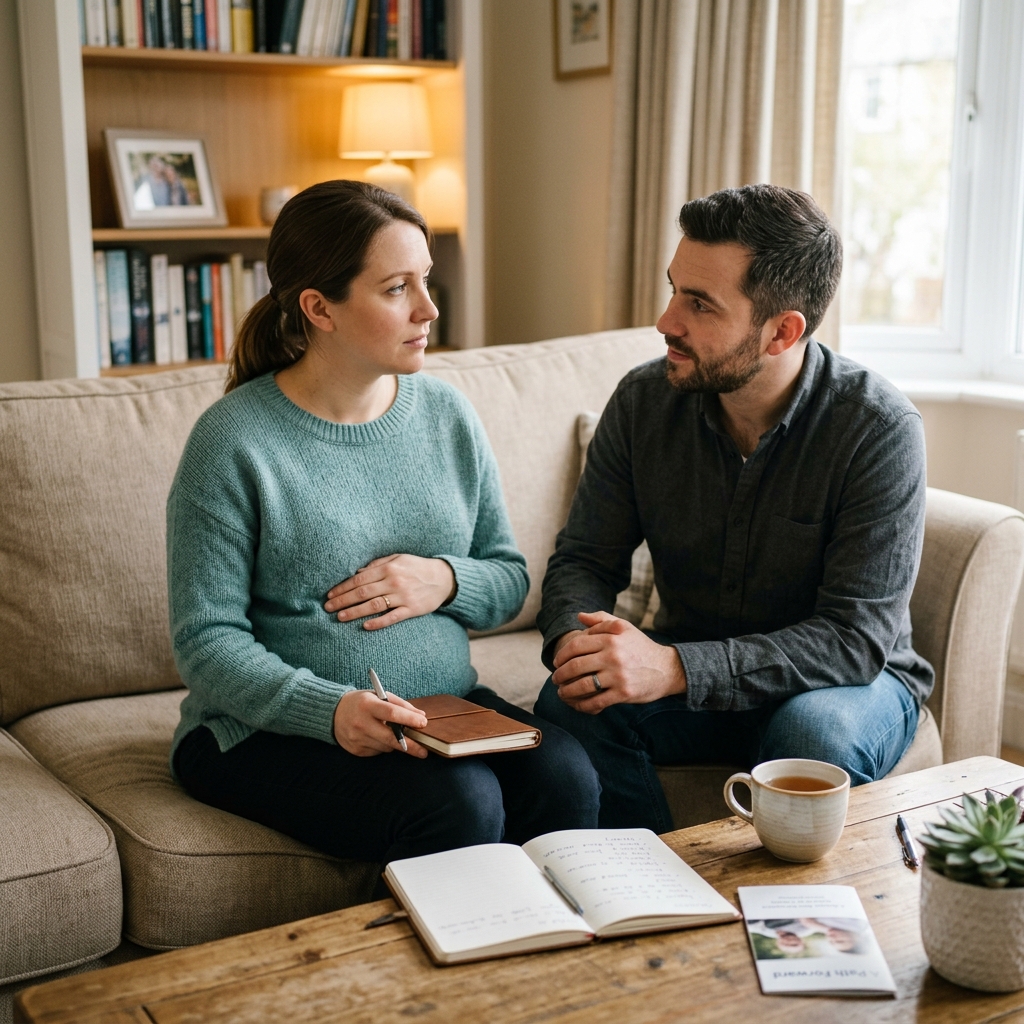
Considering placing a child for adoption is one of the most profound decisions a birth parent can make. This guide offers structured questions and explanations to help you explore your options, understand your rights, and think through both the emotional and legal implications before moving forward with an adoption plan.
Understanding Your Reasons and Emotional Readiness
Before looking at agencies, lawyers, or specific adoptive families, it is important to understand why you are considering adoption and how you feel about this decision today and in the future.
Key Questions About Your Motivation
- What specific circumstances are leading me to consider adoption (financial, health, relationship, housing, safety)?
- Have I explored other parenting supports, such as family help, community resources, or public assistance programs?
- Am I choosing adoption freely, or do I feel pressured by a partner, family member, or community expectations?
- How do I imagine my life in one year, five years, and ten years if I choose adoption versus parenting?
Emotional Questions to Reflect On
Research suggests that birth parents often experience complex emotions such as loss, grief, guilt, and questions about identity after placement. Understanding these potential feelings in advance can help you plan for support.
- How do I feel when I picture my child living with another family from birth?
- What emotions arise when I imagine explaining this decision to my child in the future?
- How do I typically cope with difficult emotions like sadness, regret, or anxiety?
- Do I have access to counseling or support groups for expectant or birth parents considering adoption?
Recognizing that adoption involves long-term emotional impact does not mean you should or should not proceed, but it helps ensure your decision is informed and intentional.
Exploring Types of Adoption and Future Contact
One of the most critical choices for birth parents is the type of adoption and the degree of ongoing contact they want with their child and the adoptive family. Many states and organizations recognize three broad models: open, semi-open, and closed adoption.[10]
Comparing Adoption Types
| Adoption Type | Typical Contact Level | Information Shared | Questions for Birth Parents |
|---|---|---|---|
| Open Adoption | Direct contact between birth and adoptive families; may include visits, calls, and messages.[10] | Names, addresses (sometimes), ongoing updates, and photos. | Am I comfortable being part of my child’s life as they grow, even if I am not their legal parent? |
| Semi-Open Adoption | Limited or mediated contact through an agency or attorney.[10] | Updates and photos, usually without sharing full identifying information. | Would I prefer more privacy while still knowing how my child is doing over time? |
| Closed Adoption | No contact after placement; records may be sealed.[10] | Minimal information exchanged, often only non-identifying details. | Is anonymity important to my safety or emotional wellbeing, and how might that affect my child later? |
Questions About Contact With Your Child and the Adoptive Family
Modern practice acknowledges that some level of birth family contact can benefit adopted persons’ adjustment, when safely managed.
- How much contact do I hope to have after the adoption—letters, photos, video calls, in-person visits, or no contact?
- What boundaries would make me feel secure (for example, no unannounced visits, communication through an agency, or specific times for updates)?
- How might my feelings about contact change over time, and could the agreement be reviewed or adjusted?
- Are there cultural, safety, or privacy reasons that make more or less contact appropriate in my situation?
Legal Rights, Consent, and Protections
Adoption involves a formal transfer of parental rights from birth parents to adoptive parents. This is primarily governed by state law in the United States, sometimes with additional federal protections.
Questions About Consent and Timing
Most states require your informed, written consent to adoption and include specific waiting periods or rules about when consent can be signed and when it becomes final.
- At what point in pregnancy or after birth can I legally sign consent papers in my state?
- Is there a mandatory waiting period before my consent can be accepted by the court?
- For how long, if at all, can I revoke or withdraw my consent after signing, and what is the process?
- If I am a minor, do I still have the right to decide about adoption without my parents’ permission, or do local laws differ?
Questions About the Birth Father and Other Legal Parties
Many jurisdictions require that agencies or attorneys make a good-faith effort to locate and notify the birth father, and courts consider his rights carefully.
- What information is needed about the birth father for the adoption to proceed?
- What happens if the birth father cannot be located, disagrees with the adoption, or refuses to sign consent?
- How will my attorney or agency document efforts to notify and involve the birth father?
- Are there any tribal, immigration, or cross-border issues involved, such as protections under the Indian Child Welfare Act for Native American children?
Protecting Yourself From Legal and Financial Risk
Although adoption is designed to protect children, birth parents also face legal and emotional risks, such as misunderstandings about contact or financial arrangements.
- What expenses, if any, can the adoptive family legally pay during my pregnancy, and how are those documented?
- Does the agreement include any promises that are not enforceable in court, especially about future contact?
- Have I been offered independent legal advice separate from the adoptive family’s lawyer or agency?
- How will my medical information and records be handled to protect my privacy while supporting my child’s future health needs?
Choosing an Adoption Professional or Organization
Birth parents commonly work with licensed agencies, attorneys, or social service organizations. It is essential to understand who is guiding the process and whose interests they represent.
Questions to Ask Agencies or Attorneys
- Are you licensed to provide adoption services in my state, and how long have you been operating?
- Do you represent my interests, the adoptive parents, or both, and how do you avoid conflicts of interest?
- What counseling, education, or support do you offer to birth parents before and after placement?
- How do you screen prospective adoptive parents (background checks, home studies, training)?
- What happens if the adoption cannot be completed—for example, if the match fails or I change my mind before final consent?
Warning Signs to Watch For
Credible professionals will explain risks such as disruptions, failed adoptions, or agency closures and help you understand your options.
- Pressure to sign documents quickly or without legal explanation.
- Promises of guaranteed outcomes or large financial incentives.
- Refusal to discuss your right to independent legal advice or counseling.
- Lack of transparency about fees, timelines, or the adoptive family’s background.
Getting to Know Prospective Adoptive Parents
Many birth parents want detailed information about the prospective adoptive family before placing a child. Law firms and agencies often encourage open, thoughtful questions.
Questions About Their Lifestyle and Values
- Where do they live, and what is their home environment like (urban, rural, multigenerational household)?
- What are their beliefs or traditions around religion, culture, and holidays?
- Do they have other children, and how do they feel about raising an adopted child alongside biological or other adopted siblings?
- What do their extended family members think about adoption and their role in your child’s life?
Questions About Parenting Style and Support
- How do they approach discipline, education, and healthcare for children?
- What resources or communities do they rely on for parenting advice and support?
- Are they prepared to talk openly with your child about their adoption story and birth family over time?
- How do they plan to honor your child’s cultural, racial, or ethnic background?
Questions About Future Contact Plans
- What kind of contact do they feel comfortable with (letters, photos, emails, visits)?
- How will expectations about contact be documented and revisited as your child grows?
- Are they willing to support your child in reconnecting or communicating with you if your child asks questions later?
- How do they handle complicated emotions, such as loyalty to both families or your child’s curiosity about their origins?
Planning for Your Child’s Long-Term Wellbeing
Adoption is not only about birth and infancy. Decisions made now will affect your child’s emotional, social, and medical life for decades.
Questions About Identity and Origins
Experts emphasize the importance of giving children age-appropriate information about their birth parents and adoption story.
- What information about my background—health history, family story, culture—would be helpful to my child later?
- How will the adoptive parents talk to my child about me and my reasons for choosing adoption?
- Will my child know my name, see photos of me, or learn about my family traditions?
- Is there a way for me to provide a letter, video, or other keepsake explaining my love and hopes for them?
Questions About Medical History and Records
- Have I shared complete and accurate medical information, including genetic conditions, family health patterns, and mental health history?
- How will my medical records be stored, and can my child access them later if needed?
- Are there specific health screenings or tests I should consider to give my child a clearer medical picture?
Questions About Legal and Practical Protections
- What legal documents will ensure that the adoptive parents have full parental authority to make decisions for my child?
- Are there guardianship plans in place if something happens to the adoptive parents while my child is still a minor?
- Will my child have access to life insurance, inheritance, or other financial protections from the adoptive family?
Preparing for Life After Placement as a Birth Parent
The adoption process does not end with the court order. Birth parents often need ongoing practical and emotional support to navigate the months and years after placement.
Questions About Emotional and Social Support
- What counseling services or support groups are available to birth parents after adoption?
- How will I handle reminders of my child’s birthday, holidays, or milestones?
- Do I have trusted friends or family who understand and respect my decision and can offer nonjudgmental support?
- What might healing and growth look like for me over time, even if I continue to feel sadness or loss?
Questions About Future Contact and Changing Needs
- If my circumstances change and I desire more or less contact, how will I communicate this to the adoptive family?
- What boundaries do I need to protect my wellbeing, particularly around social media or unexpected contact?
- How will I respond if my child reaches out directly when they are older, especially through online platforms?
Frequently Asked Questions (FAQs) for Birth Parents
Is choosing adoption the same as giving up on my child?
No. Adoption is a legal and emotional decision to place your child in another family’s care, often motivated by concern for their wellbeing. Many birth parents see adoption as a way to provide stability and opportunities they cannot currently offer, while still honoring their love for the child.
Can I change my mind after signing adoption papers?
In many states, birth parents may revoke consent for a limited time after signing, but the rules vary widely and usually become strict once a court approves the consent. You should ask a licensed attorney in your state about exact timelines and procedures before you sign any documents.
How do open adoption agreements work?
Open adoption agreements outline the type and frequency of contact between birth and adoptive families. In some jurisdictions they may be enforceable, and in others they are more like moral commitments that rely on trust and communication.[10] It is essential to understand how enforceable your agreement is and to have realistic expectations about contact.
Will my child know who I am?
In open and many semi-open adoptions, children grow up with information about their birth parents, often including names, photos, and personal stories. Even in closed adoptions, some jurisdictions allow adult adoptees to access identifying or non-identifying information later. You can discuss with your attorney or agency how much information you want shared and how.
Do I need my parents’ permission if I am under 18?
Some states give pregnant minors the independent right to consent to adoption without their parents’ permission, while others may require additional steps or considerations. Because laws differ, you should speak with an attorney or licensed counselor familiar with your state’s rules.
What if the birth father disagrees with the adoption?
Courts typically consider the birth father’s legal rights and require notification and an opportunity to consent or object. If the birth father cannot be located or has abandoned the child under state law, the court may still allow the adoption to proceed. A qualified attorney can explain how local law applies to your situation.
Where can I find help deciding?
You can seek support from licensed adoption agencies, family law attorneys, social service organizations, and mental health professionals who specialize in pregnancy and adoption decisions.[10] Many states also provide publicly funded resources to help expectant parents explore options without pressure.
References
- Considering Adoption? — Texas Health and Human Services / Texas Family Resources. 2023-06-01. https://www.familyresources.texas.gov/pregnancy-adoption/considering-adoption
- Birth Parents — Frequently Asked Questions — Law Offices of David J. Abramson (Washington Adoption Attorney). 2022-04-15. https://washingtonadoptionattorney.com/birth-parents/birth-parents-faq/
- Adoption Process, Types, Risks, and Considerations — Fischer & Van Thiel, LLP. 2021-11-10. https://www.fischervanthiellaw.com/adoption-process-types-risks-and-considerations/
- Thinking About Adoption? 3 Things To Consider — LegalShield. 2022-09-20. https://www.legalshield.com/blog/thinking-about-adoption-3-things-consider
- Birth Family Contact from Childhood to Adulthood: Adjustment and Relationship Quality for Adopted Individuals — Neil, E., et al., Children and Youth Services Review. 2023-05-01. https://pmc.ncbi.nlm.nih.gov/articles/PMC10361248/
- Talking to Adopted Children About Birth Parents and Origins — National Council For Adoption, Adoption Advocate No. 87. 2015-09-01. https://adoptioncouncil.org/publications/adoption-advocate-no-87/
- Seven Core Adoption Issues for Adoptees, Birth Parents, and Adoptive Parents — Crossnore Communities for Children. 2020-03-05. https://www.crossnore.org/adoption-issues/
Similar Articles








Read full bio of medha deb


