
When “Made in USA” Misses the Mark: Lessons from the Pyrex Case
How misleading “Made in USA” labels led to FTC action against Pyrex and what every shopper and marketer should know.
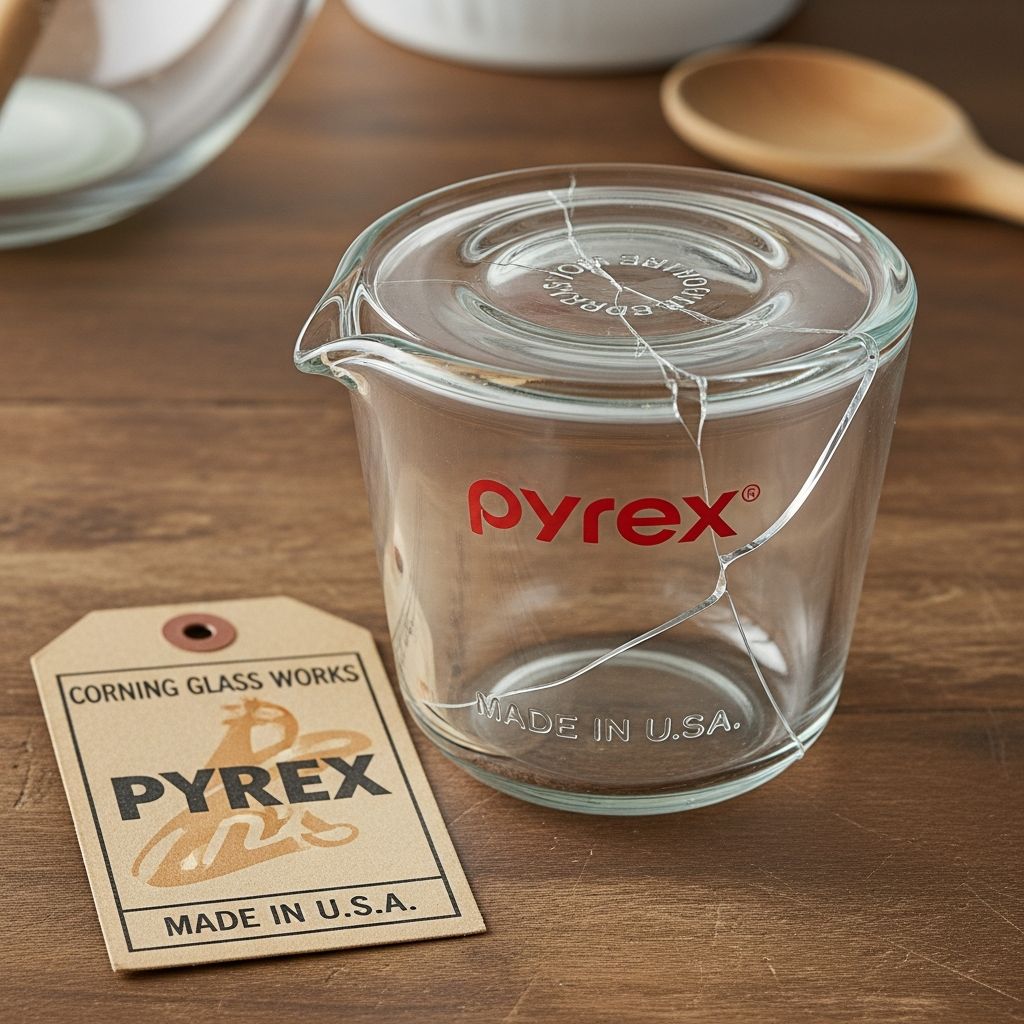
Country-of-origin labels are more than just marketing slogans. For many people, a claim like “Made in USA” signals quality, jobs at home, and compliance with stronger safety and environmental standards. But those claims must be truthful. Recent enforcement against the manufacturer of Pyrex glassware shows what happens when a popular brand’s claims do not match reality.
This article explains what went wrong in the Pyrex case, what U.S. law requires for “Made in USA” advertising, how the Federal Trade Commission (FTC) enforces those rules, and what both shoppers and businesses can do to protect themselves.
Why “Made in USA” Claims Matter
The FTC has long recognized that many consumers rely on U.S.-origin claims when deciding what to buy. People may prefer American-made products for reasons such as:
- Supporting domestic jobs and local manufacturing communities
- Perceived quality and durability of U.S.-made goods
- Environmental or labor concerns about production standards in other countries
- National pride or alignment with personal values
Because these claims influence purchasing decisions, false or misleading origin statements are treated as a serious form of deceptive advertising under Section 5 of the FTC Act, which prohibits unfair or deceptive acts or practices.
The Pyrex Story: What Went Wrong
Pyrex is a well-known brand for glass measuring cups and other kitchen products. For years, its marketing highlighted a U.S. manufacturing legacy, portraying its products as part of an American baking tradition. That image became a liability when production changed but the advertising did not keep up.
Demand Spike and Shift to Overseas Production
During the early period of the COVID-19 pandemic, many people spent more time cooking and baking at home. This led to surging demand for Pyrex glass measuring cups. According to the FTC:
- The manufacturer, Instant Brands LLC, struggled to keep up with U.S. production.
- Beginning in March 2021, the company started producing certain Pyrex glass measuring cup sets in China to meet demand.
- This overseas production continued into 2022 while U.S.-focused marketing remained in place.
Conflict Between Labels and Advertising
The core problem was a mismatch between what the products said and what the ads said. The FTC alleged that:
- Some measuring cup sets physically bore a “Made in China” marking on the cups themselves.
- At the same time, the company’s online marketing and broader messaging represented the products as being made in the United States or implied that all its glassware was of U.S. origin.
- More than 110,000 units of Chinese-made measuring cup sets were sold to U.S. consumers under the “Made in USA” marketing umbrella.
In short, even though the individual items might have had correct country markings, the FTC found that the combined effect of slogans and product descriptions misled buyers about where those specific measuring cups were made.
The FTC’s Case Against Instant Brands
The FTC filed an administrative complaint against Instant Brands, asserting that its claims and imagery violated Section 5 of the FTC Act by being false or misleading. The case did not rely on the separate Made in USA Labeling Rule because the physical markings on the products were not the issue; instead, it focused on advertising and implied claims across the product line.
To resolve the matter, Instant Brands agreed to an FTC order that:
- Prohibits deceptive U.S.-origin claims going forward for any of its products unless strict criteria are met.
- Requires the company to pay a monetary judgment (over $129,000) tied to the allegedly deceptive claims.
- Mandates clear disclosures when a product includes foreign components or processing but is advertised with qualified U.S.-origin language.
The FTC later oversaw a refund program to return more than $88,000 to consumers who bought the Chinese-made measuring cups marketed as “Made in USA.”
What the Law Requires for “Made in USA” Claims
The U.S. has specific standards for when a product can be marketed as made in the United States. The FTC enforces these rules for most consumer goods. The Federal Trade Commission’s Enforcement Policy Statement on U.S. Origin Claims and the Made in USA Labeling Rule provide detailed guidance.
Unqualified vs. Qualified Claims
The law distinguishes between two broad types of origin statements:
| Type of Claim | Description | What Is Required |
|---|---|---|
| Unqualified “Made in USA” | A claim or slogan that suggests a product is entirely or almost entirely made in the United States, with no mention of foreign content. | The product’s final assembly or processing, and all significant processing, must occur in the U.S., and all or virtually all components must be of U.S. origin. |
| Qualified U.S.-origin claim | Statements like “Made in USA with imported parts” or “Assembled in USA,” which acknowledge some foreign content or processing. | Any foreign content or processing must be clearly and prominently disclosed so the overall message is not deceptive. |
Standards for “Assembled in USA”
The Pyrex order also addressed claims that a product is assembled domestically. To say that something is “assembled in the USA”, companies must ensure that:
- The product is last substantially transformed in the United States.
- The principal assembly takes place in the United States.
- The U.S. assembly operations are substantial, not just minor finishing or packaging.
FTC’s Made in USA Labeling Rule
In August 2021, the FTC’s Made in USA Labeling Rule took effect, allowing the agency to seek civil penalties for certain false unqualified U.S.-origin claims on labels. While the Pyrex case primarily involved advertising and implied claims, the rule reinforces that:
- Companies must not misrepresent, directly or indirectly, that a product is made in the United States unless they meet the “all or virtually all” standard.
- Violations can result in significant civil penalties for each unlawful label.
Key Takeaways for Consumers
For shoppers, the Pyrex case offers practical lessons. It shows why you should not rely solely on broad marketing themes and why reading the fine print can matter.
How to Evaluate “Made in USA” Claims
When you see a U.S.-origin statement:
- Look for specific wording: An unqualified “Made in USA” suggests the strictest standard, while language like “Designed in USA” or “Assembled in USA” may involve substantial foreign content.
- Check the physical label or marking on the product itself, especially for durable goods like tools, appliances, or cookware.
- Review product descriptions on retailer websites for signs of imported parts, foreign manufacturing, or mixed production locations.
- Be alert to imagery and slogans that imply U.S. origin without literally saying “Made in USA.” Patriotic themes, flags, and references to American heritage can still carry an implied origin message.
What to Do if You Suspect Deception
If you believe a company is misleading consumers about country of origin:
- Keep records like order confirmations, screenshots of product pages, and photographs of labels or markings.
- Report the issue to the FTC through its official complaint channels.
- Consider contacting your state attorney general’s consumer protection office, which may also investigate deceptive trade practices.
In some cases, as with Pyrex, the FTC may obtain refunds or other monetary relief for affected consumers.
Key Takeaways for Businesses and Marketers
The Pyrex enforcement action is an important reminder to brands that U.S.-origin claims must be supported by facts and updated whenever supply chains change.
Common Compliance Pitfalls
Companies that advertise “Made in USA” should pay close attention to:
- Supply chain shifts: Moving production overseas, even temporarily, requires promptly revisiting all U.S.-origin marketing claims.
- Legacy slogans and imagery: Long-running campaigns about American heritage or domestic manufacturing can become misleading if they no longer reflect current production.
- Omnichannel consistency: Product packaging, website descriptions, retailer listings, and social media all need to tell the same truth.
- Implied claims: A claim does not have to be explicit to be deceptive. Overall impressions from imagery and copy are what matter under FTC law.
Building a Compliant Origin-Claim Program
To stay on the right side of the law, businesses can adopt internal controls such as:
- Regular audits of origin claims whenever suppliers, components, or manufacturing locations change.
- Cross-functional review involving legal, compliance, marketing, and supply chain teams before launching campaigns that reference U.S. origin.
- Clear documentation of where final assembly occurs, where significant processing takes place, and where major components come from.
- Training for marketing staff on the difference between unqualified and qualified claims and on how to draft accurate disclosures.
How the Pyrex Case Fits into Broader Enforcement Trends
The Pyrex enforcement is part of a broader pattern of increased federal scrutiny of U.S.-origin advertising across industries.
- The FTC has brought multiple actions in recent years against companies that exaggerated or misrepresented U.S. manufacturing.
- The U.S. Department of Agriculture has separately moved to tighten rules around “Product of USA” claims for meat, poultry, and egg products, reflecting a broader government interest in accurate origin statements for food and consumer goods.
- Civil penalties and monetary judgments are becoming more common consequences for deceptive origin claims, increasing the financial risk for noncompliance.
For both consumers and businesses, this means that “Made in USA” language will continue to be a key focus of regulatory enforcement.
Frequently Asked Questions (FAQs)
Q1: What does “all or virtually all” mean in a Made in USA claim?
The FTC interprets “all or virtually all” to mean that all significant parts and processing that go into the product are of U.S. origin, and that any foreign content is negligible. This standard is stricter than simply having a final assembly in the United States.
Q2: Can a company say “Made in USA” if just the final assembly happens here?
Not as an unqualified claim. If most components or significant processing occur abroad, a pure “Made in USA” statement is likely deceptive. The company may need to use a qualified claim such as “Assembled in USA with imported parts,” provided that description accurately reflects the product’s origin.
Q3: Does it matter if the product label says “Made in China” but the ad says “Made in USA”?
Yes. Advertising, packaging, and labels are evaluated together based on their overall impression. If an ad suggests U.S. origin while the item is actually imported, the FTC can consider that misleading even if the product itself carries a correct country marking.
Q4: How did consumers benefit from the FTC’s action in the Pyrex case?
Beyond changing future advertising, the Pyrex case led to a monetary judgment against the manufacturer and a subsequent refund program in which the FTC sent more than $88,000 back to consumers who purchased the Chinese-made measuring cups marketed as “Made in USA.”
Q5: Where can companies find official guidance on U.S.-origin claims?
Companies can review the FTC’s Enforcement Policy Statement on U.S. Origin Claims and the Made in USA Labeling Rule on the FTC’s website, which outline how to make truthful unqualified and qualified U.S.-origin claims and explain potential penalties for violations.
References
- FTC Order Requires Pyrex Glass Manufacturer to Pay for Falsely Claiming Chinese Products Were Made in USA — Federal Trade Commission. 2023-01-09. https://www.ftc.gov/news-events/news/press-releases/2023/01/ftc-order-requires-pyrex-glass-manufacturer-pay-falsely-claiming-chinese-products-were-made-usa
- FTC Finalizes Order Against Pyrex Glass Manufacturer for False Made in USA Claims — Federal Trade Commission. 2023-03-07. https://www.ftc.gov/news-events/news/press-releases/2023/03/ftc-finalizes-order-against-pyrex-glass-manufacturer-false-made-usa-claims
- FTC Brings Action Against Pyrex Glass Manufacturer for “Made in USA” Products Imported from China — Hunton Andrews Kurth LLP. 2023-01-25. https://www.hunton.com/hunton-retail-law-resource/ftc-brings-action-against-pyrex-glass-manufacturer-for-made-in-usa-products-imported-from-china
- FTC Brings Enforcement Action for False “Made in USA” Advertising — ArentFox Schiff LLP. 2023-01-18. https://www.afslaw.com/perspectives/the-fine-print/desperate-times-desperate-measuring-cups-ftc-brings-enforcement-action
- Made in USA? FTC and USDA Stand Ready to Check — McGuireWoods LLP. 2023-03-20. https://www.mcguirewoods.com/client-resources/alerts/2023/3/made-in-usa-ftc-and-usda-stand-ready-to-check/
- FTC Sends Refunds to Consumers Who Bought Pyrex Glass Manufacturer’s Products Falsely Advertised as “Made in USA” — Federal Trade Commission. 2024-10-02. https://www.ftc.gov/news-events/news/press-releases/2024/10/ftc-sends-refunds-consumers-who-bought-pyrex-glass-manufacturers-products-falsely-advertised-made
Similar Articles








Read full bio of Sneha Tete


