
Pursuing Claims for Amusement Park Injuries
Learn when and how to hold theme parks accountable for injuries caused by negligence, with steps for evidence collection and legal action.
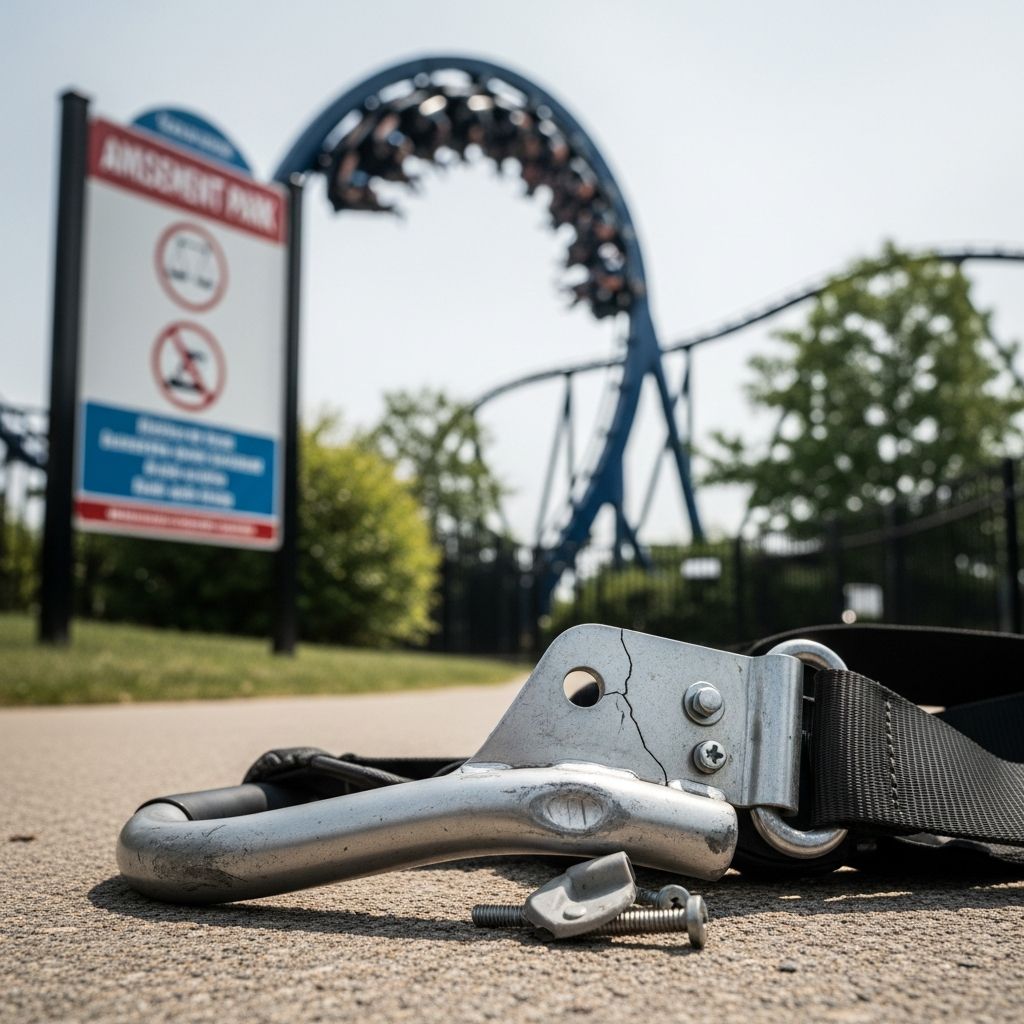
Amusement parks offer thrilling experiences, but accidents can lead to serious harm. Victims may seek compensation when park negligence contributes to injuries from rides, slips, or other hazards. Understanding legal rights empowers informed decisions on pursuing claims.
Common Hazards Leading to Injuries
Thrill rides, crowded walkways, and water attractions create multiple risks. Mechanical failures on roller coasters or carousels often cause fractures, head trauma, or worse. Slip-and-fall incidents on wet surfaces or uneven paths result in sprains and concussions. Inadequate staffing can lead to improper ride operations, while poor security fosters assaults in remote areas.
Children face heightened vulnerabilities, with smaller bodies suffering disproportionate damage from the same forces. Drowning in wave pools or lazy rivers occurs due to lax supervision. These incidents underscore why parks must prioritize safety protocols.
Establishing Negligence in Park Accidents
Negligence forms the basis for most claims. Parks owe visitors a high duty of care as invitees, requiring reasonable steps to prevent foreseeable harm. Breaches include skipping ride inspections, ignoring maintenance schedules, or failing to train operators adequately.
To prove negligence, demonstrate four elements: duty existed, it was breached, the breach caused injury, and damages resulted. For instance, a ride malfunction from unaddressed wear breaches maintenance duties. Courts examine industry standards set by organizations like the International Association of Amusement Parks and Attractions (IAAPA), which mandate daily checks and operator certification.
| Negligence Type | Example | Potential Injury |
|---|---|---|
| Equipment Failure | Unlubricated tracks | Spinal damage |
| Grounds Maintenance | Slippery walkways | Fractures |
| Staff Error | Overloading rides | Head trauma |
| Security Lapses | No patrols | Assault injuries |
Parties Potentially Liable for Harm
Liability extends beyond park operators. Premises liability targets owners for unsafe conditions. Ride manufacturers face product liability if defects like faulty harnesses cause failures, even with proper maintenance.
- Park Operators: Primary targets for operational failures.
- Manufacturers: Accountable for design flaws.
- Contractors: Maintenance firms neglecting inspections.
- Staff/Supervisors: Vicarious liability through negligent hiring.
In complex cases, multiple defendants share responsibility via comparative fault rules, reducing awards proportionally to victim fault.
Immediate Response After an Incident
Prompt actions strengthen claims. Prioritize medical evaluation, even for minor pain, to document injuries via records. Report to park management for an official incident form, noting details like time, ride name, and witnesses.
Collect evidence discreetly: photograph hazards, injuries, and signage; obtain witness contacts; retain tickets and wristbands. Avoid signing statements or accepting quick settlements from staff, as insurers lowball initially.
- Secure medical aid.
- Notify supervisors.
- Document everything.
- Avoid admissions of fault.
- Contact an attorney promptly.
Building a Robust Legal Case
Evidence is foundational. Medical bills, expert analyses of ride mechanics, and maintenance logs prove causation. Witness accounts corroborate events, while park videos (requestable via discovery) reveal operations.
Attorneys investigate thoroughly, subpoenaing records and consulting engineers. This uncovers violations like expired certifications or ignored complaints, pivotal in negotiations or trials.
Navigating the Claims Process Step-by-Step
Claims begin with a demand package: narrative, evidence, and damages calculation. Parks’ insurers respond with offers, often inadequate. Skilled negotiation escalates value, factoring future care.
If unresolved, lawsuits follow within statutes of limitations—typically 2-3 years, varying by state (e.g., 2 years in California, 3 in New York). Litigation involves discovery, motions, and potentially jury trials where vivid evidence sways outcomes.
Types of Recoverable Compensation
Damages cover tangible and intangible losses:
- Economic: Bills, wages, rehab.
- Non-Economic: Pain, emotional distress.
- Punitive: Rare, for egregious recklessness.
For children, parents claim derivative losses like missed work. Permanent impairments justify lifelong projections via vocational experts.
| Damage Category | Examples | Average Value Impact |
|---|---|---|
| Medical Costs | Surgery, therapy | High |
| Lost Income | Wages, future earnings | Medium-High |
| Pain & Suffering | Disability effects | Variable |
Challenges and Common Defenses
Parks invoke waivers, arguing assumed risk for obvious dangers. However, these don’t shield gross negligence. Contributory fault reduces awards if victims ignored rules, like height limits.
Proving sole park fault counters ‘open and obvious’ defenses for slips. Strong evidence overcomes barriers, as juries scrutinize safety lapses.
Special Considerations for Vulnerable Visitors
Minors require guardians filing on their behalf, with extended filing windows in some jurisdictions. Elderly or disabled guests leverage higher care duties for accessibility failures. International visitors navigate choice-of-law issues, often favoring incident-state rules.
Frequently Asked Questions
What if the injury seems minor at first?
Seek evaluation anyway; conditions like concussions worsen. Early records protect against later disputes.
Do waivers prevent suing?
No, not for negligence; courts invalidate overbroad releases.
How long to file a claim?
1-3 years typically; consult local statutes immediately.
Can I sue for emotional trauma?
Yes, if tied to physical injury or severe exposure.
What if multiple parties are involved?
Attorneys pursue all, maximizing recovery via joint liability.
Consulting specialists early maximizes outcomes. Parks settle most claims pre-trial to protect reputations, but preparation ensures fairness.
References
- When You Should Sue a Theme Park After an Accident — CEO Lawyer. 2024. https://ceolawyer.com/blog/when-you-should-sue-a-theme-park-after-an-accident/
- Steps to Take After a Theme Park Injury — Serious Attorney. 2024. https://seriousattorney.com/steps-to-take-after-a-theme-park-injury-your-top-questions-answered/
- Can I File a Lawsuit if I Was Injured at an Amusement Park — LA Personal Injury Law. 2024. https://www.la-personalinjurylaw.com/article/can-i-file-a-lawsuit-if-i-was-injured-at-an-amusement-park
- How Can I Seek Compensation After a Theme Park Injury — Malloy Law. 2024. https://www.malloy-law.com/how-can-i-seek-compensation-after-a-theme-park-injury/
- Child Injury Amusement Park NC — Burts Law. 2024. https://burtslaw.com/child-injury-amusement-park-nc/
- Who Is Legally Liable for Injuries at a Theme Park — Moody Law. 2024-05-09. https://www.moodylaw.com/blog/2024/05/09/who-is-legally-liable-for-216209/
- Legal Rights for Victims of Ride Injuries — Horn Wright, LLP. 2024. https://www.hornwright.com/personal-injury/amusement-park-accidents/legal-rights-for-victims-of-ride-injuries/
Similar Articles








Read full bio of medha deb




