
Pursuing Claims After Wildfire Destruction
Learn when and how wildfire victims can seek compensation beyond insurance for property loss, injuries, and emotional trauma.
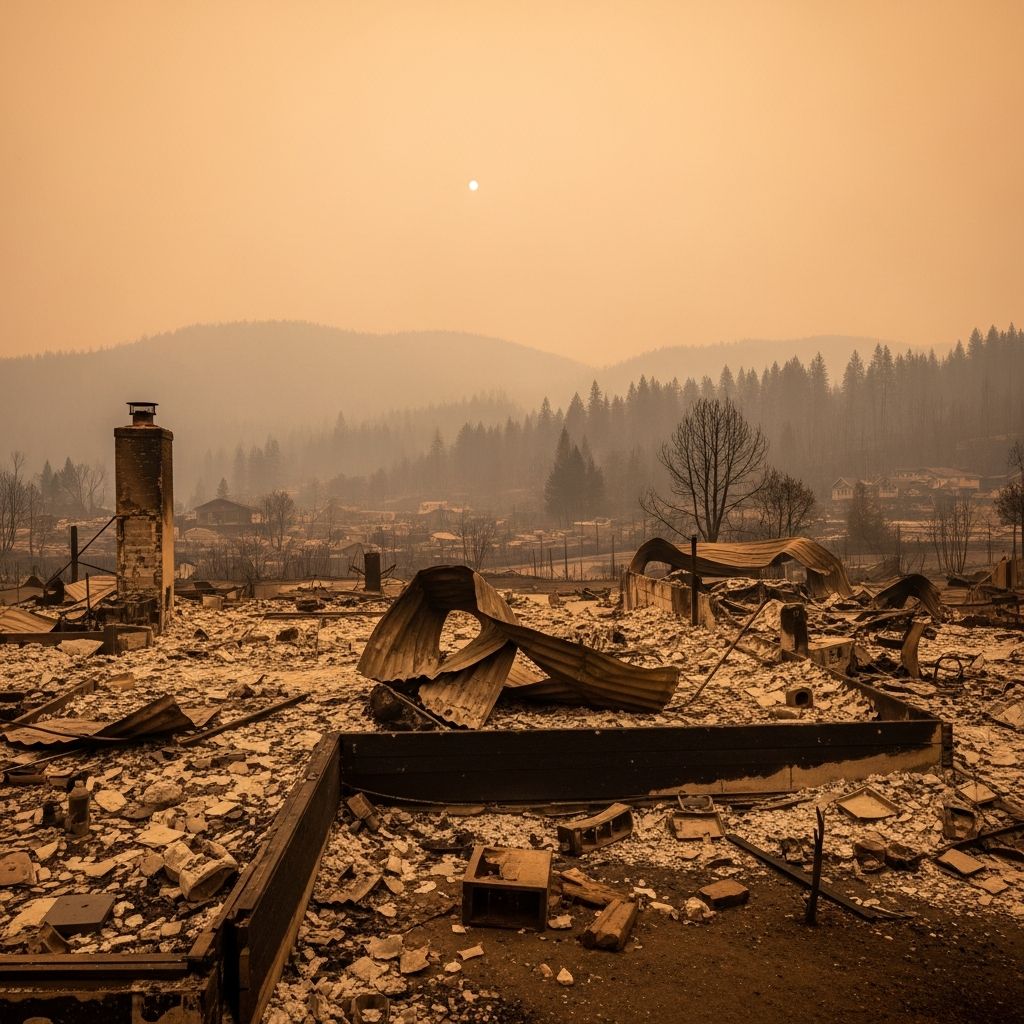
Wildfires devastate communities, causing massive property loss, injuries, and long-term emotional harm. While insurance provides initial relief, many victims find it insufficient, prompting lawsuits against negligent parties like utility companies or contractors. This article explores legal pathways, recoverable damages, and strategic steps for justice.
Understanding Liability in Wildfire Cases
Liability arises when a third party’s negligence sparks or worsens a wildfire. Utility providers, for instance, may fail to maintain power lines, leading to sparks in dry conditions. Proving this requires demonstrating duty of care, breach, causation, and resulting harm.
- Duty of Care: Entities like power companies must prevent foreseeable risks to public safety.
- Breach: Actions such as ignoring faulty equipment or overgrown vegetation near lines.
- Causation: Linking the breach directly to the fire’s ignition or spread.
- Damages: Quantifiable losses suffered by victims.
In California, inverse condemnation offers a unique avenue, holding public utilities strictly liable under the state constitution without proving negligence, if their infrastructure contributes to the fire.
Types of Recoverable Damages
Wildfire claims cover both economic and non-economic losses, often exceeding insurance payouts. Victims can seek full compensation for rebuilding, medical care, and intangible harms like trauma.
| Damage Type | Description | Examples |
|---|---|---|
| Economic | Tangible financial losses | Rebuilding costs, lost wages, medical bills, evacuation expenses |
| Non-Economic | Intangible harms | Pain and suffering, emotional distress, loss of enjoyment of life |
| Punitive | Additional penalties | Awarded for egregious negligence to deter future misconduct |
Economic damages address direct costs, such as replacing a home or treating smoke inhalation. Non-economic ones compensate for psychological impacts, even if victims weren’t present during the fire.
Navigating Insurance Limitations
Homeowners insurance often falls short in high-risk areas, with policies excluding land, livestock, or capping payouts below rebuild costs. If denied a valid claim or facing bad faith handling, victims can sue their insurer separately.
Even after receiving insurance money, third-party lawsuits remain viable. Insurers may seek subrogation (reimbursement from the at-fault party), but victims pursue uncovered elements like emotional distress.
- Review policy details before purchase in fire-prone zones.
- Document all losses immediately post-fire.
- Consult attorneys if coverage disputes arise.
Steps to Build a Strong Wildfire Claim
Effective claims start with thorough evidence collection. Delays can weaken cases due to statutes of limitations, typically 2 years in California for personal injury.
- Secure the Scene: Take photos/videos of damage before cleanup.
- Gather Records: Medical bills, repair estimates, wage statements, insurance correspondence.
- Identify Causes: Use fire reports, witness accounts, expert analyses on weather and equipment failure.
- File Promptly: Notify potential defendants and insurers.
- Negotiate or Litigate: Most cases settle, but prepare for trial.
Forensic experts often reconstruct fire origins, proving utility sparks or contractor errors.
Class Actions vs. Individual Suits
When numerous victims suffer from one incident, like a utility-sparked blaze, class actions consolidate claims for efficiency. They speed resolutions but may yield smaller per-person awards. Individual suits allow tailored damage proofs, potentially higher payouts.
Choose based on case specifics: class for widespread low-level damages; individual for severe personal impacts.
Special Considerations: Injuries and Health Impacts
Beyond property, wildfires cause burns, respiratory issues from smoke, and chronic conditions. Compensation covers treatments, therapy, and lost earning capacity. Even non-physical presence allows emotional distress claims if tied to property loss.
Long-term effects, like PTSD from evacuation trauma, are recoverable with medical documentation.
Role of Expert Witnesses
Fire investigators, arborists, and economists strengthen cases. They testify on ignition sources, vegetation management failures, and future loss projections. Juries rely on such impartial evidence.
Challenges in Wildfire Litigation
Defendants often contest causation amid natural factors like wind. Public utilities invoke defenses like acts of God. Persistence and quality evidence overcome these hurdles.
Multi-party involvement complicates suits, requiring clear apportionment of fault.
Frequently Asked Questions
Can I sue if my insurance covered my losses?
Yes, pursue third parties for uncovered damages like pain, suffering, or underinsured rebuilds. Insurance credits apply to settlements.
What if the fire was arson?
Civil claims against the perpetrator are possible, bolstered by criminal convictions for restitution.
Do I need physical injuries for a lawsuit?
No, property damage alone suffices; emotional distress from loss qualifies too.
How long after a wildfire can I file?
Typically 2 years from discovery, but act quickly to preserve evidence.
Are government entities suable?
Yes, via special rules like inverse condemnation for utilities.
Choosing the Right Legal Representation
Specialized wildfire attorneys handle investigations, negotiations, and trials. Look for track records in similar cases, resources for experts, and no upfront fees (contingency basis).
Early consultation maximizes recovery and navigates complexities.
References
- Can Wildfire Victims Sue for Damages, Pain, and Suffering? — Dordick Law. 2023. https://www.dordicklaw.com/blog/wildfire-victims-sue-for-damages-pain-suffering/
- Wildfire Lawsuit: How Victims Can Seek Justice And Damages — Ben Crump Law. 2024. https://bencrump.com/wildfire-lawsuit-how-victims-can-seek-justice/
- When to Sue for Loss or Damages From a Wildfire — GES Injury Attorneys. 2023. https://www.gesinjuryattorneys.com/when-to-sue-for-loss-or-damages-from-a-wildfire
- How Do Wildfire Lawsuits Differ from Insurance Claims? — The Bernheim Law Firm. 2024. https://www.thebernheimlawfirm.com/how-do-wildfire-lawsuits-differ-from-insurance-claims/
- Frequently Asked Questions – Wildfire Recovery Attorneys — Fire Attorneys. 2023. https://www.fireattorneys.com/frequently-asked-questions/
- Wildfire Litigation Explained — Bridgford Law. 2024. https://www.bridgfordlaw.com/fire/wildfire-litigation-explained/
- What Damages Can You Recover in a Wildfire Lawsuit — Morgan & Morgan. 2024. https://www.forthepeople.com/blog/what-damages-can-you-recover-wildfire-lawsuit-and-how-do-you-prove-them/
Similar Articles








Read full bio of medha deb




