
Proving Soft Tissue Injuries in Personal Injury Cases
Master the strategies to document and validate soft tissue injuries for maximum compensation in personal injury claims.
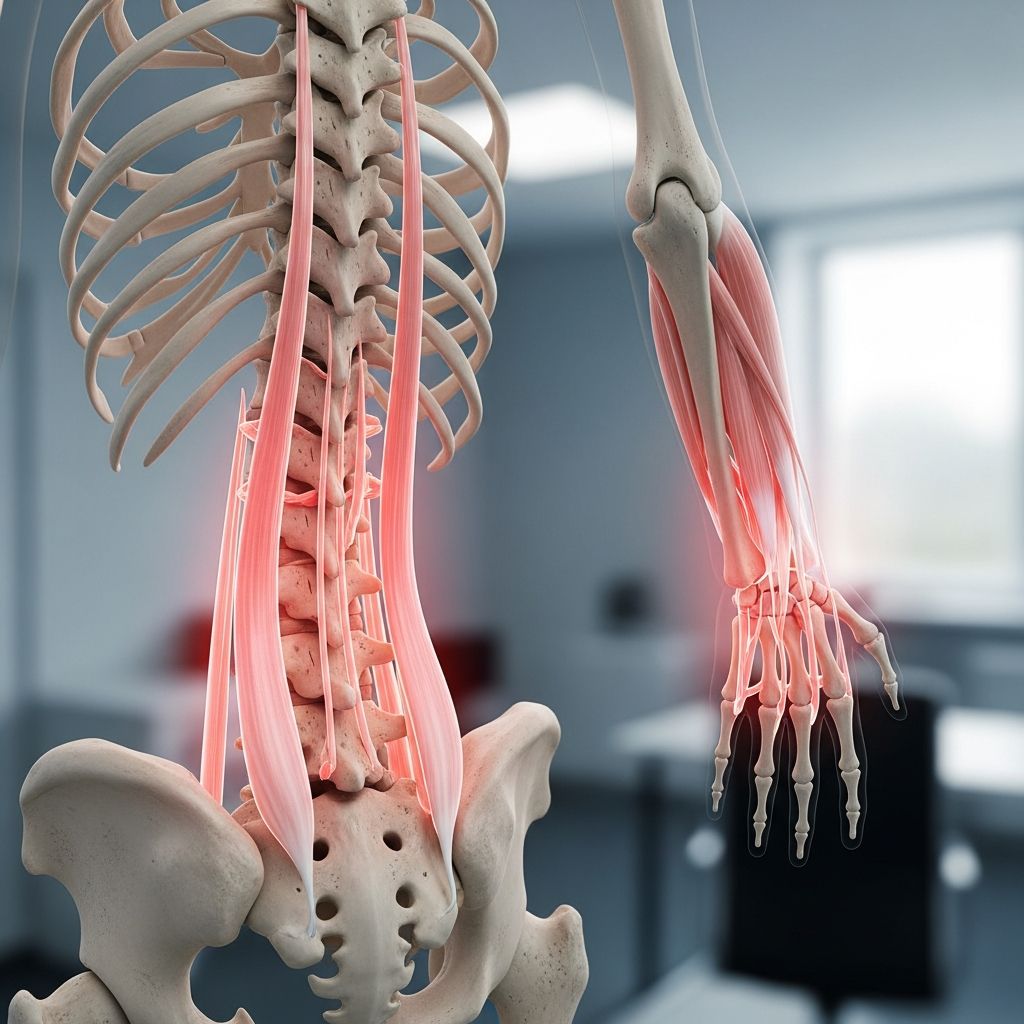
Soft tissue injuries, affecting muscles, ligaments, and tendons, often result from accidents like car crashes or slips, presenting unique proof challenges due to their invisible nature on standard imaging.
Understanding Soft Tissue Injuries and Their Impact
These injuries encompass sprains, strains, and whiplash, stemming from sudden trauma or overuse. Unlike fractures visible on X-rays, soft tissue damage relies on symptom reporting, complicating validation in legal contexts. Victims frequently endure prolonged pain, mobility loss, and emotional strain, justifying claims for medical costs, lost income, and suffering.
Common scenarios include rear-end collisions causing neck strains or falls damaging knee ligaments. Early recognition aids in building robust cases, as delays can weaken causation arguments.
Key Challenges in Validating Soft Tissue Damage
Insurance adjusters scrutinize these claims rigorously, often deeming them minor or pre-existing. Objective tests like range-of-motion assessments carry more weight than subjective pain descriptions. Defenses may cite minor vehicle damage or prior conditions to minimize payouts.
- Subjective Nature: Pain without clear imaging leads to skepticism.
- Causation Disputes: Linking symptoms directly to the incident requires precise timelines.
- Insurance Tactics: Lowball offers or denials unless evidence is overwhelming.
Overcoming these demands proactive evidence collection from the outset.
Essential Documentation Strategies
Comprehensive records form the foundation of successful claims. Start immediately post-incident to establish a clear narrative.
Capturing Visual and Scene Evidence
Photographs document bruising, swelling, or restricted movement progression. Snap images of the accident site, vehicles, and your body from various angles right away and during recovery. Videos demonstrating limping or grip issues further bolster visibility.
Building a Medical Paper Trail
Seek prompt care; initial evaluations create baseline records. Collect all reports: diagnoses, imaging (MRI/CT for subtle tears), therapy notes, bills, and prescriptions. Follow treatment plans diligently to show commitment, countering exaggeration claims.
| Document Type | Purpose | Examples |
|---|---|---|
| Diagnostic Imaging | Detect tears/swelling | MRI, Ultrasound |
| Treatment Records | Track progress | PT sessions, meds |
| Billing Statements | Quantify costs | Invoices, receipts |
Maintaining a Symptom Journal
Daily logs detail pain levels (1-10 scale), activity limitations, sleep disruptions, and emotional effects. Note missed hobbies, family tensions, or work absences. This quantifies non-economic damages like suffering.
Example entry: “Day 5: Sharp lower back pain (8/10) prevented yard work; felt anxious about job return.” Consistency strengthens credibility.
Gathering Supporting Testimonies
Witness accounts of the event or your post-injury state add objectivity. Employers can verify productivity drops via attendance logs or notes.
Leveraging Expert and Professional Support
Physicians provide causal opinions; their reports link injuries to incidents. Vocational specialists assess work impacts for wage claims.
Attorneys navigate complexities: subpoenaing records, countering defenses, negotiating settlements. They ensure compliance with statutes like three-year filing limits. Early consultation prevents pitfalls.
Navigating Insurance Evaluations
Adjusters prioritize objective data over complaints. Strong files prompt fair offers; weak ones invite disputes. Avoid solo statements—insurers exploit inconsistencies.
Potential Compensation Categories
Claims cover:
- Economic: Bills, wages, future care.
- Non-Economic: Pain, trauma, life quality loss.
Aggregated evidence maximizes totals, often yielding six-figure awards with solid proof.
Frequently Asked Questions
What qualifies as a soft tissue injury?
Damage to muscles, tendons, ligaments from trauma, like sprains or strains, invisible on basic X-rays but confirmed via advanced scans or exams.
How soon should I see a doctor after an accident?
Immediately—even if symptoms are mild—to document baseline and prevent ‘gap’ arguments by insurers.
Can pre-existing conditions affect my claim?
Yes, but aggravation by the incident is compensable with medical proof showing worsening.
Do I need a lawyer for minor soft tissue cases?
Often yes; insurers undervalue them without advocacy, risking suboptimal settlements.
How long do claims take?
Months to years, depending on disputes; thorough prep accelerates resolutions.
Steps to Strengthen Your Case Today
- Secure medical attention promptly.
- Photograph everything relevant.
- Start your injury journal.
- Collect witness/employment records.
- Consult a personal injury attorney.
These actions transform subjective complaints into compelling evidence, tipping scales toward favorable outcomes.
References
- How to Document and Prove Your Soft Tissue Injury for a Legal Claim — Ramsey Law PC. 2023. https://www.ramseylawpc.com/news/how-to-document-and-prove-your-soft-tissue-injury-for-a-legal-claim/
- How to Document Soft Tissue Injuries for Personal Injury Claims — 4Injured.com. 2024. https://www.4injured.com/blog/how-to-document-soft-tissue-injuries-personal-injury-claims/
- How Insurance Companies Evaluate Soft-Tissue Injury Claims — Simeone Miller Law Firm. 2023. https://www.simeonemiller.com/blog/how-insurance-companies-evaluate-soft-tissue-injury-claims/
- Proving Soft Tissue Injuries After Car Accidents — Ravid & Associates. 2024. https://ravidandassociates.com/how-are-soft-tissue-injuries-from-a-car-accident-proven/
- Why Is It Difficult to Prove Soft-Tissue Injury Claims? — Zirkin & Schmerling Law. 2023. https://www.zirkinandschmerlinglaw.com/blog/why-soft-tissue-injury-claims-can-be-difficult-to-prove/
- Soft Tissue Injuries & Related Legal Claims — Justia. 2025-04-01. https://www.justia.com/injury/types-of-injuries/soft-tissue-injuries/
- Do I Need a Lawyer for a Soft Tissue Injury? — Joubert Law Firm. 2025-04-01. https://www.joubertlawfirm.com/blog/2025/april/do-i-need-a-lawyer-for-a-soft-tissue-injury-/
Similar Articles








Read full bio of Sneha Tete




