
Safeguarding Against Stalkers: Key Strategies
Empower yourself with proven methods to detect, deter, and legally confront stalking threats for enhanced personal security.
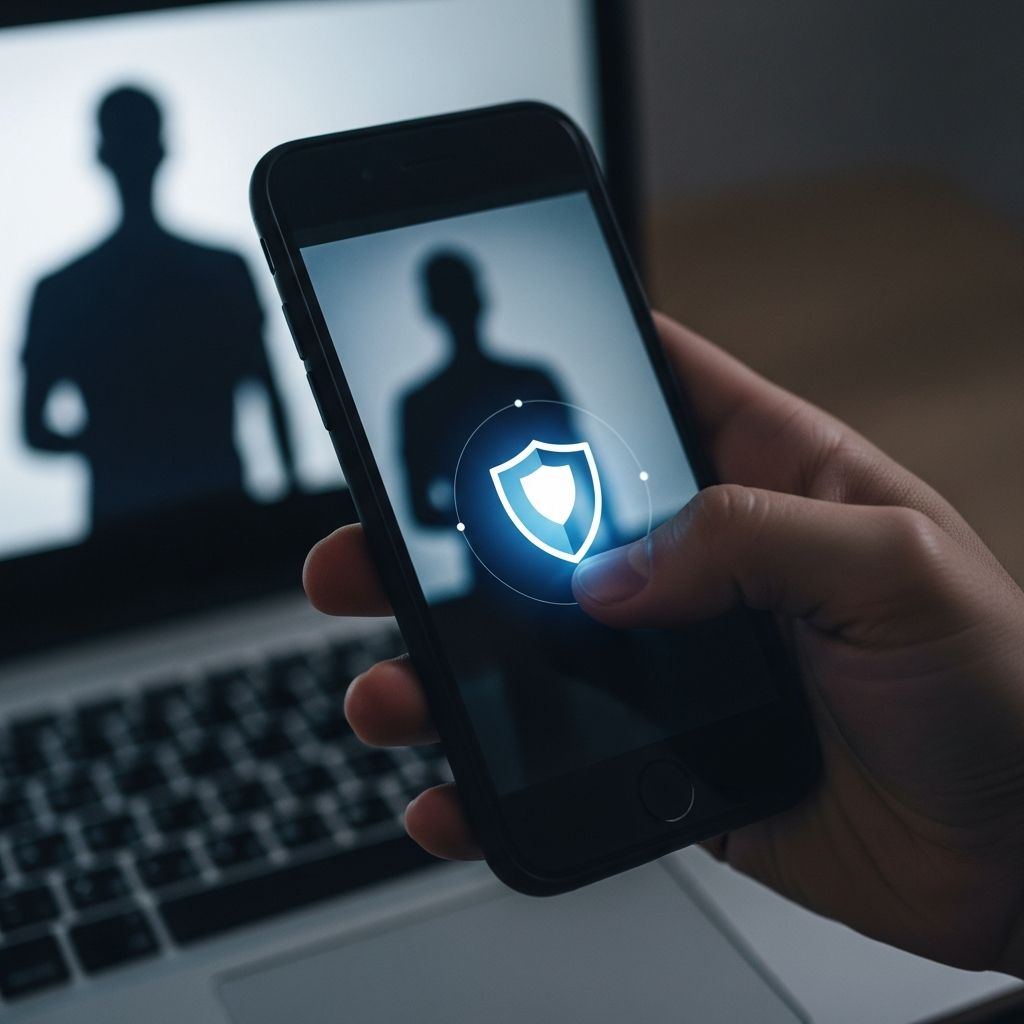
Stalking involves a repeated pattern of unwanted attention directed at a specific individual, often causing fear for safety or emotional distress. This behavior qualifies as a crime in most U.S. jurisdictions when it includes actions like following, surveillance, or repeated communications that a reasonable person would find alarming.
Understanding the Nature of Stalking Behaviors
Stalkers engage in a course of conduct—typically two or more occasions—that targets a victim, aiming to instill fear or control. Common indicators include uninvited appearances at home or work, persistent unwanted messages via text, email, or voicemail, and monitoring through social media or other digital means. In Texas, for instance, this is defined as knowingly directing such conduct at another person, knowing it would cause fear for safety or substantial emotional distress.
Behaviors escalate from seemingly benign acts, like leaving gifts, to more invasive ones such as property damage, spreading rumors online, or loitering near frequented locations. Cyberstalking, a growing concern, uses electronic platforms for harassment, including tracking via apps or posting personal details without consent. Pennsylvania law explicitly lists unwanted in-person talks, letters, calls, texts, emails, and social media interactions as forms of prohibited contact.
Early Warning Signs and Red Flags
Detecting stalking early can prevent escalation. Watch for sudden, unexplained “coincidences” where someone repeatedly shows up at your routine spots, or receives excessive calls that end abruptly. Online, flags include anonymous accounts friending you, sudden spikes in profile views, or posts revealing intimate knowledge of your life.
- Frequent, unsolicited digital communications that ignore requests to stop.
- Physical tailing or waiting outside buildings you frequent.
- Gifts or items left without explanation, ranging from romantic to disturbing.
- Damage to personal property or threats implied through actions.
- Inquiries about you made to friends, family, or colleagues.
These patterns, when repeated, cross into criminal territory, as outlined in federal and state statutes emphasizing the victim’s reasonable fear.
Immediate Personal Security Enhancements
Upon suspecting stalking, prioritize physical and digital safety. Alter daily routines unpredictably—vary commute times, shopping days, and social hangouts to disrupt patterns. Inform trusted contacts about the situation and establish a safety network for check-ins.
Upgrade home security with reinforced locks, motion-sensor lights, and cameras. Apps that alert contacts if you don’t check in can provide reassurance. For vehicles, park in well-lit areas and consider anti-theft devices if vandalism occurs.
| Security Measure | Benefits | Implementation Tips |
|---|---|---|
| Smart Doorbell Cameras | Real-time monitoring and evidence recording | Choose models with cloud storage and motion alerts |
| Personal Safety Apps | Quick SOS to emergency contacts/police | Examples include those sharing live location |
| Route Variation | Prevents predictable tracking | Use navigation apps with privacy modes |
| Secure Password Managers | Protects against account breaches | Enable two-factor authentication everywhere |
Digital Defenses Against Cyberstalking
Cyberstalking leverages technology for intrusion, making privacy hygiene crucial. Regularly audit social media privacy settings to limit visibility of posts, locations, and friend lists. Block and report suspicious accounts immediately, and avoid sharing real-time updates like check-ins or stories.
Employ VPNs for public Wi-Fi and antivirus software with anti-tracking features. Change passwords across platforms, especially if shared devices were involved. Tools like browser extensions that block trackers enhance online anonymity. In severe cases, create new accounts and phase out old ones after notifying platforms of harassment.
Documenting Evidence for Legal Action
Thorough documentation strengthens your case. Log every incident with dates, times, descriptions, and screenshots of messages or profiles. Save voicemails, photos of unwanted items, and GPS data showing proximity. Witness statements from those noticing the behavior add credibility.
Organize records chronologically in a secure digital folder or physical binder. This evidence proves the “course of conduct” required for charges, as seen in Colorado’s stalking statute combining threats with repeated acts. Never delete communications, as they demonstrate persistence despite blocks.
Navigating Legal Protections and Reporting
Report to local police promptly, providing your documentation. Many areas classify first-time stalking as a felony, like Texas’s third-degree offense carrying 2-10 years imprisonment. Protective orders, such as restraining orders, prohibit contact and can be obtained through civil courts quickly.
Federal law under 18 U.S.C. § 2261A addresses interstate stalking, including cyber forms. State variations exist: Pennsylvania treats repeated unwanted contact causing emotional distress as misdemeanor or felony based on priors. Consult victim advocates or legal aid for jurisdiction-specific guidance.
Collaborating with Authorities and Support Networks
After filing, follow up with assigned officers and request case numbers for records. Victim services offer counseling, relocation aid, and court accompaniment. Workplaces can implement no-contact policies if the stalker is known.
Hotlines like the National Domestic Violence Hotline (1-800-799-7233) provide 24/7 support tailored to stalking victims. Community programs educate on risks and connect to resources.
Long-Term Recovery and Prevention Tactics
Post-resolution, therapy addresses trauma from stalking’s psychological toll. Rebuild confidence through self-defense classes emphasizing awareness and de-escalation. Ongoing vigilance includes periodic privacy checks and safety plan reviews.
Public awareness campaigns highlight stalking’s prevalence, affecting 1 in 6 women and 1 in 17 men lifetime. Education empowers communities to intervene early.
Frequently Asked Questions (FAQs)
What legally constitutes stalking in most U.S. states?
A pattern of two or more repeated actions directed at someone, causing reasonable fear for safety or emotional distress, such as following or unwanted contacts.
Is cyberstalking treated the same as physical stalking?
Yes, many states like Texas prosecute it similarly, with penalties up to felony levels for repeated electronic harassment.
How soon should I contact police?
Immediately upon recognizing a pattern; early reporting prevents escalation and preserves evidence.
Can I get a restraining order without police involvement?
Often yes, through civil court with evidence of threat; police can assist in enforcement.
What if the stalker is a former partner?
Same laws apply; domestic violence resources provide specialized support.
References
- Overview of Stalking — National Institute of Justice. 2023-10-01. https://nij.ojp.gov/topics/articles/overview-stalking
- Stalking Definitions — UCCS Department of Public Safety. 2024-05-15. https://police.uccs.edu/prevention/violence-prevention/types-of-violence/stalking/definitions
- Texas Stalking Laws & Penalties — Texas Criminal Defense Group. 2025-02-20. https://texascriminaldefensegroup.com/texas-stalking-laws-penalties/
- What Counts as Stalking? — Kalinoski Law Offices P.C. 2024-11-10. https://lifetimelawyer.com/what-counts-as-stalking/
- Stalking and the Law in Texas — Texas Law Help. 2025-01-05. https://texaslawhelp.org/article/stalking-and-the-law-in-texas
- Definition & FAQ — Stalking Awareness & Prevention (SPARC). 2024-09-01. https://www.stalkingawareness.org/definition-faqs/
Similar Articles








Read full bio of Sneha Tete


