
Protecting Native American Communities From Scams
Practical guidance for Native American communities to recognize, avoid, and report scams that target tribal members and tribal resources.
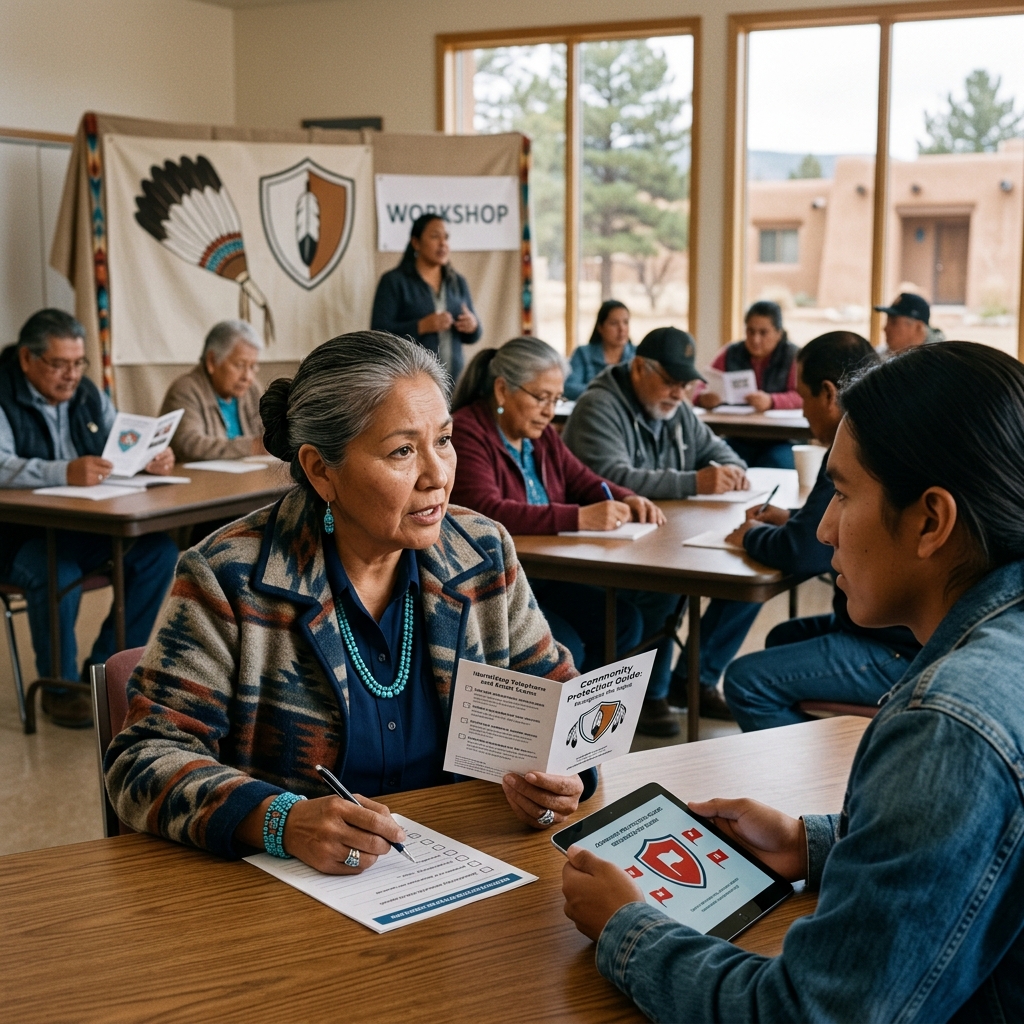
Scammers and dishonest businesses target people everywhere, but the impact can be especially serious in Native American communities, where fraud can harm individuals, families, and tribal governments at the same time. Understanding how scams work, and knowing how to respond, is one of the most effective ways to protect tribal members and community resources.
Why Native American Communities Are Targeted
Everyone is at risk for fraud, yet certain groups are targeted more often because scammers believe they can exploit specific vulnerabilities or trust networks. Members of American Indian and Alaska Native communities are among the populations scammers focus on for several reasons.
- Community trust and relationships: Tight-knit communities rely on personal relationships and word of mouth, which scammers may try to imitate or infiltrate.
- Limited access to services: In rural or reservation areas, access to banking, health care, and legal services may be limited, creating opportunities for fraudulent providers.
- Economic pressures: High unemployment or poverty rates can make “too-good-to-be-true” offers more persuasive.
- Complex tribal and federal program rules: Scammers may claim expertise in benefits programs, grants, or tax rules to mislead tribal members and governments.[10]
Recognizing that these risk factors exist is not about blaming communities; it is about understanding why fraud happens so that people can respond quickly and effectively.
Common Scam Types Affecting Native American Communities
Fraud targeting Native American communities appears in many forms. Some schemes are general consumer scams, while others are tailored specifically to tribal members, tribal governments, or cultural traditions.
Healthcare and Behavioral Health Treatment Scams
One of the most serious and growing fraud threats involves phony behavioral health treatment centers and “sober living” homes that claim to offer addiction treatment and mental health support to Native Americans.
- Scammers set up sham outpatient treatment centers or group homes and pose as legitimate healthcare providers.
- Recruiters may approach people at gas stations, bus stops, or community spaces, promising housing, food, sobriety support, and transportation.
- Once individuals are enrolled, these facilities may provide little or no actual treatment, and may even restrict contact with families or community support.
- Fraudsters often bill Medicaid or other insurance programs for services that were never provided, committing large-scale health care fraud.
These schemes can lead to serious harm, including physical danger, financial loss, identity theft, and emotional trauma.
Financial and Consumer Scams
Native American consumers experience many of the same financial scams seen across the country, but sometimes in forms that exploit cultural identity or tribal resources.
- Fake sales and investment offers: Fraudulent promoters may offer “tribal investment opportunities,” bogus business partnerships, or high-return schemes that misuse tribal names or symbols.[10]
- Phony prizes and sweepstakes: People may be told they won money, a vehicle, or a grant but must pay upfront fees or taxes, a classic sign of a scam.
- Impersonation scams: Scammers may pose as tribal utility providers, tribal employees, or government agencies to collect payments or personal information.
Culture-Related Fraud and Impersonation
Fraud can also attack cultural heritage and identity. Some schemes involve misusing Native traditions or symbols for profit.
- Fake Native art and regalia: Non-Native sellers may pass off mass-produced items as authentic Native-made goods, deceiving buyers and harming legitimate Native artists.
- False claims of Native identity: Individuals may pretend to be tribal leaders or spiritual authorities to gain trust, money, or access to sensitive information.
These frauds do more than steal money—they undermine cultural integrity and damage community trust.
Key Warning Signs That Something Is a Scam
Although scams vary, they share common warning signs. Watching for these signals can help people stop fraud before it causes serious damage.
| Warning Sign | What It Looks Like |
|---|---|
| Too-good-to-be-true offers | Promises of guaranteed income, free housing, or overnight debt relief with no risk or effort. |
| Unsolicited contact | Calls, texts, social media messages, or in-person approaches from strangers offering services or deals you did not request. |
| Pressure to act immediately | Insistence that you must decide “right now,” sign forms on the spot, or keep the offer secret. |
| Requests for upfront payment | Demands that you pay fees or taxes before receiving prizes, services, or benefits. |
| Unusual payment methods | Pressure to pay with gift cards, cryptocurrency, wire transfers, or by depositing a check and sending part of it back. |
| Requests for personal data | Unexpected requests for Social Security numbers, bank information, medical IDs, or copies of tribal ID cards. |
Practical Steps to Avoid Scams
Taking simple, consistent precautions helps reduce the risk of fraud. These steps can be applied in everyday life and shared across households and tribal programs.
Slow Down and Verify Before You Agree
- Resist pressure: Honest businesses and agencies give you time to think. If someone demands a decision immediately, treat it as a warning sign.
- Check the source yourself: Instead of using contact information given by the caller or recruiter, look up official phone numbers or websites that you know are legitimate.
- Confirm with trusted people: Talk to a relative, elder, community advocate, or tribal program staff before making major financial or health decisions.
Protect Your Personal and Financial Information
- Never share Social Security numbers, medical ID numbers, bank account information, or credit card numbers with anyone who contacts you unexpectedly.
- If an email or text appears to be from a company you use (like a bank or clinic), do not click on links. Go directly to the company’s official site or call their verified number.
- Use strong passwords and enable multi-factor authentication where possible to protect online accounts and benefits.
Be Careful With Healthcare and Treatment Offers
- Legitimate treatment centers do not aggressively recruit: Real providers generally do not send recruiters to parking lots or bus stops or offer cash, alcohol, or gifts to sign people up.
- Ask for licensing information, physical addresses, and the names of licensed professionals working at the facility. Verify this information with state health authorities.
- If a facility restricts your ability to contact family or your tribal community, or if it does not provide actual therapy or medical services, treat this as a serious red flag.
Reporting Scams: Protect Yourself and Your Community
Reporting fraud does more than address your own situation. It helps protect other tribal members, allows authorities to investigate patterns, and can prevent future harm.
Reporting Consumer and General Scams
For most consumer scams—such as imposters, bogus prize offers, and financial fraud—people can report directly to federal consumer protection agencies.
- Federal Trade Commission (FTC): The FTC collects reports of fraud and bad business practices through its online reporting system. These reports help identify patterns and support law enforcement actions.
- State consumer protection offices or attorneys general often have hotlines and online forms for reporting scams affecting residents and tribal members.
Reporting Healthcare and Treatment Center Fraud
Healthcare scams, including fraudulent behavioral health treatment centers targeting Native Americans, should be reported to agencies specializing in health care fraud.
- Office of Inspector General (OIG), U.S. Department of Health and Human Services: The OIG investigates health care fraud involving federal health programs. It has a hotline and online contact options for reporting suspected scams involving medical services or billing.
- State Medicaid agencies and health departments can investigate facilities that bill Medicaid for services, particularly if those services were not provided or were unsafe.
Reporting Tribal Government and Tax Schemes
Some schemes directly target tribal governments, tribal enterprises, or tribal members through abusive tax or financial arrangements.
- Internal Revenue Service (IRS) Office of Indian Tribal Governments: This office tracks abusive schemes and offers a way to submit information about financial fraud affecting tribal governments and members.[10]
- Reports can help the IRS identify ongoing abusive practices and support enforcement against those exploiting Indian Country.[10]
Strengthening Community-Based Fraud Prevention
Fraud prevention is most effective when it is integrated into community life. Tribes and Native organizations can use education, policy, and collaboration to reduce scam risks.
Community Education and Outreach
- Host workshops or information sessions on spotting scams and protecting personal information, tailored to local concerns.
- Share printed materials and digital resources in tribal offices, schools, health clinics, and community centers so that elders and youth receive the same messages.
- Include fraud awareness in youth programs and economic development initiatives.
Building Partnerships With Trustworthy Organizations
- Coordinate with tribal law enforcement, federal agencies, and state regulators to share information about emerging scams.
- Work with reputable Native-led organizations that focus on elder protection, health advocacy, or financial education.
- Encourage local banks and credit unions serving tribal members to provide fraud alerts and educational materials.
Frequently Asked Questions
How do I know if a treatment center is legitimate?
Ask for state licenses, provider credentials, and details about the services offered. Verify this information with the state health department or Medicaid office. Legitimate centers should welcome questions and provide clear documentation. Facilities that refuse to share basic information, or that recruit people aggressively in public spaces, may be part of a fraud scheme.
What should I do if I gave my Social Security number to a scammer?
Act quickly. Consider placing a fraud alert or security freeze on your credit files, monitor your bank accounts and benefits statements, and report the incident to the appropriate consumer protection agencies. Let your tribal government or community advocates know, especially if the scam targeted multiple members.
Is it still worth reporting a scam if I did not lose money?
Yes. Reporting helps authorities track fraud patterns and may prevent someone else from losing money or facing harm. Even if you avoided a loss, sharing what happened can protect your neighbors, relatives, and other tribal members.
Can tribal governments be victims of scams too?
Tribal governments and enterprises can be targeted through complex investment schemes, abusive financial arrangements, or fraudulent vendors. Reporting suspected abuses to the IRS Office of Indian Tribal Governments and other relevant authorities can help protect tribal resources.[10]
What is one simple habit that reduces my risk of fraud?
Pause before responding to any unexpected request for money or personal information. Talk to someone you trust about it and independently verify the identity and legitimacy of the person or organization contacting you. This single habit prevents many common scams.
References
- Consumer Alert: Fraud Schemes Targeting Native American Communities — U.S. Department of Health and Human Services, Office of Inspector General. 2023-05-16. https://oig.hhs.gov/fraud/consumer-alerts/fraud-alert-behavioral-health-otcs/
- The Fraud Experience in Indigenous Communities — AARP. 2023-09-14. https://www.aarp.org/pri/topics/work-finances-retirement/fraud-consumer-protection/fraud-experience-indigenous-communities/
- Sober-Living Scam Targets Native Americans — National Indian Council on Aging. 2023-10-04. https://www.nicoa.org/sober-living-scam-targets-native-americans/
- Scam Exploits Native American Medicaid Members — Magellan Health. 2023-06-01. https://www.magellanhealth.com/w/scam-exploits-native-american-medicaid-members
- How to Avoid Getting Scammed — Bureau of Indian Affairs, U.S. Department of the Interior. 2022-07-15. https://www.bia.gov/service/starting-business/how-avoid-getting-scammed
- Fraud and Abusive Schemes Information for Indian Tribal Governments — Internal Revenue Service. 2021-05-20. https://www.irs.gov/government-entities/indian-tribal-governments/fraud-and-abusive-schemes-information-for-indian-tribal-governments
- Native American Communities: Spot, Avoid, and Report Scams — Federal Trade Commission. 2023-08-10. https://consumer.ftc.gov/features/native-american-communities-spot-avoid-and-report-scams
Similar Articles








Read full bio of medha deb




