
Protecting Loved Ones from Grandparent Scams
Learn how grandparent scams work, why holidays increase risk, and practical ways to help older relatives stay safe.
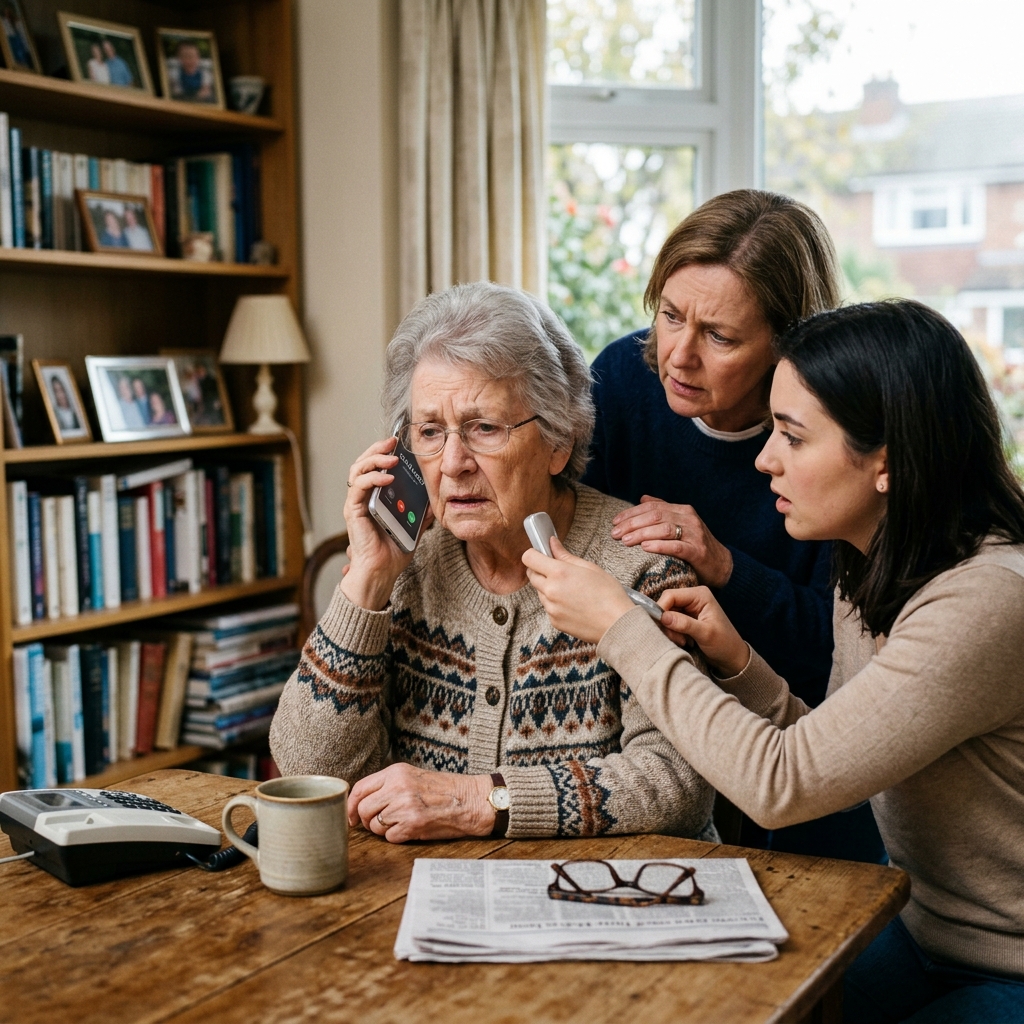
Grandparent scams, sometimes called family emergency scams, are among the most emotionally devastating forms of fraud targeting older adults. Criminals exploit the love and concern grandparents feel for their families, pressuring them to send money quickly under the guise of an urgent crisis. These scams often surge around holidays, when families are distracted and travel is common, making stories of accidents or legal troubles seem more plausible.
This article explains how grandparent scams work, common warning signs, and practical steps families can take to protect older relatives. It also provides guidance on what to do if someone becomes a victim, along with frequently asked questions and resources from credible organizations.
What Is a Grandparent Scam?
A grandparent scam is a fraud scheme in which a scammer poses as a grandchild or other relative and claims to be in urgent trouble, such as being in jail, in the hospital, or stranded in another country. The caller begs the grandparent to send money immediately and not to tell anyone else.
These scams can occur by phone, text message, email, or social media. Some criminals impersonate lawyers, police officers, or medical staff to make the story sound more credible. The goal is always the same: to pressure the victim into sending money before verifying the situation.
| Key Element | Typical Scam Behavior |
|---|---|
| Target | Older adult, often a grandparent living alone or perceived as financially stable |
| Impersonation | Grandchild, relative, lawyer, police officer, doctor, or court official |
| Scenario | Emergency situation (arrest, accident, travel issue, medical crisis) |
| Emotion Used | Fear, guilt, urgency, secrecy |
| Payment Method | Gift cards, wire transfer, cash apps, or cryptocurrency |
Why Holidays and Busy Times Increase Risk
Fraudsters often intensify grandparent scams around holidays such as Thanksgiving, winter holidays, or spring break. During these periods:
- Family members may be traveling, making stories of accidents or arrests seem more believable.
- Older adults may feel more emotional or lonely, especially if they cannot be with family.
- Routine schedules are disrupted, so unusual calls are less likely to raise immediate suspicion.
- People may be focused on celebrations and less attentive to security concerns.
Law enforcement and consumer protection agencies have warned that scammers deliberately time their calls to exploit this combination of travel, emotion, and distraction.
How Grandparent Scams Typically Unfold
Although every case is different, many grandparent scams follow a similar pattern.
1. The Initial Contact
The scammer calls or messages unexpectedly, often very early in the morning or late at night to catch the victim off guard. Caller ID may show a familiar number, because criminals can spoof phone numbers to appear as if they are calling from a grandchild’s phone or a local police station.
Common forms of contact include:
- Phone calls with a distressed voice claiming to be a grandchild.
- Texts or emails stating, “I’m in trouble, please don’t tell mom or dad.”
- Messages from someone claiming to be a lawyer or officer acting on behalf of the grandchild.
2. The Emergency Story
The scammer presents a dramatic scenario designed to create panic:
- Arrested after a car accident and needs bail money.
- Hospitalized and unable to pay medical bills.
- Stuck in a foreign country with lost wallet or passport.
- Involved in an incident and needs funds to prevent legal trouble.
The caller insists that immediate payment is the only way to avoid jail, serious harm, or embarrassment.
3. Pressure and Secrecy
Once the grandparent shows concern, the scammer intensifies the pressure:
- Demands that the grandparent act right away, without calling anyone else.
- Warns that involving parents or other relatives could “make things worse” or “cause more trouble.”
- Insists that the situation is confidential and must be kept secret.
Scammers often discourage victims from contacting authorities or family members because any independent verification would expose the lie.
4. The Payment Request
Finally, the scammer directs the victim to send money using a method that is fast, hard to reverse, and difficult to trace:
- Prepaid gift cards (such as retail or general-purpose gift cards).
- Wire transfers through money transfer services.
- Cash apps and cryptocurrency.
The U.S. Federal Trade Commission (FTC) has repeatedly warned that anyone asking for payment by gift card or money transfer in an emergency is almost certainly a scammer. Legitimate authorities do not demand payment via gift cards or anonymous transfers.
How Scammers Gather Personal Information
Grandparent scammers rarely act blindly. They often gather background information to make their impersonation more convincing.
- Social media posts: Public photos and updates can reveal grandchildren’s names, schools, travel plans, and relationships.
- Online directories: Phone numbers, addresses, and family connections may be available through online people-search tools.
- Data breaches: Stolen data containing phone numbers or email addresses can be used to target older adults.
- Previous scams: Once a scammer finds a responsive victim, they may contact them again or sell their information.
Because of this, limiting the amount of publicly available personal information is a key prevention strategy.
Red Flags That Signal a Grandparent Scam
Recognizing warning signs early can prevent financial loss and emotional harm. Common red flags include:
- Unexpected calls or messages from someone claiming to be a grandchild or relative in distress.
- Requests for secrecy, especially instructions not to inform parents or other family members.
- Pressure to act immediately, with statements like “you don’t have time to check with anyone” or “I’ll be in jail if you don’t send money now.”
- Requests to pay by gift card, wire transfer, cash app, or cryptocurrency.
- Caller hesitates or cannot answer questions a real grandchild would know, such as family history or personal memories.
- Caller ID that appears familiar, but the situation or story does not match what you know.
Practical Prevention Strategies for Families
Preventing grandparent scams requires both awareness and simple, proactive habits. Financial institutions, advocacy groups, and consumer protection agencies offer practical advice that families can adopt.
1. Slow Down and Verify
The most effective defense is to pause and verify before sending money or sharing information.
- Resist the urge to act immediately, regardless of how emotional or urgent the story feels.
- Ask questions only the real person would know, such as family memories, nicknames, or recent shared events.
- Hang up and call your grandchild or another trusted family member using a known number, not one provided by the caller.
- Contact the institution the caller claims to represent (police, hospital, court) using publicly listed phone numbers, not numbers given during the call.
2. Use a Family Code Word
Many consumer protection organizations recommend creating a private family code word to verify emergencies.
- Choose a word or phrase known only to close family members.
- Agree that anyone genuinely in trouble will use this code when contacting relatives.
- Teach grandparents to hang up if a caller cannot correctly provide the code word.
3. Limit Personal Information Sharing
Because scammers often mine social media and online data, limiting what is publicly visible helps reduce risk.
- Review privacy settings on social media and limit access to friends and family only.
- Avoid posting travel plans, detailed family relationships, or real-time locations.
- Grandparents should avoid sharing too much about finances or personal life in public forums.
4. Talk Openly About Scams
Family communication is critical. Older adults are often reluctant to admit confusion or fear, which makes them more vulnerable.
- Discuss grandparent scams during family gatherings or regular phone calls.
- Reassure grandparents that needing to verify information or saying “no” is responsible, not disloyal.
- Encourage them to call a trusted relative whenever they receive a suspicious message.
5. Establish Communication Rules
Families can reduce risk by setting clear expectations about how emergencies will be handled.
- Agree that real emergencies will involve multiple family members, not just one grandparent.
- Decide who will be the primary contact person for serious issues.
- Encourage grandparents to let unknown numbers go to voicemail unless they recognize the caller.
What to Do If You Suspect a Grandparent Scam
If a grandparent receives a suspicious call or message, quick action can prevent or limit harm.
Immediate Steps
- End the conversation: Hang up or stop responding to messages if the caller seems suspicious or pressures for secrecy.
- Contact family: Call the real grandchild or another family member using known numbers to confirm their safety.
- Do not send money: Refuse all requests for gifts cards, wire transfers, or cash apps until the situation is verified.
If Money Has Already Been Sent
If a grandparent has already sent money, it is important to act quickly. The FTC, law enforcement, and financial institutions recommend the following steps:
- Contact local police: Report the incident, provide all details about the call, and share any phone numbers or accounts used.
- Notify financial institutions: Inform banks, credit unions, or card issuers, which may be able to flag accounts or stop additional transfers.
- Report to national agencies: File a complaint with the Federal Trade Commission and, in Canada, the Canadian Anti-Fraud Centre.
- Preserve evidence: Save call logs, texts, emails, receipts, and any other documentation that can help investigators.
Supporting Grandparents After a Scam
Falling victim to a grandparent scam can be deeply embarrassing and distressing for older adults. Many feel guilty, ashamed, or worried about how family will react.
- Respond with empathy and reassurance; emphasize that these scams are professionally designed to trick caring people.
- Help them understand what happened without blame, focusing on learning and prevention.
- Review phone, email, and financial habits together to build stronger protections going forward.
- Encourage them to talk about the incident with friends or community groups, which can help others avoid similar scams.
Frequently Asked Questions (FAQs)
Are grandparent scams only a problem for very elderly people?
No. While scammers often target older adults, especially those in their 70s and 80s, anyone who is emotionally close to younger relatives can be targeted. However, older adults may be more vulnerable due to generational trust in phone calls, lack of familiarity with digital scams, or concerns about burdening their children with problems.
Can scammers really disguise their phone numbers?
Yes. Criminals can use technology to spoof caller ID, making it appear as though the call is coming from a known number or a local institution. That is why experts recommend treating any emergency call requesting money as suspicious, even if the caller ID looks familiar.
Is it rude or distrustful to ask a caller personal questions?
No. Consumer protection organizations advise that grandparents should ask hard-to-answer questions when someone claims to be a relative in trouble. A legitimate family member will understand the need to verify identity in a world where scams are common.
Should grandparents stop answering unknown calls entirely?
Not necessarily, but caution is wise. Some families choose to let unknown numbers go to voicemail and return calls only if the message appears legitimate. Others use call-blocking tools or settings that silence unknown callers, reducing exposure to scams and robocalls.
What role can younger family members play?
Younger relatives can help by setting up privacy controls on social media, reviewing phone and email settings, discussing code words and verification habits, and reassuring grandparents that checking is responsible, not distrustful. Regular conversations about scams make it easier for grandparents to recognize and report suspicious contacts.
References
- Grandparent Scams: What They Are and How To Beat Them — Unitus Community Credit Union. 2023-08-10. https://www.unitusccu.com/blog/grandparent-scams-what-they-are-and-how-to-beat-them/
- The Grandparent Scam: A Holiday Warning for Families — Midwest Estate Plan. 2023-11-20. https://www.midwestestateplan.com/grandparent-scam-prevention/
- How to Prevent Being a Victim of a Grandparent Scam — Texas Capital Bank. 2022-07-14. https://texascapitalbank.com/insights/how-prevent-being-victim-grandparent-scam
- How to Spot the Grandparent or Emergency Scam — TD Bank Group, TD Stories. 2023-03-09. https://stories.td.com/ca/en/article/grandparent-scam
- Guarding Against Grandparent Scams — Duke University Federal Credit Union. 2022-05-01. https://www.dukefcu.org/guarding-against-grandparent-scams
- Grandparent Scheme — Advocacy Centre for the Elderly (ACE). 2021-09-15. https://www.acelaw.ca/consumer-protection-resources/warning-scams-targeting-seniors/grandparent-scheme/
Similar Articles








Read full bio of medha deb




