
Protecting Kids from Fentanyl: A Practical Guide for Families
Clear, evidence‑based guidance to help parents and kids understand fentanyl, avoid fake pills, and respond safely in an emergency.
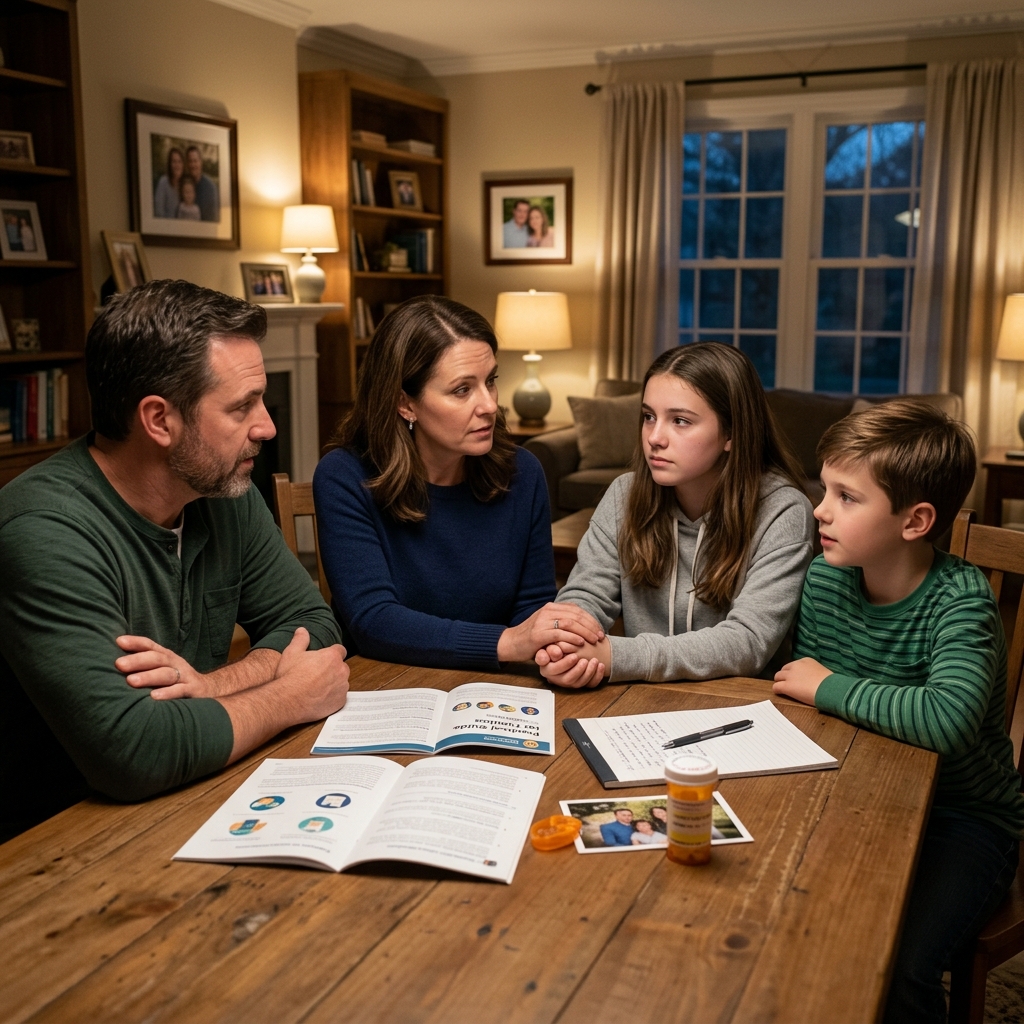
Fentanyl has transformed the opioid crisis into a deadly emergency for teens and young adults, largely because it is powerful, cheap to produce, and often hidden inside fake pills or other drugs. Parents and kids cannot rely on appearance, taste, or smell to spot fentanyl, so clear information and practical safety steps are essential.
Why Fentanyl Is So Dangerous for Children and Teens
Fentanyl is a synthetic opioid medicine originally developed to treat severe pain, such as pain from cancer or major surgery. In medical settings it is carefully dosed and monitored. Illegally made fentanyl, however, is produced in uncontrolled ways and mixed into street drugs, dramatically increasing the risk of poisoning.
- Extreme potency: Fentanyl is many times stronger than heroin or common prescription opioids, so very small amounts can stop breathing and cause death.
- Unpredictable mixing: Illicit fentanyl is often added to powders, fake pills, or other substances without the user’s knowledge.
- Hidden in counterfeit medications: Teens may think they are taking medicines like OxyContin, Xanax, Percocet, or Adderall, but the pills are fake and contain fentanyl.
- Growing impact on youth: Research shows fentanyl is a major driver of recent increases in adolescent overdose deaths.
Because of this combination of potency and unpredictability, there is no “safe” way to experiment with pills bought outside a pharmacy or shared by friends.
How Fentanyl Shows Up in the Lives of Young People
Many teens are not seeking fentanyl specifically. Instead, they encounter it in counterfeit pills or mixed into other drugs.
- Fake prescription pills: Illicit fentanyl is commonly pressed into tablets designed to look like familiar medications used for pain, anxiety, or ADHD.
- Social media and online selling: Fake pills are often advertised and sold through social media, messaging apps, or online marketplaces.
- Sharing at school or parties: Children and teens may be given or share pills that “seem safe” because they resemble medicine, candy, or products in popular culture.
- Polydrug use: Some youth use benzodiazepines, alcohol, or other substances alongside pills, which further increases overdose risk when fentanyl is present.
The central problem is that young people may have no idea a pill or powder contains fentanyl until it is too late.
Recognizing Fentanyl Misconceptions and Teaching Kids the Facts
Accurate information helps teens make safer choices. Parents can start by correcting common myths:
- Myth: “Prescription-looking pills are safe.”
Fact: Pills that look like medications can be fake and laced with fentanyl. Without a legitimate prescription and pharmacy label, there is no guarantee of safety. - Myth: “I can tell if a drug has fentanyl by looking at it.”
Fact: Fentanyl has no unique look, taste, or smell that reliably identifies it. - Myth: “Only heavy drug users overdose.”
Fact: Many young overdose victims used a fake pill once or tried drugs only occasionally. - Myth: “If someone looks asleep, it’s harmless.”
Fact: An overdose can look like deep sleep, but is life-threatening and needs urgent medical help.
Frame fentanyl as a safety issue, not a moral judgment. The goal is to reduce risk, keep kids alive, and encourage them to seek help when they are worried about themselves or a friend.
Health Risks and Overdose Signs Families Should Know
Fentanyl acts quickly on the brain and body, slowing breathing and heart rate. Overdose can occur within minutes of ingestion or exposure.
| Body System | What Fentanyl Does | Warning Signs |
|---|---|---|
| Breathing | Depresses respiratory centers in the brain. | Slow or no breathing; heavy gurgling or snoring sounds. |
| Heart and circulation | Lowers heart rate and blood pressure. | Cold, clammy, or blue/gray skin, lips, or nails. |
| Consciousness | Causes sedation and loss of consciousness. | Unable to wake up; extreme drowsiness or disorientation. |
| Pupils | Triggers constriction of the pupils. | Pinpoint pupils in many cases of overdose. |
If a child or teen shows any combination of these symptoms after taking a pill, ingesting an unknown substance, or being around drugs, treat it as a medical emergency.
Immediate Steps If You Suspect an Overdose
Acting quickly can be the difference between life and death. Families and teens should review these steps before an emergency happens, so they feel more prepared.
- Call 911 right away. Emergency response can take time. Call first, then continue care while help is on the way.
- Administer naloxone (Narcan) if available. Naloxone is a safe medicine that can rapidly reverse opioid overdose, including fentanyl.
- Follow basic naloxone steps:
- Peel back the nasal spray packaging.
- Place the device into one nostril.
- Press the plunger firmly to deliver the dose.
- Repeat with another dose if there is no improvement or if symptoms return.
- Support breathing: If trained, begin rescue breathing or CPR while waiting for paramedics.
- Prevent further exposure: If fentanyl contacted skin, wash with soap and water; if ingested through mouth or eyes and the person is conscious, rinse with clean water.
Teens should also know that many states have Good Samaritan laws protecting people who call 911 for an overdose from certain drug-related charges. Emphasize that calling for help is always the right choice.
Safe Storage and Handling of Medicines at Home
Some overdoses happen when young children or teens access prescription drugs or other substances at home. Multiple layers of safety can reduce this risk.
- Use child-resistant containers and locked storage. Keep medications and potentially harmful substances in containers with child locks and in a high, secure place.
- Monitor quantities. For opioids prescribed to anyone in the household, count pills regularly and supervise dosing.
- Dispose of unused medications safely. Use medicine take-back programs or other secure disposal options rather than leaving unused pills in cabinets.
- Keep emergency numbers handy. Parents should know the Poison Control number (1-800-222-1222 in the United States) and local emergency services.
These steps help protect both curious younger children and adolescents who might experiment or share substances with peers.
Talking with Kids and Teens About Fentanyl and Drugs
Open, ongoing conversations are among the most effective tools for preventing overdose and other harms. Youth look to parents and caregivers for guidance, even when they seem resistant.
Choosing the Right Time and Setting
- Use everyday moments such as car rides, walks, or mealtimes for informal discussions.
- Limit distractions: turn off televisions, put phones away, and focus on listening.
- Talk early and often instead of relying on a single “big talk.” Several short conversations work better.
Guiding Principles for Effective Conversations
- Stay calm and non-judgmental. Fear or anger can shut down communication. Focus on safety and concern rather than punishment.
- Use open-ended questions. Ask “What have you heard about fentanyl?” or “How do kids at your school get pills?” instead of yes/no questions.
- Listen more than you talk. Reflect back what you hear and validate their feelings: “It makes sense that you’d be curious” or “I can see why that would be confusing.”
- Stick to facts. Share evidence-based information without exaggeration or scare tactics, which can undermine trust.
- Connect to values. Emphasize their goals—sports, friendships, careers—and how avoiding risky substances helps protect those priorities.
What to Cover With Different Age Groups
Tailor discussions to the child’s age and maturity level.
- Elementary-aged children: Focus on not taking any medicine or candy unless a parent or trusted adult gives it; remind them that some things that look like candy can be dangerous.
- Middle schoolers: Introduce the idea of fake pills, explain that some drugs can stop breathing, and discuss how to say no and come to you if they feel pressured.
- High school and older teens: Talk more directly about fentanyl, overdose risks, Good Samaritan protections, and how to respond in an emergency, including calling 911 and using naloxone.
Helping Teens Build Skills to Refuse Drugs and Ask for Help
Many adolescents face peer pressure or opportunities to try pills. Practice strategies in advance so they have words and plans ready.
- Practice refusal phrases:
- “No thanks, I’m not into pills.”
- “I can’t, my parents would find out and I’d lose too much.”
- “I’ve heard too much about fentanyl. It’s not worth it.”
- Agree on a safety signal: Create a codeword or emoji your teen can text when they need you to pick them up or help them exit a risky situation.
- Offer alternatives: Encourage teens to suggest doing something else—like leaving a party, going for food, or watching a movie—when drugs appear.
- Normalize asking for help: Make it clear they can call you or another trusted adult at any time, even if they made a mistake, and that your first priority is safety.
Practicing these scenarios can reduce anxiety and help teens feel more confident in real-life situations.
Monitoring for Warning Signs of Substance Use or Mental Health Concerns
Substance use in youth often overlaps with stress, trauma, or mental health conditions. Everyday check-ins can help parents notice early warning signs and respond before a crisis.
- Changes in mood: Increased irritability, depression, anxiety, or sudden emotional swings.
- Shifts in interests: Loss of interest in favorite activities or sports.
- New peer groups: Sudden changes in friends or secrecy about social plans.
- Academic decline: Falling grades, skipping school, or disciplinary issues.
- Possible drug-seeking behaviors: Preoccupation with pills, asking for medications frequently, or missing pills from family bottles.
If multiple signs appear together or seem to worsen, consider speaking with a pediatrician, school counselor, or mental health professional. In the United States, families can also contact the national helpline operated by the Substance Abuse and Mental Health Services Administration (SAMHSA) for treatment referrals.
Building a Safety Plan for Your Family
A written or clearly discussed safety plan can help everyone know what to do if there is a concern about drugs or an overdose.
- Agree on emergency steps: Who calls 911, who administers naloxone, and where naloxone and emergency numbers are kept.
- Identify trusted adults: List coaches, teachers, relatives, or neighbors your child could contact if they cannot reach you.
- Specify communication rules: Clarify that seeking help for a friend will not lead to automatic punishment and that safety comes first.
- Review storage and disposal: Decide how medicines, including opioids, will be stored and disposed of in your home.
Revisit this plan regularly as children grow, social circles change, and new risks emerge.
Frequently Asked Questions About Fentanyl and Youth
Is my child at risk even if they don’t use drugs?
Yes. Some children and teens are exposed to fentanyl inadvertently through fake pills, sharing at school, or curiosity. Others may access medications at home without understanding the risks.
Can touching fentanyl cause an overdose in my child?
Brief incidental skin contact is unlikely to cause overdose, but any suspected exposure should be taken seriously. Wash the area with soap and water and seek medical advice if there are symptoms.
Should I keep naloxone at home?
Many health experts recommend families consider keeping naloxone, especially if anyone in the household uses opioids or if there is concern about youth exposure. Naloxone is easy to use and has no effect if opioids are not present.
How can I know if a pill is real or fake?
Outside of a regulated pharmacy, you cannot reliably tell. Any pill obtained from friends, social media, or unverified sources should be treated as potentially dangerous, regardless of appearance.
Where can we get help for substance use or mental health?
Start with your child’s pediatrician or primary care provider, school counselor, or local behavioral health services. In the United States, SAMHSA’s National Helpline (1-800-662-HELP) offers free, confidential treatment referrals and information.
References
- Adolescent Fentanyl Use: Toxicological Risks, Epidemiological Trends, and Prevention Strategies — Brown, J. et al., Journal of Adolescent Health. 2024-03-15. https://pmc.ncbi.nlm.nih.gov/articles/PMC11939030/
- Talk with Your Teens About Fentanyl — Skagit Rising / Skagit County Public Health. 2024-01-10. https://skagitrising.org/keep-your-kids-safe/
- Become Unskippable: Fentanyl Awareness — Fairfax County Public Schools. 2023-09-01. https://www.fcps.edu/becomeunskippable
- Talk to Teens About Fentanyl — WA Friends for Life / Washington State Department of Health. 2023-11-20. https://wafriendsforlife.com/talk-to-teens
- Fentanyl Overdoses: Is My Child at Risk? — Johns Hopkins Medicine. 2022-10-05. https://www.hopkinsmedicine.org/health/conditions-and-diseases/substance-abuse-chemical-dependency/fentanyl-overdoses-is-my-child-at-risk
- Drugs and Fentanyl Awareness — Fremont Police Department. 2023-08-18. https://www.fremontpolice.gov/crime-prevention/drugs-and-fentanyl-awareness
- National Helpline — Substance Abuse and Mental Health Services Administration (SAMHSA). 2023-06-01. https://www.samhsa.gov/find-help/helplines/national-helpline
Similar Articles








Read full bio of Sneha Tete




