
Protecting Kids from Cyberbullying and Suicide Risk
A practical, research-informed guide to recognizing cyberbullying, reducing suicide risk, and empowering kids to stay safe and resilient online.
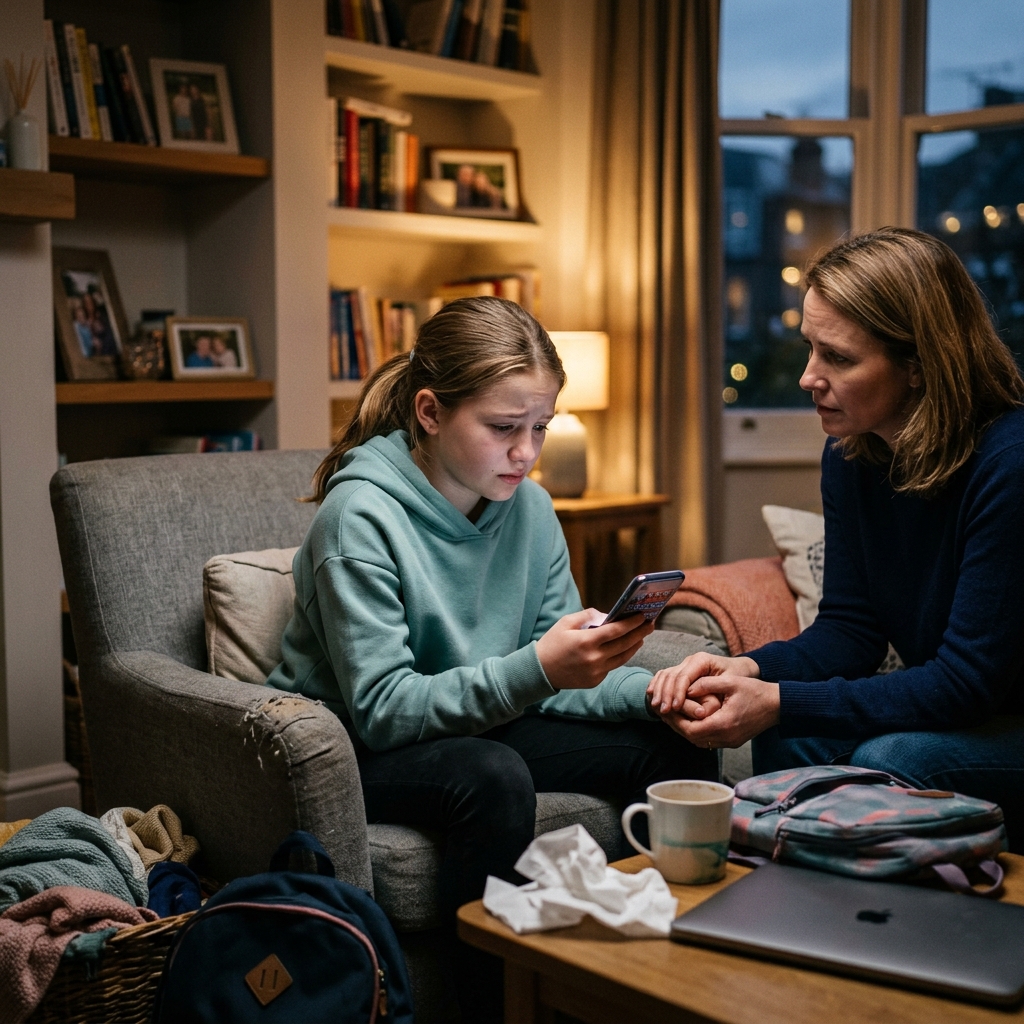
Digital life is now woven into childhood. Texts, group chats, social media, and online games help kids connect, but they also create new pathways for cruelty and humiliation. When harassment moves from the schoolyard to the screen, the consequences can be devastating, including increased risk of depression, self-harm, and suicide for vulnerable young people.
This article explains how cyberbullying harms kids, how it connects to suicidal thoughts and behaviors, and what parents and caregivers can realistically do to protect and support their children.
What Makes Cyberbullying Different and So Dangerous?
Cyberbullying is bullying that happens through digital devices and platforms. It can occur via text messages, email, social media, group chats, gaming platforms, or any online space where kids interact.
Common forms include:
- Sending or posting insulting, threatening, or degrading messages or images
- Sharing private photos, videos, or secrets without consent
- Creating fake accounts to impersonate or mock someone
- Excluding someone from online groups or chats to isolate them socially
- Organizing “pile-ons” where many users target one child with comments or messages
Research has consistently found that adolescents who are involved in cyberbullying, either as targets or perpetrators, experience higher levels of depression, anxiety, loneliness, somatic complaints (like headaches and stomachaches), and suicidal behavior than peers who are not involved.
Why Online Harassment Can Hit Harder Than Offline Bullying
Cyberbullying is not just “typical teasing on a screen.” Several features make it uniquely damaging:
- Relentless exposure: Harassment can occur 24/7, following kids into their bedrooms at night.
- Broad audience: A cruel post or humiliating image can spread far beyond school, increasing shame and fear.
- Anonymity: Bullies may hide behind fake accounts, making targets feel surrounded and unsafe.
- Permanence: Digital content can be copied, forwarded, and archived, making harm feel endless.
- Invisible to adults: Parents and teachers may not see what is happening, making it harder to intervene.
Evidence shows that this constant, pervasive nature can sometimes lead to more severe mental health outcomes than traditional face-to-face bullying, particularly increased depressive symptoms.
How Cyberbullying Affects Young Minds
Cyberbullying is not just a “social problem.” It is a genuine public health concern with serious psychological and physical consequences.
Key Mental Health Impacts
| Impact Area | How Cyberbullying Can Affect Kids and Teens |
|---|---|
| Depression | Increased sadness, hopelessness, loss of interest in usual activities; higher rates of depressive symptoms among victims and perpetrators. |
| Anxiety | Excess worry about peers, social media, or school; panic symptoms; constant fear of new posts or messages. |
| Loneliness & Isolation | Feeling rejected or excluded; withdrawing from friends and family; avoiding social situations online and offline. |
| Somatic symptoms | Headaches, stomachaches, sleep problems, and fatigue without a clear medical cause. |
| Behavioral issues | Increased aggression, substance use, delinquent behaviors, and school problems among youth involved in cyberbullying. |
Studies suggest that students involved in cyberbullying (including those who bully others) show higher rates of stress, depression, anxiety, and delinquent behavior than those not involved. Some research has also found increased rates of substance use and school dropout among youth who engage in online aggression.
Link Between Cyberbullying and Suicide Risk
Being targeted online does not automatically cause suicide. But cyberbullying can significantly increase risk for young people already struggling with mental health issues or other stressors.
Research indicates that adolescents who experience cyberbullying are more likely to report:
- Suicidal thoughts (ideation)
- Self-harm behaviors
- Suicide attempts
One review notes that involvement in cyberbullying is associated with higher levels of suicidal ideation and behavior, alongside depression, anxiety, and emotional distress. Other work has found that victims of online bullying face a substantially higher risk of suicidal thoughts than non-victimized youth.
Cyberbullying can contribute to suicide risk by:
- Intensifying feelings of hopelessness and worthlessness
- Undermining social support when peers turn against the victim
- Making humiliation feel global and permanent due to wide online visibility
- Disrupting sleep and concentration, which worsens mood and judgment
Because of this, any sign of cyberbullying combined with changes in mood, behavior, or talk of death or self-harm should be treated with urgency.
Warning Signs Parents Should Never Ignore
Kids rarely tell adults at the first sign of cyberbullying. They may worry about losing device access, being blamed, or making the situation worse. Parents and caregivers often need to read the subtle signals.
Possible Signs Your Child Is Being Cyberbullied
- Sudden fear or distress when looking at their phone or opening apps
- Quickly hiding screens or closing windows when you walk by
- Unexplained sadness, irritability, or frequent crying
- Complaints of headaches, stomachaches, or trouble sleeping
- Decline in grades or reluctance to go to school
- Withdrawal from friends, activities, or family time
- Deleting social media accounts or changing usernames frequently
- Statements like “No one likes me,” “I wish I could disappear,” or “It’s never going to stop”
Red Flags for Suicide Risk
If cyberbullying is present and you also notice any of these, seek immediate help:
- Talking or joking about death or suicide
- Searching online for ways to die or self-harm
- Giving away cherished belongings
- Writing goodbye messages or posting alarming content online
- Sudden calmness after a period of distress (possible sign of a decision to act)
When in doubt, err on the side of safety by contacting a crisis line, mental health professional, or emergency services.
Building a Home Culture That Protects Kids Online
There is no way to erase all risk from the internet, but families can significantly reduce harm by creating a strong foundation of communication, clear expectations, and emotional support.
Open, Non-Judgmental Communication
- Talk early and often: Start conversations about online behavior long before there is a problem. Ask what apps your child uses, who they interact with, and what they see.
- Listen more than you lecture: Allow your child to describe what is happening without immediately reacting, criticizing, or taking their devices.
- Make it safe to tell: Reassure them you will not punish them for reporting cyberbullying. Many teens fear losing access to their phones if they speak up.
Clear Digital Boundaries and Family Rules
Reasonable boundaries can protect kids while still respecting their need for independence:
- Set age-appropriate time limits on social media and messaging apps
- Keep devices out of bedrooms at night to protect sleep and reduce nighttime harassment
- Review privacy settings together and limit who can view posts or send messages
- Discourage sharing passwords, personal data, or location with others
- Agree on what types of content are never acceptable to share (e.g., intimate photos, cruel memes about classmates)
Stress that your rules exist not to control them, but to protect their mental health and safety.
Teaching Empathy and Digital Citizenship
Many teens who join in cyberbullying do not fully understand the harm they are causing. Parents can:
- Discuss real stories (without sensationalizing tragedy) that show how serious online harassment can be
- Encourage kids to pause before posting: “Would I say this to their face?”
- Promote bystander responsibility: not liking, sharing, or commenting on hurtful content; privately supporting peers who are targeted; and using reporting tools on platforms
What To Do If Your Child Is Being Cyberbullied
If you discover that your child is a target, your response should combine emotional support, practical steps to stop the harassment, and, when needed, mental health or legal intervention.
1. Start With Calm, Compassionate Support
- Thank them for telling you and acknowledge how painful and unfair the situation is.
- Make it clear the bullying is not their fault, even if they made mistakes online.
- Ask what they have already tried and what feels most frightening.
- Collaborate on a plan rather than imposing one.
2. Preserve Evidence
Before blocking or deleting anything, document what has happened:
- Take screenshots of messages, posts, images, and usernames
- Save URLs where possible
- Record dates, times, and the names of people involved
This evidence may be needed for school reports, platform complaints, or legal action if threats or repeated harassment are involved.
3. Use Technical and Platform Tools
- Block or mute accounts that are sending abusive content
- Adjust privacy settings to limit who can contact your child or view their content
- Use in-app reporting tools to flag harassment, impersonation, or non-consensual image sharing
Most major platforms have policies against bullying, hate speech, and non-consensual sharing of intimate images. Reporting can trigger content removal or account suspension, though responses vary.
4. Involve the School When Peers Are Involved
When the bullying involves classmates, contact school staff, such as a counselor, administrator, or trusted teacher. Many schools have policies that address bullying, including off-campus behavior that creates a hostile environment at school.
Share your documentation, ask how the school plans to respond, and request ongoing communication about steps taken to protect your child and address the behavior.
5. Know When to Seek Legal Help
Some cyberbullying crosses the line into criminal or civil violations, such as:
- Threats of physical violence or stalking
- Sexual exploitation, sextortion, or distribution of intimate images
- Hate-motivated harassment based on race, religion, gender, or other protected characteristics
- Severe, ongoing harassment that causes measurable harm
Parents can consider:
- Reporting to law enforcement if there are threats, coercion, or sexual exploitation.
- Consulting an attorney about options such as civil claims for defamation, intentional infliction of emotional distress, or invasion of privacy, depending on local law.
Laws differ by jurisdiction, and not every harmful act will meet legal thresholds. But knowing that serious cases can have legal consequences may help validate your child’s experience and deter further abuse.
Supporting Your Child’s Mental Health
Stopping the bullying is essential, but emotional recovery often requires additional support. The emotional impact may last long after the messages stop.
When to Seek Professional Help
Consider involving a mental health professional if you notice:
- Persistent sadness, irritability, or hopelessness
- Significant changes in sleep, appetite, or school performance
- Ongoing anxiety about peers or social media
- Self-harm, talk of suicide, or risky behaviors
Therapies such as cognitive behavioral therapy (CBT) and dialectical behavior therapy (DBT) are commonly used to address depression, anxiety, self-harm, and emotional dysregulation in adolescents. These approaches can help teens:
- Challenge negative beliefs like “Everyone hates me”
- Build coping skills for distressing emotions
- Develop healthier communication and boundary-setting
- Rebuild self-esteem and a sense of safety
Practical Resilience-Building at Home
Parents can support healing and resilience by:
- Encouraging offline activities that bring joy and confidence (sports, arts, hobbies)
- Reinforcing strengths and positive qualities unrelated to social media
- Helping them connect with supportive peers and adults
- Modeling healthy digital habits, including taking breaks from phones and social platforms
Above all, keep emphasizing that they are loved, valued, and not defined by what others say online.
Frequently Asked Questions
Does every cyberbullying victim develop depression or suicidal thoughts?
No. Many factors influence how a young person responds to cyberbullying, including prior mental health, family support, personality, and the severity and duration of the harassment. However, research shows that, on average, involvement in cyberbullying significantly increases the risk of depression, anxiety, and suicidal behavior compared with peers not involved.
Should I just take away my child’s phone if they are being bullied?
Taking away the phone may seem protective, but it can backfire. Teens often see device removal as punishment and may become less likely to report problems in the future. A better approach is to limit exposure to harmful content (blocking, muting, adjusting privacy settings), while keeping communication open and involving your child in decisions about technology use.
What if my child is the one doing the cyberbullying?
Kids who bully others online are also at higher risk for mental health and behavior problems, such as aggression, substance use, and delinquency. They need accountability and support, not solely punishment. Address the behavior directly, restrict access if needed, work with the school, and consider counseling to address underlying issues like peer pressure, anger, or low self-esteem.
Can schools discipline students for off-campus cyberbullying?
In many places, schools can respond to off-campus behavior if it creates a hostile environment at school or significantly disrupts learning, but specifics vary by jurisdiction and school policy. It is worth bringing evidence to administrators and asking how they handle cyberbullying that affects students, regardless of where the messages are sent.
How can we reduce cyberbullying in the long term?
Long-term solutions require a combination of education, platform responsibility, and cultural change. Evidence supports multi-level approaches that include social–emotional learning in schools, strong anti-bullying policies, parent education, and digital literacy programs that teach empathy, critical thinking, and responsible online behavior. Parents and caregivers play a crucial role by modeling respect, staying informed about technology, and advocating for safer digital environments.
References
- Effects of Cyberbullying on Children’s Mental Health — ICANotes. 2024-12-06. https://www.icanotes.com/2024/12/06/effects-of-cyberbullying-on-childrens-mental-health/
- Cyberbullying: The Mental Health Impact and How to Help Your Teen — Newport Academy. 2023-03-01 (approx.). https://www.newportacademy.com/resources/restoring-families/teen-cyberbullying/
- Current perspectives: the impact of cyberbullying on adolescent health — Hamm et al., Adolescent Health, Medicine and Therapeutics. 2014-08-01. https://pmc.ncbi.nlm.nih.gov/articles/PMC4126576/
- How cyberbullying affects teen mental health & ways to help — Rula Health. 2023-11-15 (approx.). https://www.rula.com/blog/cyberbullying/
- The Impact of Cyberbullying on Mental Health — News-Medical. 2022-10-18. https://www.news-medical.net/health/The-Impact-of-Cyberbullying-on-Mental-Health.aspx
- How Cyberbullying Affects Teens — 3rdMil. 2023-06-10 (approx.). https://3rdmil.com/how_cyberbullying_affects_teens/
- The Impact of Cyberbullying on Teen Mental Health: Legal Perspectives and Remedies — Gacovino, Lake & Associates. 2023-09-20 (approx.). https://gaclawyer.com/the-impact-of-cyberbullying-on-teen-mental-health-legal-perspectives-and-remedies/
Similar Articles








Read full bio of medha deb


