
Protecting Your Economic Relief: Spotting Payment Scams
Learn how to identify and avoid scams targeting stimulus payment recipients.
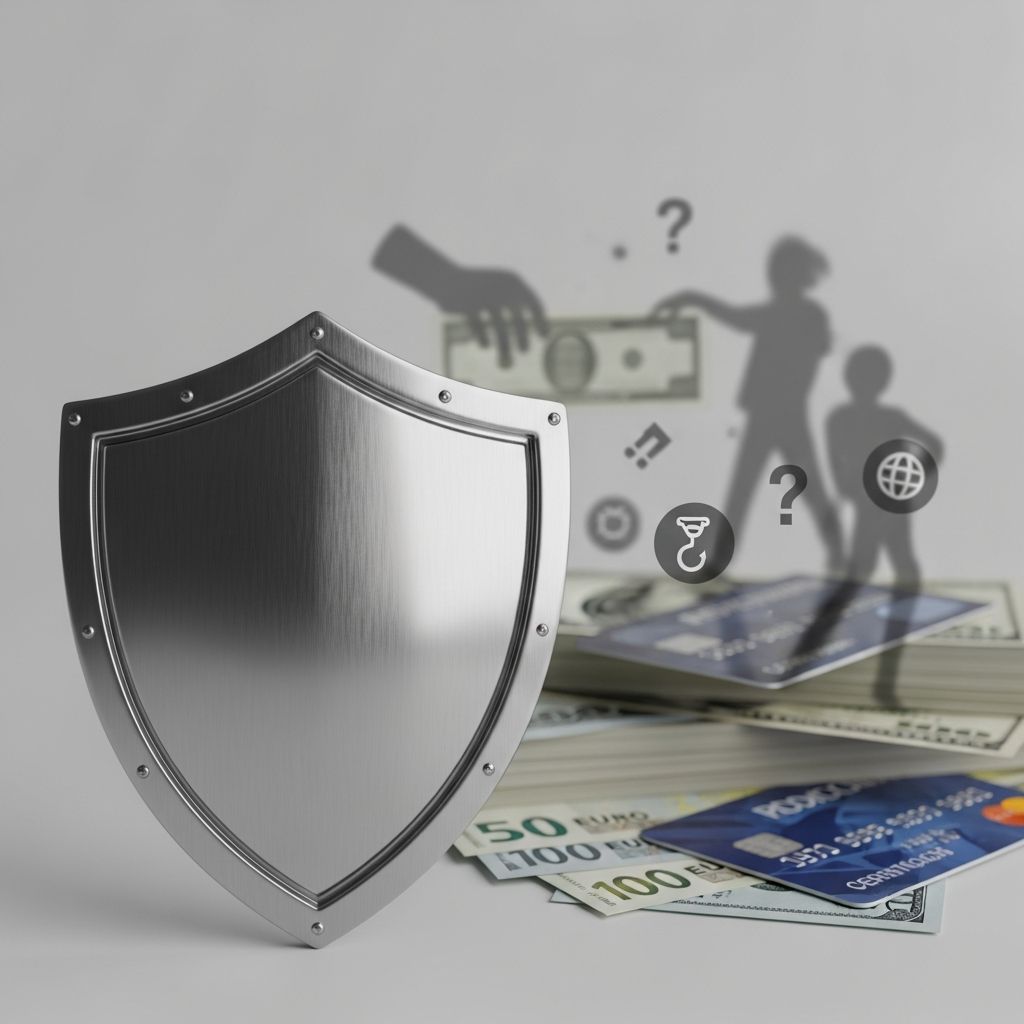
Understanding the Landscape of Economic Relief Fraud
When governments distribute economic relief payments to citizens, criminals inevitably develop schemes to exploit the process. The distribution of stimulus payments represents a massive transfer of funds, creating numerous opportunities for fraudsters to intercept money or steal personal information. Understanding how these scams operate is your first line of defense against becoming a victim.
Scammers recognize that many people are anxious about their financial situation during economic crises and are therefore more likely to act quickly without fully vetting the source of communications. This psychological vulnerability becomes a tool in the hands of criminals who craft convincing impersonations of government agencies and officials.
How Fraudsters Execute Relief Payment Scams
Relief payment scams typically follow a predictable pattern, though variations exist depending on the scammer’s creativity and target audience. Understanding the mechanics of these schemes helps you recognize them when they appear in your communications.
The Basic Scam Framework
The fundamental structure involves a fraudster impersonating a legitimate government entity and requesting sensitive information or payment. The scammer initiates contact through various channels, presents a fabricated scenario, and attempts to extract money or data. The victim believes they are dealing with an official source and complies with requests that they would normally question.
Variations in Delivery Methods
Fraudsters employ multiple communication channels to reach potential victims. These include unsolicited text messages that appear to come from official sources, social media messages claiming to represent government programs, phone calls from individuals posing as agency representatives, emails designed to mimic official government correspondence, and fake websites that replicate the appearance of legitimate government portals.
Common Deceptive Tactics and Red Flags
Recognizing the specific tactics employed by scammers enables you to identify fraudulent communications more effectively. Criminals use psychological manipulation and technical deception to build credibility and overcome natural skepticism.
Requesting Advance Payment
One of the most prevalent tactics involves convincing victims to pay a “processing fee” or “verification fee” to unlock their relief funds. Scammers claim that this upfront payment is necessary for government verification, administrative processing, or expedited delivery. No legitimate government agency charges fees for distributing relief payments that you are already entitled to receive.
Demanding Personal Information
Fraudsters frequently request Social Security numbers, bank account details, government benefits debit card account information, and driver’s license numbers. They justify these requests by claiming they need to “verify your eligibility” or “prevent fraud.” Legitimate government agencies already possess most of this information from previous tax filings or benefit applications.
False Claims About Enhanced Benefits
Some scammers claim that recipients qualify for additional funds beyond the standard payment amount, sometimes citing inflated figures like $150,000 in supplemental benefits. These false promises create urgency and excitement that override critical thinking. The scammer then requests payment or personal information to “unlock” these phantom additional funds.
Impersonation of Government Officials
Criminals use official-sounding agency names, sometimes creating entirely fictitious organizations with titles that sound authoritative, such as the “U.S. Emergency Grants Federation.” They may reference real government programs while adding official-sounding language and formatting to their communications to appear legitimate.
Communication Channels Used by Scammers
Understanding where scammers attempt to reach you helps you recognize suspicious communications and understand why legitimate agencies avoid certain channels.
Social Media Platforms
Scammers exploit the social nature of platforms like Facebook by either creating fake pages mimicking government agencies or hacking existing personal accounts. When appearing to come from a friend’s account, messages about relief funds carry false credibility. The scammer may claim their friend received funds and recommends that you apply as well.
Text Messages and Emails
SMS and email scams often include links to fraudulent websites designed to capture login credentials or personal information. These messages may use urgent language suggesting time-limited opportunities or threatening account suspension if action is not taken immediately.
Unsolicited Phone Calls
Phone-based scams involve callers claiming to represent government agencies and asking verification questions. Legitimate government agencies typically do not initiate contact via phone regarding relief payments.
Protecting Your Personal and Financial Information
Taking proactive steps to safeguard your sensitive data significantly reduces your vulnerability to fraud.
Verify Before Acting
When you receive any communication about relief payments, independently verify the sender by contacting the agency directly using phone numbers or websites from official sources, not from the communication itself. Use contact information from government websites that you access directly through your browser, not from links provided in suspicious messages.
Legitimate Government Practices
Remember that legitimate government agencies never solicit personal or financial information through unsolicited messages, social media, or phone calls. They also do not charge fees for distributing relief payments or require upfront payments for government benefits. Official communications about relief funds will direct you to established government websites that you can verify independently.
Safe Information Submission
When you must provide information to claim relief payments, do so exclusively through official government websites that you have verified independently. Look for secure website indicators such as “https” in the URL and a lock icon in the browser. Never submit sensitive information in response to unsolicited communications.
Recognizing Legitimate Payment Methods and Security Features
Understanding what authentic relief payments look like helps you distinguish them from counterfeit communications or false offers.
Official Payment Delivery
Legitimate relief payments arrive through direct deposit to bank accounts previously used for tax refunds or government benefits, prepaid debit cards issued directly by government agencies, or paper checks mailed directly to your address. Payments never arrive through gift cards, cryptocurrency, wire transfers requested by the government, or money requested to be sent elsewhere.
Security Features on Physical Checks
Authentic government checks contain specific security features including watermarked paper that displays “U.S. TREASURY” when held to light, security threads embedded in the paper, and official government seals and signatures. Counterfeit checks lack these features or display them poorly.
Essential Safety Guidelines and Best Practices
Core Protection Principles
Follow these fundamental rules to significantly reduce your risk of becoming a victim:
- Never pay money to receive government relief funds you are entitled to claim
- Do not share Social Security numbers, bank account information, or government benefits details with anyone who contacts you unsolicited
- Avoid clicking links in messages about relief payments; instead, navigate directly to official government websites
- Verify any offer by contacting the alleged agency through official channels you access independently
- Be skeptical of any communication via social media about government payments
- Trust your instincts; if something feels wrong or too good to be true, it likely is
What To Do If You Suspect or Experience a Scam
Taking action after identifying a scam helps protect both yourself and others.
Immediate Steps
If you have already provided information to a scammer, contact your bank and credit card companies immediately to monitor your accounts for suspicious activity. Place a fraud alert with credit bureaus to prevent criminals from opening accounts in your name. Consider freezing your credit to block unauthorized account creation.
Reporting Mechanisms
Report suspected scams to the Federal Trade Commission, which collects reports to identify patterns and pursue enforcement action against fraudsters. Also report to the FBI’s Internet Crime Complaint Center if the scam involved online communications. Contact the Treasury Department if the scam specifically impersonated Treasury officials or programs.
Helping Others Avoid Becoming Victims
Share information about scams with friends, family, and community members, particularly older adults and those less familiar with digital communication patterns. Warn people about specific tactics you encounter so they can recognize similar schemes.
Special Vulnerabilities and Targeted Protection
Certain populations face heightened risk from relief payment scams due to varying levels of digital literacy or specific communication patterns.
Seniors and Older Adults
Older individuals may be more likely to answer unsolicited calls or trust communications that appear official. Younger family members should check in with elderly relatives about any relief payment communications they receive and help them verify legitimacy.
Non-English Speakers
Criminals may target language barriers by providing information exclusively in English or using official-sounding language that creates confusion. Seek assistance from trusted sources who understand both the government program and your language.
Individuals on Government Benefits
People receiving disability benefits, veterans’ benefits, or Social Security may receive specific targeted scams related to their benefit status. Treat all unsolicited offers of additional funds with extreme skepticism.
Frequently Asked Questions About Relief Payment Scams
Q: Will the government ever call me about my relief payment?
A: No. Legitimate government agencies do not initiate contact via phone, text, email, or social media regarding relief payments. If someone calls claiming to be from a government agency about your relief funds, it is a scam. Hang up and contact the agency directly using a phone number from their official website.
Q: Is it safe to use the official government website to check my payment status?
A: Yes, it is safe to access the official government website directly by typing the URL into your browser yourself. However, never click links in emails, texts, or social media messages directing you to such sites, as these may lead to fraudulent copies designed to steal your information.
Q: What should I do if I already paid a “processing fee” to receive my relief payment?
A: Contact your bank or credit card company immediately to report the transaction as fraudulent. File a report with the Federal Trade Commission and consider placing a fraud alert with credit bureaus. You will not recover the money through most payment methods, but reporting helps authorities track and stop the criminals.
Q: How can I tell if a check claiming to be a relief payment is real?
A: Real government checks have specific security features including watermarked paper displaying “U.S. TREASURY,” security threads, and official seals. If you are unsure, contact your bank with the check before depositing it, or contact the government agency directly.
Q: Why do scammers target relief payments specifically?
A: Relief payments represent large sums of money distributed to millions of people, and recipients are often anxious to receive their funds quickly. This combination creates ideal conditions for fraud. Additionally, many people are unfamiliar with the payment process and may be more likely to make mistakes or trust seemingly official communications.
Q: Can I be held legally responsible if I fall victim to a relief payment scam?
A: No. Being scammed is not a crime on the part of the victim. However, if you deposit a counterfeit check and spend the funds, your bank may hold you responsible for the amount. Report the scam immediately rather than depositing or cashing suspicious checks.
Building Long-Term Fraud Awareness
Protecting yourself from relief payment scams extends beyond recognizing specific schemes. Developing general skepticism toward unsolicited communications and maintaining awareness of current fraud tactics helps you navigate various financial situations safely.
Stay informed about government programs and their legitimate processes. Subscribe to official government alerts and updates about relief payments to receive accurate information directly from authoritative sources. This reliable information helps you quickly identify discrepancies in communications from fraudsters.
Educate yourself about how scammers operate and share this knowledge with people in your life. The more people who understand and recognize these tactics, the fewer victims scammers will successfully target. Your vigilance and reporting of suspected scams contribute to law enforcement efforts to pursue and stop criminal actors.
References
- Coronavirus stimulus payment scams: What you need to know — Federal Trade Commission. 2020-04-21. https://consumer.ftc.gov/consumer-alerts/2020/04/coronavirus-stimulus-payment-scams-what-you-need-know
- BBB-Stimulus Triggers Coronavirus Scam — Better Business Bureau. 2020-03-19. https://www.louisacounty.gov/2306/BBB-Stimulus-Triggers-Coronavirus-Scam
- Fraud Alert: COVID-19 Scams — U.S. Department of Health and Human Services Office of Inspector General. https://oig.hhs.gov/fraud/consumer-alerts/fraud-alert-covid-19-scams/
- COVID-19 Scams — U.S. Department of the Treasury. https://home.treasury.gov/services/report-fraud-waste-and-abuse/covid-19-scams
- This Is What a Real Paper Stimulus Check Looks Like — AARP. https://www.aarp.org/money/scams-fraud/stimulus-check-security-features/
- Economic impact payments — Internal Revenue Service. https://www.irs.gov/coronavirus/economic-impact-payments
Similar Articles








Read full bio of medha deb




