
Protecting Drug-Endangered Children: Risks, Response, and Recovery
How communities, professionals, and caregivers can recognize, protect, and support children endangered by substance misuse in the home.
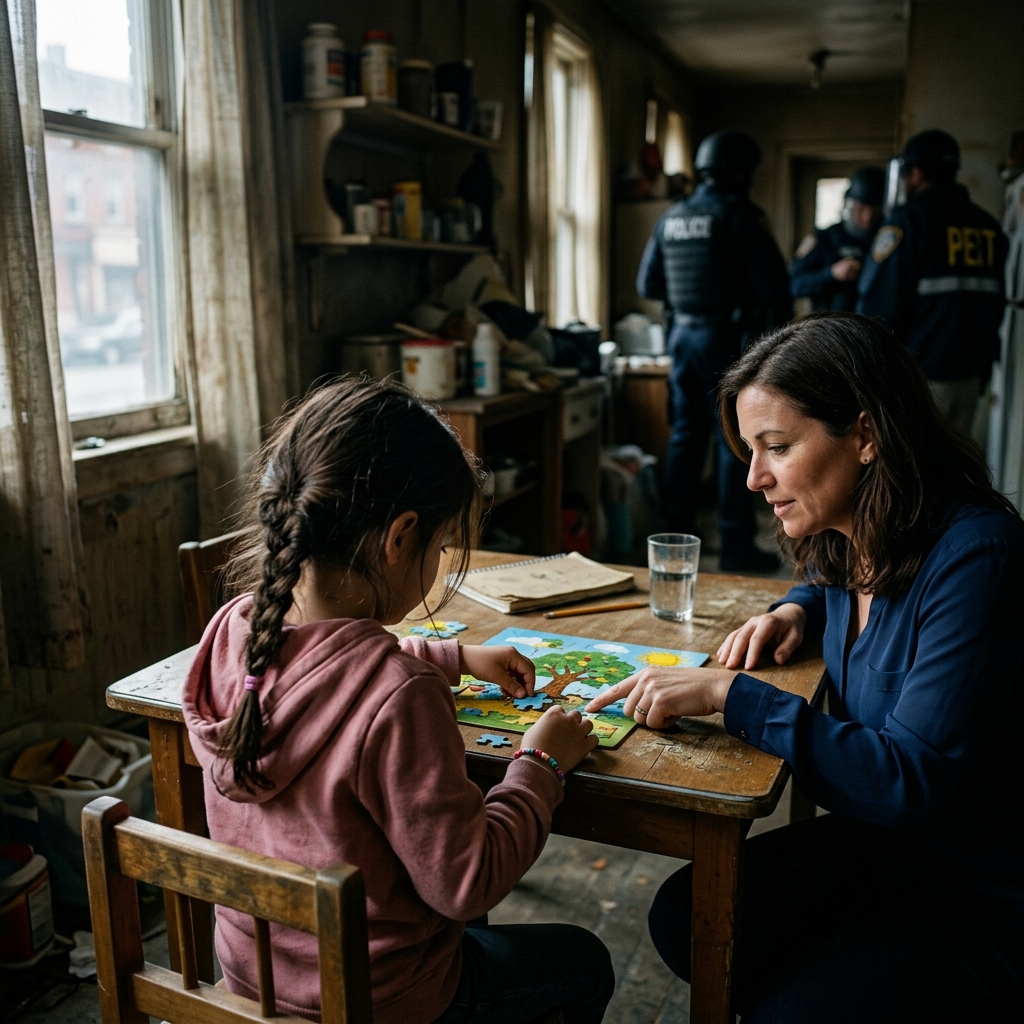
Across the United States, growing numbers of children live in homes impacted by substance misuse. These drug-endangered children face heightened risks of physical harm, emotional trauma, and chronic neglect, yet many remain hidden in plain sight. A coordinated, informed response from law enforcement, child welfare, healthcare, schools, and communities is essential to keep them safe and support lasting recovery for their families.
Understanding What Makes a Child “Drug-Endangered”
The term drug-endangered children (DEC) refers to children whose health, safety, or well-being is compromised because a parent or caregiver misuses, possesses, manufactures, or distributes substances.
According to state and national DEC initiatives, a child may be considered drug-endangered when any of the following are present:
- The caregiver uses illegal drugs or misuses prescription medications in a way that impairs their ability to provide safe, consistent parenting.
- The child is exposed to drug manufacture or trafficking, such as living in or frequently visiting locations where drugs are produced, sold, or stored.
- The household environment is unsafe or unsanitary because of substance use, including the presence of dangerous chemicals, weapons, or drug paraphernalia.
- The child experiences neglect, physical harm, or emotional abuse linked to a caregiver’s substance use.
National organizations emphasize that substance misuse may be legal or illegal; the central issue is how that use affects the caregiver’s ability to keep the child safe and nurtured.
How Substance Misuse Harms Children
Children living with substance misuse face a combination of immediate safety threats and long-term developmental risks. Research on adverse childhood experiences (ACEs) shows that exposure to household substance use is strongly associated with poorer physical and mental health, increased risk of substance use disorders, and difficulties in school and relationships later in life.
Immediate Safety and Health Risks
- Physical injury: Children may be injured by violence, accidents, or unsafe household conditions, including unsecured weapons or chemicals related to drug manufacture.
- Toxic exposure: In homes where drugs are produced (such as clandestine labs), children can inhale or absorb chemicals, putting them at risk of burns, respiratory problems, and poisoning.
- Medical neglect: Caregivers focused on obtaining or using substances may delay or ignore routine health care, vaccinations, and treatment for acute illnesses.
- Risk of overdose: Young children can accidentally ingest medications, illicit substances, or contaminated food and beverages within reach.
Emotional and Developmental Impact
- Chronic stress and fear: Unpredictable caregiving, frequent arguments, or police activity around the home can create persistent anxiety and hypervigilance.
- Attachment difficulties: Children may struggle to form secure relationships when caregivers are emotionally unavailable or frequently absent due to use, incarceration, or treatment.
- Behavioral challenges: Aggression, withdrawal, poor impulse control, and attention problems are common in children exposed to chaotic, substance-affected environments.
- Educational setbacks: Irregular school attendance, lack of support for homework, and trauma-related learning difficulties can limit academic progress.
| Risk Type | Examples |
|---|---|
| Physical Safety | Exposure to violence, unsafe housing, weapons, chemicals, drug paraphernalia |
| Health | Toxic exposure, poor nutrition, untreated medical conditions, accidental ingestion |
| Emotional Well-being | Fear, instability, inconsistent caregiving, emotional neglect, trauma symptoms |
| Development & Education | Delayed milestones, learning problems, irregular school attendance, behavioral issues |
Recognizing Signs of Drug-Endangered Children
Professionals and community members often encounter children in schools, clinics, neighborhoods, or justice settings without realizing the extent to which substance misuse shapes their home life. While no single sign proves a child is drug-endangered, clusters of indicators should prompt closer assessment and coordinated action.
Behavioral and Physical Indicators in Children
- Unexplained bruises, burns, or marks; or injuries that do not match the explanation provided.
- Consistently dirty clothing, poor hygiene, or untreated medical issues, such as chronic infections.
- Extreme behavior swings: very withdrawn and fearful, or unusually aggressive and defiant.
- Developmental delays or regression, such as losing previously mastered skills.
- Statements suggesting exposure to drug use or criminal activity, even in indirect language.
Warning Signs in Caregivers
- Appearing intoxicated, confused, or excessively drowsy during interactions with professionals.
- Frequent missed appointments, late arrivals, or inconsistent engagement with services.
- Strong chemical odors, unusual stains, or visible paraphernalia around the caregiver’s belongings.
- Income and lifestyle patterns that do not align, such as apparent unemployment but access to significant cash.
Red Flags in Homes and Neighborhoods
National DEC and related initiatives highlight environmental clues that may indicate substance production or trafficking near children.
- Windows that are permanently covered or blackened, and doors that remain locked at all times.
- Heavy foot traffic at odd hours, with visitors arriving briefly and leaving quickly.
- Strong chemical odors around the property or from outbuildings and garbage.
- Discarded containers, coffee filters, stained fabrics, or numerous chemical bottles in trash.
- Presence of syringes, heated spoons, razor blades, or other drug paraphernalia in shared spaces.
The Drug-Endangered Children Approach: Moving from Awareness to Action
Recognizing risk is only the first step. The DEC approach, promoted by national and state alliances, emphasizes multi-disciplinary collaboration to ensure children are protected while families receive appropriate help.
Key Principles of an Effective DEC Response
- Child-centered focus: Every intervention begins with a clear assessment of the child’s safety, needs, and strengths.
- Cross-system collaboration: Law enforcement, child welfare, healthcare, treatment providers, schools, and victim advocates share information and plan jointly.
- Early identification: Responders are trained to recognize signs of drug-endangered children during calls, investigations, and routine interactions.
- Balanced response: Efforts protect children from immediate harm while connecting caregivers to evidence-based treatment and support.
Roles of Core Partners
| Partner | Primary Responsibilities |
|---|---|
| Law Enforcement | Identify children during drug-related calls, secure scenes, gather evidence of risk, notify child welfare, and support safe removal when necessary. |
| Child Welfare Agencies | Assess safety and placement needs, develop case plans, coordinate services, and monitor progress. |
| Healthcare Providers | Screen for exposure, injury, and trauma; document findings; provide immediate medical care and referrals.[10] |
| Substance Use Treatment Providers | Offer evidence-based treatment, family-centered services, and recovery supports for caregivers.[10] |
| Schools and Early Childhood Programs | Observe behavior and attendance patterns, provide stability, and coordinate with child welfare and DEC partners. |
Training and Capacity Building for Responders
Specialized training is critical to moving from isolated awareness to consistent, effective action. National DEC provides training and technical assistance to help professionals understand the unique risks facing drug-endangered children and implement coordinated responses.
Common Training Topics
- Definitions of drug-endangered children and the spectrum of substance-related risks.
- How to identify signs of exposure in children, caregivers, homes, and communities.
- Scene safety and evidence collection in locations where children and drug activity intersect.
- Information sharing protocols and confidentiality requirements across agencies.
- Trauma-informed interviewing and support strategies for children.
- Connecting families to appropriate treatment, recovery resources, and ongoing supports.[10]
Many jurisdictions also establish DEC alliances or task forces—multi-agency partnerships dedicated to improving detection, response, and long-term outcomes for affected children.
Supporting Families: Treatment and Recovery Resources
Effective DEC work recognizes that protecting children and supporting family recovery are deeply interconnected. When caregivers receive access to quality treatment and supportive services, the likelihood of reunification and long-term safety improves.[10]
Connecting Caregivers to Treatment
- Screening and referral: Law enforcement, child welfare, and healthcare providers can screen for substance use disorders and refer caregivers to appropriate services.
- Evidence-based treatment: Medication-assisted treatment, behavioral therapies, and integrated mental health care are key for long-term recovery.[10]
- Family-centered programs: Programs that incorporate parenting support, child visitation, and family therapy help rebuild relationships in a safe, structured way.
National helplines, such as the Substance Abuse and Mental Health Services Administration (SAMHSA) National Helpline, provide confidential, 24/7 information and treatment referrals for individuals and families facing substance use and mental health disorders.[10]
Strengthening Protective Factors for Children
- Safe and stable placements, whether with relatives, foster families, or residential programs.
- Consistent access to health care, counseling, and trauma-informed mental health services.
- Supportive school environments that offer structure, encouragement, and specialized interventions.
- Positive relationships with trusted adults, including mentors, advocates, and extended family.
Community-Level Strategies to Reduce Risk
Protecting drug-endangered children is not solely the responsibility of formal systems. Communities play an essential role in prevention, early identification, and support.
Prevention and Early Intervention
- Public education: Community campaigns can raise awareness about how substance misuse affects children and promote help-seeking.
- Strengthening families: Parenting programs, home visiting, and economic supports address stressors that often co-occur with substance misuse.
- Youth-focused initiatives: After-school programs, mentoring, and skill-building curricula help children build resilience and reduce their own future substance use risk.
Engaging Neighbors and Local Organizations
- Encouraging neighbors to report suspected child endangerment or drug activity to appropriate authorities, with clear information on how to do so safely.
- Partnering with faith-based groups, non-profits, and civic organizations to support affected families with practical assistance (transportation, childcare, food, and clothing).
- Establishing community coalitions to monitor trends, coordinate prevention activities, and support DEC task forces or alliances.
Frequently Asked Questions (FAQs)
What is the definition of a drug-endangered child?
A drug-endangered child is a child whose health, safety, or well-being is put at risk because a parent or caregiver uses, possesses, manufactures, or distributes substances in ways that interfere with safe, consistent parenting or expose the child to dangerous environments.
Does substance misuse have to be illegal to endanger a child?
No. Children can be drug-endangered when caregivers misuse legal substances, such as prescription medications or alcohol, in ways that create safety risks or chronic neglect. The focus is on the impact on the child, not only the legality of the substance.
Who is responsible for responding to drug-endangered children?
Law enforcement, child welfare, healthcare, substance use treatment providers, schools, and victim services all share responsibility. Many communities form DEC alliances or task forces to coordinate these efforts and ensure children are identified and protected.
How can professionals get training on the DEC approach?
National and state DEC organizations offer training and technical assistance on recognizing drug-endangered children, collecting evidence, sharing information, and implementing collaborative responses. Training can be tailored to law enforcement, child welfare, courts, and other disciplines.
Where can families find help for substance use disorders?
Families can access local treatment providers through healthcare systems, community behavioral health agencies, or hotlines such as SAMHSA’s National Helpline, which offers free, confidential referrals and information 24/7.[10]
References
- Drug Endangered Children Program — Iowa Department of Public Safety. 2023-05-15. https://dps.iowa.gov/bureaus-iowa-department-public-safety/iowa-office-drug-control-policy/odcp-programs/drug-endangered-children-program
- Drug-Endangered Children (DEC) Program — Lackawanna County District Attorney’s Office. 2022-11-01. https://lackawannada.com/drug-endangered-children-program/
- Identifying Drug Endangered Children — Handle With Care Alabama. 2022-09-10. https://handlewithcareal.org/identifying-drug-endangered-children.html
- The Drug Endangered Children (DEC) Approach: Moving From Awareness to Action — National Criminal Justice Training Center, Fox Valley Technical College. 2023-02-01. https://ncjtc.fvtc.edu/trainings/TR00011169/the-drug-endangered-children-dec-approach-moving-from-awareness-to-action
- National Alliance for Drug-Endangered Children (National DEC) — U.S. Department of Health and Human Services, Children’s Bureau. 2023-03-20. https://ncsacw.acf.gov/topics/substance-specific-resources/national-alliance-drug-endangered-children-national-dec/
- National Alliance for Drug-Endangered Children — National DEC. 2023-04-05. https://www.nationaldec.org/
- National Helpline — Substance Abuse and Mental Health Services Administration (SAMHSA). 2024-01-10. https://www.samhsa.gov/find-help/helplines/national-helpline
Similar Articles








Read full bio of medha deb


