
Protect Yourself from Mortgage Loan Scams
Learn how mortgage loan scams work, the warning signs to watch for, and practical steps to protect your home and finances.
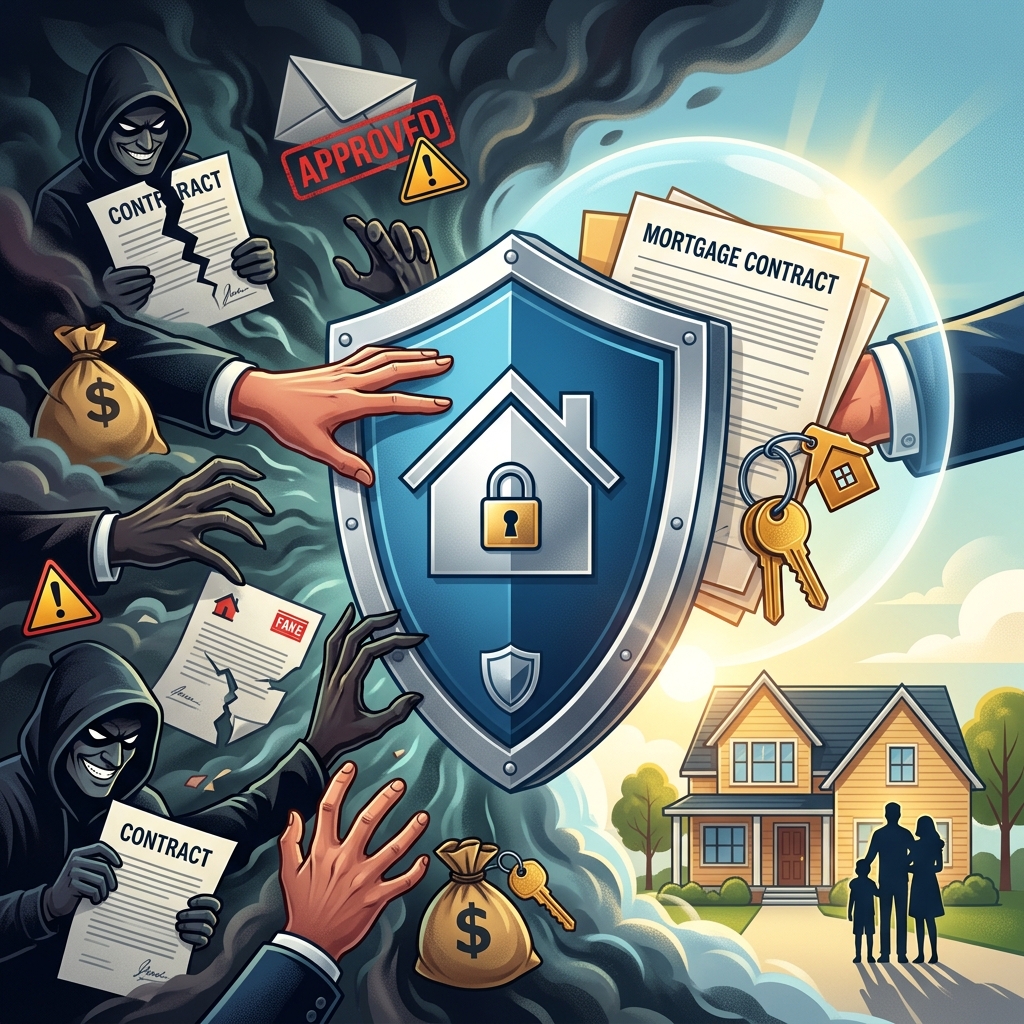
Buying, refinancing, or saving your home from foreclosure often involves complex financial decisions and large sums of money. That combination makes mortgage borrowers a prime target for scammers and predatory lenders. Understanding how mortgage loan scams work, and how to spot them early, can help you avoid losing your home, damaging your credit, or paying far more than you should.
This guide explains the major types of mortgage scams, warning signs to watch for at each stage of the loan process, and practical steps to protect yourself and your family. It draws on guidance from federal agencies and housing authorities that actively investigate and prosecute mortgage fraud.
Why Mortgage Borrowers Are Targeted
Mortgage transactions are attractive to scammers for several reasons:
- Large amounts of money move during home purchases, refinances, and payoffs, often via wire transfer.
- Emotional stress around homeownership, especially during foreclosure or financial hardship, can make people more vulnerable to high-pressure tactics.
- Complex paperwork and regulations can be confusing, so borrowers may rely heavily on whoever appears to be an expert.
- Limited financial literacy regarding interest rates, fees, and loan terms allows predatory lenders to conceal harmful features in the fine print.
Scammers exploit these factors by promising quick relief, guaranteed approvals, or unbelievably low rates, then charging high fees or manipulating documents for their own gain.
Major Categories of Mortgage Loan Scams
Mortgage-related scams occur in different contexts: applying for a loan, modifying an existing mortgage, preventing foreclosure, or wiring funds at closing. Below are some of the most common schemes identified by federal regulators and housing organizations.
1. Foreclosure Rescue and Mortgage Relief Scams
Foreclosure rescue and mortgage relief scams target homeowners who are behind on payments or facing foreclosure. Fraudsters promise to save your home, negotiate better terms, or eliminate your debt, but they rarely provide meaningful help.
Typical tactics include:
- Demanding upfront fees before doing any work, which is illegal for many types of mortgage relief services.
- Advising you to stop talking to your lender, lawyer, or housing counselor, claiming they will handle everything.
- Encouraging you to sign over the deed to your home as part of a “temporary” arrangement, then making it difficult or impossible to get it back.
- Using official-looking logos or language to appear tied to the government or your lender when they are not.
These schemes can result in borrowers losing both money and their homes, while also falling further behind on legitimate mortgage payments.
2. Loan Modification Schemes
Loan modification scams are closely related to foreclosure rescue schemes. Here, companies or individuals charge high fees to supposedly negotiate lower payments, interest rates, or principal balances with your lender.
Key warning signs include:
- Guarantees that they can stop foreclosure or reduce your principal, regardless of your situation.
- Requests for cashier’s checks, wire transfers, or mobile payment apps as the only accepted payment methods, which make refunds unlikely.
- Insistence that you sign up quickly without reviewing documents or getting independent advice.
Legitimate help is often available at low or no cost through HUD-approved housing counselors, legal aid, or direct negotiation with your servicer.
3. Predatory Lending by Unfair Lenders and Brokers
Not all scams involve outright impersonation or fake companies. Some lenders and brokers engage in predatory lending — a pattern of unfair, deceptive, or abusive practices that strip homeowners of equity and trap them in unaffordable loans.
According to consumer protection materials from state agencies, harmful loan features and tactics can include:
- High interest rates and unclear disclosures about how rates can change.
- Excessive upfront fees and closing costs, sometimes hidden in complex fee schedules.
- Prepayment penalties that punish borrowers for refinancing or paying off the loan early, locking them into expensive terms.
- Balloon payments that require a large lump sum after a few years, often leading to default.
- Pressure to borrow more than needed or to add unnecessary credit insurance.
These practices may be legal in some circumstances but are still risky and often targeted at financially vulnerable borrowers.
4. Wire Fraud and Closing Scams
Mortgage wire fraud occurs when criminals intercept or spoof communication about where to send closing funds, down payments, or payoffs.
Common approaches include:
- Impersonating escrow officers, real estate agents, or lenders via email or text.
- Sending fake wiring instructions with account numbers controlled by the scammer.
- Creating fraudulent documents or websites that look like your title company or lender.
Once funds are wired to a fraudulent account, they are often moved quickly and can be difficult to recover.
5. Application and Identity-Based Mortgage Fraud
Mortgage fraud also occurs when borrowers, brokers, or other parties intentionally misrepresent information on loan applications or property documents to obtain credit or inflate property values.
The Federal Housing Finance Agency notes several patterns of application fraud:
- Providing false information about income, employment, or debts to qualify for a larger loan.
- Misrepresenting the intent to occupy the property as a primary residence to get better terms (occupancy fraud).
- Using someone else’s identity or creating synthetic identities to obtain loans.
Other types of transactional fraud recognized by professional associations include illegal property flipping, straw buyers, and equity skimming schemes.
Early Warning Signs of a Mortgage Loan Scam
Regardless of the specific scheme, many mortgage scams share similar warning signs. Being alert to these red flags can help you pause and seek verification before signing or sending money.
Common Red Flags
- Upfront fees for mortgage relief, modification, or foreclosure rescue before any service is provided.
- Pressure to act immediately, sign documents you don’t understand, or avoid reading the fine print.
- Requests to pay only by wire transfer, cashier’s check, or app, with no secure alternative options.
- Promises that sound too good to be true, such as guaranteed principal reduction or free government money.
- Advice to stop contacting your lender or to ignore official correspondence.
- Documents that do not match earlier estimates or verbal explanations, especially at closing.
Red Flags in Loan Terms
When reviewing an offered loan, look closely at terms that can significantly increase your costs over time.
| Loan Feature | Why It Can Be Risky |
|---|---|
| High interest rate without clear justification | May signal predatory pricing or hidden fees; compare annual percentage rate (APR) across lenders. |
| Large upfront fees and closing costs | Can strip equity and make refinancing uneconomical; fees may be buried in complex documents. |
| Prepayment penalties | Limit your ability to refinance into a better loan, keeping you stuck in expensive terms. |
| Balloon payments | Require a big lump sum after a short period, which many borrowers cannot afford. |
| Required add-on insurance or products | May be costly, unnecessary, and benefit the lender more than the borrower. |
How to Protect Yourself Before You Apply
Preventing mortgage scams starts well before you sign any papers. Careful preparation and comparison can significantly reduce your risk.
Research Lenders and Service Providers
- Use reputable banks, credit unions, or licensed mortgage companies with verified contact information.
- Check whether companies are properly licensed in your state and whether any disciplinary actions have been reported.
- Verify claims of government affiliation; legitimate agencies typically publish official contact channels and do not cold-call to sell services.
Compare Loan Offers Carefully
Consumer protection resources advise comparing several offers using the annual percentage rate (APR), not just the quoted interest rate.
- Ask each lender to provide the APR and a full breakdown of fees for the proposed loan.
- Be wary if a lender cannot explain how the rate and costs were calculated or if documentation is incomplete.
- Seek independent advice from trusted professionals or housing counselors if you feel uncertain.
Staying Safe During Closing and Payment
Even after choosing a legitimate lender, you must remain cautious at closing and when wiring funds. Sophisticated fraudsters focus on this stage because the amounts involved are large and time-sensitive.
Verify Wiring Instructions
- Obtain wiring instructions directly from your title company or escrow officer through a known phone number.
- If you receive wiring details by email or text, call a verified number (not the one in the message) to confirm before sending money.
- Be suspicious of last-minute changes to account numbers or payment methods.
Read Every Document Before Signing
- Compare closing documents to earlier loan estimates and written disclosures. If terms differ, ask why and do not sign until you understand.
- Refuse to sign documents with blanks or that you are not allowed to read completely.
- Bring a trusted advisor or attorney if the paperwork is complex or you are uncomfortable.
If You Suspect a Mortgage Scam
If you believe you’ve encountered a mortgage loan scam, act quickly. The longer you wait, the harder it may be to recover funds or protect your property.
Immediate Steps
- Contact your lender or servicer directly using official contact information to verify any claims made by third parties.
- Stop sending money to the suspected scammer and document all communications.
- Notify your bank or financial institution if a wire or payment may have gone to a fraudulent account; they may be able to initiate a recall.
Reporting to Authorities
Professional organizations and federal agencies encourage reporting suspected mortgage fraud so patterns can be identified and prosecuted.
- File a complaint with federal consumer protection agencies that handle mortgage relief and lending abuses.
- Report fraud to law enforcement, such as national investigative agencies or local police, providing as much detail as possible.
- Notify any relevant state licensing boards if a broker or lender appears to have violated rules.
Practical FAQs About Mortgage Loan Scams
FAQ 1: Is it ever safe to pay upfront for mortgage help?
In many mortgage relief and foreclosure contexts, charging upfront fees before delivering services is restricted or prohibited, and regulators list it as a clear warning sign of a scam. If a company demands payment before demonstrating real progress or before providing a written contract, you should seek independent legal or housing counseling advice and consider walking away.
FAQ 2: How can I tell if a law firm offering a mortgage lawsuit is legitimate?
Some less-than-honest firms have marketed mass lawsuits that promise dramatic mortgage relief in exchange for substantial upfront fees. To evaluate legitimacy, verify that any lawyer is properly licensed in your state, check their disciplinary record, review the fee agreement carefully, and be cautious of guarantees that they can stop foreclosure or erase debt. Independent legal aid or bar association referrals may help you find reputable assistance.
FAQ 3: Are all high-interest loans scams?
Not every high-interest mortgage is fraudulent; risk-based pricing and credit history sometimes justify higher rates. However, when a loan combines high interest with large fees, prepayment penalties, balloon payments, or aggressive sales tactics, consumer protection agencies warn that it may reflect predatory lending practices. Always compare multiple offers and seek advice if a loan seems unusually costly.
FAQ 4: What should I do before signing over any interest in my home?
Transferring a deed or granting rights in your property is a serious step that can be abused in foreclosure rescue schemes. Before signing anything that affects ownership, consult an independent attorney or HUD-approved housing counselor, ensure you understand whether you are selling, pledging, or temporarily transferring rights, and avoid arrangements where you are pressured to sign quickly or discouraged from seeking outside advice.
FAQ 5: How can older homeowners protect themselves from scams?
Older homeowners are often targeted with promises of easy cash from home equity or misleading descriptions of reverse mortgages. Protection measures include carefully reviewing loan documents, involving trusted family members or advisors, ignoring unsolicited offers of “free money,” and contacting official housing counseling services for unbiased explanations of any proposed loan or equity product.
Key Takeaways for Safe Borrowing
- Stay skeptical of guaranteed results or offers that seem too good to be true.
- Never rush into signing complex documents or wiring funds without independent verification.
- Use official channels and licensed professionals for mortgage applications and foreclosure assistance.
- Read and compare APR, fees, and loan features before choosing a lender.
- If something feels wrong, pause, ask questions, and seek neutral advice from trusted sources.
References
- Fraud Prevention — Federal Housing Finance Agency. 2023-05-01. https://www.fhfa.gov/programs/fraud-prevention
- Mortgage Relief Scams — Federal Trade Commission, Consumer Advice. 2023-03-10. https://consumer.ftc.gov/articles/mortgage-relief-scams
- Mortgage Fraud — National Association of REALTORS®. 2022-11-15. https://www.nar.realtor/mortgage-fraud
- How To Avoid Mortgage Scams in 2024 — BECU. 2024-04-08. https://www.becu.org/blog/how-to-avoid-mortgage-scams
- Home Loan Scams: Borrower Beware — Louisiana Governor’s Office of Elderly Affairs. 2020-01-01. https://goea.louisiana.gov/media/yntnt3bx/homeloanscambook.pdf
- Common Mortgage Scams and How To Avoid Mortgage Fraud — Rocket Mortgage. 2023-06-14. https://www.rocketmortgage.com/learn/mortgage-scams
- 5 Common Types of Mortgage Fraud & How to Detect Them — Asurity. 2022-09-20. https://www.asurity.com/blogs/common-mortgage-fraud-types/
Similar Articles








Read full bio of Sneha Tete




