
Protecting Yourself After a Retail Data Breach
Practical steps to spot fraud, secure your accounts, and respond quickly when stores you shop at suffer a data breach.
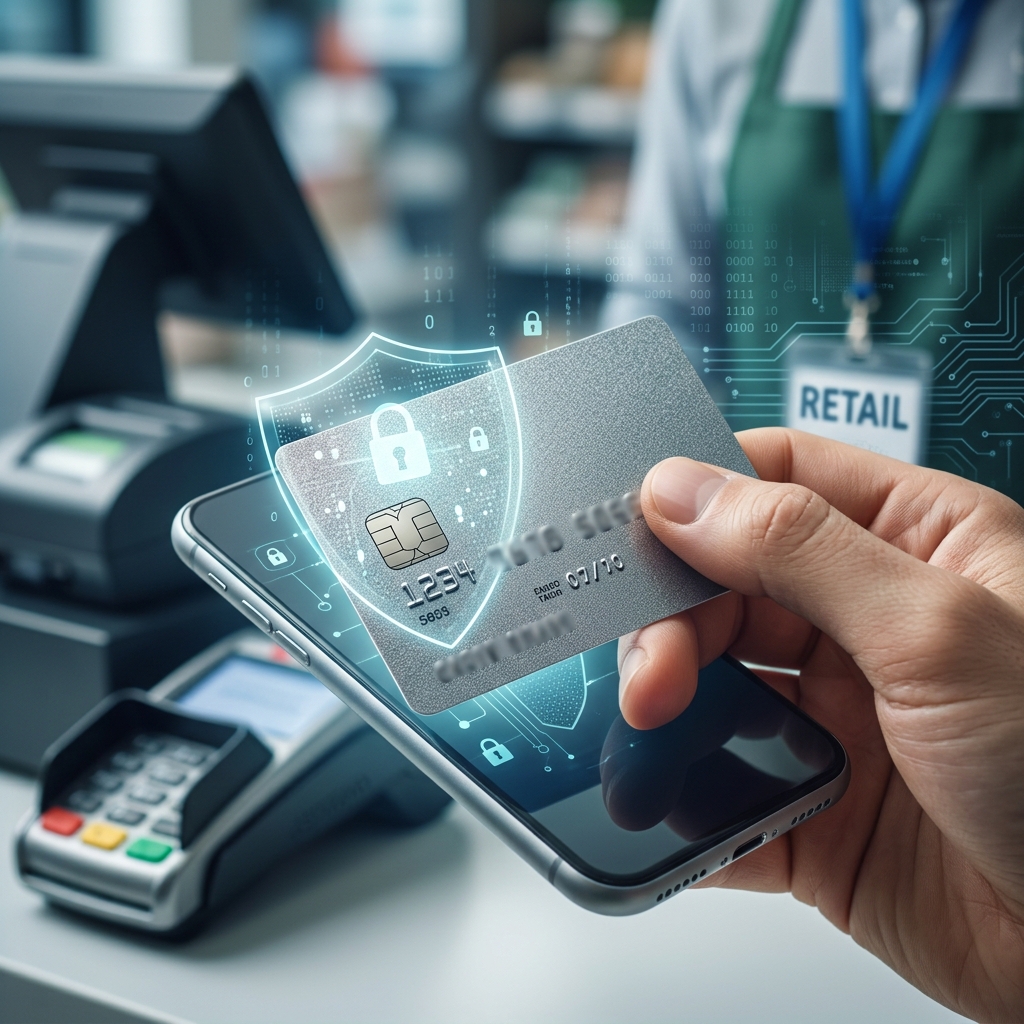
When a major retailer announces a data breach, millions of customers are suddenly left wondering whether their credit cards or personal details are in the hands of criminals. The 2013 Target cyberattack is a well-known example: more than 40 million payment cards and the personal information of about 70 million people were compromised, costing the company upwards of $200 million and triggering widespread consumer anxiety. In the aftermath of any similar incident, understanding what happened and how to protect yourself is critical.
This guide explains, in practical terms, how retail data breaches occur, what risks they create for everyday shoppers, and the concrete steps you can take to detect fraud, secure your accounts, and reduce the chance of long‑term harm.
How Retail Data Breaches Typically Happen
Retailers process enormous volumes of card payments and customer data. That makes them attractive targets for attackers, who look for ways to infiltrate internal networks and point‑of‑sale (POS) systems. In the Target case, the attackers reportedly entered the network using stolen credentials from a third‑party vendor, then moved laterally until they could install malware on cash registers to capture card data during transactions.
While technical details differ from case to case, many retail breaches follow a similar pattern:
- Initial access through a weak link – Attackers often compromise a contractor, vendor account, or poorly secured remote access system, then reuse stolen credentials to reach the retailer’s network.
- Movement inside the network – Once inside, they leverage insufficient segmentation and access controls to reach more sensitive systems, such as payment processing servers or POS terminals.
- Data collection and exfiltration – Malware is deployed to capture payment card details or personal information, which is then sent to external servers controlled by the attackers.
Understanding this pattern helps explain why the fallout can be so wide‑ranging and why breaches often go undetected for weeks.
What Information Is Usually at Risk?
Retail data breaches can expose different categories of information, depending on where attackers gain access and what systems they compromise. In the Target incident, both payment card data and personal information were affected. The most common types of data at risk include:
| Data Type | Examples | Primary Risk to You |
|---|---|---|
| Payment card data | Card number, expiration date, CVV (security code) | Unauthorized purchases, card cloning, online fraud |
| Basic personal details | Name, address, phone number, email | Targeted phishing, spam, social engineering attacks |
| Account credentials | Usernames, passwords, security questions | Account takeover, credential stuffing on other services |
| Sensitive identity data | Social Security number, driver’s license number | Identity theft, new credit accounts opened in your name |
Retailers often emphasize when Social Security numbers or other high‑risk identifiers are not involved, but even exposure of card numbers and contact details can lead to serious fraud if you do not respond quickly.
Immediate Steps to Take When a Breach Is Announced
If you learn that a retailer you’ve used recently has suffered a breach, it is wise to assume your information might be affected until the company or your bank confirms otherwise. Consumer protection agencies consistently advise prompt, practical action. Here are high‑impact steps you can take right away:
1. Confirm Whether You Were Likely Affected
- Review your recent purchases – If you used a credit or debit card at the retailer during the timeframe mentioned in public reports, treat that card as potentially exposed.
- Check official notices – Retailers and banks often send letters or emails to affected customers and post FAQs on their official sites explaining what data was compromised and who is impacted.
Be cautious with messages claiming to be from the retailer; visit the company’s website directly instead of clicking links in unsolicited emails, which may be phishing attempts.
2. Monitor Card Activity Closely
Payment card fraud is often the most immediate risk after a retail breach. Financial institutions typically encourage customers to review statements and transactions and to report suspicious activity promptly. Practical monitoring tactics include:
- Log in to online or mobile banking daily for at least a few weeks to review recent transactions.
- Enable alerts for card use, large purchases, or online transactions so you receive real‑time notifications.
- Scrutinize small, unfamiliar charges – criminals may test stolen cards with low‑value transactions before attempting larger purchases.
If you see anything you do not recognize, contact the card issuer immediately using the number on the back of your card.
3. Decide Whether to Replace Your Card
In large breaches, many banks proactively reissue cards. During the Target incident, millions of cards were replaced, at considerable cost to financial institutions. Even if your bank has not yet taken action, you may request a new card if your number was exposed or if you feel uncomfortable continuing to use it.
- Credit cards – Because they offer stronger fraud protections and do not draw directly from your bank account, continuing to monitor activity may be sufficient, but replacing the card adds an extra layer of safety.
- Debit cards – These link directly to your checking account, so unauthorized use can immediately affect your balance. Replacing a potentially compromised debit card is often prudent.
Keep track of subscriptions or services that use your card for recurring payments so you can update them once your new number arrives.
Protecting Yourself Against Identity Theft
When a breach goes beyond card numbers and includes names, contact information, or other personal data, it increases the risk of broader identity theft. Attackers can combine leaked data with information from other sources to impersonate you or trick you into revealing more details.
4. Watch for Targeted Phishing and Scams
Attackers may use breached email addresses and phone numbers to craft messages that appear to come from the affected retailer or your bank. These messages often urge you to “verify” or “update” your account information via a link. To reduce your risk:
- Be skeptical of urgent messages asking for login information, Social Security numbers, or card details.
- Navigate to official websites directly instead of clicking email links, and call customer service numbers listed on official statements if in doubt.
- Check sender addresses and URLs carefully for slight misspellings or unfamiliar domain names.
5. Use Strong, Unique Passwords Everywhere
If the breach involved account credentials or if you reused the same password across multiple sites, your risk of account takeover increases significantly. Security specialists frequently stress the importance of unique passwords and multi‑factor authentication. Consider the following steps:
- Change your password for the retailer’s website and any other accounts where you used the same or similar credentials.
- Enable multi‑factor authentication (MFA) on banking, email, and shopping accounts so a stolen password alone is not enough to log in.
- Use a reputable password manager to generate and store long, unique passwords without having to memorize them.
6. Consider Credit Monitoring and Fraud Alerts
Large‑scale breaches sometimes lead to new credit accounts being fraudulently opened in victims’ names. Many retailers respond by offering free credit monitoring or identity protection services for a limited time. You can also take independent steps, such as:
- Placing a fraud alert with major credit bureaus so lenders take extra steps to verify your identity before issuing new credit.
- Reviewing your credit reports regularly to check for unfamiliar accounts or inquiries.
- Considering a credit freeze if highly sensitive data like Social Security numbers were exposed, which restricts new creditors from accessing your report without your explicit action.
These measures are especially valuable when the breach involves more than just card numbers.
Long‑Term Habits to Reduce Future Risk
While customers cannot control retailers’ internal security practices, there are practical habits that can significantly reduce your exposure and make fraud easier to spot.
- Prefer credit over debit for online and large in‑store purchases, as credit cards generally offer stronger protections and do not directly access your bank balance.
- Limit stored cards – Avoid saving card details in multiple shopping accounts; remove cards from sites you rarely use.
- Segment your finances – Consider using a dedicated credit card for online shopping, making suspicious patterns easier to identify.
- Stay informed about major breaches – News outlets and official company statements often highlight incidents at large retailers, giving you an opportunity to respond quickly.
These practices, combined with attentive account monitoring, can substantially reduce the likelihood that you will suffer serious losses from the next breach that hits the headlines.
What Retailers Learn from High‑Profile Breaches
Events like the Target breach have led many organizations to rethink how they design and manage their security programs. Analyses by security professionals and case studies from universities highlight recurring lessons:
- Third‑party risk management is essential – Vendors should have only the minimum necessary access, and their credentials must be protected with strong controls.
- Network segmentation reduces damage – Separating vendor portals, POS systems, and internal business networks makes it harder for attackers to move laterally.
- Security alerts must be acted on quickly – In the Target case, some alerts were reportedly not handled in time, allowing attackers to remain in the environment for weeks.
- Continuous monitoring and dedicated security leadership – Many organizations have created centralized security operations centers and appointed senior leaders responsible for cyber risk after high‑profile incidents.
While these improvements happen behind the scenes, they ultimately aim to reduce the likelihood that your information will be exposed during future attacks.
Frequently Asked Questions
How do I know if my card was used fraudulently after a retail breach?
Signs include transactions in cities you have not visited, online purchases from unfamiliar merchants, or small “test” charges you do not recognize. Most banks provide detailed digital statements and alerts, making it easier to spot unusual activity quickly. If anything looks wrong, contact your card issuer immediately.
Is it safer to stop shopping at a retailer that has been breached?
A past breach does not automatically mean a retailer is now unsafe. In many cases, companies invest heavily in improved security after a major incident, including upgraded payment technologies and better monitoring. Your best defense is to follow good personal security practices and use cards that offer strong fraud protections.
Will I be responsible for fraudulent charges?
Credit card networks and banks typically limit customer liability for unauthorized charges, especially when they are reported promptly. Policies vary by issuer and region, but in practice customers affected by large retail breaches are rarely held responsible for fraudulent card use once they report it.
Should I accept free credit monitoring offered after a breach?
If the incident involved personal data beyond card numbers—such as email addresses, phone numbers, or identifiers that could be used in identity theft—credit monitoring can be a useful tool. It helps you detect new accounts or unusual activity more quickly, especially when combined with your own regular credit report reviews.
Can using mobile wallets or chip cards reduce my risk?
Payment technologies that generate dynamic transaction data, such as EMV chip cards and certain mobile wallets, make it harder for attackers to reuse captured card information. While they do not eliminate risk entirely, they are part of a broader shift toward more secure payment methods that aim to reduce fraud.
References
- The Target Breach: A Historic Cyberattack with Lasting Consequences — Framework Security. 2023-03-01. https://frameworksecurity.com/post/the-target-breach-a-historic-cyberattack-with-lasting-consequences
- Target Data Breach: What Happened, Impact, and Lessons — Huntress. 2023-11-15. https://www.huntress.com/threat-library/data-breach/target-data-breach
- A “Kill Chain” Analysis of the 2013 Target Data Breach — U.S. Senate Committee on Commerce, Science, and Transportation. 2014-03-25. https://www.commerce.senate.gov/wp-content/uploads/media/doc/2014%200325%20Target%20Kill%20Chain%20Analysis.pdf
- Warnings (& Lessons) of the 2013 Target Data Breach — Red River. 2022-06-10. https://redriver.com/security/target-data-breach
- Throwback to the Target Hack: How It Happened, and Lessons — Portnox. 2022-09-12. https://www.portnox.com/blog/cyber-attacks/throwback-to-the-target-hack/
- Target Cyber Attack: A Columbia University Case Study — School of International and Public Affairs, Columbia University. 2022-11-01. https://www.sipa.columbia.edu/sites/default/files/2022-11/Target%20Final.pdf
Similar Articles








Read full bio of medha deb


