
Property Owners’ Duty to Prevent Injuries
Understand how premises liability and duty of care shape a property owner’s legal responsibility to prevent injuries.
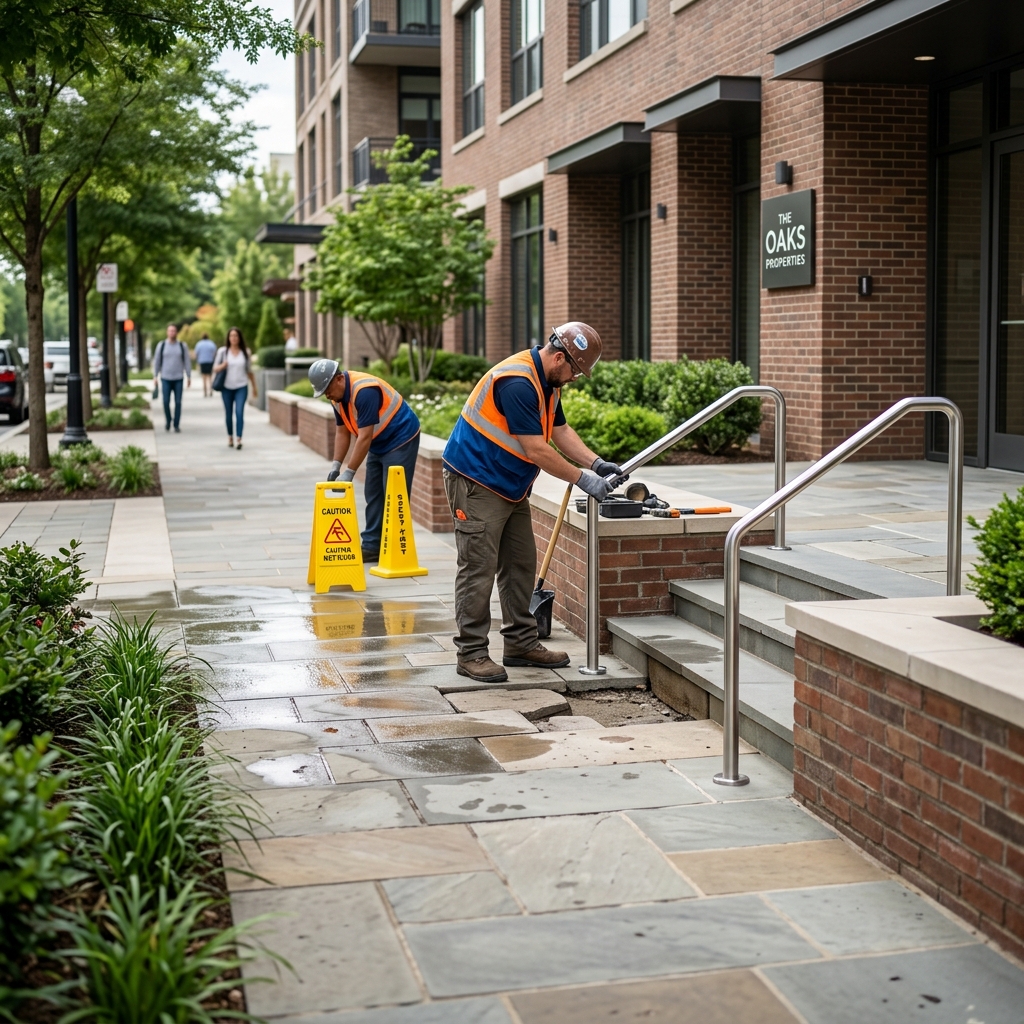
Owning property comes with more than just the right to use or enjoy the land and buildings. It also carries an important legal responsibility: the obligation to keep the premises reasonably safe and to prevent foreseeable injuries to people who enter the property. This obligation, often called the duty of care, is the foundation of premises liability law in the United States.
This article explains how that duty works, what steps owners are expected to take, how liability is determined after an accident, and what both owners and injured visitors should know about claims arising from unsafe property conditions.
Premises Liability and Duty of Care: The Legal Framework
Premises liability is the area of personal injury law that governs when someone in control of property can be held responsible for injuries caused by dangerous conditions on that property. Liability is generally based on negligence — meaning the owner failed to meet a legal duty to keep the premises reasonably safe, and that failure directly caused harm.
What Is Duty of Care on Real Property?
Under premises liability law, a property owner or occupier typically has a duty to:
- Maintain the property in a reasonably safe condition
- Regularly inspect the premises for hazards that could injure visitors
- Repair dangerous conditions within a reasonable time after discovering them
- Warn visitors about hazards that cannot be immediately corrected
- In some settings, provide reasonable security measures when criminal activity is foreseeable
Courts evaluate this duty using the standard of a “reasonably prudent” person in similar circumstances. The focus is not on perfection, but on whether an owner took sensible steps to identify and control risks.
Visitor Status: Invitees, Licensees, and Trespassers
In many states, the level of duty owed to someone on the property depends on that person’s legal status. Three common categories are:
- Invitees – Customers in stores, clients in offices, or anyone entering for the owner’s business benefit. Owners owe invitees the highest duty of care: to inspect the property, correct hazards, and warn of dangers that may not be obvious.
- Licensees – Social guests or individuals entering with permission for non-commercial reasons. Owners must warn licensees of known dangers that would not be obvious to them, though the duty to inspect may be less rigorous than for invitees.
- Trespassers – People on the property without permission. Traditionally, owners owe little or no duty to trespassers, except in limited circumstances such as when they are discovered on the property and a serious, hidden danger exists.
Some jurisdictions have moved away from these formal categories and instead impose a general duty of reasonable care toward most persons on the property, regardless of their status. In those states, courts focus on foreseeability of harm and the reasonableness of the owner’s actions.
Core Responsibilities of Property Owners
Although specific obligations vary by state, most property owners share several fundamental responsibilities aimed at preventing injuries.
Inspection and Maintenance Duties
Owners must take active steps to discover and address unsafe conditions on their property. Common expectations include:
- Routine inspections: Regular walkthroughs of interior and exterior areas to identify hazards such as spills, damaged flooring, loose handrails, poor lighting, or structural defects.
- Timely repairs: Fixing known problems within a reasonable period, given the nature of the hazard and the owner’s resources.
- Ongoing maintenance: Keeping walkways clear, replacing worn materials, and ensuring equipment and building systems operate safely.
A failure to inspect or maintain property can result in liability if that lapse leads to an injury that was reasonably foreseeable.
Warning About Known Hazards
When an owner cannot immediately eliminate a hazard, they generally must give visitors clear warning. Examples include:
- Posting caution signs near wet floors or slippery surfaces
- Blocking off unsafe areas with cones, tape, or temporary barriers
- Verbally warning guests of hidden dangers, such as a weak step or low ceiling
Warnings do not excuse an owner from eventually correcting the hazard, but they can reduce the risk of an accident and may affect how a court evaluates negligence.
Security and Foreseeable Crime
In locations where crime is reasonably foreseeable — for example, a business in an area with a history of assaults or robberies — owners may have a duty to take reasonable security measures. Depending on the setting, this might include:
- Improved lighting in parking lots and entryways
- Locks and access controls for buildings
- Security cameras or personnel
The exact requirements vary, but the underlying principle is that owners should not ignore known risks of violent or criminal acts on their property when simple precautions could reduce those risks.
When Property Owners Can Be Held Liable
Not every injury that occurs on someone else’s property leads to owner liability. Courts typically examine whether the owner failed to act with reasonable care and whether that failure caused the injury.
Elements of a Premises Liability Claim
To succeed in a typical premises liability case, the injured person generally must prove four key elements:
- Duty: The owner or occupier had a legal responsibility to keep the visitor reasonably safe under the circumstances.
- Breach: The owner failed to meet that responsibility by not acting as a reasonably prudent person would — for example, by neglecting repairs or failing to warn about hazards.
- Causation: The owner’s failure was a direct and foreseeable cause of the injury. There must be a clear link between the dangerous condition and what happened.
- Damages: The injured person suffered actual, compensable harm, such as medical expenses, lost income, or pain and suffering.
If any of these elements is missing, the claim may fail even if an accident occurred.
Knowledge of the Hazard: Actual vs. Constructive Notice
Another critical issue in premises cases is whether the owner knew about the dangerous condition or, in the eyes of the law, should have known about it.
| Type of Notice | Description | Examples |
|---|---|---|
| Actual notice | The owner or occupier was directly aware of the hazard. |
|
| Constructive notice | The hazard existed long enough that the owner, using reasonable care and inspections, should have discovered it. |
|
Constructive notice is based on the principle that owners must actively maintain safe conditions and routinely inspect their premises; they cannot avoid liability by claiming ignorance when hazards were obvious and longstanding.
Common Scenarios: Slip and Fall and Other Accidents
Slip-and-fall incidents are among the most common premises liability claims. In these cases, an injured person usually must show that:
- A dangerous condition existed (such as a wet floor, uneven pavement, or spilled substances)
- The property owner either knew or should have known of the hazard through reasonable inspections
- The owner did not adequately repair the hazard or provide clear warnings
- The hazardous condition directly caused the fall and resulting injuries
Premises liability also covers injuries from falling objects, unsafe stairs, inadequate lighting, defective handrails, unsafe playground equipment, and other dangerous premises conditions.
Negligence and Shared Responsibility
Premises liability claims almost always revolve around the concept of negligence. In tort law, negligence refers to conduct that creates a foreseeable risk of injury and fails to meet the duty of care owed to others.
How Courts Assess Negligence
When evaluating a property owner’s conduct, courts may look at factors such as:
- How long the hazardous condition existed before the accident
- Whether the owner had inspection procedures in place and followed them
- The ease and cost of correcting the hazard compared to the gravity of the risk
- Whether similar accidents had happened before, putting the owner on notice
- The visitor’s own behavior, including whether they ignored obvious warnings or acted recklessly
In some cases, the injured person’s actions may reduce or even bar recovery under comparative or contributory negligence rules, depending on the jurisdiction.
Evidence Commonly Used in Premises Cases
To show that an owner was negligent, injured plaintiffs often rely on evidence such as:
- Photographs or video showing the dangerous condition at or near the time of the accident
- Incident reports prepared by the property owner or manager
- Surveillance footage from the premises
- Maintenance and inspection records indicating how the property was cared for
- Witness statements from employees, other visitors, or experts
This documentation helps establish whether the owner’s conduct fell short of reasonable care and whether they had notice of the hazard.
Practical Steps for Property Owners to Reduce Risk
Proactive safety measures not only protect visitors but also reduce the likelihood of legal claims. While specific actions should be tailored to the type of property, many owners can benefit from implementing the following practices.
Develop a Consistent Inspection Routine
- Create written checklists for high-traffic areas, entrances, stairs, and parking lots.
- Schedule inspections at regular intervals, especially during business hours.
- Train staff to recognize and promptly report hazards.
Document Maintenance and Repairs
- Keep logs of cleaning, repair work, and safety checks.
- Note when hazards are discovered, what steps are taken, and when they are completed.
- Retain invoices and work orders from contractors and service providers.
Use Clear Warnings and Temporary Barriers
- Place visible signs near temporary hazards, such as freshly mopped floors.
- Block off areas that pose immediate danger until repairs can be made.
- Ensure warnings are in plain language and easy to see under normal lighting conditions.
Review Security Needs for the Property
- Evaluate crime statistics and prior incidents in the area.
- Improve lighting and visibility where people walk or gather.
- Consider reasonable security measures if risks are significant.
Frequently Asked Questions (FAQs)
Do property owners always have to prevent every possible injury?
No. The law generally requires property owners to take reasonable steps to prevent foreseeable harm, not to guarantee absolute safety. Accidents can still happen even when owners act responsibly. Liability usually arises only when the owner fails to meet the applicable duty of care.
Can an owner be liable if they did not know about a hazard?
Yes, in some cases. Even if an owner lacked actual knowledge, they may be held liable under constructive notice rules if the hazard existed long enough that a reasonable inspection would have uncovered it. Courts look at how long the condition persisted and whether the owner had adequate inspection procedures.
Does a property owner owe a duty to trespassers?
Usually the duty to trespassers is limited. In many jurisdictions, owners are not required to keep their property safe for unknown trespassers. However, if the owner becomes aware of trespassers and knows of a serious, hidden danger, they may have a duty to warn in some circumstances. Laws differ by state, and special rules can apply to child trespassers.
What should I do if I am injured on someone else’s property?
While this article is not legal advice, typical steps after an injury may include:
- Seeking immediate medical care for your injuries
- Documenting the scene with photos or video, if possible
- Obtaining contact information from witnesses
- Reporting the incident to the property owner or manager
- Consulting a qualified attorney experienced in premises liability to understand your rights
How long do I have to bring a premises liability claim?
The deadline, known as the statute of limitations, varies by state and by the type of claim. Because these time limits can be strict, injured persons often choose to speak with an attorney quickly after an incident to avoid losing the right to pursue compensation.
References
- Premises Liability Law — Justia. 2023-03-01. https://www.justia.com/injury/premises-liability/
- New York Premises Liability Lawyer — Stephen Bilkis & Associates. 2023-08-15. https://www.1800nynylaw.com/personal-injury/new-york-premises-liability/
- Slip and Fall Accidents: When Property Owners Can Be Held Liable — Woomer & Talarico LLC. 2022-11-10. https://www.woomerlaw.com/slip-and-fall-accidents-when-property-owners-can-be-held-liable
- New York City Bar Association: Duty of Care — NYC Bar. 2022-05-20. https://www.nycbar.org/get-legal-help/article/personal-injury-and-accidents/duty-care/
- Premises Liability — Ellis Law, P.C. 2021-09-30. https://www.ellislaw.com/injury-newsletter/premises-liability/
- Premises Liability in New Jersey: Property Owners’ Responsibilities and Negligence — Morris, Downing & Sherred, LLP. 2023-12-05. https://morrisdowningsherred.com/blog/2023/12/premises-liability-in-new-jersey-property-owners-responsibilities-and-negligence/
- Premises Liability — Leav & Steinberg LLP. 2022-06-18. https://www.nyaccidentlawyer.com/practice-areas/premises-liability/
Similar Articles








Read full bio of Sneha Tete


