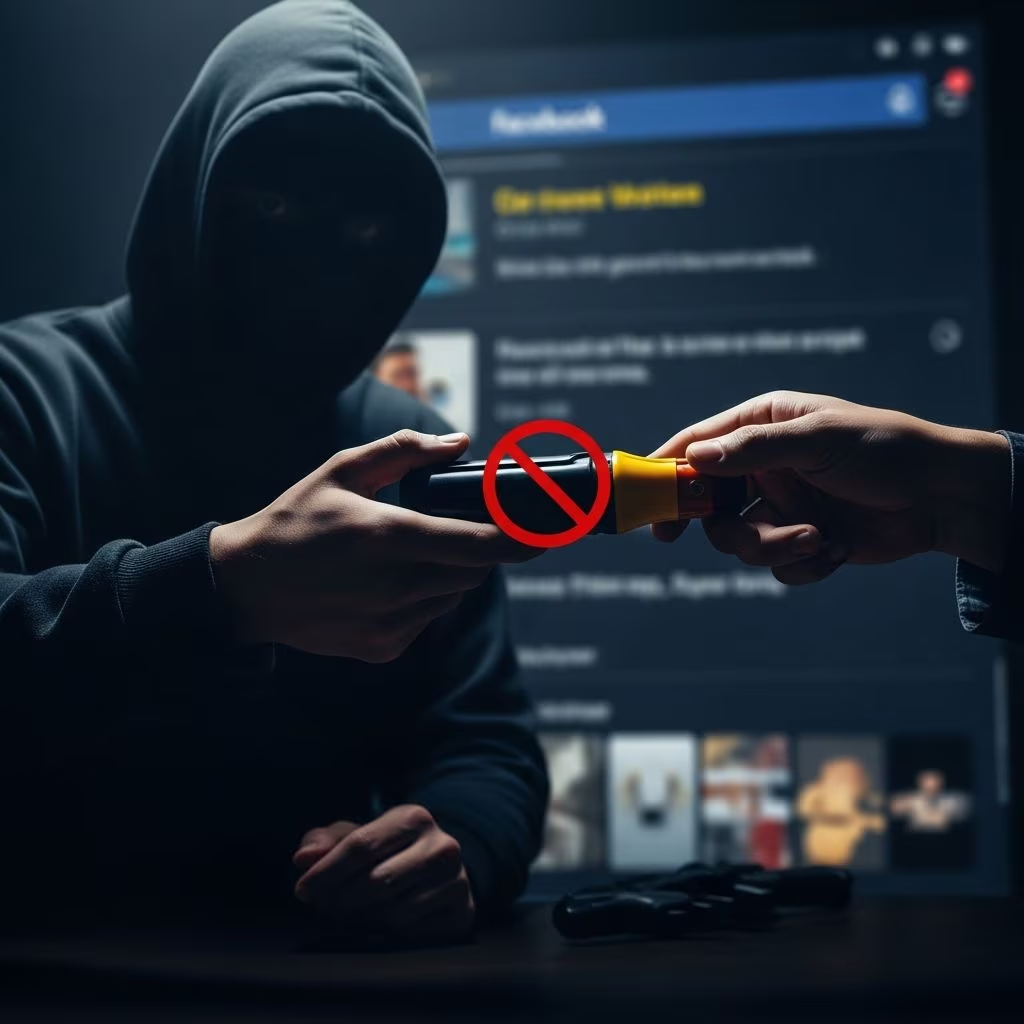
Facebook Marketplace offers a convenient platform for buying and selling used goods locally, but its policies strictly forbid certain items to ensure user safety, comply with laws, and prevent fraud. Violating these rules can result in listing removals, account suspensions, or legal penalties. This article explores common prohibited categories, drawing from Meta’s official standards and real-world examples of risky sales.
Understanding Meta’s Commerce Policies
Meta, Facebook’s parent company, enforces Community Standards and Commerce Policies that prohibit items posing safety risks, legal issues, or ethical concerns. These rules align with federal and state laws, including those from the U.S. Consumer Product Safety Commission (CPSC) and the Federal Trade Commission (FTC). Sellers must verify items before listing to avoid automatic flags by AI moderation or user reports.
Prohibited sales often involve hazardous materials, controlled substances, or intellectual property violations. Even seemingly harmless household items can trigger bans if they fall into restricted categories. Awareness of these guidelines protects sellers from unintended breaches.
Weapons and Dangerous Implements
Items capable of causing harm top the prohibited list. Firearms, ammunition, knives designed for combat, pepper spray, and explosives like fireworks are explicitly banned due to public safety risks.
- Guns and ammo: Federal laws under the Gun Control Act regulate these; unlicensed online sales are illegal.
- Bladed tools: Hunting knives or swords, even as collectibles, violate policies if perceived as weapons.
- Other hazards: Explosives or tasers present transit dangers and are removed swiftly.
Sellers attempting these listings risk permanent bans. For instance, framing a knife as ‘kitchenware’ rarely succeeds, as moderators prioritize potential misuse.
Controlled Substances and Related Products
Drugs, alcohol, and tobacco products are off-limits. Illegal narcotics, prescription medications without licenses, and drug paraphernalia like bongs or rolling papers breach both platform rules and the Controlled Substances Act.
| Category | Examples | Legal Risks |
|---|---|---|
| Prescription Drugs | Antibiotics, painkillers | FDA violations, felony charges |
| Alcohol | Bottles of wine, beer | Age restriction laws, state licensing |
| Tobacco | Cigarettes, vaping devices | 21+ sales prohibitions |
Even home brewing kits or tobacco-growing supplies are prohibited, as they promote restricted activities. Selling these invites health authority scrutiny.
Hazardous Materials and Chemicals
Cleaning agents, pesticides, flammable liquids, and radioactive substances endanger shippers and buyers. Bleach, drain cleaners, or paints flagged as toxic are auto-removed.
- Hazardous chemicals pose fire or poisoning risks during transport.
- Industrial cleaners or insecticides violate DOT shipping regulations.
- Even small quantities trigger policy violations under Meta’s safety standards.
The U.S. Department of Transportation (DOT) mandates special handling for hazmat, which Marketplace cannot accommodate reliably.
Counterfeit and Intellectual Property Violations
Fake luxury goods, pirated media, and trademark-infringing items undermine brands and laws like the Lanham Act. Replica handbags, knockoff electronics, or unauthorized software downloads are banned.
Meta collaborates with brands for rapid detection. Authentic designer items sometimes face scrutiny, requiring proof of purchase for reinstatement. Copyrighted music, movies, or stock images in listings also violate rules.
Live Animals and Restricted Animal Products
Selling pets, livestock, or products from endangered species is prohibited to prevent welfare abuses and illegal wildlife trade. Puppies, kittens, ivory, or certain furs fall under bans enforced by the Endangered Species Act.
- Live animals risk poor transport conditions.
- Animal byproducts like exotic skins vary by state laws.
- Adoption posts by nonprofits may be allowed under strict conditions.
Federal regulations from the U.S. Fish and Wildlife Service oversee these trades, making casual sales highly risky.
Food, Supplements, and Perishables
Fresh foods, baby formula, medications, and supplements are banned due to spoilage, contamination, and FDA oversight. Used cosmetics or opened skincare also violate hygiene standards.
| Item Type | Reason for Ban |
|---|---|
| Baby formula | Health regulations, tampering risks |
| Used makeup | Bacterial contamination |
| Prescription meds | Unlicensed distribution |
Recalled products, per CPSC lists, cannot be resold legally, adding liability for sellers.
Digital Goods and Intangible Services
Non-physical items like ebooks, gift cards, cryptocurrencies, or online services (e.g., graphic design) are prohibited. Lottery tickets or gambling items also violate state gaming laws.
- Subscriptions to streaming services bypass official channels.
- Virtual currencies evade financial regulations.
- Job postings or lessons clutter the goods-focused platform.
These restrictions maintain Marketplace’s focus on tangible, local sales.
Other Restricted Categories
Used mattresses raise bedbug concerns; stolen property is obviously illegal. Professional services like repairs or childcare are redirected to other Facebook groups. Meta’s policies evolve, with recent emphases on recalled goods and hazardous trades.
Legal Consequences of Violations
Beyond account bans, sellers face fines, lawsuits, or criminal charges. For example, counterfeit sales can lead to FTC actions, while hazmat shipping violations incur DOT penalties. State attorneys general monitor online marketplaces for compliance.
In 2023, Meta removed millions of violating listings, per transparency reports. Repeat offenders lose Marketplace access entirely.
Tips for Compliant Selling
- Review Meta’s Restricted Goods Policy regularly.
- Check CPSC recall lists before listing baby items or toys.
- Provide authenticity proof for high-value goods.
- Use local pickup to avoid shipping restricted items.
- Report suspicious listings to strengthen platform integrity.
Frequently Asked Questions (FAQs)
Can I sell a collectible knife on Facebook Marketplace?
No, most bladed items are classified as weapons and prohibited, regardless of intent.
Is it okay to list prescription drugs I no longer need?
Absolutely not; unlicensed sales are illegal under FDA rules and platform policies.
What about selling my extra alcohol?
Prohibited due to age laws; even sealed bottles are banned.
Can I offer digital downloads like ebooks?
No, digital goods and subscriptions violate Commerce Policies.
Why are live pets not allowed?
To protect animal welfare and comply with trade laws; only verified rescues may post.
What happens if my listing gets removed?
Appeal with proof, but repeated violations lead to suspensions.
This guide empowers safe selling on Facebook Marketplace. Stay informed to avoid pitfalls and contribute to a trustworthy community.
References
- Reseller Guide to Facebook Marketplace Prohibited Items — Vendoo Blog. 2023-05-15. https://blog.vendoo.co/reseller-guide-to-facebook-marketplace-prohibited-items
- 14 Everyday Items You’re Not Legally Allowed to Sell on Facebook Marketplace — FODMAP Everyday. 2024-02-10. https://www.fodmapeveryday.com/14-everyday-items-youre-not-legally-allowed-to-sell-on-facebook-marketplace/
- Restricted Goods and Services – Transparency Center — Meta Transparency Center. 2025-01-01. https://transparency.meta.com/policies/community-standards/restricted-goods-services/