
Elevate Your Workspace: Professional Office Makeover Guide
Discover simple, budget-friendly strategies to transform your office into a polished, productive, and impressive professional environment that inspires success.
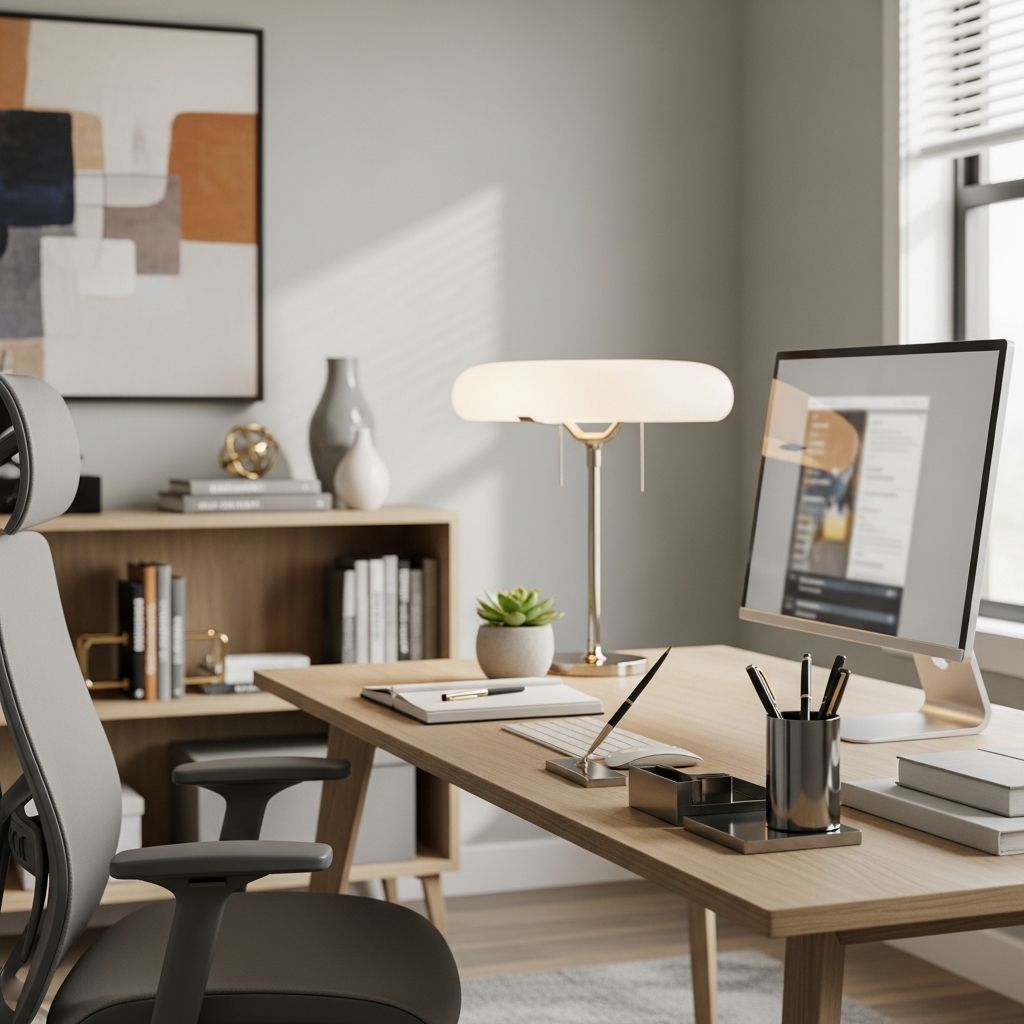
Your office environment shapes perceptions, influences productivity, and reflects your brand’s professionalism. A thoughtfully designed space can boost employee morale, enhance client interactions, and foster creativity without requiring a massive overhaul. This guide draws on proven design principles to help you achieve a sophisticated look through accessible changes.
Mastering Furniture Selection for Cohesive Elegance
Selecting the right furniture forms the foundation of a professional office. Opt for pieces with clean lines and uniform styles to create visual harmony. Consistent shapes and neutral finishes across desks, chairs, and storage units promote symmetry, making even modest spaces feel expansive and organized.
Ergonomic chairs with adjustable heights and supportive backs paired with sleek, minimalist desks elevate functionality and style. Avoid ornate details that clutter the eye; instead, prioritize timeless designs that withstand trends. For conference areas, choose modular tables that adapt to meetings of varying sizes, ensuring versatility.
- Invest in high-quality, multi-functional pieces to maximize utility.
- Match wood tones or metal accents for a unified aesthetic.
- Position furniture to facilitate natural flow and open pathways.
High-quality furniture not only improves comfort but also signals reliability to visitors. Studies show ergonomic setups reduce fatigue, enhancing long-term productivity in professional settings.
Curating a Strategic Color Scheme
Color profoundly impacts mood and perception. A restrained palette of neutrals like soft grays, beiges, and whites forms a serene backdrop, while subtle accents from your brand colors add personality without overwhelming the space. Lighter tones on walls expand perceived room size, ideal for compact offices.
Research indicates that cool blues promote focus and productivity, whereas greens evoke calmness and growth. Balance these with darker contrasts for depth—think navy cushions against light walls. Test samples in natural light to ensure they harmonize throughout the day.
| Color Type | Effect | Best Use |
|---|---|---|
| Neutrals (Gray, Beige) | Calm, spacious | Walls, large furniture |
| Blues/Greens | Focus, creativity | Accents, rugs |
| Brand Colors | Unity, identity | Art, decor |
Incorporate color gradually: paint one feature wall boldly, then echo it in accessories. This approach maintains professionalism while injecting energy.
Optimizing Lighting for Ambiance and Efficiency
Effective lighting layers—ambient, task, and accent—create dynamic, adaptable spaces. Maximize natural light through sheer curtains, glass partitions, and strategic window placements, as it correlates with 70% higher worker satisfaction and productivity.
Supplement with dimmable LEDs for flexibility: overhead fixtures for general illumination, desk lamps for focused work, and spotlights for artwork. Warm bulbs (2700K-3000K) foster a welcoming glow, avoiding harsh fluorescents that strain eyes.
- Use motion-sensor lights in low-traffic areas for energy savings.
- Layer sources to adjust for tasks, from brainstorming to client calls.
- Position lamps to minimize shadows and glare on screens.
Natural light reduces reliance on artificial sources, cutting energy costs while promoting well-being. In modern offices, smart lighting systems allow app-controlled moods, enhancing professionalism.
Integrating Greenery for Vitality and Air Quality
Plants infuse life, purify air, and boost concentration by up to 15%. Low-maintenance options like snake plants, pothos, or succulents thrive indoors, requiring minimal care yet delivering maximum impact. Cluster them in corners or hang from ceilings for vertical interest.
Beyond aesthetics, greenery lowers stress and connects workers to nature. Statement pieces like fiddle-leaf figs serve as focal points near entrances, while desk-sized pots personalize workstations. Vertical gardens on walls maximize space in tight areas.
Choose species suited to your light conditions: bright spots for peace lilies, shade for ZZ plants. Regular misting maintains humidity, further improving comfort. This biophilic design trend is essential for contemporary professional spaces.
Decluttering and Organizing for a Polished Appearance
A clutter-free office projects competence. Conceal cables with organizers, invest in hidden storage, and adopt a ‘one-in, one-out’ policy for supplies. Multi-tiered shelving keeps essentials accessible yet tidy, freeing surfaces for purposeful displays.
Designate zones: creative brainstorming with whiteboards, quiet focus with partitions. Cable management trays under desks maintain sleek lines. Regular audits prevent accumulation, ensuring sustained professionalism.
- Implement desk trays for papers and tech.
- Use wall-mounted hooks for bags and coats.
- Digital tools reduce paper piles.
Organization streamlines workflows, minimizing distractions and elevating the space’s perceived value.
Strategic Focal Points and Personal Touches
Anchor rooms with eye-catching elements like abstract art, branded sculptures, or textured rugs. Position them at entry views, backed by contrasting walls or lighting for emphasis. These points convey personality without chaos.
Encourage subtle personalization: framed achievements or branded items reinforce culture. A central coffee station with modern appliances doubles as a gathering spot, blending utility and style.
Enhancing Atmosphere with Sensory Details
Scent and texture elevate professionalism. Diffusers with citrus or eucalyptus notes sharpen focus; avoid overpowering fragrances. Textured elements—woven baskets, ceramic lamps—add warmth. Sound-absorbing panels or rugs dampen echoes, creating serene acoustics.
Aromatherapy cues signal ‘work mode,’ boosting efficiency. These details transform sterile offices into inviting hubs.
Frequently Asked Questions (FAQs)
Q: How can I make a small office feel larger and more professional?
A: Use light colors, mirrors, minimal furniture, and ample lighting to create an illusion of space while keeping surfaces clutter-free.
Q: What are the best low-maintenance plants for offices?
A: Snake plants, pothos, and ZZ plants excel in low light with infrequent watering, improving air quality effortlessly.
Q: How often should I update my office design?
A: Refresh annually for trends, but focus on timeless elements; minor tweaks like new accents suffice for ongoing professionalism.
Q: Does office design really impact productivity?
A: Yes, studies show optimized environments with natural light and greenery can increase output by 15% and satisfaction significantly.
Q: What’s a budget-friendly way to start?
A: Begin with decluttering, paint, and plants—these yield high returns with low cost and effort.
Implementing these strategies creates a professional office that inspires excellence. Start small, iterate based on feedback, and watch your workspace—and business—thrive.
References
- Workplace Productivity and Natural Light — International Well Building Institute. 2024-06-15. https://www.wellcertified.com/research
- Biophilic Design in Offices — U.S. General Services Administration. 2023-11-20. https://www.gsa.gov/real-estate/design-construction/engineering-and-technical-services/biophilic-design
- Effects of Color on Workplace Performance — Cornell University Environmental Psychology Program. 2022-09-10. https://www.human.cornell.edu/departments-and-schools/design-and-environmental-analysis/research
- Office Ergonomics Guidelines — Occupational Safety and Health Administration (OSHA). 2025-02-28. https://www.osha.gov/ergonomics
- Lighting and Human Performance — Illuminating Engineering Society. 2024-03-05. https://www.ies.org/standards
Similar Articles








Read full bio of medha deb




