
Legal Office Design: A Comprehensive Guide For Modern Law Firms
Transform your law office into a productive, welcoming space that inspires confidence and success.
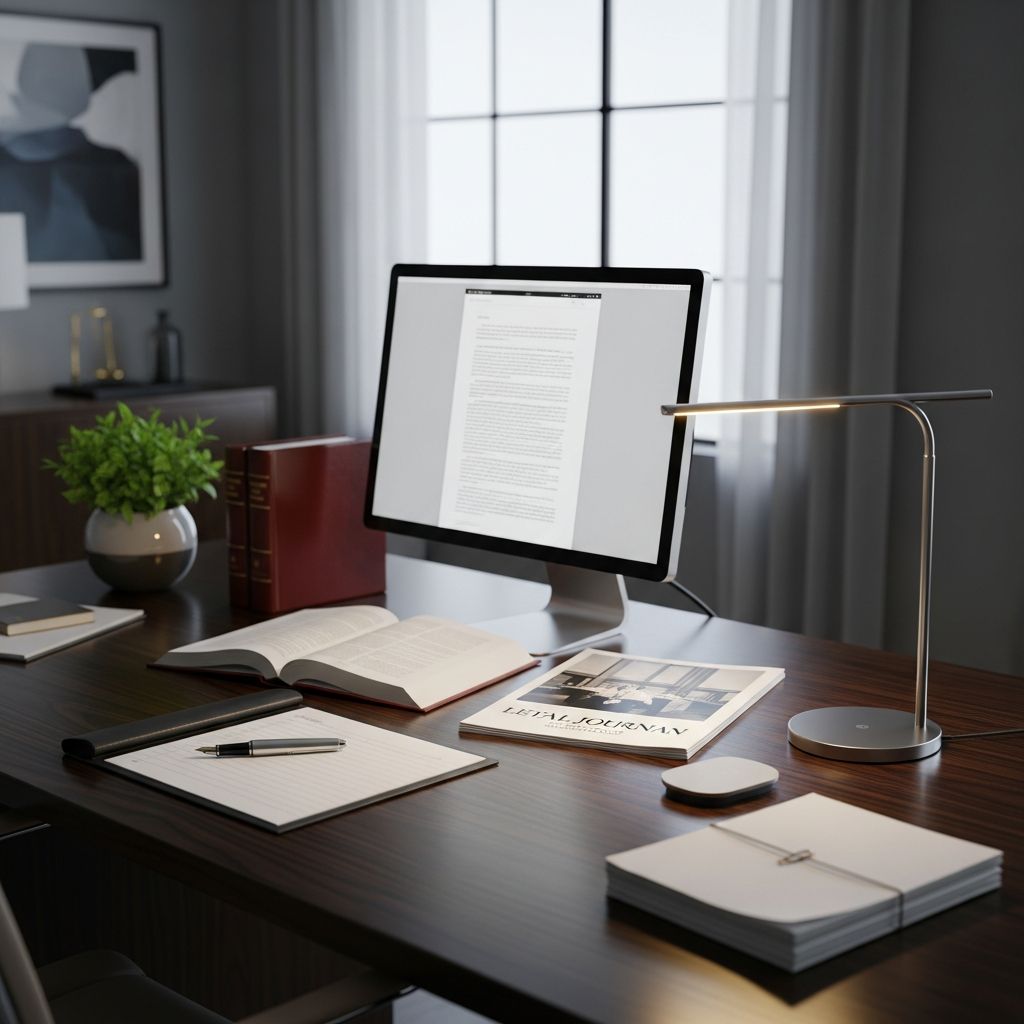
Building an Effective Legal Practice Environment
The physical environment where you practice law significantly influences both your professional effectiveness and client perception. Unlike a retail storefront or casual workplace, a law office serves as a reflection of your competence, reliability, and commitment to excellence. Every design choice communicates something about your practice to clients, opposing counsel, and staff members. Creating an optimal legal workspace requires thoughtful consideration of aesthetics, functionality, and the psychological impact of your surroundings on decision-making and productivity.
Many attorneys underestimate the importance of their office environment, viewing it primarily as a functional space rather than a strategic asset. However, research in environmental psychology demonstrates that workspace design directly affects cognitive performance, client trust, and overall job satisfaction. By understanding common pitfalls in legal office design and implementing strategic improvements, you can create a workspace that enhances your practice and leaves a lasting positive impression on everyone who enters.
The Sterile Office Problem: Beyond Generic Walls
One of the most prevalent mistakes in legal office design is maintaining an impersonal, institutional appearance. Many law offices feature bare walls, minimal furnishings, and a color palette limited to beige, gray, and white. This approach, while appearing neutral and professional, often creates an environment that feels cold, unwelcoming, and uninspiring. Rather than projecting confidence and stability, sterile offices can suggest a lack of personality and attention to detail.
The psychological impact of bland surroundings extends beyond aesthetics. Studies on workplace environments indicate that monotonous spaces reduce creativity, increase stress levels, and can negatively affect client perception. When clients enter your office, they form immediate impressions based on visual cues. A generic, impersonal space may inadvertently suggest that you are equally generic or impersonal in your legal services.
Addressing this challenge doesn’t require dramatic or unconventional design choices. Consider incorporating subtle color choices that convey professionalism while adding visual interest. Soft blues promote calm and trust, while warm neutrals with accent walls create depth without appearing unprofessional. Tasteful artwork, whether original pieces, professional prints, or photography, adds personality while maintaining sophistication. The key is ensuring that any decorative elements complement your office’s professional nature rather than detract from it.
Furniture Selection: Functionality Meets First Impressions
Your desk and seating arrangements represent the most visible and frequently encountered elements of your office design. These pieces command attention and set the tone for the entire workspace. Selecting furniture based solely on availability or cost often results in pieces that undermine your professional image and compromise your comfort during long working hours.
Quality furniture serves dual purposes: it supports your physical well-being during extended work sessions and communicates professional standards to clients and colleagues. An uncomfortable chair or unstable desk impacts your productivity and can cause physical strain that affects your performance. Simultaneously, worn, poorly maintained, or aesthetically questionable furniture sends negative signals about your practice standards.
When selecting office furniture, prioritize pieces that combine ergonomic design with visual appeal. Your workspace should feel like a curated environment rather than a collection of mismatched items. Investing in quality furniture that aligns with your office design scheme demonstrates professionalism and attention to detail. This investment pays dividends through improved productivity, reduced physical strain, and enhanced client confidence in your practice.
The Uniformity Trap: Developing a Distinctive Aesthetic
While professionalism requires maintaining certain standards, creating a workspace that appears entirely sourced from a catalog defeats the purpose of personalizing your environment. Many attorneys fall into the trap of selecting matching office suites or following generic design templates, resulting in spaces that lack character and memorability.
A distinctive legal office reflects your individual approach to practice while maintaining professional credibility. This can be achieved through thoughtful layering of complementary design elements. Mixing various textures, incorporating pieces from different periods or styles, and combining professional décor with meaningful personal items creates visual interest without sacrificing professionalism.
Consider incorporating elements that reflect your legal specialization or interests. A family law attorney might display art celebrating relationships and community. An environmental law specialist could incorporate natural elements and sustainable materials. These touches create a memorable environment that reinforces your practice focus while demonstrating genuine passion for your work. The goal is creating a space that feels intentionally designed rather than assembled from standard office catalogs.
Spatial Layout: Creating an Open and Welcoming Atmosphere
The physical arrangement of furniture dramatically affects how a space functions and feels. A common design mistake is positioning all furniture against walls, a practice that makes rooms feel smaller, more institutional, and less inviting. This layout choice, often made for perceived convenience, actually creates obstacles to movement and diminishes the perceived size of your office.
Strategic furniture placement creates conversation areas, defines functional zones, and makes optimal use of available space. Positioning your desk to allow sightlines across the room, creating a seating area for client consultations away from your work surface, and ensuring clear pathways through the office all contribute to a more spacious and welcoming environment. This arrangement also facilitates informal conversations and improves accessibility for clients with mobility considerations.
Consider the psychological impact of spatial arrangement on client interactions. When clients sit across from your desk with their backs to the door, they may feel vulnerable or uncomfortable. Positioning seating to allow clients to face the room creates a less adversarial dynamic and contributes to better communication. These spatial considerations reflect sophisticated understanding of how environment influences human interaction and perception.
Managing Clutter and Visual Chaos
The accumulation of documents, files, supplies, and miscellaneous items represents one of the most challenging aspects of maintaining a professional legal office. The nature of legal practice generates substantial paperwork, but allowing this documentation to overflow into visible areas creates an impression of disorganization and inefficiency.
Effective clutter management requires both organizational systems and honest assessment of what truly belongs in your office space. Documents actively needed for current cases can be organized in attractive filing systems or cabinets that keep materials accessible without creating visual chaos. Items broken, outdated, or no longer serving functional purposes should be removed rather than stored in visible areas. This isn’t about creating an unrealistically pristine environment but rather ensuring that your workspace reflects the organization you claim to bring to your legal work.
Strategic storage solutions allow you to maintain necessary materials while preserving visual order. Attractive cabinets, shelving units, and filing systems serve as both functional necessities and design elements. Color-coded organization systems provide the dual benefit of visual appeal and functional efficiency. When storage solutions are chosen thoughtfully, they contribute to rather than detract from your office’s professional appearance.
Professional Credentials and Accomplishments
Displaying your professional credentials, bar admissions, and educational accomplishments serves multiple purposes in a legal office. These items provide concrete evidence of your qualifications, build client confidence, and demonstrate your commitment to professional standards. However, the manner in which these items are displayed significantly impacts their effect.
Framed diplomas, bar admission certificates, and professional licenses should be positioned prominently but not obsessively. A cohesive display that groups related credentials creates a more sophisticated appearance than scattered individual frames. Many attorneys benefit from having their office handle the framing of credentials using consistent, high-quality materials that complement the overall office design.
Beyond formal credentials, awards, recognition letters, and professional affiliations can be displayed selectively to reinforce your expertise and professional standing. The key is choosing items meaningful to your practice and avoiding the appearance of ego-driven accumulation. Clients should perceive these displays as professional documentation rather than personal vanity.
Lighting and Environmental Comfort
Adequate, appropriate lighting fundamentally impacts both the functionality and atmosphere of your legal office. Poor lighting strains eyes during extended work, reduces productivity, and creates an unwelcoming environment for clients. Natural light, when available, provides psychological benefits beyond mere illumination, but must be balanced with privacy considerations.
Layered lighting approaches combining natural light with task lighting and ambient illumination create flexibility and comfort. Adjustable lighting allows you to adapt your environment to different activities and times of day. Modern lighting solutions can provide professional appearance while improving both aesthetic and functional aspects of your office.
Beyond lighting, temperature control, air quality, and acoustic considerations affect comfort for both you and clients. A well-maintained office with appropriate climate control and minimal disruptive noise demonstrates professionalism and respect for everyone’s experience in your space.
Greenery and Natural Elements
Incorporating living plants and natural elements into your legal office provides both aesthetic and psychological benefits. Research demonstrates that natural elements reduce stress, improve air quality, and enhance cognitive function. For legal professionals managing high-stress cases and demanding clients, these benefits contribute meaningfully to work performance and well-being.
Well-maintained plants and fresh flowers create visual interest while signaling attention to detail and environmental awareness. The key is selecting hardy plants requiring minimal maintenance and ensuring they receive appropriate care. Wilting or dying plants create a negative impression worse than having no plants at all. Quality artificial plants, while not providing air quality benefits, can serve as an alternative if live plant maintenance proves impractical.
Frequently Asked Questions
Q: How much personal decoration is appropriate in a law office?
A: Your office should reflect your professional identity without becoming a personal gallery. Limited personal items—such as meaningful artwork, family photos in modest frames, or items reflecting your practice focus—are appropriate. The guideline is that personal items should enhance rather than dominate your professional environment.
Q: Should my office match other attorney offices in my firm?
A: While overall professional standards should be consistent across a firm, individual offices can reflect personal style within those parameters. Consistency in quality and professionalism matters more than uniformity in design choices. This approach maintains firm cohesion while allowing individual expression.
Q: What color scheme works best for a law office?
A: Professional colors including deep blues, warm grays, earth tones, and soft greens convey stability and competence. Consider your practice area when selecting colors—family law might benefit from warmer tones suggesting approachability, while corporate law might use cooler tones suggesting objectivity. Avoid trendy colors that may feel dated quickly.
Q: How can I maintain a professional office on a limited budget?
A: Focus on quality essentials over quantity of items. Thoughtful arrangement of existing furniture, strategic use of color through paint or artwork, and careful selection of a few meaningful pieces creates professional impact without substantial expense. DIY framing of credentials and strategic shopping for furniture creates quality appearance within budget constraints.
Q: How often should I update my office design?
A: Quality office design should feel timeless rather than trendy. Periodic refreshes of artwork, seasonal updates to plants and flowers, and regular maintenance ensure your office remains welcoming without requiring complete redesign. Major updates every five to seven years prevent your office from appearing dated or neglected.
References
- 8 Stylish Decoration Tips for Your Law Office — University Frames. 2024. https://www.universityframes.com/blog/decoration-tips-for-your-law-office
- The Top 5 Crimes in Office Décor — Corporette.com. https://corporette.com/office-decor-crimes/
- Workplace Design and Environmental Psychology — American Psychological Association. 2023. https://www.apa.org/science/about/psa/workplace-design
- Office Environment and Employee Productivity — Society for Human Resource Management (SHRM). 2022. https://www.shrm.org/topics-tools/topics/organizational-and-employee-development/office-environment
Similar Articles








Read full bio of Sneha Tete




