
Professional Attire Standards for Male Professionals
Master workplace dress codes: Navigate business casual with confidence and style.
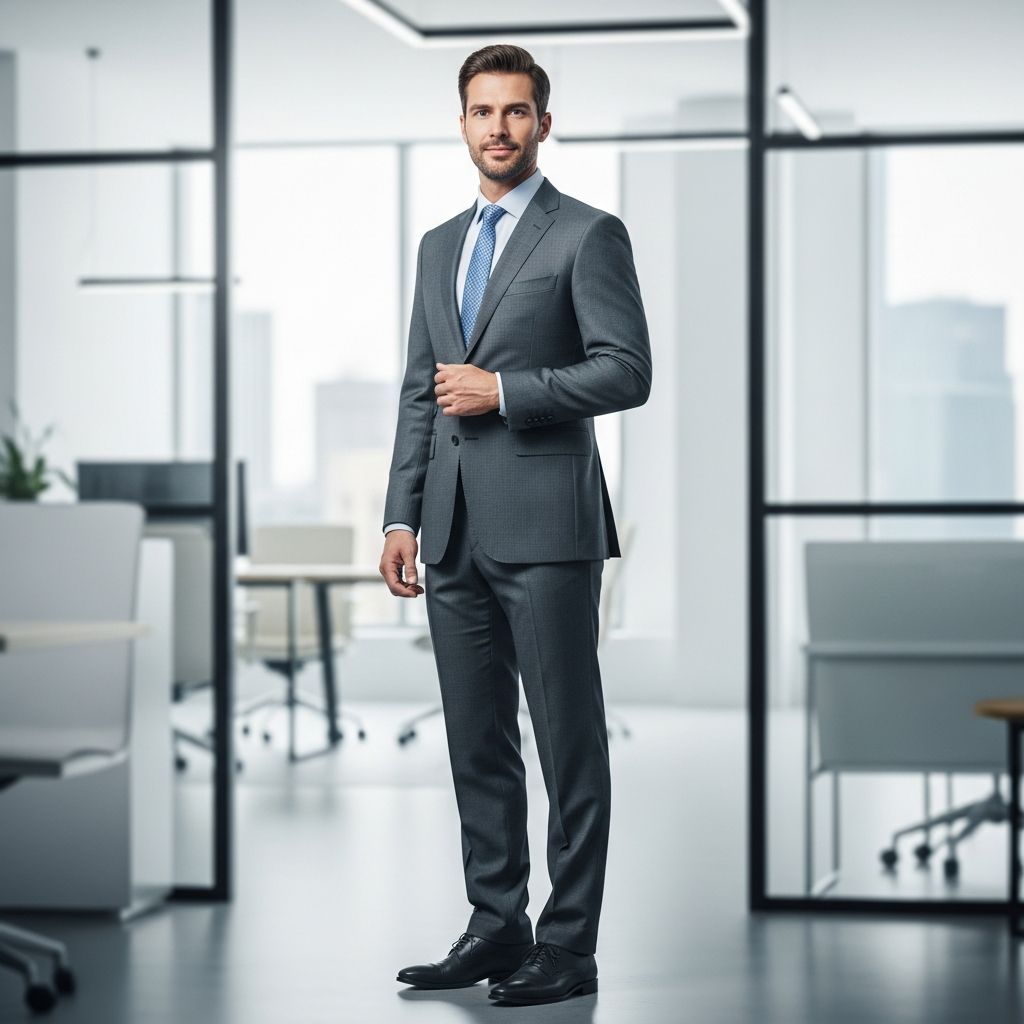
Decoding Workplace Dress Expectations for Men
Professional environments communicate expectations through various channels, and dress code represents one of the most immediate visual statements an employee can make. Understanding the nuances between different formality levels allows male professionals to navigate the workplace with confidence while maintaining an appropriate image. The distinction between business professional, business casual, and other dress codes determines not only what goes into your wardrobe but also how colleagues and clients perceive your competence and professionalism.
The modern workplace has undergone significant transformation in how it approaches professional appearance. Rather than adhering to rigid uniform standards, many organizations now embrace flexibility within structured guidelines. This shift reflects changing attitudes about work culture, generational preferences, and the recognition that employees perform better when comfortable. However, this flexibility requires greater discernment from professionals who must interpret implicit expectations and make appropriate choices.
The Foundation of Business Casual: Essential Garment Categories
Business casual operates as an intentional middle ground, neither requiring the formality of a complete suit nor permitting the casualness of weekend wear. The formula centers on three primary components: appropriate bottoms, suitable tops, and finishing touches that collectively create a polished yet approachable impression.
Bottoms: Creating the Professional Base
The lower half of a business casual outfit carries significant weight in establishing overall tone. Quality trousers form the cornerstone of this category, with tailored dress slacks in neutral palettes offering versatility across numerous scenarios. These garments should maintain proper fit without excessive looseness or restrictive tension at the waist, allowing comfortable movement throughout the workday. The rise should align naturally with your body structure, avoiding both exaggerated heights and dangerously low positions.
Chinos represent another fundamental option, offering slightly more relaxed construction while maintaining professional aesthetics. These cotton-blend garments in colors such as navy, beige, khaki, and grey coordinate effortlessly with various shirt options and convey casual-professional balance effectively. The fabric weight should provide structure without appearing overly stiff, allowing natural draping along the leg.
Dark denim increasingly occupies space within business casual parameters, particularly in creative industries and progressive companies. When selecting jeans for professional settings, prioritize raw or dark washes without distressing, strategic ripping, or excessive fading. The cut should follow contemporary standards—neither exaggerated slim nor oversized—maintaining a proportional silhouette that photographs well and projects intentionality rather than casualness.
Tops: Building Professional Presence
The upper body garment selection determines whether an outfit reads as thoroughly professional or slips toward excessive informality. Button-down dress shirts represent the gold standard, offering timeless reliability and versatile styling options. These should feature substantial fabric construction, maintaining shape through repeated wearing and laundering. Solid colors including white, light blue, pale grey, and subtle neutrals provide optimal coordination capabilities. Understated patterns such as fine checks or conservative stripes add visual interest without appearing loud or distracting in professional environments.
Polo shirts occupy an interesting position within business casual frameworks, acceptable in many environments while inappropriate in others. The distinction often correlates with industry type, company culture, and specific role requirements. Financial services and law firms typically maintain higher formality thresholds, viewing polo shirts as insufficiently professional. Technology companies, creative agencies, and casual-forward organizations frequently embrace polos as entirely appropriate. When selecting polo options, neutral colors prove substantially safer than bright hues or bold patterns. The garment should fit cleanly without excessive fabric bunching or tight pulling, presenting a streamlined appearance that suggests intentional professional dressing rather than athletic wear co-opted for work.
Sweaters and cardigans layered over dress shirts introduce additional sophistication and warmth during cooler months. These pieces should feature quality construction and refined styling, avoiding oversized silhouettes or casual knit patterns. The layering approach allows professionals to adjust formality throughout the day, removing outer layers for client presentations or retaining them for standard office environments.
Accessorizing and Completing Your Professional Look
Footwear selection significantly impacts overall appearance despite occupying less visual real estate than larger garments. Leather shoes—including loafers, Oxford styles, and Chelsea boots—communicate intentionality and professionalism. The leather should appear well-maintained with consistent color and minimal scuffing. Oxfords paired with dress slacks create traditional business casual presentations suitable for client meetings or presentations. Loafers convey slightly more relaxed professionalism while maintaining appropriate formality. Chelsea boots introduce contemporary styling while preserving professional character.
Sneakers present contentious territory within business casual parameters. While some progressive organizations explicitly permit athletic footwear, the safer approach involves observing organizational norms before incorporating sneakers. When permitted, minimalist leather or canvas sneakers in neutral colors integrate more successfully than vibrant athletic models with prominent branding.
Additional accessories should remain understated and purposeful. Watches provide functional elegance when featuring clean designs and quality construction. Belts in neutral leather tones coordinate both colors and occasions seamlessly. Avoid excessive jewelry, loud patterns, or attention-seeking accessories that distract from professional competence.
Interpreting Your Organization’s Specific Culture
No universal business casual standard exists across all industries and organizations. Companies establish distinct cultural norms that influence dress code interpretation significantly. A technology startup’s business casual differs markedly from a consulting firm’s version, which in turn contrasts with legal or financial services expectations. Professionals entering new roles should conduct careful observation before establishing their standard work wardrobe.
Several strategies facilitate accurate cultural assessment. Observing senior colleagues across departments provides insight into organizational preferences and unspoken expectations. Asking direct questions of managers, mentors, or human resources representatives clarifies ambiguities without appearing uncertain or unprepared. Attending company events, client meetings, and team gatherings reveals how colleagues implement dress codes in various contexts. This active observation period, typically spanning the initial two to three weeks, allows you to calibrate your choices appropriately.
Workplace culture also shifts based on specific occasions. Regular office days may permit more relaxed presentations, while client meetings, presentations, or executive interactions typically warrant slightly elevated formality. Understanding these contextual nuances prevents appearing inappropriately dressed for particular situations.
Establishing a Functional Wardrobe Foundation
Building an effective business casual wardrobe need not require extensive financial investment or excessive garment quantities. Strategic selection of versatile core pieces creates numerous combinations while maintaining professional standards consistently.
Essential Core Pieces
- Two to three neutral dress slacks in navy, charcoal grey, and khaki or tan
- Three to four quality button-down dress shirts in white, light blue, and pale grey
- Two pairs of chinos in navy and beige
- One blazer or sport coat in navy or grey for elevated occasions
- One sweater or cardigan for layering during cooler periods
- One or two polo shirts in neutral tones if appropriate for your organization
- Quality leather shoes including loafers and Oxfords
- A neutral leather belt
These foundational pieces combine to create multiple distinct outfits suitable for various professional scenarios. A navy blazer immediately elevates a basic button-down and chinos combination, appropriate for presentations or external meetings. The same shirt paired with dress slacks and leather shoes creates different context-appropriate looks. This strategic approach maximizes wardrobe utility while maintaining consistent professional appearance.
Common Missteps and How to Avoid Them
Even well-intentioned professionals occasionally misinterpret business casual boundaries, creating appearance issues that undermine intended professionalism. Recognizing common mistakes allows proactive avoidance of these pitfalls.
Oversized or poorly fitted garments represent a primary concern. Clothing that bunches at the waist, pulls across the chest, or drapes excessively conveys carelessness and lack of attention to detail. Investment in proper tailoring transforms off-the-rack garments into custom-fitted pieces that enhance appearance dramatically. The relatively modest tailoring expense pays dividends through improved presentation and longevity.
Wrinkled or disheveled clothing automatically violates business casual standards regardless of individual garment quality. Investing in basic ironing equipment or utilizing professional pressing services ensures consistently polished appearance. Wrinkles suggest carelessness about professional image and create negative impressions far exceeding their minor nature.
Excessively casual pieces blur appropriate boundaries unnecessarily. T-shirts, regardless of graphic content or quality, belong in personal rather than professional contexts. Gym wear, athletic clothing, and weekend casual items should remain separated from work wardrobe selections. Shorts, even tailored versions, typically cross the casual threshold in most business settings. Sandals and flip-flops communicate beach readiness rather than professional commitment.
Loud patterns, bright colors, and attention-seeking design elements distract colleagues and undermine professional authority. While subtle patterns and neutral color palettes occasionally feel restrictive, they support the primary professional objective of competence demonstration. Personal style expression finds appropriate outlets beyond work environments.
Special Circumstances and Contextual Adjustments
Business casual operates as a flexible framework requiring adjustment based on specific situations. Client presentations warrant slightly elevated formality compared to routine office days. Initial meetings with external partners benefit from blazers and refined shoe selections. Internal team meetings in casual-forward organizations may permit more relaxed interpretations.
Industry variations significantly impact appropriate business casual interpretation. Finance and law maintain stricter formality thresholds than creative industries or technology sectors. Understanding your specific industry norms prevents appearing either overdressed and stuffy or underdressed and insufficiently serious about professional image.
Geographic and regional considerations also influence dress code expectations. Urban professional centers often embrace more casual standards than conservative business districts. International business contexts require additional cultural sensitivity regarding professional appearance norms.
Grooming and Personal Presentation Standards
Clothing represents only one component of professional appearance. Comprehensive grooming supports and enhances garment choices while projecting overall competence.
Facial hair maintenance communicates intentionality regarding professional image. Whether maintaining clean-shaven appearance or styled facial hair, consistency and precision matter significantly. Well-groomed beards or carefully maintained stubble projects intention and control, while unkempt facial hair appears careless regardless of garment quality.
Hair styling should appear intentional and well-maintained. Regular haircuts establishing clean lines and manageable length prevent unkempt appearance despite quality clothing. Hair products used judiciously maintain appropriate styling throughout the workday without appearing excessive or greasy.
Hand and nail care often receives insufficient attention despite frequent visibility in professional interactions. Clean, well-maintained nails without excessive length or decoration support overall professional presentation. Regular hand washing maintains hygiene and professionalism.
Frequently Asked Questions About Business Casual Standards
Q: Can I wear jeans in a business casual environment?
A: Dark, high-quality denim worn with blazers may qualify as business casual in casual-forward organizations, though establishing your specific company’s policy prevents missteps. When in doubt, err toward traditional dress pants or chinos rather than risking inappropriate casualness.
Q: Are polo shirts always acceptable for business casual?
A: Polo acceptability varies significantly by industry. Finance and law typically prefer button-down shirts, while creative and tech industries readily embrace polos. When selecting polos, choose neutral colors and avoid large logos or designs that appear too casual.
Q: Should I wear a tie in business casual?
A: Business casual typically excludes neckties, which belong within business professional dress codes. However, if observing senior colleagues wearing ties regularly, incorporating them maintains alignment with organizational culture.
Q: What shoes pair best with business casual?
A: Leather loafers, Oxfords, and Chelsea boots represent ideal choices. Ensure consistent quality and maintenance, avoiding athletic shoes or casual sandals unless your specific organization explicitly permits them.
Q: How can I express personal style within business casual constraints?
A: Subtle patterns, quality accessories, and carefully selected layering pieces allow personality expression while maintaining professionalism. Focus on refined details and quality construction rather than bold colors or attention-seeking designs.
Q: What happens if I’m unsure about my organization’s dress code?
A: Directly asking managers, HR representatives, or experienced colleagues clarifies expectations without appearing uncertain. During your initial employment period, observing colleagues across different roles and departments provides valuable context for appropriate choices.
References
- Business Casual: Modern Styles and Attire Guide for Men — Men’s Wearhouse. 2024. https://www.menswearhouse.com/blog/man-business-casual/
- Business Casual Attire for Men: 20 Rules to Ace Your Look — Hangrr. 2024. https://hangrr.com/resources/business-casual-attire-men-20-rules-ace-your-look
- Understanding Men’s Dress Codes For Events — Paul Simon Charlotte. 2024. https://www.paulsimonco.com/blog/understanding-mens-dress-codes-for-events
- Men’s Business Casual: The Ultimate Guide to Dressing Well — Men’s Fashioner. 2024. https://mensfashioner.com/articles/ultimate-guide-to-mens-business-casual
- Ultimate Guide to Business Casual Men Outfits – Style Guide — Pivot Image. 2024. https://www.pivotimage.com/blog/guide-to-business-casual-men-outfits
- The New Business Casual Attire for Men — Southern Tide. 2024. https://southerntide.com/pages/the-new-business-casual-men
Similar Articles








Read full bio of Sneha Tete




