Understanding the Intersection of Property Rights and Municipal Zoning
Many property owners dream of transforming their land into an income-generating wedding venue, yet they frequently discover that operating such a business involves navigating complex zoning ordinances that extend far beyond simple land ownership. The ability to use your property as you wish is constrained by municipal and county regulations that classify land into designated categories, each with specific permitted uses. When a property owner decides to host weddings on residential or agricultural land, they often encounter unexpected legal obstacles that can delay operations and create costly complications.
The fundamental challenge arises from the distinction between land classification and intended use. A parcel of land zoned for residential purposes cannot automatically become a commercial event venue simply because the owner wishes it. This disconnect between property use and zoning classification creates the primary legal framework that wedding venue operators must navigate, regardless of their property’s physical suitability or their financial investment in improvements.
How Zoning Categories Define Permissible Activities
Zoning regulations organize land into classifications that determine what activities are legally permitted in each area. These classifications protect community character, manage traffic and noise, and prevent incompatible land uses from clustering in the same neighborhoods. Understanding these categories is essential for anyone considering a wedding venue on private property.
Residential zoning designates areas primarily for single-family homes or multi-family housing units. These zones explicitly restrict commercial activities, including event hosting. The rationale behind these restrictions includes protecting residential neighborhoods from excessive noise, traffic congestion, and the general disruption that accompanies events hosting dozens or hundreds of guests. Residential zones typically impose strict limitations on occupancy, hours of operation, and parking, making them fundamentally incompatible with wedding operations unless special exceptions are obtained.
Commercial zoning permits business operations and is more accommodating toward events and gatherings. Properties in commercial zones might allow wedding venues under classifications such as “places of assembly” or “event facilities,” though operators must still comply with specific restrictions regarding noise levels, parking capacity, operating hours, and maximum occupancy. Commercial zones often provide the most straightforward path to legal venue operation, though they typically require upfront compliance planning.
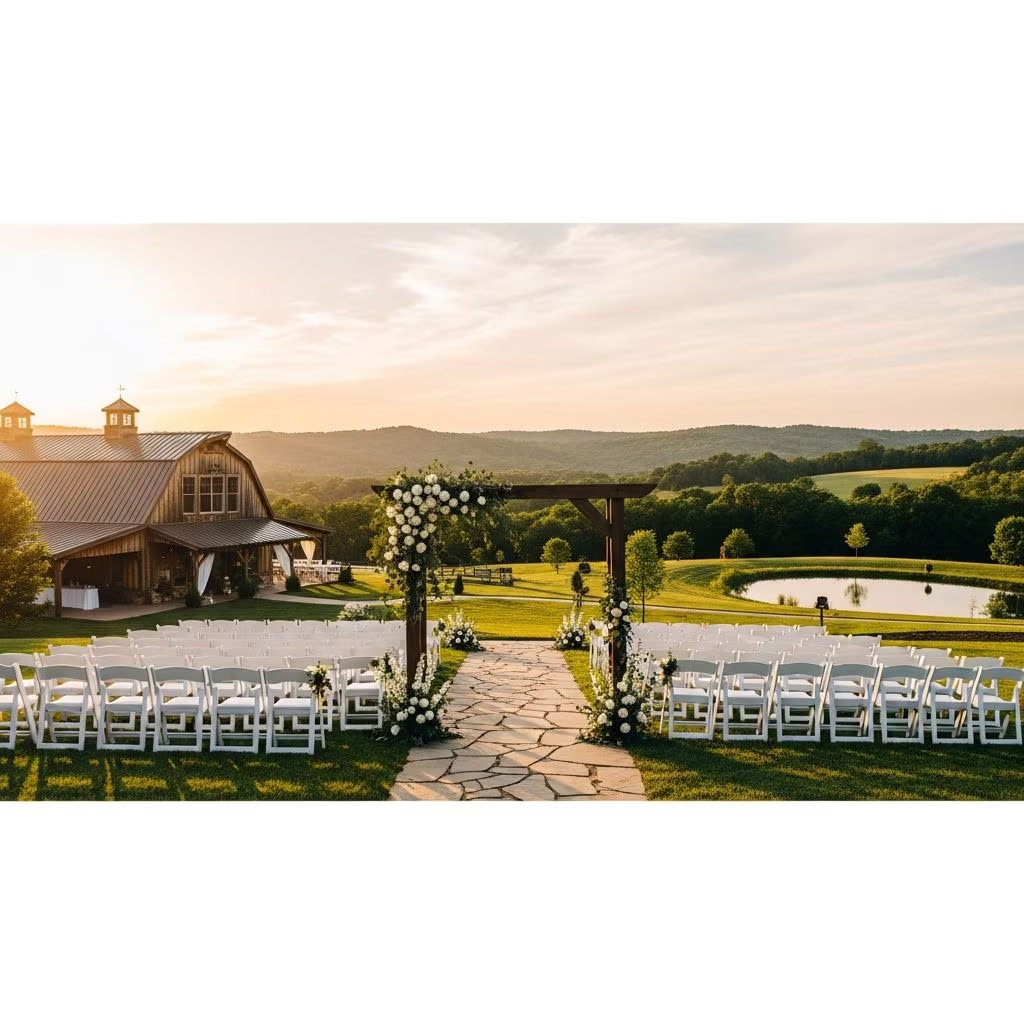
Agricultural zoning designates land for farming, ranching, or rural use. Many rustic wedding venues exist on agriculturally zoned properties, which can create significant regulatory complications. While agricultural zones theoretically support outdoor ceremonies and farm-based events, they frequently prohibit commercial event facilities or receptions. The transition from agricultural use to commercial venue operation often triggers enforcement action from county zoning supervisors.
The Critical Role of Permits and Special Exceptions
Most jurisdictions provide mechanisms to authorize uses that fall outside standard zoning permissions through the permit and exception process. Understanding these tools is crucial for property owners seeking to operate wedding venues on land not originally designated for commercial events.
Special use permits (also called conditional use permits) allow specific activities that are not typically permitted in a particular zoning classification but are compatible with the zone under certain conditions. Obtaining a special use permit requires submitting detailed applications to local zoning authorities, specifying operational plans, guest capacity, parking arrangements, and noise mitigation strategies. The process typically includes public hearings where neighbors and community members can voice concerns. Zoning boards then evaluate whether the proposed use meets specific criteria before granting approval.
Variances differ from special use permits by requesting relief from specific dimensional or operational requirements of zoning codes. For example, if a wedding venue cannot meet minimum parking requirements due to property size or configuration, owners might request a variance that allows alternative solutions such as shuttle services or off-site parking agreements. Variances require demonstrating hardship and proving that the requested relief will not negatively impact the community.
Land use permits establish the legal classification of how a property will be utilized and protect community welfare and property values. If your property is not zoned for commercial use, obtaining a land use permit specific to event venues becomes essential. This permit formally documents that your venue use complies with local regulations, even if that compliance required special permissions or conditional approvals.
Navigating the Application and Approval Process
The pathway from property ownership to legal wedding venue operation typically involves multiple steps and considerable documentation. Streamlining this process requires understanding what local authorities need and preparing thorough, professional applications.
The initial step involves researching local zoning codes and confirming your property’s current classification. Contact your municipal planning department or county zoning office to obtain official zoning maps and applicable regulations. These resources clarify whether your property already permits event venues or whether you need special permissions. Early research prevents misunderstandings and identifies potential obstacles before significant time or money is invested.
Property owners must prepare comprehensive applications that detail their proposed venue operations. These applications should address expected guest capacity, event frequency, parking solutions, traffic management strategies, noise mitigation measures, and emergency protocols. The more thoroughly these applications address potential community concerns, the greater the likelihood of approval. Applications may require professional site plans prepared by landscape architects or engineers, particularly for properties requiring significant modifications to accommodate events.
Most jurisdictions mandate public hearings before approving special use permits or variances. These hearings allow neighbors and community members to express concerns about the proposed venue. Property owners should prepare to discuss how their venue will minimize disruption to the surrounding community. Demonstrating existing success with similar operations, providing sound mitigation strategies, and showing commitment to being a responsible community member strengthens applications.
Essential Operational Compliance Requirements
Obtaining zoning approval represents only the first hurdle in establishing a legal wedding venue. Ongoing operational compliance with multiple regulatory frameworks is equally important for maintaining legal status and avoiding costly enforcement action.
Parking and Traffic Management
Wedding venues generate significant parking demands that often exceed what residential areas can accommodate. Zoning codes typically require venues to provide parking based on expected occupancy or event size. Properties unable to provide on-site parking must establish alternative arrangements such as shuttle services from designated parking areas or formal agreements with nearby properties. Traffic management plans should address ingress and egress routes, preventing congestion on residential streets and protecting neighborhood quality of life.
Noise Restrictions and Sound Control
Residential and mixed-use areas frequently impose strict noise limitations that affect music, amplification, and guest conversations. Venue operators should implement sound mitigation strategies such as outdoor speakers with directional placement, maximum decibel limits, and earlier closing times than would be permitted in commercial zones. Understanding local noise ordinances and committing to compliance demonstrates respect for neighborhood residents and reduces the likelihood of enforcement complaints.
Building Safety and Occupancy Limits
Structures hosting events must meet building codes applicable to places of assembly, which often impose stricter requirements than standard residential buildings. Fire safety systems, emergency exits, sanitation facilities, and maximum occupancy ratings must comply with applicable standards. Building departments typically inspect venues before and periodically during operation to verify ongoing compliance.
Alcohol Service and Food Handling
Venues serving alcohol must obtain appropriate liquor permits and comply with state and local beverage laws. Similarly, venues providing food service require food service licenses and compliance with health department regulations. These requirements operate independently from zoning approvals but are equally important for legal venue operation.
Common Complications and Resolution Strategies
Property owners frequently encounter unexpected complications when attempting to establish wedding venues on private land. Understanding common issues and associated solutions helps prevent costly mistakes.
Many owners discover their land classification conflicts with venue operations only after substantial investment in building or site improvements. This situation occurs when owners misrepresent their intended use during initial property discussions or when zoning classifications change after property acquisition. Resolving this complication requires pursuing special use permits or variances, which demand time and legal expertise. Consulting with zoning attorneys early in the planning process prevents this costly scenario by clarifying land use legality before significant expenditures.
Neighbors often oppose wedding venues through formal objections during permit hearings, citing concerns about noise, traffic, and decreased property values. While property owners have rights to use their land, neighboring residents have equal rights to voice concerns through established processes. Addressing these concerns directly through early community engagement, transparent operational planning, and commitment to minimizing disruption strengthens venue prospects and builds community relationships.
Code enforcement agencies periodically conduct compliance reviews at operating venues to verify they maintain permits and follow operational restrictions. Unexpected enforcement actions can result when venue operators exceed approved guest capacity, operate beyond permitted hours, or violate noise restrictions. Maintaining accurate records, periodic self-assessments against permit conditions, and immediate corrective action when problems are identified prevents escalation to formal enforcement.
Distinguishing Between Agricultural and Commercial Operations
A persistent misconception suggests that agricultural properties face fewer regulations than incorporated municipal lands. In reality, county agricultural zoning often imposes equally strict commercial restrictions. A working farm hosting wedding receptions violates agricultural zoning regulations just as clearly as a rural barn with no farming operations. Zoning supervisors have authority to enforce these restrictions regardless of property isolation or lack of active agriculture.
The distinction between permitting a small outdoor ceremony ceremony on agricultural land versus hosting multi-hour receptions with substantial guest services remains critical in zoning enforcement. Limited outdoor ceremonies might fall within agricultural use tolerance, while formal receptions with catering, alcohol service, and entertainment typically trigger agricultural zoning violations. Understanding these distinctions helps property owners align operations with legally permissible agricultural use.
Consulting Professional Resources
The complexity of zoning regulations and permit processes often justifies professional consultation. Zoning attorneys specialize in understanding local code variations, identifying viable pathways to approval, and negotiating with local authorities. Land-use lawyers can review property zoning status, assess obstacles to venue operations, and represent property owners during permit hearings. While professional consultation represents an upfront cost, it frequently prevents far more expensive complications later.
Municipal planners and zoning offices provide free consultations clarifying regulations and outlining requirements. Early conversations with these officials offer valuable guidance without obligation and establish positive working relationships with authorities who will review formal applications.
Economic Impact and Community Considerations
Successful wedding venues generate substantial economic benefits for surrounding communities through guest spending at local restaurants, hotels, salons, and retail businesses. Property owners should emphasize these economic benefits when advocating for venue approval, demonstrating how their venue contributes to community prosperity rather than detracting from it. Highlighting existing venue success and guest spending patterns provides tangible evidence of positive community impact.
Frequently Asked Questions
Q: Can I operate a wedding venue on residential property without special permissions?
A: Generally, no. Residential zoning prohibits commercial activities like wedding venues unless you obtain a special use permit, variance, or land use permit authorizing the venue operation. Operating without required permissions violates zoning ordinances and exposes you to enforcement action, fines, or venue closure orders.
Q: What is the difference between a special use permit and a variance?
A: A special use permit authorizes specific activities not typically allowed in your zoning district but compatible under certain conditions. A variance requests relief from specific zoning requirements, such as parking minimums. Special use permits are more common for wedding venues, while variances address dimensional or operational conflicts.
Q: How long does the permit approval process typically require?
A: Timelines vary significantly by jurisdiction but commonly range from several weeks to several months. Applications must be reviewed, public hearings scheduled and conducted, and zoning boards must deliberate. Planning for extended timelines prevents missed operating seasons due to approval delays.
Q: Do agricultural properties have different wedding venue requirements than residential properties?
A: Agricultural zoning typically restricts commercial event facilities as strictly as residential zoning does. While agricultural properties might accommodate limited outdoor ceremonies, formal wedding receptions with services often violate agricultural zoning unless special permissions are obtained. County enforcement of agricultural zoning is as rigorous as municipal enforcement of residential restrictions.
Q: What happens if I operate a wedding venue without required permits?
A: Operating without proper zoning authorization exposes you to code enforcement action, including cease-and-desist orders, fines, legal liability, and potential venue closure. Authorities can require you to refund couples for booked events, creating significant financial and reputational damage.
Q: What parking requirements do wedding venues typically need to meet?
A: Parking requirements vary by jurisdiction but commonly mandate one parking space per 3-5 guest seats or based on expected maximum occupancy. If on-site parking is insufficient, you must establish alternative arrangements such as shuttle services or formal agreements with off-site parking locations.
Q: Can neighbors prevent me from operating a wedding venue on my property?
A: While property owners have usage rights, neighbors have legal standing to voice concerns during permit hearings. Their opposition can influence zoning board decisions, particularly if concerns about noise, traffic, or safety are well-documented. However, neighbors cannot unilaterally prevent venue operation; zoning boards make final approval decisions.
References
- Rise of rustic wedding venues brings zoning, code issues for owners — Tampa Bay Times. 2014. https://www.tampabay.com/news/localgovernment/rise-of-rustic-wedding-venues-brings-zoning-code-issues-for-owners/2217409/
- Wedding Venue Zoning Requirements | Guide — Stahla Services. 2025. https://stahla.com/what-zoning-is-required-for-a-wedding-venue/
- What Zoning is required for a wedding venue? — eVentGuru. 2024. https://www.eventguru.com/blog/what-zoning-required-for-wedding-venue
- What Are the Permits Required for a Wedding in a Brooksville Barn? — Saxon Events. 2023. https://saxonevents.com/what-are-the-permits-required-for-a-wedding-in-a-brooksville-barn/