
Private Actors in Immigration Enforcement: Legal Realities
Examining the boundaries between federal immigration enforcement and vigilantism.
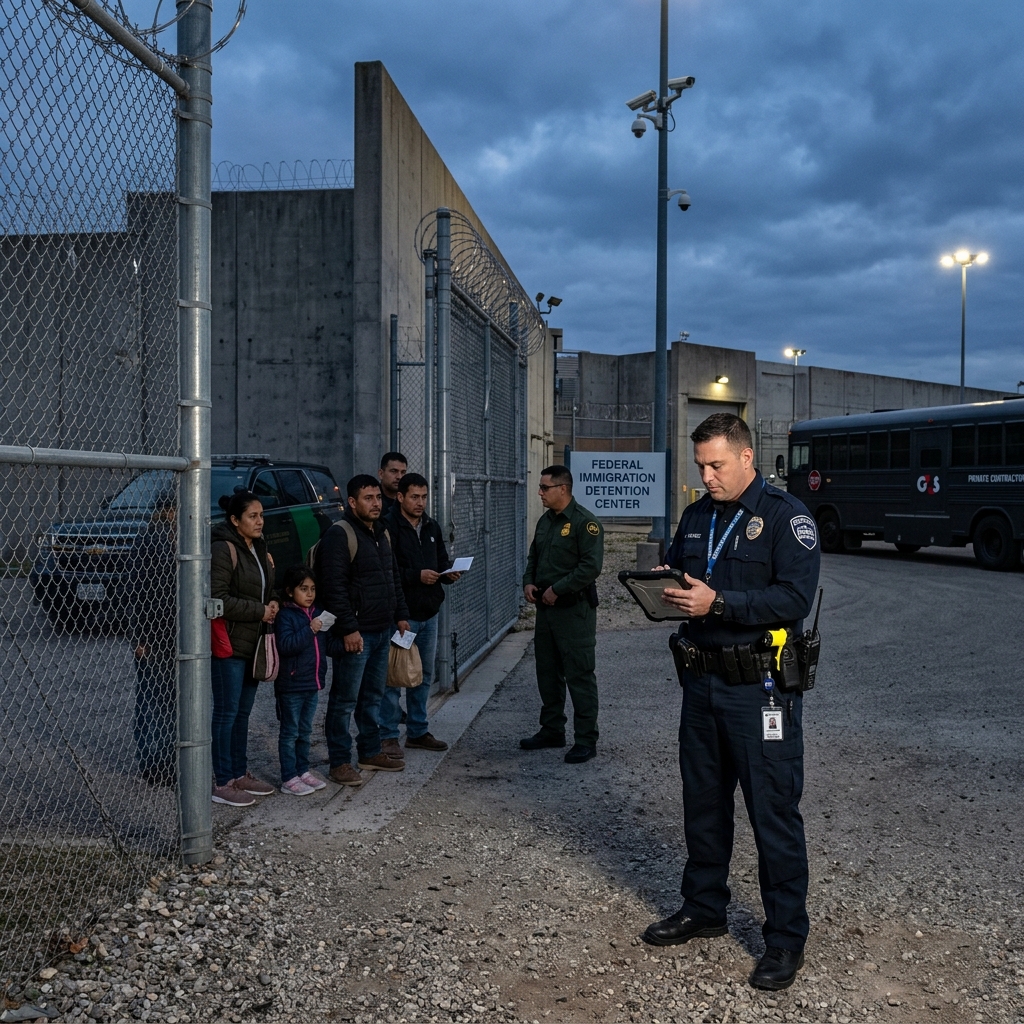
In recent years, the intersection of national security, border control, and community safety has become a flashpoint for intense legal and social debate. Amid heightened political rhetoric surrounding immigration, a deeply concerning trend has emerged: private citizens and unauthorized militia groups attempting to take federal immigration enforcement into their own hands. This phenomenon not only exacerbates the fear already present in immigrant communities due to official U.S. Immigration and Customs Enforcement (ICE) operations, but it also raises profound constitutional questions.
When private actors overstep their legal boundaries, they threaten the civil liberties of citizens and non-citizens alike. The distinction between lawful federal enforcement and unlawful civilian vigilantism is a stark line drawn by decades of constitutional jurisprudence. Understanding the stark legal distinctions between authorized federal agents and unauthorized civilian actors is critical for protecting the fundamental rights enshrined in the U.S. Constitution and ensuring that community safety is not compromised by rogue operations.
The Statutory Framework: Who Actually Enforces Immigration Law?
To grasp the profound illegitimacy of private immigration enforcement, one must first understand the strict statutory framework that governs lawful immigration operations in the United States. The federal government possesses exclusive, overarching jurisdiction over the creation and enforcement of immigration laws. Specifically, the Immigration and Nationality Act (INA), which is codified primarily in Title 8 of the United States Code, dictates the absolute parameters of immigration regulation.
Under 8 U.S.C. 1357, the legal authority to interrogate, arrest, and detain individuals suspected of immigration violations is expressly granted only to designated immigration officers. These are primarily agents operating within U.S. Immigration and Customs Enforcement (ICE) and U.S. Customs and Border Protection (CBP). Even state and local law enforcement agencies face significant constitutional restrictions when attempting to enforce civil immigration laws. The Tenth Amendment prevents the federal government from commandeering state officials to enforce federal regulatory programs. While some local jurisdictions choose to cooperate with federal authorities through specific memorandums of agreement, local police generally cannot stop or detain an individual solely on the suspicion of a civil immigration violation without proper, formalized federal authorization.
If state and local police face such rigorous constitutional and statutory limits, private citizens possess absolutely no legal authority to enforce federal immigration law. When private militias or vigilante groups don tactical gear, conduct localized “patrols,” or attempt to interrogate individuals about their citizenship status, they are not acting as an extension of the law. Instead, they are operating entirely outside of it. Such actions represent a severe usurpation of federal authority and frequently violate state criminal statutes regarding false imprisonment, assault, and the unlawful assembly of paramilitary forces.
Comparing Jurisdictional Authority
The following table outlines the clear delineations in authority between different actors regarding immigration enforcement:
| Type of Actor | Jurisdiction & Scope | Immigration Enforcement Power | Search & Seizure Limitations |
|---|---|---|---|
| Federal Agents (ICE/CBP) | Nationwide (Subject to interior limits) | Primary statutory authority under Title 8 U.S.C. | Requires judicial warrants for interior home entries; administrative warrants limited. |
| Local Law Enforcement | State, County, or Municipal | Highly limited; requires federal agreements (e.g., 287(g)). | Bound by state law and the Fourth Amendment; cannot detain solely for civil immigration offenses. |
| Private Citizens / Militias | None | Absolutely none. | Cannot conduct legal searches, seizures, or detainments. Actions may constitute criminal offenses. |
The Constitutional Shield: Fourth Amendment Protections
A central pillar in the defense against unauthorized harassment—whether by rogue state actors or overzealous federal agents—is the Fourth Amendment of the U.S. Constitution. The Fourth Amendment protects “the people” against unreasonable searches and seizures. A critical point of legal consensus, affirmed by decades of Supreme Court jurisprudence, is that these protections apply to all individuals within the territorial jurisdiction of the United States, regardless of their citizenship or current immigration status.
While the Supreme Court has established a “border search exception” that allows federal officers to conduct routine, warrantless searches at international borders and their functional equivalents (like international airports), this authority is not geographically boundless. In the landmark 1973 case Almeida-Sanchez v. United States, the Supreme Court ruled that a warrantless stop and search of an automobile twenty miles from the border by roving Border Patrol agents violated the Fourth Amendment. The Court made it emphatically clear that interior patrols require at least reasonable suspicion or probable cause of unlawful activity.
For individuals facing harassment from private vigilante groups, the Fourth Amendment serves as a vital conceptual shield, even if its direct constitutional application traditionally pertains to government actors. Because private citizens lack any policing authority, any attempt by a civilian to forcibly stop, detain, or search another person constitutes a severe civil and criminal violation. Furthermore, if official ICE agents attempt to enter a private residence, they generally require a judicial warrant signed by a judge. Administrative warrants issued by ICE officers themselves do not grant the authority to forcefully enter a home without the resident’s active, voluntary consent.
The Rise and Risks of Private Vigilantism
The resurgence of private vigilante groups operating near the U.S.-Mexico border and in diverse interior communities is a deeply alarming development. Often motivated by aggressive political rhetoric and a misguided sense of patriotic duty, these groups organize armed patrols, set up unauthorized observation checkpoints, and conduct surveillance on communities they subjectively suspect of harboring undocumented immigrants.
The inherent danger of this vigilantism lies in its total lack of accountability, professional training, and legal grounding. Federal agents undergo extensive, specialized training in constitutional law, de-escalation tactics, and the precise limits of their statutory authority. Private actors possess none of this requisite training. Consequently, their actions frequently rely on blatant, generalized racial profiling. Individuals are often targeted for harassment simply based on their physical appearance, the language they speak in public, or the specific neighborhoods they reside in.
This broad-brush profiling inevitably traps U.S. citizens, lawful permanent residents, and legally present visa holders in the crossfire. When a private group detains individuals in isolated areas or confronts them aggressively in a local parking lot, it creates a volatile, high-stress environment that can easily escalate into physical violence. Furthermore, these actions inflict severe, lasting psychological trauma on marginalized communities. The constant threat of being stopped or harassed by armed civilians forces many individuals to alter their daily routines, avoiding public spaces, pulling their children out of after-school programs, and hesitating to report actual crimes to local authorities for fear of drawing unwanted attention from rogue patrols.
Legal Boundaries: When “Observation” Becomes Harassment
Vigilante groups often attempt to justify their actions in court and the media by claiming they are merely exercising their First Amendment rights to observe, assemble, and speak out on issues of public concern. They argue that they are acting as community “neighborhood watch” organizations, simply observing and reporting suspicious activity to the proper authorities. However, there is a distinct, unyielding legal chasm between constitutionally protected observation and unlawful harassment.
First Amendment protections evaporate the moment a private citizen uses physical force, threats of violence, or intimidation to restrict another person’s freedom of movement. If a vigilante group blocks a public roadway, surrounds a vehicle, or brandishes firearms in a manner intended to intimidate, they cross the line into severe criminal conduct. In many jurisdictions, these actions constitute false imprisonment, aggravated assault, or kidnapping.
Additionally, many states have strict anti-militia laws that explicitly prohibit private groups from organizing, training, and operating as unauthorized paramilitary forces. These laws, though historically underenforced, provide local prosecutors with the necessary legal tools to dismantle vigilante operations. Civil litigation also serves as a highly potent weapon. Victims of vigilante harassment have successfully filed civil rights lawsuits alleging intentional infliction of emotional distress, assault, and civil conspiracy. These lawsuits not only provide justice for the victims but also financially debilitate the organizations that sponsor these unlawful patrols.
Community Defense and Knowing Your Rights
In the face of coordinated ICE operations and the unpredictable threat of civilian harassment, empowerment through education is the most effective community defense strategy. Civil rights organizations nationwide have prioritized “Know Your Rights” campaigns to ensure that individuals intimately understand their legal standing during encounters with both federal agents and unauthorized civilians.
A cornerstone of this education is understanding the fundamental right to remain silent. Regardless of immigration status, no individual is required to answer questions about their citizenship, birthplace, or how they entered the country when stopped randomly on the street. Community members are taught to ask a simple, clarifying question: “Am I free to go?” If the answer is yes, they should calmly and silently walk away.
In the context of home encounters, education focuses heavily on the critical distinction between administrative warrants and judicial warrants. Communities are trained not to open their doors unless an agent can physically slide a warrant signed by a judge under the door or hold it up to a window.
When dealing with private vigilantes, the advice shifts toward immediate de-escalation and comprehensive documentation. Individuals are advised never to engage physically or verbally with armed civilians. Instead, they should focus on safely leaving the area and documenting the encounter as thoroughly as possible. Recording video, noting vehicle license plate numbers, and identifying distinct physical features of the harassers can provide essential evidence for subsequent criminal investigations or civil lawsuits. By refusing to be intimidated and leveraging the power of collective documentation, communities can successfully hold rogue actors legally accountable.
Federal Oversight and Policy Recommendations
To effectively combat the dual threats of aggressive, localized federal raids and unchecked civilian vigilantism, comprehensive policy reform is urgently needed. At the federal level, the Department of Justice (DOJ) and the Department of Homeland Security (DHS) must establish stricter internal oversight mechanisms to ensure that all ICE operations strictly adhere to Fourth Amendment protections and respect community boundaries. Furthermore, the DOJ’s Civil Rights Division must take a more aggressive, proactive stance in investigating and prosecuting unauthorized militia groups that systematically violate the civil rights of minority communities.
At the state and local levels, legislators must actively strengthen and strictly enforce existing anti-paramilitary and anti-militia laws. Local law enforcement agencies require clear directives, specialized training, and community partnerships to effectively identify and neutralize vigilante activities without inadvertently compromising the safety or trust of the targeted communities. Ultimately, restoring the rule of law requires a steadfast, unyielding commitment to the principle that law enforcement is an exclusive function of the state, and that the constitutional civil liberties of all individuals—regardless of where they were born—are fundamentally inviolable.
Frequently Asked Questions (FAQs)
- Can a private citizen detain someone for an immigration violation?
No. Private citizens have absolutely no legal authority to enforce federal immigration laws. Attempting to stop, detain, or interrogate someone about their immigration status can result in severe criminal charges, including false imprisonment, kidnapping, and assault. - What is the difference between an ICE administrative warrant and a judicial warrant?
An administrative warrant (such as Form I-205) is issued by an ICE officer and does not grant the authority to enter a private residence without the owner’s consent. A judicial warrant is signed by an independent judge and explicitly authorizes law enforcement to enter a specific premises to search for or seize a person or property. - Do undocumented immigrants have Fourth Amendment rights?
Yes. The Fourth Amendment protects all people within the territorial jurisdiction of the United States against unreasonable searches and seizures by government officials, regardless of their citizenship or immigration status. - What should I do if I am harassed by a private militia or vigilante group?
Do not engage with them physically or verbally. Attempt to leave the situation as safely and calmly as possible. Once you are safe, document everything you remember (physical descriptions, license plates, statements made) and report the incident to local law enforcement or a trusted civil rights organization immediately.
References
- 8 U.S. Code § 1357 – Powers of immigration officers and employees — Legal Information Institute, Cornell Law School. 2024-01-01. https://www.law.cornell.edu/uscode/text/8/1357
- Almeida-Sanchez v. United States, 413 U.S. 266 — U.S. Supreme Court / Justia. 1973-06-21. https://supreme.justia.com/cases/federal/us/413/266/
- Addressing Political Violence and Unlawful Paramilitaries — Institute for Constitutional Advocacy and Protection, Georgetown Law. 2024-09-26. https://www.law.georgetown.edu/icap/our-work/addressing-the-rise-of-unlawful-private-militias/
- Searches Beyond the Border (Fourth Amendment) — Constitution Annotated, Congress.gov. 2023-01-01. https://constitution.congress.gov/browse/essay/amdt4-6-6-3/ALDE_00013725/
Similar Articles








Read full bio of Sneha Tete


