
Are Jail Phone Calls Recorded: What To Know About Risks In 2025
Inmates' jail calls are monitored, recorded, and often used as evidence—know the rules to avoid self-incrimination.
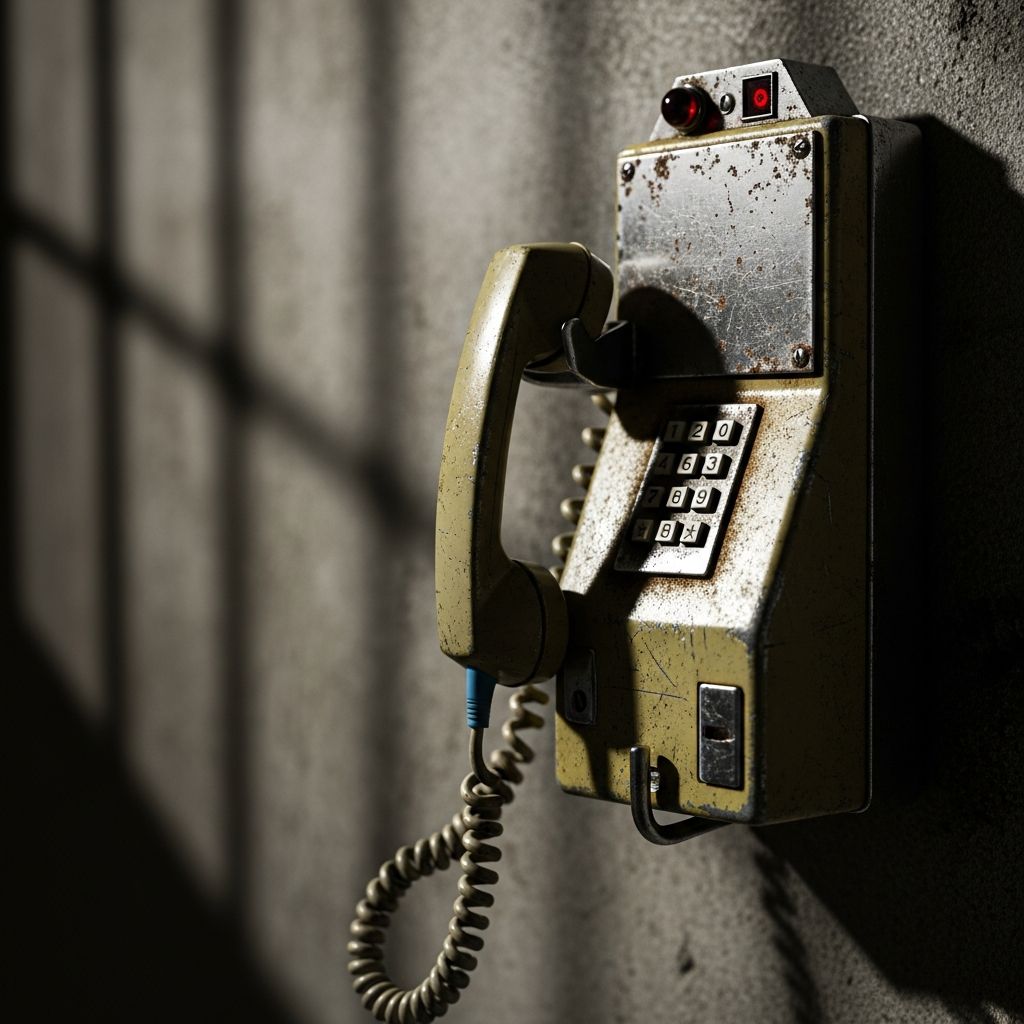
Communication from behind bars carries unique legal hazards. In correctional facilities across the U.S., inmate telephone conversations are standardly monitored and recorded, serving as tools for security while posing serious risks to legal defenses. These recordings frequently become courtroom evidence, underscoring the need for caution.
The Reality of Monitoring in Correctional Facilities
Correctional institutions implement phone monitoring to maintain order, prevent crime, and ensure safety. Upon picking up the receiver, inmates typically hear automated warnings: “This call is being recorded and monitored.” This notice eliminates any reasonable expectation of privacy for non-privileged calls.
Facilities like those under the New York City Department of Correction exemplify this practice. Pretrial detainees, informed of recording, have no Fourth Amendment protection against such surveillance. Courts have upheld that sharing these recordings with prosecutors does not violate constitutional rights, as detainees consent implicitly through continued use.
Similarly, federal Bureau of Prisons policies allow disclosure of non-privileged calls to law enforcement without court orders, provided they align with official duties under Title III wiretap laws. This framework balances inmate access rights—protected under the First Amendment—with institutional needs.
Legal Foundations Supporting Call Recordings
Supreme Court precedents affirm prisons’ authority to restrict communications for security. Inmates retain a minimal First Amendment right to phone access, but it yields to reasonable administrative limits. Courts reject equal protection challenges when policies, like Indiana’s Westville Correctional Facility rules, prioritize verifiable security over unmonitored private attorney calls.
Under federal law, Title III (18 U.S.C. § 2511) permits monitoring with consent, which inmates provide by dialing. Implied consent arises from warnings, rendering recordings lawful even if shared beyond prison walls. State courts echo this: New York’s highest court ruled that notified detainees lack privacy expectations, allowing prosecutor access without additional process.
How Recordings Become Courtroom Weapons
Prosecutors routinely mine jail calls for incriminating statements. A casual admission of guilt to family can trigger new charges or bolster existing cases. These non-privileged dialogues—unlike attorney-client talks—are admissible if relevant.
For instance, discussions revealing case facts, witness tampering hints, or criminal coordination provide prosecutors ammunition. Archives retain calls for years, accessible via internal systems. Even post-conviction, they may fuel appeals or parole hearings.
| Scenario | Potential Risk | Legal Outcome Example |
|---|---|---|
| Discussing crime details with family | Direct admission of guilt | Used to impeach testimony or prove intent |
| Coordinating with outsiders | Suspected conspiracy | New charges filed based on call content |
| Complaining about case strategy | Reveals defense weaknesses | Prosecutors adjust tactics accordingly |
| Non-legal chit-chat | Low, but still monitored | Contextual evidence in patterns |
Protected Communications: Attorney-Client Privilege
Not all calls face scrutiny. Attorney-client conversations enjoy privilege, shielding them from monitoring if properly arranged. Facilities often provide unrecorded lines for verified legal calls, though policies vary—e.g., appointed counsel calls may receive priority over private ones.
- Verify counsel status with facility staff before calling.
- Use designated legal lines to ensure confidentiality.
- Avoid mixing personal and legal topics on any line.
Violations occur if inmates disguise non-legal talks as privileged, risking privilege waiver. Courts pierce such veils if evidence suggests abuse.
Public Access and Disclosure Rules
Are these recordings public? Generally no. Under California’s Public Records Act, sheriff’s offices must respond to requests within 10 days, but exemptions often apply for ongoing investigations or privacy. Unauthorized public releases could breach Fourth Amendment rights or state privacy statutes, inviting lawsuits.
Federal policies require process—like warrants—for specific inmate call access unrelated to security. Ethical lapses in disclosure heighten liability, emphasizing controlled handling.
Practical Advice: Do’s and Don’ts for Inmates
Navigating phone privileges demands discipline. Heed these guidelines to minimize damage:
- DO: Limit calls to emotional support; keep them brief and positive.
- DO: Communicate case details only via attorney visits or mail.
- DO: Remind family: no questions about the case.
- DON’T: Discuss evidence, alibis, or witnesses.
- DON’T: Admit facts, express regret, or speculate on outcomes.
- DON’T: Attempt coded language—prosecutors decipher it.
Families should reinforce these boundaries, resisting urges to probe. One slip can unravel defenses built over months.
Challenging Recordings in Court
Defendants may contest admissibility if warnings were absent or monitoring improper. However, courts rarely suppress properly notified calls. Success hinges on proving no consent or privilege breaches.
Miranda rights do not blanket jail calls; they apply to custodial interrogation, not voluntary inmate-initiated speech. Defense attorneys scrutinize chain-of-custody and relevance to exclude unfairly prejudicial clips.
Broader Implications for Justice System
Phone monitoring deters illicit activity but raises fairness questions. Overreliance on recordings may pressure false admissions or chill family bonds, impacting rehabilitation. Balancing security with rights remains contentious, with policies evolving via litigation.
Reforms advocate clearer notifications, limited retention, and tech for privilege detection. Yet, core practice persists: utmost caution defines safe communication from incarceration.
Frequently Asked Questions (FAQs)
Are all jail phone calls recorded?
Yes, nearly all non-privileged inmate calls are recorded, with verbal warnings provided.
Can prosecutors access my calls without a warrant?
In many cases, yes, if you were notified of monitoring, per court rulings.
What if I call my lawyer?
Use verified legal lines for privilege; others risk exposure.
Are recordings public records?
Often exempt, especially for active cases, under laws like California’s PRA.
Can a recorded call lead to new charges?
Absolutely, if it reveals additional crimes.
How long are calls kept?
Years in archives, accessible for investigations.
References
- Telephone Access and Use – AELE — AELE. 2018. https://www.aele.org/law/Digests/jail144.html
- Attempting to access phone call recordings made from jail — First Amendment Coalition. N/A. https://firstamendmentcoalition.org/asked-and-answered/attempting-to-access-phone-call-recordings-made-from-jail/
- Are Inmate Phone Calls Private? Are They Public Record? — Kent Law. N/A. https://www.kent.law/are-inmate-phone-calls-private-are-they-public-record
- BUREAU OF PRISONS DISCLOSURE OF RECORDED INMATE TELEPHONE CONVERSATIONS — LSU Law Biotech. 1996-10-11. https://biotech.law.lsu.edu/blaw/olc/prisons.htm
Similar Articles








Read full bio of medha deb




