
Prison Abuse: Legal Protections and Recourse Options
Discover essential rights for inmates facing abuse in custody and practical steps to seek justice and accountability.
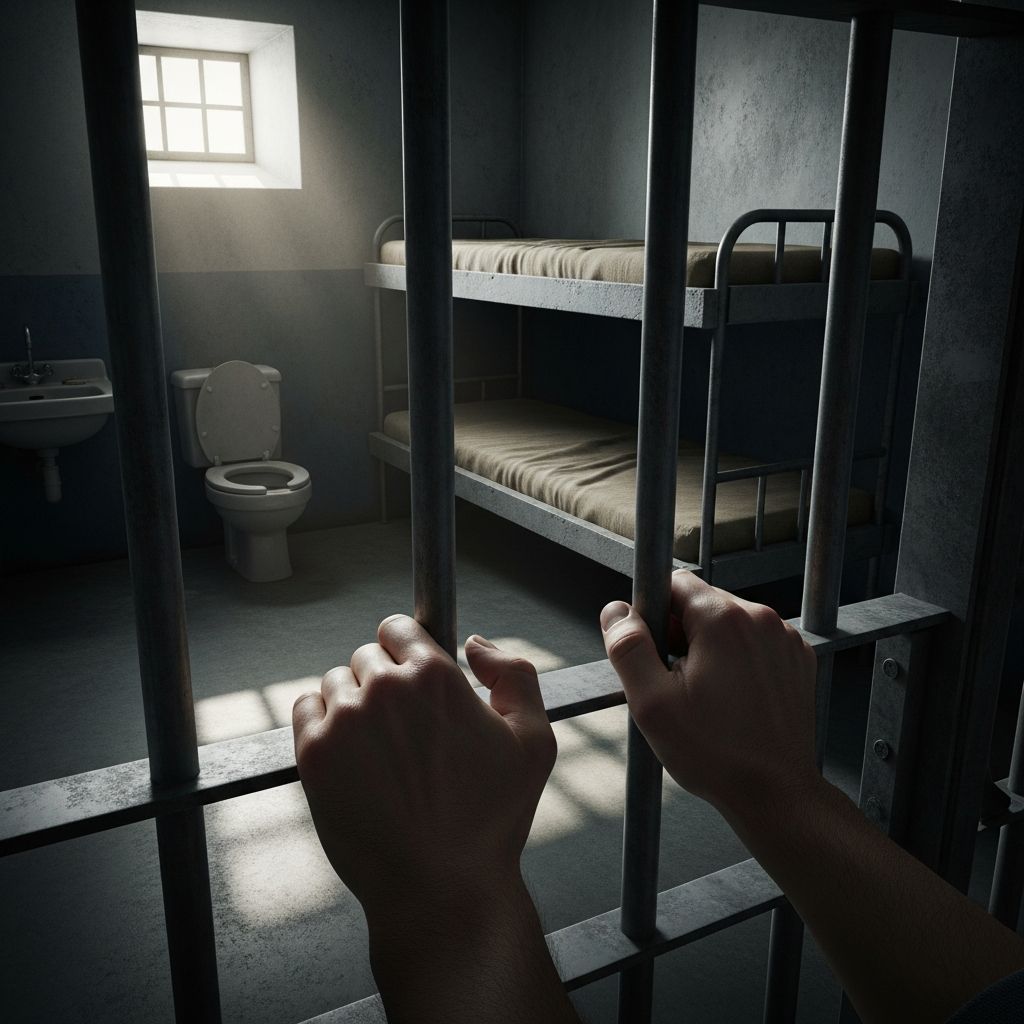
Incarcerated people maintain fundamental constitutional safeguards against mistreatment, even while serving sentences. Violations such as excessive force, sexual assault, medical neglect, or unsafe conditions demand immediate action through established channels to enforce accountability.
Core Constitutional Safeguards for Inmates
The U.S. Constitution extends critical protections to those behind bars, preventing systemic dehumanization. Central to these is the
Eighth Amendment
, which bans cruel and unusual punishment. This includes safeguards against deliberate indifference to serious medical needs, excessive force by staff, and inhumane living conditions like overcrowding or filth.Pretrial detainees benefit from the
Fourteenth Amendment
, prohibiting punishment prior to conviction and ensuring conditions do not amount to undue hardship. Additional federal laws bolster these rights: thePrison Rape Elimination Act (PREA)
mandates zero-tolerance policies for sexual abuse, requiring facilities to prevent, detect, and respond effectively with investigations, victim support, and staff training.Prisoners also hold rights to basic necessities—adequate food, shelter, clothing, hygiene items, and medical care—as well as access to courts, religious practice, and grievance mechanisms. The Civil Rights of Institutionalized Persons Act (CRIPA) empowers the U.S. Department of Justice to probe patterns of abuse in facilities, potentially leading to reforms or litigation.
Recognizing Different Forms of Abuse in Custody
Mistreatment manifests in varied ways, often overlapping and exacerbating harm. Awareness enables timely intervention.
- Physical Assault: Unnecessary beatings, tasings, or restraints by guards violate Eighth Amendment standards unless justified by immediate threats. Courts assess if force was applied maliciously, focusing on injury extent rather than just intent.
- Sexual Violence: Rape, harassment, or coerced acts trigger PREA protocols, including mandatory reporting to investigative bodies and access to advocates, medical exams, and counseling. Military confinement follows similar DoD-enforced standards.
- Medical and Neglectful Harm: Delaying treatment for injuries, chronic illnesses, or mental health crises constitutes deliberate indifference. Neglect extends to suicide prevention failures or ignoring vulnerabilities like disabilities under the Americans with Disabilities Act.
- Conditions of Confinement: Extreme temperatures, vermin infestations, or malnutrition deprive basic humanity, actionable if officials knowingly ignore risks.
- Staff-on-Inmate or Inmate-on-Inmate Violence: Guards failing to protect from known aggressors may face negligence claims.
Psychological trauma alone rarely suffices without physical injury due to statutes like 42 U.S.C. § 1997e(e), though severe cases like threats of imminent death can qualify. Families often spot signs during visits, such as unexplained bruises or behavioral shifts.
Immediate Response Protocols After Suspected Abuse
Swift, documented actions preserve evidence and initiate remedies. Prioritize safety first.
- Seek Medical Evaluation: Request care immediately, even for minor injuries, and demand records. Note staff responses verbatim.
- Document Everything: Photograph injuries if possible, journal incidents with dates, names, witnesses, and details. Preserve all correspondence.
- Report Internally: File a formal grievance per facility procedures—typically a written form submitted within days. Exhaust this before court, as required by the Prison Litigation Reform Act. Keep copies and track responses.
- Escalate Externally: Contact state corrections departments, ombudsmen, or PREA coordinators for sexual cases. Families can report via hotlines or oversight agencies.
For federal prisons, use the Federal Tort Claims Act for negligence suits against the government. Inmate advocates or hotlines provide confidential guidance.
Navigating Grievance Systems and Exhaustion Requirements
Correctional facilities mandate multi-step grievance processes to resolve issues internally before litigation. Failure to comply bars federal suits under the Prison Litigation Reform Act.
| Step | Typical Timeline | Key Actions |
|---|---|---|
| Informal Complaint | Immediate | Verbal report to supervisor |
| Formal Grievance | 5-15 days | Submit written form with details |
| Appeal to Warden | 30 days | Escalate if denied |
| Central Review | 40 days | State-level final internal step |
Track deadlines meticulously; extensions are rare. If unresolved, proceed to court. Resources like the Jailhouse Lawyer’s Manual detail state-specific variations.
Pursuing Legal Claims: From Section 1983 to Class Actions
When internal remedies fail, litigation offers redress, compensation, and systemic change.
- 42 U.S.C. § 1983 Claims: Sue officials for constitutional violations in federal or state court. Prove deliberate indifference or excessive force; qualified immunity may shield unless rights were “clearly established”.
- State Tort Actions: Negligence, assault, battery suits against guards or facilities, often in state claims courts.
- PREA Enforcement: While lacking private right of action, supports related claims and triggers federal audits.
- Class Actions: Challenge pervasive issues like mass shakedowns or strip searches affecting groups.
- FTCA for Federal Facilities: Administrative claim first, then suit for employee negligence.
Civil suits yield monetary damages, injunctive relief (e.g., policy changes), and attorney fees. Successes include multimillion settlements for suicides or assaults. Consult specialists experienced in prisoner rights.
Role of Families and External Advocates
Loved ones amplify voices: monitor visits, correspond regularly, report suspicions to attorneys or watchdogs. Community pressure via media or petitions aids CRIPA probes. Nonprofits offer pro bono aid.
Frequently Asked Questions (FAQs)
What qualifies as excessive force by prison staff?
Force beyond what’s needed to maintain order, especially post-threat neutralization, violates the Eighth Amendment. Courts weigh injury severity and context.
Can I sue for emotional trauma without physical injury?
Generally no, per federal limits like PLRA, unless tied to sexual acts or extreme cases like death threats.
How does PREA protect against sexual abuse?
It requires prevention screening, reporting, investigations by independent bodies, victim services, and disciplinary action.
What if my grievance is ignored?
Document the denial and appeal fully; this satisfies exhaustion for court. Seek legal aid promptly.
Do pretrial detainees have the same rights?
Yes, often stronger under the Fourteenth Amendment against any punishment.
Preventing Future Violations: Systemic Reforms
Beyond individual cases, advocacy drives change: PREA compliance audits, body cameras, independent monitors. Public awareness pressures reforms, reducing recidivism through humane treatment.
Firms specializing in civil rights litigate to deter abuse, securing justice and policy shifts. Victims deserve voice; legal paths exist to reclaim dignity.
References
- Signs of Mistreatment of Prisoners in Jail & What to Do — Jacob D. Fuchsberg Law Firm. 2023. https://www.fuchsberg.com/blog/mistreatment-of-prisoners-in-jail
- Your Right to be Free from Assault – Jailhouse Lawyer’s Manual — Columbia Human Rights Law Review. 2017-05. https://jlm.law.columbia.edu/files/2017/05/36.-Ch.-24.pdf
- Prisoner Rights — Loevy + Loevy. Accessed 2026. https://www.loevy.com/prisoner-rights/
- What Rights Do Prisoners Have Against Jail Neglect? — Hale & Monico. 2024-09-26. https://www.halemonico.com/2024/09/26/what-rights-do-prisoners-have-against-jail-neglect/
- Prison Rape Elimination Act — Safe Helpline. Accessed 2026. https://safehelpline.org/prea
Similar Articles








Read full bio of Sneha Tete




