
Preventing Sexual Harassment in Restaurants and Service Workplaces
Practical legal and workplace strategies to combat sexual harassment in restaurants and the broader service industry.
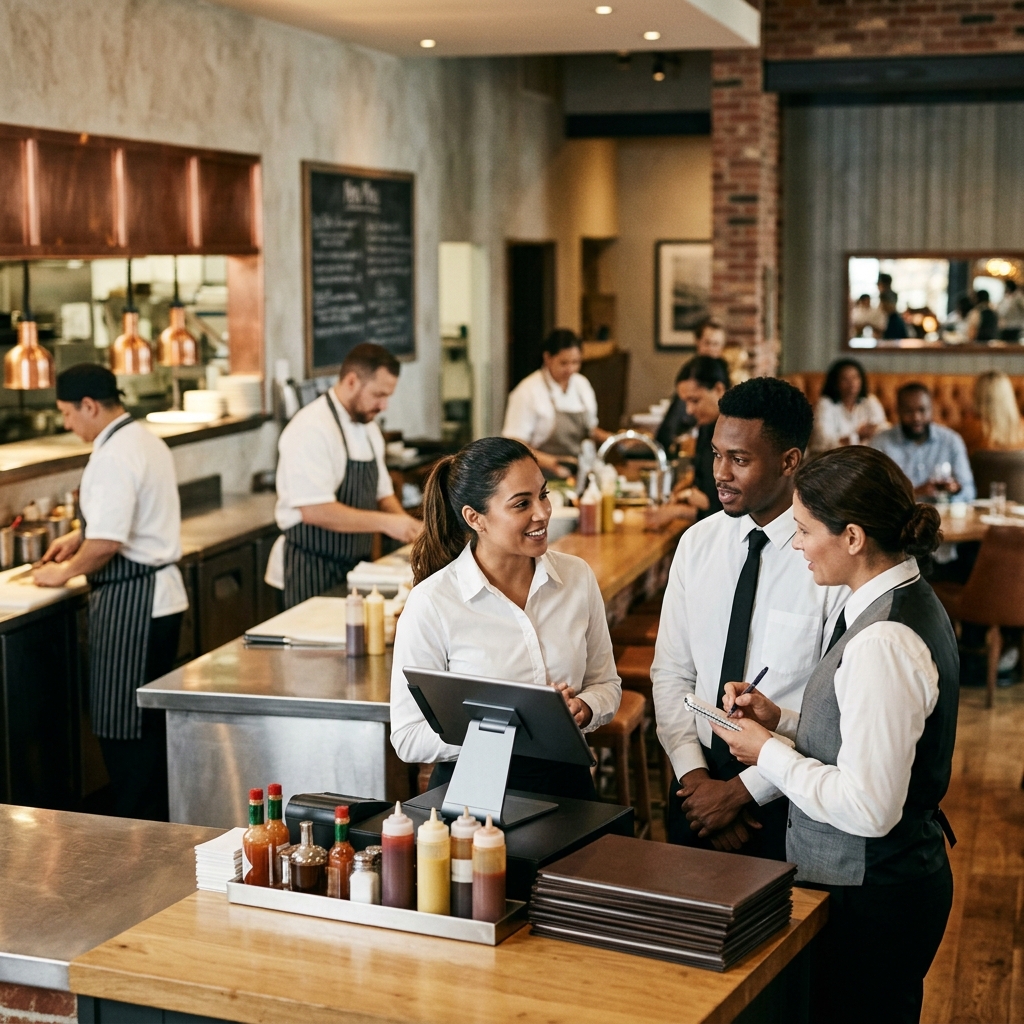
Restaurants and service businesses rely on close, fast-paced interaction among workers and customers. Unfortunately, this same environment has made the sector one of the most common sources of workplace sexual harassment claims in the United States. Sexual harassment does not have to be accepted as part of “the job”. With clear policies, training, and consistent enforcement, employers can dramatically reduce risk, and workers can better protect their rights.
Understanding Sexual Harassment in the Service Industry
Sexual harassment is not limited to one type of behavior or a single group of people. In restaurants, bars, hotels, and other service workplaces, harassment may come from supervisors, co-workers, kitchen staff, customers, vendors, or even owners. Knowing how the law defines sexual harassment is the foundation for effective prevention.
Legal Definition and Core Concepts
Under Title VII of the Civil Rights Act of 1964, sexual harassment is a form of sex discrimination in employment. Federal law and many state and local laws prohibit harassment that affects an employee’s job, pay, or work environment. Two widely recognized categories are:
- Quid pro quo harassment: When job benefits, continued employment, or promotions are explicitly or implicitly conditioned on submitting to sexual advances or favors.
- Hostile work environment harassment: When unwelcome sexual conduct is severe or pervasive enough to create an abusive or intimidating work setting that interferes with someone’s ability to do their job.
Examples can include repeated sexual comments, inappropriate touching, explicit messages, pressure for dates after refusal, or retaliation after reporting misconduct.
Why Restaurants and Service Jobs Are Vulnerable
Research consistently shows that sexual harassment is especially widespread in the restaurant industry, especially for women in tipped positions. Several factors contribute:
- Reliance on tips: Workers depending on customer tips may feel pressured to tolerate inappropriate behavior to avoid losing income.
- “Service with a smile” expectations: Requirements to remain pleasant and accommodating can be manipulated by harassers who treat friendliness as an invitation.
- Sub-minimum wage for tipped workers: In some jurisdictions, tipped workers receive a lower base wage (e.g., $2.13 per hour in certain U.S. states), increasing dependence on customers and vulnerability to harassment.
- Power imbalances: Managers control schedules, sections, and promotions. Customers control tips. These power dynamics can be exploited.
- Fast-paced, informal culture: Busy kitchens and crowded bars often develop a “joking” culture where boundaries are blurred and offensive behavior is normalized.
Studies and legal practice show that sexual harassment claims in restaurants involve all genders and every role, from servers and bartenders to cooks and dishwashers.
Common Forms of Sexual Harassment in Restaurants
Harassment can be subtle or overt. Recognizing patterns helps employers design realistic policies and workers identify when conduct has crossed the line.
Supervisor and Management Misconduct
Supervisors and managers may engage in behaviors such as:
- Offering better shifts, lucrative sections, or promotions in exchange for dates or sexual contact.
- Threatening job loss or reduced hours when advances are rejected.
- Making sexually explicit jokes or comments during pre-shift meetings.
- Touching workers without consent, such as hugging, grabbing, or cornering them in storage areas.
Because of their authority, harassment by managers can quickly become quid pro quo and create severe liability for the employer.
Co-Worker and Kitchen Staff Harassment
Harassment among co-workers and back-of-house staff is also common and can be pervasive:
- Repeated comments about someone’s body or appearance.
- Sharing explicit images or videos in staff group chats.
- Persistent requests for dates or contact information after refusal.
- Sexual jokes and nicknames used in front of others.
One study found co-workers were responsible for the highest overall rates of sexual harassment in restaurants, especially in workplaces with sub-minimum wages for tipped workers.
Customer Sexual Harassment
Customers can also be responsible for serious harassment. This might include:
- Making sexual comments or innuendo about the server’s appearance.
- Insisting on physical contact, such as hugs or kisses, before tipping.
- Following employees to the bar, outside, or on social media after a shift.
- Touching employees while they serve food or drinks.
Because employees may rely on tips and worry about being labeled “difficult,” they often feel compelled to endure inappropriate behavior from customers. Employers have a duty to intervene, not to stand by passively.
Legal Responsibilities of Employers
Restaurant and service industry employers have clear legal obligations to prevent and correct sexual harassment. Failure to act can lead to lawsuits, regulatory enforcement, and reputational damage.
Key Legal Frameworks
| Law or Authority | Primary Protection |
|---|---|
| Title VII of the Civil Rights Act of 1964 | Prohibits sexual harassment and sex discrimination in workplaces with 15 or more employees. |
| State Human Rights / Anti-Discrimination Laws | Often extend protection to smaller employers and add state-level remedies. |
| Local Human Rights Ordinances | Some cities provide additional protections and complaint avenues for workers. |
| EEOC Guidance | Explains how sexual harassment claims are evaluated and what employers should do when complaints arise. |
Core Duties for Employers
Across these laws, several obligations consistently appear:
- Maintain a harassment-free workplace: Employers must take reasonable steps to prevent harassment and address it promptly once they know or should know about it.
- Provide reporting channels: Workers need clear, accessible ways to report misconduct, including options that do not require going through the harasser.
- Investigate and respond: Complaints should be investigated promptly, objectively, and documented. Appropriate corrective measures must follow.
- Prevent retaliation: Law prohibits punishing workers for reporting harassment or participating in investigations. Retaliation can itself create separate legal liability.
Designing an Effective Anti-Harassment Program
Policies alone do not change workplace culture. Restaurants and service businesses need a comprehensive program that combines written rules, training, leadership behavior, and enforcement.
Clear, Accessible Policies
An effective policy should be easy to understand and tailored to the realities of restaurant and service work. At minimum, it should include:
- A definition of sexual harassment with practical examples related to the job.
- Coverage of harassment by supervisors, co-workers, and customers.
- Multiple reporting options, including a manager, HR contact, or anonymous hotline.
- A statement that all complaints will be investigated promptly and fairly.
- Explicit prohibition on retaliation.
- Clear consequences for violations, up to termination.
Policies should be provided in the languages spoken by the workforce and explained during orientation and refresher trainings.
Training for All Levels of Staff
Regular training is crucial to move policies from paper into practice. Effective programs typically involve:
- Front-line training: Servers, bartenders, support staff, and kitchen workers learn how to recognize harassment, set boundaries, and use reporting channels.
- Manager training: Supervisors receive additional guidance on recognizing early warning signs, responding to complaints, documenting incidents, and avoiding their own conduct becoming problematic.
- Realistic scenarios: Role-play or case studies based on typical restaurant situations, such as a harassing regular customer or an inappropriate group chat.
Employers should track attendance and reinforce key messages during staff meetings and shift briefs.
Addressing Customer Harassment
Customers are not exempt from workplace rules. Employers can adopt specific measures such as:
- Posting signs or statements that harassment of staff will not be tolerated.
- Creating a two-step warning and removal process for harassing guests, where a first warning is followed by removal if the behavior continues.
- Empowering staff to ask for help when a table becomes uncomfortable, without losing their tip pool share.
- Adjusting compensation systems so workers do not feel forced to endure harassment to secure tips, such as guaranteed base pay or pooled tipping with strong manager support.
Supporting Workers Who Experience Harassment
Workers need both preventive measures and practical support after incidents occur. Employers and co-workers can help by responding quickly and respectfully.
Immediate Steps for Workers
When harassment occurs, workers can protect themselves and strengthen any future claim by taking these steps:
- Document the incident: Write down dates, times, locations, and what happened, including witness names and any messages or images involved.
- Save evidence: Preserve text messages, social media posts, schedule changes, or pay records that show retaliation or ongoing misconduct.
- Use internal complaint procedures: Report the behavior through the channels identified in the policy. If a supervisor is the harasser, go to HR, the owner, or another designated contact.
External Avenues for Complaints
If internal efforts fail or the harassment continues, workers can seek help outside the workplace. Options often include:
- Equal Employment Opportunity Commission (EEOC): Filing a charge of discrimination under federal law, usually within a specific time limit (often 180 days, sometimes longer depending on state).
- State or local human rights agencies: Many states and cities have agencies that accept harassment complaints and may provide additional remedies.
- Legal counsel: Consulting an employment or civil rights attorney to evaluate potential claims and next steps.
Employer Responsibilities When a Complaint Is Made
Once an employer is notified of potential harassment, it should:
- Respond quickly and avoid dismissing the complaint as “just joking.”
- Conduct a thorough and impartial investigation, interviewing all parties and witnesses.
- Implement interim measures to protect the complaining worker, such as schedule adjustments, without penalizing them.
- Take corrective action proportionate to the misconduct, which may include training, warnings, or termination.
- Monitor for retaliation and address it immediately if it occurs.
Creating a Culture That Rejects Harassment
Long-term success requires cultural change. Policies and training must be backed by daily behavior and clear expectations.
Leadership Example and Consistency
Owners, general managers, and senior staff set the tone. Key practices include:
- Consistently enforcing rules, including against high-performing staff or popular managers.
- Discussing respect and safety as part of routine business priorities, not only after incidents.
- Recognizing and rewarding managers who maintain inclusive, harassment-free teams.
Compensation Structures and Power Dynamics
Research indicates that dependence on tips and strict “service with a smile” standards increase harassment risk. Employers can mitigate this by:
- Reviewing tipping and wage practices to reduce extreme dependence on customer approval.
- Clarifying that staff are not required to endure harassment or flirtation to earn tips.
- Training managers to back employees when they set boundaries with customers.
Inclusive Practices and Open Communication
Inclusive workplaces reduce tolerance for harassment. Helpful practices include:
- Encouraging employees to speak up about any concerns, not only formal complaints.
- Including diverse workers in policy reviews and training design to reflect lived experiences.
- Offering access to support resources such as employee assistance programs, counseling, or external hotlines.
FAQs on Sexual Harassment in Restaurants and Service Workplaces
- Is one inappropriate comment considered sexual harassment?
- One incident can be unlawful if it is extremely serious (for example, sexual assault). More commonly, harassment involves repeated conduct that creates a hostile work environment. Workers should still report any incident that makes them feel unsafe or disrespected so the employer can respond.
- Can customers be held responsible for sexual harassment?
- Customers are not employees, but employers must still protect workers from customer harassment. If an employer fails to intervene when customer misconduct is known or obvious, it can be held liable under workplace harassment laws.
- What if my supervisor ignores my complaint?
- If a supervisor dismisses or ignores a complaint, workers should use another reporting avenue identified in the policy, such as HR, the owner, or a designated hotline. They may also contact external agencies like the EEOC or a state human rights commission if the employer fails to act.
- Can my employer cut my hours because I reported harassment?
- Retaliation for reporting harassment is illegal. Cutting hours, changing shifts to less desirable times, removing tip opportunities, or firing a worker because they complained can be grounds for an additional legal claim.
- Does the law protect part-time or temporary restaurant workers?
- Yes. Anti-discrimination and harassment laws generally protect covered employees regardless of full-time, part-time, or temporary status. Some state and local laws also apply to very small employers and short-term workers.
References
- Sexual Harassment in the Restaurant Industry — CTM Law. 2020-06-01. https://ctmlaw.com/sexual-harassment-in-the-restaurant-industry/
- Tips And “Service With A Smile” Rules Fuel Sex Harassment In Restaurants, Study Finds — NPR. 2021-07-22. https://www.npr.org/2021/07/22/1019017172/tips-and-service-with-a-smile-drive-sexual-harassment-in-restaurants-study-finds
- The Glass Floor: Sexual Harassment in the Restaurant Industry — Restaurant Opportunities Centers United & OnLabor. 2014-10-07. https://onlabor.org/wp-content/uploads/2016/04/REPORT_TheGlassFloor_Sexual-Harassment-in-the-Restaurant-Industry.pdf
- Sexual Harassment in the Restaurant Industry: What You Can Do — Moore & Associates. 2019-03-15. https://www.mooreandassociates.net/texas-legal-information/houston/sexual-harassment-in-the-restaurant-industry-what-you-can-do/
- Sexual Harassment by Industry – Restaurant Industry — New York Restaurant Industry Sexual Harassment Lawyer. 2020-11-10. https://www.newyorkcitydiscriminationlawyer.com/sexual-harassment-by-industry/restaurant-industry/
- Sexual Harassment in the Hospitality Industry — The Mahoney Group. 2022-05-01. https://www.mahoneygroup.com/sexual-harassment-hospitality/
Similar Articles








Read full bio of medha deb




