
Preventing Costly Fence Disputes With Neighbors
Learn how to plan, build, and maintain a boundary fence without triggering legal battles, damaged relationships, or surprise expenses.
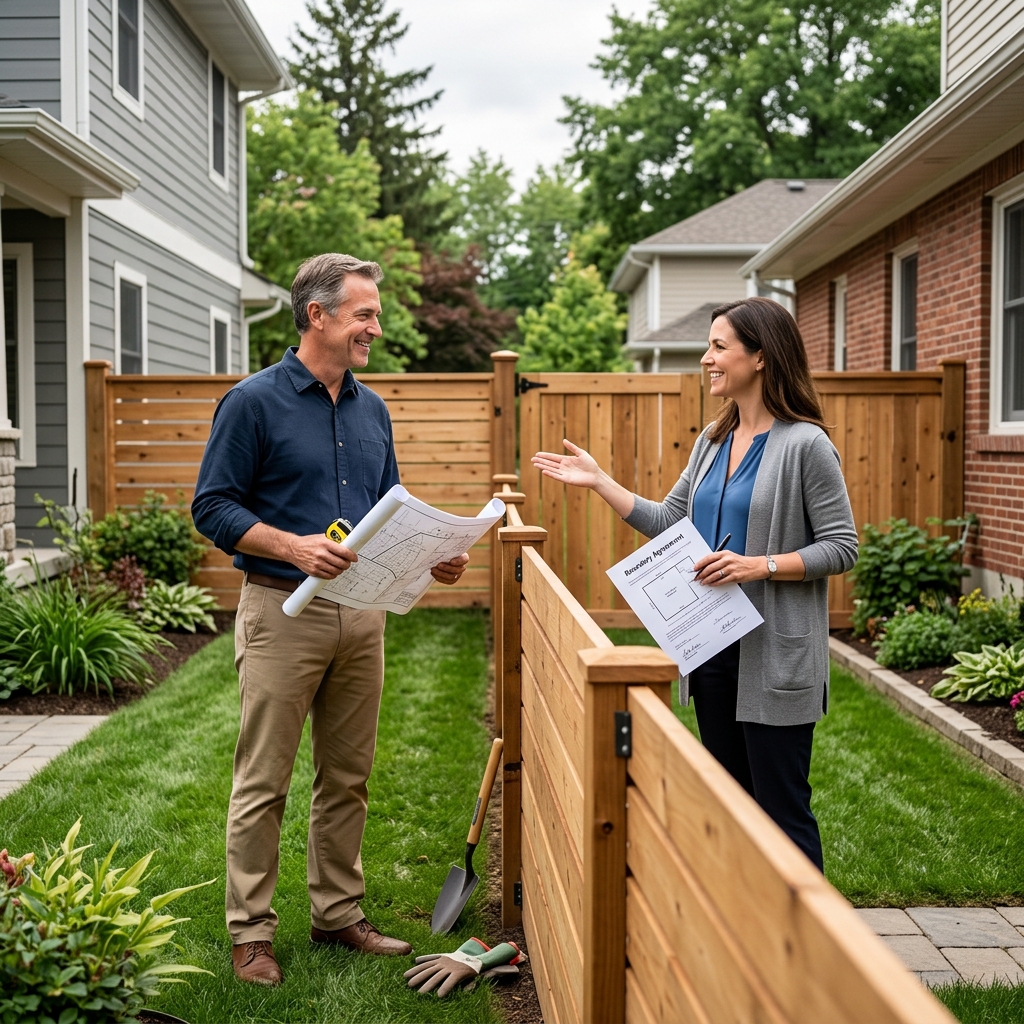
Putting up a fence seems simple: choose a style you like, hire a contractor or do it yourself, and enjoy more privacy. Yet boundary fences are among the most common sources of conflict between neighbors and can escalate into expensive legal disputes if you are not careful. Understanding how property lines, local rules, and good communication all fit together is essential before the first post ever goes into the ground.
This guide explains how to plan and build a fence that respects the law and your neighbor, how to handle disagreements if they arise, and when it may be time to involve a legal professional. It is written for homeowners, landlords, and anyone considering a fence near a property boundary.
Why Fence Disputes Turn Into Legal Problems
Fence issues rarely stay purely practical. Once a neighbor believes that a fence is on their land, violates local ordinances, or unfairly shifts maintenance costs, the disagreement quickly becomes a legal matter involving rights, obligations, and potential damages.
- Encroachment: A fence that crosses the property line onto a neighbor’s land can lead to claims of trespass, nuisance, or demands to remove the structure.
- Violation of local rules: Many municipalities have limits on fence height, materials, and location; ignoring these rules can result in orders to modify or tear down the fence.
- Responsibility disputes: When a fence sits right on the boundary, neighbors may argue over who pays for repairs, replacements, or upgrades.
Because a fence is visible, permanent, and closely tied to property rights, disputes can affect resale value and create long-term hostility if they are not handled with care.
Step One: Confirm Exactly Where Your Property Line Is
No fence planning should start until you know precisely where your property ends and your neighbor’s begins. Guessing based on old posts, hedges, or what “everyone assumes” is the boundary is risky. Property lines are defined legally in deeds and plats, not by habit.
Use Reliable Evidence of Your Boundary
- Review your deed and survey: Your deed and any attached plat map or survey describe the dimensions and location of your property. If you bought title insurance, the title file may also contain useful boundary information.
- Hire a licensed surveyor: When documents are unclear or old, a modern professional survey provides accurate measurements and marks the boundary on the ground.
- Check recorded documents: County land records often contain prior surveys, easements, or boundary agreements that clarify where the lines are.
A current survey is often the strongest evidence you can provide if a dispute later reaches mediation or court, because it is based on accepted professional standards and tied to official records.
Common Mistakes When Relying on Old Markers
Many owners rely on long-standing physical features to locate their boundary, but these are not always reliable:
- Old fences may have been placed for convenience rather than accuracy.
- Trees, ditches, or stone walls can shift over time or have been installed inside the property line rather than directly on it.
- Prior owners may have informally agreed to treat a certain line as the boundary without ever recording that agreement.
Because boundary errors persist from owner to owner, taking the time to verify the line before building a new fence can prevent decades of conflict.
Know the Rules: Municipal, Zoning, and HOA Requirements
Even if your fence is entirely on your land, it still has to comply with public and private rules. Local governments and homeowners associations commonly regulate fences to protect safety, property values, and neighborhood appearance.
Municipal and Zoning Rules
City and county ordinances often cover:
- Maximum height: For example, taller fences may be allowed in back yards but restricted in front yards to maintain visibility at intersections.
- Materials: Some areas prohibit dangerous materials such as barbed wire or require certain standards for pool enclosures.
- Setbacks: Rules may dictate how close a fence can be to sidewalks, roads, or utility easements.
- Visibility and safety: Corner lots may face special restrictions so drivers and pedestrians can see around fences.
Violating these rules can result in fines, stop-work orders, or demands to remove or alter the fence, sometimes at significant cost.
Homeowners Association (HOA) Restrictions
If your property is part of an HOA or similar community, the covenants, conditions, and restrictions (CC&Rs) may impose stricter requirements than the city does.
- Approved fence styles and colors to maintain a uniform look.
- Limits on fence height or location near common areas.
- Requirements to submit plans for approval before construction.
Failing to follow HOA rules can lead to penalties, liens, or demands to remove the fence, even if it complies with municipal law. Review governing documents carefully and obtain any required approvals in writing.
Do You Need a Permit?
Many municipalities require a building or zoning permit before a fence is constructed, especially if it is above a certain height or near a right-of-way.
| Requirement | What It Usually Means |
|---|---|
| Permit Application | Submit plans showing height, materials, and location; pay a fee. |
| Zoning Review | City checks compliance with height, setback, and use regulations. |
| Inspection | Inspector may visit before or after construction to verify compliance. |
Building without required permits can lead to orders to stop work or remove the fence, even if your neighbor never complains.
Fence Etiquette: Preventing Conflict Before It Starts
Legal compliance is only part of the equation. Neighborly courtesy, sometimes called fence etiquette, plays a major role in whether a fence project becomes a source of resentment or strengthens relationships.
Best Practices for Good Fence Etiquette
- Discuss your plans early: Talk to adjacent neighbors before building, especially if the fence will be near the property line or change their view dramatically.
- Place the “finished” side outward: Many owners orient the more attractive side of the fence toward the neighboring property as a respectful gesture.
- Consider light and views: Avoid blocking windows, gardens, or scenic views more than necessary.
- Plan maintenance: Think through how you will access both sides of the fence for repairs or painting without trespassing.
Approaching your project as a shared issue, even when the fence is on your land, can dramatically reduce the chance of complaints or formal disputes.
Written Agreements for Shared or Boundary Fences
When a fence is built directly on the property line or intended to benefit both owners, a simple written agreement can clarify expectations and avoid later misunderstandings.
- Who owns the fence and who can decide to modify or remove it.
- How maintenance and repair costs will be shared.
- How decisions about replacement or upgrades will be made.
Such agreements are strongest when signed by both owners and, in some cases, recorded with local land records so future purchasers understand the arrangement.
Common Legal Issues Involving Fences
Despite best efforts, problems sometimes arise after a fence is built. Understanding the most frequent legal issues can help you respond wisely.
Encroachment and Trespass
Encroachment occurs when a fence or other structure extends onto another person’s land. If a neighbor believes your fence lies inside their boundary, they may demand removal or sue for trespass.
- They may ask a court for an order requiring you to move or dismantle the fence.
- They might claim damages for loss of use, diminished property value, or other harm.
To defend against such claims, evidence such as surveys, deeds, and prior boundary agreements becomes crucial.
Boundary Disputes and Quiet Title
In some cases, the real issue is not the fence itself but where the property line lies. Owners may end up in a boundary dispute involving competing surveys or claims, particularly if the land has been occupied in a certain way for many years.
- Courts can resolve these disputes through actions known as quiet title or declaratory judgment, which establish the legal boundary.
- Once the court determines the boundary, fences may need to be moved or ownership clarified.
Because boundary litigation can be time-consuming and costly, many owners attempt negotiation or mediation before going to court.
Maintenance and Cost Sharing
When a fence runs along a boundary, disagreements often arise over who must pay to repair storm damage, replace decayed sections, or upgrade materials.
- In some jurisdictions, special “partition fence” laws assign responsibilities between neighboring landowners, particularly in rural areas.
- Elsewhere, responsibilities depend on who owns the fence, where it is located, and any written agreements between neighbors.
Clarifying maintenance expectations before construction goes a long way toward preventing later conflict.
Handling Fence Disputes Constructively
If a neighbor complains about your fence or you believe theirs violates your rights, how you respond can determine whether the issue resolves quickly or turns into litigation.
Stay Calm and Document the Situation
- Record what you see: Take photographs showing the fence, any markers, and how it relates to buildings or roads.
- Collect documents: Gather surveys, deeds, permits, HOA approvals, and any written communication with your neighbor.
- Note timelines: Write down when the fence was built, when concerns were raised, and any steps already taken.
Clear documentation can help resolve misunderstandings and provides useful evidence if the dispute escalates.
Talk to Your Neighbor First
Many fence disputes stem from miscommunication. A calm, respectful conversation is often the quickest path to resolution.
- Explain your understanding of the boundary and share any survey results.
- Listen to their concerns and ask what outcome they are hoping for.
- Explore options such as moving the fence slightly, sharing costs of a new survey, or adjusting height or materials.
Approaching the discussion with a willingness to compromise can preserve the relationship and avoid formal complaints.
Mediation, Arbitration, and Legal Help
When direct conversations stall, neutral third parties can help. Mediation and arbitration are common ways to resolve property disputes without a full trial.
- Mediation: A mediator facilitates discussion and helps both sides explore solutions, but does not impose a decision. Agreements reached in mediation can be written and signed.
- Arbitration: An arbitrator hears both sides and issues a decision that the parties agree in advance to follow. This is usually faster and less formal than court, but more binding than mediation.
- Legal advice: A real estate or boundary dispute lawyer can explain your rights, assess evidence, and represent you in negotiations or formal proceedings.
Court should generally be considered a last resort because of cost, time, and the likelihood of permanently damaging neighbor relationships, but it may be necessary where safety, major encroachments, or significant property rights are at stake.
Preventive Checklist Before You Build Your Fence
Use the checklist below as a practical tool to reduce the risk of future disputes.
- Confirm your property line with recent surveys or land records.
- Review municipal fence ordinances and zoning rules.
- Check HOA or community covenants for additional restrictions.
- Apply for any required permits and keep approvals in writing.
- Discuss your fence plans with adjacent neighbors early.
- Consider a written agreement for shared or boundary fences.
- Plan for access and maintenance on both sides of the fence.
- Document the project, including plans, permits, and final location.
FAQs About Fence Disputes and Property Lines
Can my neighbor force me to move my fence?
If your fence encroaches on their property or violates local law, they may ask a court to order you to move or remove it. The outcome depends on surveys, local regulations, and the specific facts of the situation.
Do I always need my neighbor’s permission to build a fence?
You generally do not need permission if the fence is entirely on your land and complies with city and HOA rules. However, discussing your plans can prevent misunderstandings and may be required if the fence will sit on the boundary or affect shared spaces.
Who pays to repair a boundary fence?
Responsibility varies by state law, local ordinances, and any agreements between neighbors. Some areas have specific partition fence rules, while others rely on property ownership and contract principles.
What should I do if I suspect my neighbor’s fence is on my land?
Start by reviewing your deed and any surveys, then consider hiring a licensed surveyor to confirm the boundary. Once you have clear evidence, discuss your concerns with your neighbor and, if necessary, consult a real estate lawyer or mediator.
Can a long-standing fence change my property boundary?
In some jurisdictions, long-term occupation or use of land, including areas around a fence, may raise issues such as adverse possession or prescriptive rights. These doctrines are complex and highly dependent on local law, so legal advice is essential.
References
- Fence Law Basics — Farm Commons. 2016-08-15. https://farmcommons.org/resources/articles/fence-law-basics/
- Avoiding a Legal Dispute Over Your Fence — Super Lawyers. 2022-05-10. https://www.superlawyers.com/resources/real-estate/real-estate-disputes/avoiding-a-legal-dispute-over-your-fence/
- Resolving Fence Dispute Between Property Owners in New York: Five Key Considerations — DAGA Law Firm. 2023-03-01. https://dagallp.com/daga/EN/blog.php?pageurl=Resolving_Fence_Dispute_Between_Property_Owners_in_New_York:_Five_Key_Considerations
- Fence Etiquette 101: How to Build Better Neighbor Relations and Avoid Disputes — Acme Fence. 2021-07-20. https://acmefence.com/fence-etiquette-building-better-neighbor-relations/
- Fences and Boundary Disputes — Nolo. 2020-09-30. https://www.nolo.com/legal-encyclopedia/fences-boundary-disputes
- Handling Boundary Disputes With Neighbors in Florida — Lulich & Attorneys. 2022-11-18. https://www.lulich.com/how-to-handle-boundary-disputes-with-neighbors-and-how-a-real-estate-lawyer-can-help/
Similar Articles








Read full bio of medha deb


