
Preserving the Ballot: Crises and Electoral Access
How crises drive the evolution of secure, accessible voting systems.
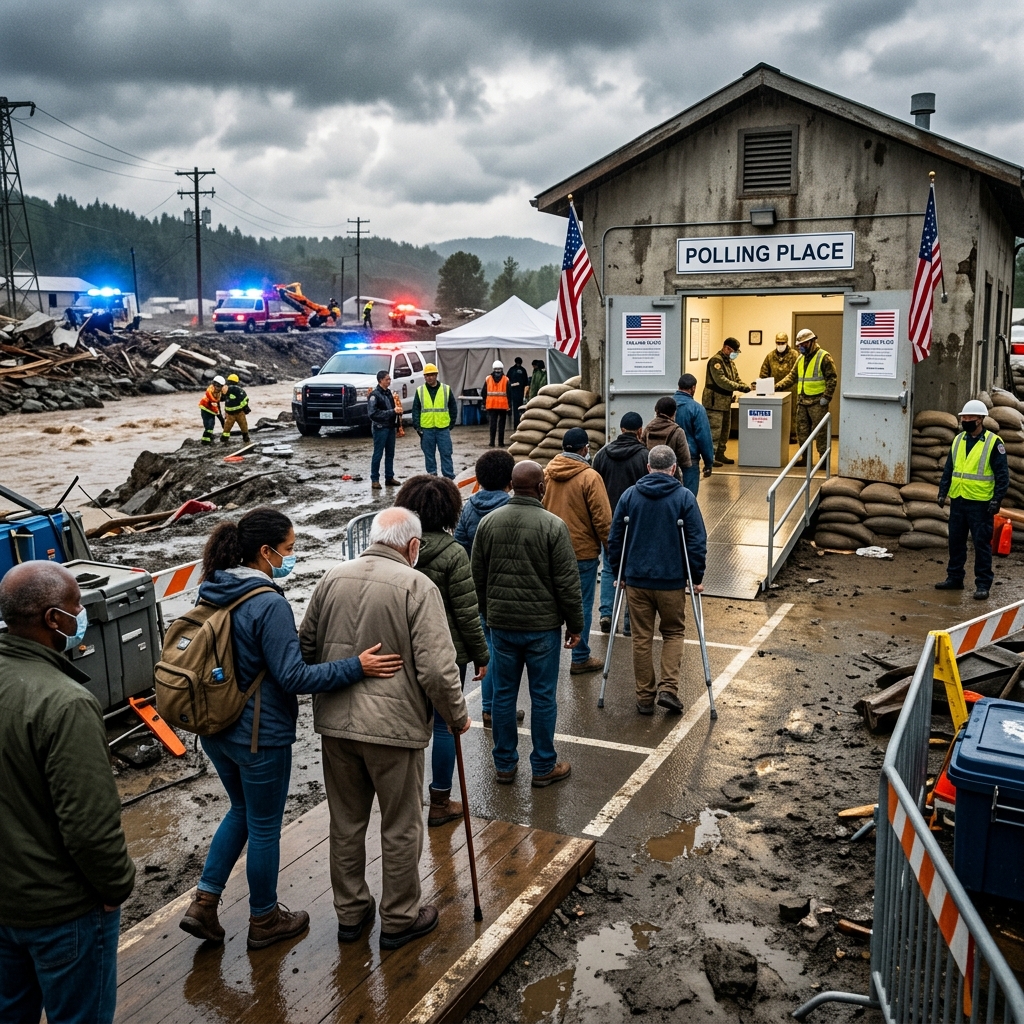
The bedrock of any democratic society is the ability of its citizens to participate freely and safely in the electoral process. The right to vote serves as the fundamental mechanism through which the public holds its leaders accountable and shapes the trajectory of governmental policy. However, the logistical administration of elections frequently collides with unforeseen challenges. When large-scale emergencies arise—whether they take the form of severe natural disasters, global armed conflicts, or unprecedented public health crises—the traditional infrastructure of in-person voting is often subjected to immense strain. Maintaining the integrity of the ballot box while simultaneously safeguarding the physical well-being of the electorate requires a delicate balance of innovation, legal adaptability, and rigorous security measures.
As societies evolve, so too must the mechanisms through which citizens cast their ballots. The modernization of electoral systems is not simply a matter of convenience; it is a critical requirement for maintaining institutional resilience. By examining the historical precedents, the operational mechanics of alternative voting methods, the demographic impacts of these adaptations, and the overarching legal frameworks that govern them, we can better understand how democracies navigate periods of profound disruption without compromising their core principles.
Historical Precedents: Navigating Elections During Disruptions
The imperative to modify voting procedures in response to external threats is not a novel concept in the history of democratic institutions. Throughout the centuries, governments have been forced to implement contingency plans to ensure that the voice of the electorate is not silenced by circumstance. During the American Civil War, for instance, the sheer logistical impossibility of having enlisted men return home to vote necessitated the creation of absentee voting systems for soldiers stationed on the battlefield. This early adaptation established a crucial precedent: the state bears a responsibility to facilitate voting when conventional methods are rendered inaccessible by external forces.
Similarly, the influenza pandemic of 1918 posed a severe threat to public gatherings, including those required for casting ballots. While the response varied significantly across different jurisdictions, the crisis highlighted the inherent vulnerabilities of relying exclusively on synchronous, localized in-person voting. In more recent decades, the aftermath of natural disasters such as Hurricane Katrina in 2005 and Hurricane Sandy in 2012 forced local election officials to rapidly consolidate polling places, extend deadlines, and rely heavily on provisional and absentee balloting to accommodate displaced populations. These historical stress tests demonstrate that electoral systems must possess built-in flexibility to withstand sudden, systemic shocks.
The Mechanics of Alternative Voting Systems
To mitigate the risks associated with crowded polling locations during emergencies, election administrators have increasingly turned to a multifaceted approach to ballot casting. Diversifying the methods by which voters can participate reduces bottlenecks and limits the potential for widespread disruption. The primary mechanisms of this diversification include:
- Universal Mail-In Voting: In this system, active registered voters automatically receive a ballot in the mail well in advance of election day. Voters can complete the ballot in their own time and return it via the postal service or designated drop boxes. This method dramatically reduces the need for physical infrastructure on election day.
- No-Excuse Absentee Voting: Unlike traditional absentee voting, which requires the voter to provide a legally valid justification (such as illness or travel) for not voting in person, no-excuse absentee voting allows any registered citizen to request a mail ballot. This empowers individuals to make their own risk assessments regarding in-person participation.
- Extended Early Voting Periods: By stretching the voting window from a single day to several weeks, election officials can effectively distribute voter turnout over a longer timeframe. This prevents dangerous overcrowding, reduces wait times, and provides greater flexibility for workers with inflexible schedules.
- Secure Drop Boxes and Drive-Through Voting: To circumvent postal delays and minimize physical contact, many jurisdictions have implemented secure, localized drop boxes. Additionally, drive-through voting centers allow individuals to verify their identity and cast their ballots without ever leaving their vehicles, offering a highly controlled and safe environment.
Evaluating the Security and Integrity of Remote Voting
Whenever voting methods deviate from traditional in-person models, legitimate questions regarding election security and the prevention of fraud inevitably arise. The transition toward remote and mail-based voting requires a robust infrastructure to maintain the chain of custody and ensure that every valid vote is counted accurately while invalid or duplicate votes are rejected. Election officials employ a complex web of technological and procedural safeguards to protect the integrity of the process.
One of the foundational pillars of mail ballot security is signature verification. When a ballot is returned, the signature on the exterior envelope is meticulously compared against the signature on file in the voter registration database. If a discrepancy is detected, the ballot is flagged. To prevent disenfranchisement due to minor signature variations (which can occur due to age, injury, or haste), many states have implemented “cure periods.” This allows voters to be notified of the discrepancy and given a specified timeframe to prove their identity and rectify the issue.
Furthermore, the integration of intelligent mail barcodes (IMb) allows both voters and election administrators to track ballots through the postal system, much like a commercial package. This transparency reduces the likelihood of systemic ballot loss and increases voter confidence.
Key Security Measures in Modern Elections
| Security Measure | Vulnerability Addressed | Operational Impact |
|---|---|---|
| Signature Verification | Voter impersonation and unauthorized ballot submission. | Requires trained personnel or automated software to cross-reference historical database records. |
| Unique Ballot Barcodes | Mass ballot theft and duplicate voting attempts. | Ensures that only one ballot per specific voter can be tabulated by the scanning machines. |
| Ballot Tracking Systems | Lost ballots and voter uncertainty regarding receipt. | Provides a transparent chain of custody from the printing facility to the election office. |
| Secure Drop Boxes | Postal delays and tampering. | Requires physical reinforcement, tamper-evident seals, and often 24/7 video surveillance. |
Demographic Impacts: Who Benefits from Expanded Access?
The expansion of alternative voting methods extends far beyond crisis management; it fundamentally alters the demographic landscape of voter turnout. Traditional Tuesday elections, characterized by rigid hours and specific geographical polling places, inherently disadvantage certain segments of the population. When access is expanded through early voting and mail-in options, the democratic process becomes markedly more inclusive.
Elderly voters and individuals with disabilities, who may face insurmountable logistical hurdles in traveling to a polling place and standing in long lines, are among the primary beneficiaries of remote voting options. By allowing these individuals to review their ballots at home, the system accommodates varying levels of mobility and cognitive processing time. Similarly, hourly wage earners, single parents, and essential workers often struggle to carve out time during a standard workday to vote. Extended early voting periods and mail-in ballots remove the financial and temporal penalties associated with civic participation for these groups.
Furthermore, geographic disparities are mitigated when alternative voting is embraced. Rural voters, who may live dozens of miles from their nearest polling location, benefit immensely from the ability to return their ballots via the postal service. Ultimately, by dismantling logistical barriers, expanded electoral access helps to bridge historical gaps in voter turnout across socioeconomic and racial lines, resulting in an electorate that more accurately reflects the composition of the broader society.
The Legal Framework: State Authority vs. Federal Oversight
In the United States, the administration of elections is a highly decentralized process. The Constitution grants individual states broad authority to determine the “Times, Places and Manner” of holding elections. Consequently, the landscape of voting rights and procedures is a complex patchwork of varying state laws, executive orders, and judicial interpretations. During a crisis, this decentralization can be both a strength and a weakness. While it allows local officials to tailor their responses to the specific severity of an emergency in their area, it can also lead to stark inequities in ballot access depending on geographic location.
Federal oversight, however, serves as a crucial backstop against the disenfranchisement of protected classes. Legislation such as the Voting Rights Act of 1965 and the Help America Vote Act (HAVA) establishes baseline standards that states must adhere to, ensuring that emergency modifications to voting procedures do not disproportionately burden minority populations or voters with disabilities. When state legislatures or election boards attempt to implement restrictive voting rules under the guise of emergency management, federal courts are frequently called upon to weigh the state’s interest in electoral integrity against the fundamental right to vote.
Future-Proofing Democratic Participation
The lessons learned from conducting elections during periods of acute crisis must inform the long-term design of electoral infrastructure. Viewing alternative voting methods merely as temporary emergency measures is a strategic failure. Instead, these adaptations should be integrated into the permanent foundation of democratic administration. Future-proofing our elections requires continuous investment in election technology, the modernization of voter registration databases, and the systematic expansion of secure, accessible voting options.
Moreover, building public trust in these systems is as critical as the technology itself. Election officials must engage in proactive, transparent communication regarding how votes are cast, tracked, and counted. By combining rigorous security protocols with broad, equitable access, societies can ensure that their democratic institutions remain robust, resilient, and reflective of the public will, regardless of the challenges that lie ahead.
Frequently Asked Questions (FAQs)
Does expanding mail-in voting increase the risk of widespread voter fraud?
Extensive research and data analysis by election security experts and government agencies consistently show that voter fraud is exceedingly rare in the United States. Systems utilize rigorous safeguards, such as signature verification, unique barcodes, and strict chain-of-custody protocols, which effectively prevent and detect tampering or duplicate voting.
Why are early voting periods important for electoral integrity?
Early voting reduces the stress on physical infrastructure on election day. By spreading out the volume of voters, it minimizes long lines, reduces the likelihood of machine malfunctions due to overuse, and allows election workers more time to process voters efficiently, all of which contribute to a smoother and more secure election process.
How do election officials verify mail-in ballots?
Upon receipt of a mail-in ballot, the signature on the sealed exterior envelope is compared against the signature on the voter’s registration record. Only after the identity is verified is the ballot separated from the identifying envelope, ensuring both security and the anonymity of the vote itself.
Can a voter track their mail-in ballot to ensure it was counted?
Yes, in most jurisdictions that offer mail-in voting, intelligent mail barcodes are used. Voters can typically log onto a secure state or county website to track the status of their ballot—from the moment it is mailed out by the election office, to its return, and finally to its successful processing.
References
- Voting by Mail and Absentee Voting — MIT Election Data and Science Lab. 2024-01-15. https://electionlab.mit.edu/research/voting-mail-and-absentee-voting
- Voting by Mail and Absentee Voting Best Practices — U.S. Election Assistance Commission (EAC). 2023-08-10. https://www.eac.gov/election-officials/voting-mail-absentee-voting
- Mail-in Voting Infrastructure Risk Assessment — Cybersecurity and Infrastructure Security Agency (CISA). 2020-10-01. https://www.cisa.gov/sites/default/files/publications/mail-in-voting-infrastructure-risk-assessment_508.pdf
- Early Voting Reform — Brennan Center for Justice at NYU Law. 2023-11-20. https://www.brennancenter.org/issues/ensure-every-american-can-vote/voting-reform/early-voting
Similar Articles








Read full bio of Sneha Tete


