
Essential Guide to Pre-Purchase Home Inspections
Unlock the secrets of home inspections: Protect your investment by discovering hidden issues before signing the dotted line.
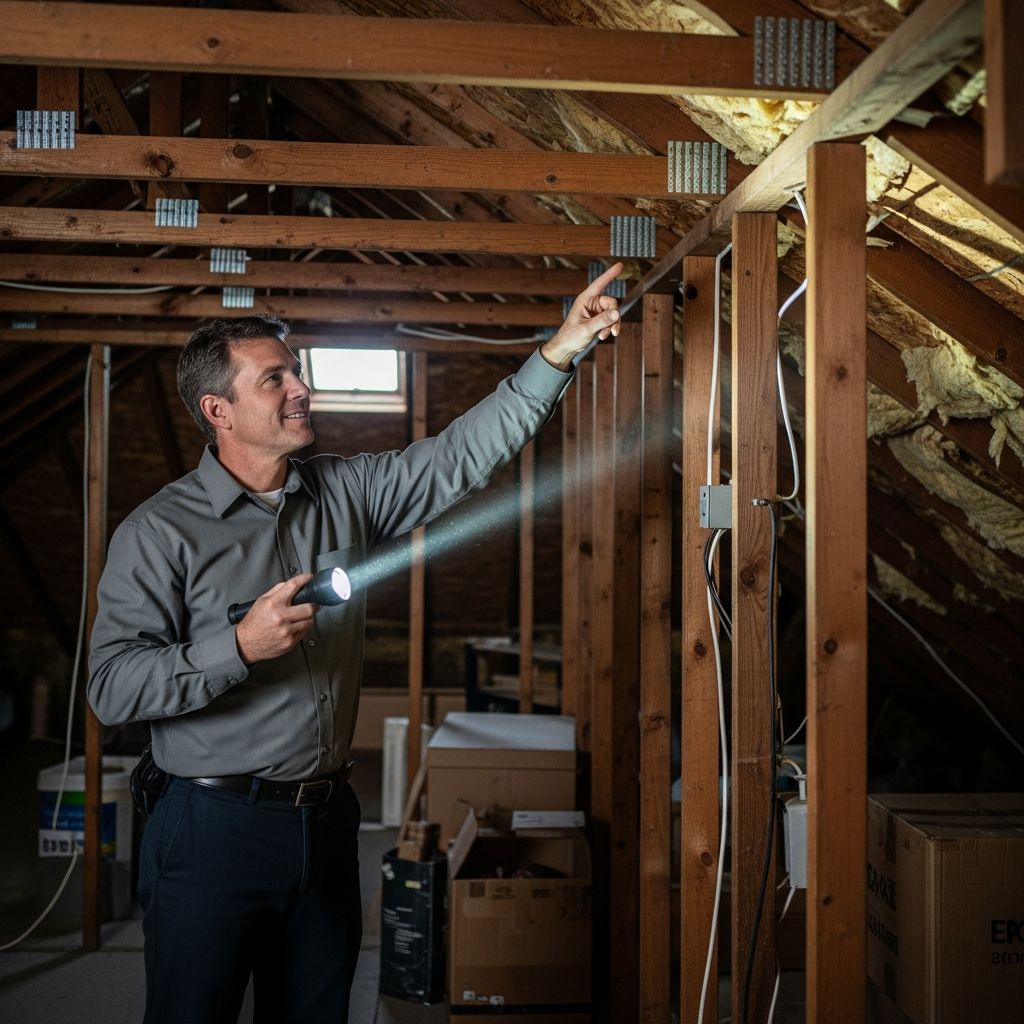
Acquiring a property represents one of the largest financial commitments most individuals undertake. To mitigate risks associated with unseen defects, a thorough pre-purchase inspection is indispensable. This process involves a qualified professional evaluating the home’s structural integrity and operational systems, empowering buyers with critical data to make informed decisions.
Understanding the Core Purpose of a Home Inspection
A home inspection serves as a detailed visual examination of a property’s condition, focusing on its physical structure and essential mechanical systems without invasive measures like dismantling walls. Conducted post-offer acceptance but pre-closing, it typically spans 2-3 hours for standard homes, longer for larger properties, with national average costs ranging from $296 to $424, varying by location, size, and age.
Inspectors assess visible components for safety, functionality, and longevity, producing a comprehensive report that highlights immediate concerns, maintenance needs, and potential future expenses. This document becomes a pivotal tool for negotiating terms with sellers or deciding to proceed.
Key Areas Covered in a Standard Inspection
Professional inspectors systematically review multiple facets of the property. Below is an overview of primary checkpoints:
- Structural Foundation: Checks for cracks, settling, or water intrusion in slabs, basements, or crawl spaces.
- Roof and Exterior: Evaluates shingle condition, flashing, gutters, downspouts, siding, and drainage to prevent water damage.
- Interior Elements: Inspects walls, floors, ceilings, doors, windows, stairs, and built-in appliances for levelness, damage, and operation.
- Electrical Systems: Verifies panel capacity, wiring integrity, grounding, outlets, and switches for code compliance and hazards.
- Plumbing and Water Systems: Examines pipes, fixtures, water heaters, pressure, drainage, and sump pumps for leaks or inefficiencies.
- HVAC Systems: Tests heating, ventilation, air conditioning units, ducts, filters, and flues for performance and safety.
- Attic and Insulation: Assesses ventilation, insulation adequacy, and signs of moisture or pest activity.
| Category | Common Checks | Potential Red Flags |
|---|---|---|
| Exterior | Siding, doors, decks, driveways | Cracks in bricks, poor grading, rot in wood |
| Electrical | Service panel, outlets, fixtures | Exposed wiring, outdated panels, aluminum wiring |
| HVAC | Furnace, AC unit, vents | Rust, leaks, inefficient operation |
| Plumbing | Pipes, heater, pressure | Low pressure, rust, visible leaks |
Frequently Encountered Issues During Inspections
Home inspections often reveal problems that could escalate into costly repairs. Among the most prevalent are roofing deficiencies, such as missing shingles or improper flashing, which affect about 25% of inspections. HVAC malfunctions, including inefficient units or dirty filters, appear frequently, alongside electrical faults like inadequate grounding or overloaded circuits.
Structural concerns like foundation cracks, dry rot, mold growth, and poor drainage also surface regularly. These findings underscore the inspection’s value in preempting surprises post-purchase.
Selecting a Qualified Home Inspector
Choosing the right inspector is paramount. Seek professionals certified by reputable organizations, with local expertise and hundreds of completed inspections. Request sample reports, verify insurance, and check reviews from recent clients. Your real estate agent can recommend trusted individuals familiar with regional building standards.
Opt for inspectors who encourage buyer attendance, provide detailed digital reports with photos, and offer guidance on findings. Avoid those pressuring quick decisions or with ties to sellers.
Timing and Logistics of Scheduling an Inspection
Schedule the inspection promptly after contract signing, ideally within 7-10 days, to allow time for follow-ups or renegotiations before closing. Coordinate with the seller for access, ensuring the home is vacant or minimally furnished for unobstructed views.
Buyers should attend to observe the process, note concerns, and query the inspector directly. Prepare by listing specific worries, like recent leaks or odd noises.
Interpreting the Inspection Report
Reports vary but typically categorize issues as major (safety risks requiring immediate action), minor (cosmetic or routine maintenance), or observational (future considerations). Photos and prioritized recommendations aid understanding.
Distinguish between defects needing seller remedies and those you might accept. Consult the inspector for clarification on severity and repair estimates.
Negotiation Strategies Post-Inspection
An unfavorable report equips you to negotiate. Options include requesting seller repairs, price reductions, or closing cost credits. Prioritize safety and financing-mandated fixes, like electrical upgrades for FHA loans.
Present a concise list of requests backed by the report. Sellers aren’t obligated to comply, but market dynamics influence outcomes. If unresolved, your contract’s inspection contingency allows withdrawal without penalty.
Specialized Inspections for Unique Properties
Standard inspections may not suffice for certain homes. Consider add-ons like:
- Radon Testing: Critical in high-risk zones for this colorless gas.
- Sewer Scope: Camera inspection of lines for blockages.
- Mold/Asbestos Checks: If dampness or age suggests hazards.
- Pool/Spa or Well/Septic: For properties with these features.
Budget $350-$600 for basics, plus $100-$500 per specialty.
Costs, Contingencies, and Financing Impacts
Beyond inspection fees, anticipate specialist costs if issues arise. Most buyer contracts include an inspection contingency, safeguarding your earnest money deposit. Lenders often require inspections for mortgages, especially VA or FHA, to confirm habitability.
Buyer Responsibilities and Preparation Tips
Research local requirements and attend the inspection armed with questions. Review the report meticulously and secure multiple repair quotes. This proactive stance protects your investment.
Frequently Asked Questions
Is a home inspection required to buy a house?
No, but it’s highly recommended. While not legally mandated, it’s essential for uncovering issues and is often required by lenders.
How long does a home inspection take?
Typically 2-3 hours for average homes, extending for larger or complex properties.
Can sellers attend the inspection?
Usually not, to allow candid discussions, though some contracts permit it.
What if major issues are found?
Negotiate repairs, credits, or walk away using your contingency clause.
Who pays for the home inspection?
The buyer, as it’s their due diligence tool.
Final Thoughts on Safeguarding Your Purchase
Embracing a pre-purchase inspection transforms potential pitfalls into manageable insights, ensuring your new home is a sound investment. Stay vigilant through every step for lasting peace of mind.
References
- Home Inspections and Why They Matter — Zillow. 2023. https://www.zillow.com/learn/home-inspection/
- A buyer’s home inspection checklist — Rocket Mortgage. 2023. https://www.rocketmortgage.com/learn/home-inspection-checklist
- What to Expect From a Home Inspection — NerdWallet. 2023. https://www.nerdwallet.com/mortgages/learn/home-inspection
- Home Inspection Checklist For Buyers: What To Know — Bankrate. 2023. https://www.bankrate.com/real-estate/home-inspection-checklist/
- Home inspection checklist for buyers — Opendoor. 2023. https://www.opendoor.com/articles/home-inspection-checklist-for-buyers
Similar Articles








Read full bio of Sneha Tete


