
Practical Ways to Improve Your Credit Score
Learn how credit scores work, what affects them the most, and actionable steps you can take to build, protect, and steadily increase your score.
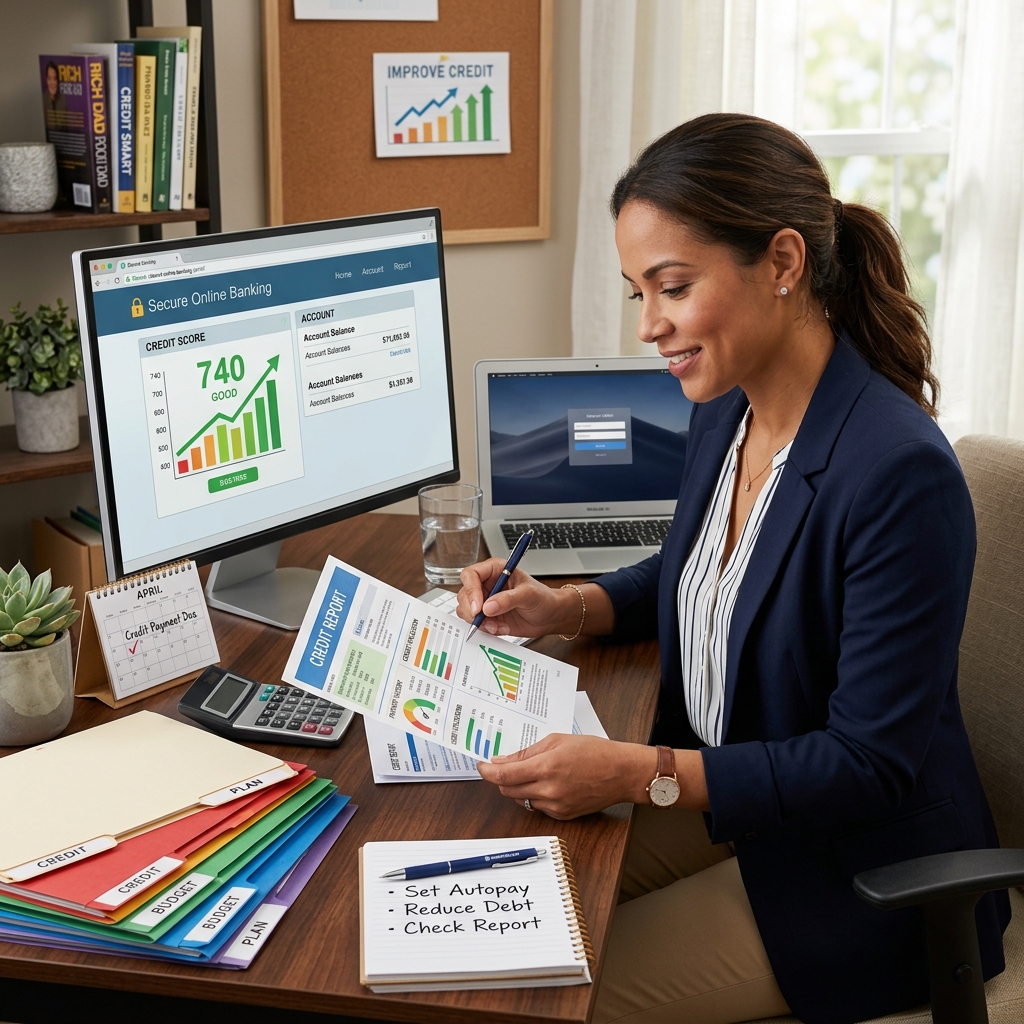
Your credit score is a key part of your financial life. It can determine whether you qualify for a loan, what interest rate you pay, and even affect housing or some job opportunities. The good news is that you can improve your credit score with consistent, practical steps, even if you are starting from a low score or limited credit history.
Understanding What a Credit Score Really Is
A credit score is a numerical summary of how risky you are as a borrower. Lenders use it to estimate how likely you are to repay money on time. In many countries, common scoring models (such as FICO®) range roughly from 300 to 850, with higher scores indicating lower risk and better borrowing terms.
While each scoring model is slightly different, they all look at similar types of information from your credit reports, including:
- Payment history: Whether you pay bills and loans on time.
- Amounts owed: How much of your available credit you are using, often called credit utilization.
- Length of credit history: How long you have been using credit accounts.
- New credit: How often and how recently you apply for new accounts.
- Types of credit: The mix of revolving credit (like cards) and installment loans (like car loans).
Key Factors That Shape Your Credit Score
Some factors have a greater impact on your score than others. Understanding these helps you prioritize your efforts.
| Factor | Typical Importance | What It Looks At |
|---|---|---|
| Payment history | Very high | On-time vs. late/missed payments on credit cards, loans, and other reported accounts. |
| Credit utilization | High | How much of your total available credit you are using, ideally below about 30%. |
| Length of credit history | Moderate | The age of your oldest account and average age of all accounts. |
| New credit activity | Low to moderate | Recent applications and newly opened accounts. |
| Credit mix | Low to moderate | Variety of revolving and installment accounts. |
Because payment history and utilization carry the most weight, most improvement strategies focus directly on these two areas.
Step 1: Review Your Credit Reports Carefully
Improving your score starts with knowing exactly what is on your credit reports. In the United States, you can get free reports from the three major credit bureaus (Equifax, Experian, and TransUnion), and many consumers now have multiple ways to access them online. Other countries have their own bureaus and online portals.
When you review your reports, look for:
- Incorrect personal information (name, address, date of birth).
- Accounts you do not recognize, which could indicate identity theft.
- Wrong balances or credit limits that make it appear you use more credit than you do.
- Payment errors, such as a on-time payment reported as late.
If you find an error, you can generally dispute it with the credit bureau that reported it. Provide documents that support your claim, such as statements or letters, and the bureau should investigate within a set time frame according to local law.
Step 2: Build a Track Record of On-Time Payments
Consistently paying your obligations by the due date is one of the most powerful ways to raise and protect your credit score. Even a single payment that is more than 30 days late can negatively affect your score and may stay in your credit history for years.
Practical ways to stay on track include:
- Setting up automatic payments for at least the minimum amount due on cards and loans.
- Creating payment reminders using calendars or budgeting apps.
- Contacting creditors early if you expect difficulty paying, to ask about hardship options or alternate arrangements.
Even if you are unable to pay the full balance, making at least the minimum payment on time helps your score more than missing payments entirely.
Step 3: Lower Your Credit Utilization Ratio
Your credit utilization ratio compares your total credit card balances to your total credit limits. Many experts recommend keeping utilization at or below about 30% of your available credit, and lower is generally better if you can manage it.
For example, if your total credit limits across all cards are 5,000 and your balances add up to 1,500, your utilization is 30%. Bringing balances down below this level, especially on individual cards that are near their limits, can improve your score over time.
Strategies to reduce utilization include:
- Paying more than the minimum each month to steadily reduce balances.
- Making smaller payments throughout the month so reported balances stay lower when lenders send data to the bureaus.
- Avoiding new purchases on cards you are trying to pay down.
- Considering a higher credit limit if you can manage it responsibly, which can lower utilization without new debt.
Be careful not to solve high utilization by taking on new, expensive debt. If you consolidate balances with a loan, focus on paying that loan off on schedule.
Step 4: Use Credit Accounts Strategically
Your choices about opening, closing, and using credit accounts also affect your score. Thoughtful planning can prevent unnecessary damage while you work on improvement.
Be Selective When Applying for New Credit
Each time you apply for many kinds of credit, the lender may perform a hard inquiry on your reports. Several applications in a short period can lower your score temporarily, especially if you already have limited credit history.
- Apply only for accounts you truly need and can afford to manage.
- Research products first so you are likely to be approved, reducing repeated applications.
- If you are rate-shopping for a mortgage or auto loan, try to do so within the time window that scoring models treat multiple inquiries as one (varies by model and region).
Think Carefully Before Closing Old Accounts
Closing a long-standing credit card can reduce your total available credit and shorten your average account age, both of which may negatively affect your score. If an old card has no fee and you can keep it open safely, leaving it active (even with occasional small purchases) often helps your credit profile.
You might want to close an account if it has high fees you cannot justify or encourages overspending, but balance this decision against the potential impact on your score.
Build a Healthy Mix of Credit Over Time
A variety of account types can be positive for your score when managed well. For example, responsible use of one or two credit cards plus a simple installment loan can show that you handle different credit products carefully.
However, you do not need a complicated mix. It is better to have fewer accounts that you manage reliably than many accounts you struggle to control.
Step 5: Establish Credit If You Are Just Getting Started
For people with little or no credit history, the challenge is building enough data for scoring models to evaluate. Several tools can help you start safely:
- Entry-level credit cards: Some banks offer starter or student cards with low limits to help new borrowers build history.
- Secured credit cards: These require a deposit that usually becomes your credit limit, giving lenders more security while you prove your payment habits.
- Credit-builder loans: In some regions, small loans designed specifically to establish credit are available; payments are reported to credit bureaus, helping create a record of on-time repayment.
- Authorized user status: Being added as an authorized user on a well-managed credit card can sometimes help your score, depending on how scoring models treat this data.
Even with these tools, the same basic rules apply: keep balances low, pay on time, and avoid unnecessary new accounts.
Step 6: Manage Debt Responsibly
Credit scores are closely tied to how you manage overall debt. Carrying high balances can strain your budget and keep utilization high, which harms your score.
To handle debt in a way that supports your credit health:
- Create a realistic repayment plan focusing on high-interest debts first while paying at least the minimum on all others.
- Consider consolidation into a lower-rate loan only if it reduces cost and you avoid building new card balances.
- Avoid exceeding your borrowing capacity; lenders prefer to see that you keep obligations within what your income can support.
Over time, a lower debt load and steady payments make you less risky in the eyes of lenders, which scores reflect.
Step 7: Monitor Your Progress and Protect Your Credit
Credit improvement is not instant. Scores change as lenders update information, and it can take months of consistent behavior to see substantial improvement. Monitoring your progress helps you stay motivated and spot new issues quickly.
Helpful ongoing habits include:
- Checking your reports regularly, at least once a year or before applying for major loans.
- Watching for signs of identity theft, such as unfamiliar accounts or addresses.
- Using alerts from banks or bureaus that notify you of new accounts or large balance changes.
If you discover suspicious activity, contact your lenders and the relevant bureau promptly. Many regions have consumer protection rules and guidance for dealing with fraud.
Common Mistakes That Can Hurt Your Credit Score
Some actions may seem minor but can undermine your progress. Avoid these frequent pitfalls:
- Ignoring small bills like phone or utility accounts that can be sent to collections if unpaid.
- Maxing out credit cards, even temporarily, which raises utilization and may signal higher risk.
- Closing multiple accounts at once, which can reduce your available credit and shorten your history.
- Applying for several cards or loans in a short period, leading to numerous inquiries.
- Not reading the terms of new credit products, resulting in unexpected fees or rate changes.
Frequently Asked Questions About Credit Scores
How quickly can I improve my credit score?
The timeline depends on your starting point and the issues on your report. Correcting errors and reducing high utilization can sometimes lead to improvement in a few billing cycles, while rebuilding after serious problems like multiple late payments or collections may take many months or longer. The key is consistent positive behavior over time.
Is it bad to have no credit cards?
You can have a good score without credit cards if you manage other types of credit well, but cards are often a convenient way to build history and a mix of credit types. If you choose to use cards, focus on responsible habits: pay on time and avoid carrying high balances.
Will checking my own credit score hurt it?
No. When you check your score or request your own credit reports through authorized channels, it is considered a soft inquiry and does not affect your credit score.
Should I keep a small balance on my credit card to improve my score?
You do not need to carry a balance for scoring models to see that you use credit. Experts indicate that paying your card in full, on time, while keeping utilization low is better than paying interest unnecessarily.
Can closing a card ever help my credit?
Closing a card can be reasonable if it has high fees or tempts overspending, but it may reduce your available credit and shorten your history, which can lower your score. If you close an account, plan carefully and continue strong habits on your remaining accounts.
Putting It All Together
Improving your credit score is less about quick tricks and more about a series of steady, manageable steps. Focus on paying every bill on time, keeping your balances low relative to your limits, monitoring your reports for accuracy, and opening or closing accounts thoughtfully. Over time, these behaviors can lead to a healthier credit profile and better financial opportunities.
References
- How can I get and keep a good credit score? — Consumer Financial Protection Bureau. 2023-05-01. https://www.consumerfinance.gov/ask-cfpb/how-can-i-get-and-keep-a-good-credit-score-en-318/
- 5 Things You Can Do to Improve Your Credit Score — PNC Bank. 2022-07-15. https://www.pnc.com/insights/personal-finance/borrow/5-things-you-can-do-to-improve-your-credit-score.html
- How to Improve Your Credit Score: Good to Great — Wells Fargo. 2022-11-10. https://www.wellsfargo.com/goals-credit/smarter-credit/improve-credit/good-to-great/
- Building a Good Credit Score — TD Bank. 2023-03-21. https://www.td.com/us/personal-banking/finance/building-good-credit-score
- Strategies to Improve Your Credit Score — Datacrédito. 2021-09-30. https://www.datacredito.com.co/blogs/datablog/estrategias-para-mejorar-tu-puntaje-de-credito/
- 5 Ways to Improve Your Credit Score — Better Money Habits, Bank of America. 2022-08-05. https://bettermoneyhabits.bankofamerica.com/en/credit/how-to-improve-your-credit-score
Similar Articles








Read full bio of Sneha Tete




