
Practical Strategies to Manage Debt Without Bankruptcy
Learn realistic steps to regain control of your debts, work with creditors, and explore legal options before resorting to bankruptcy.
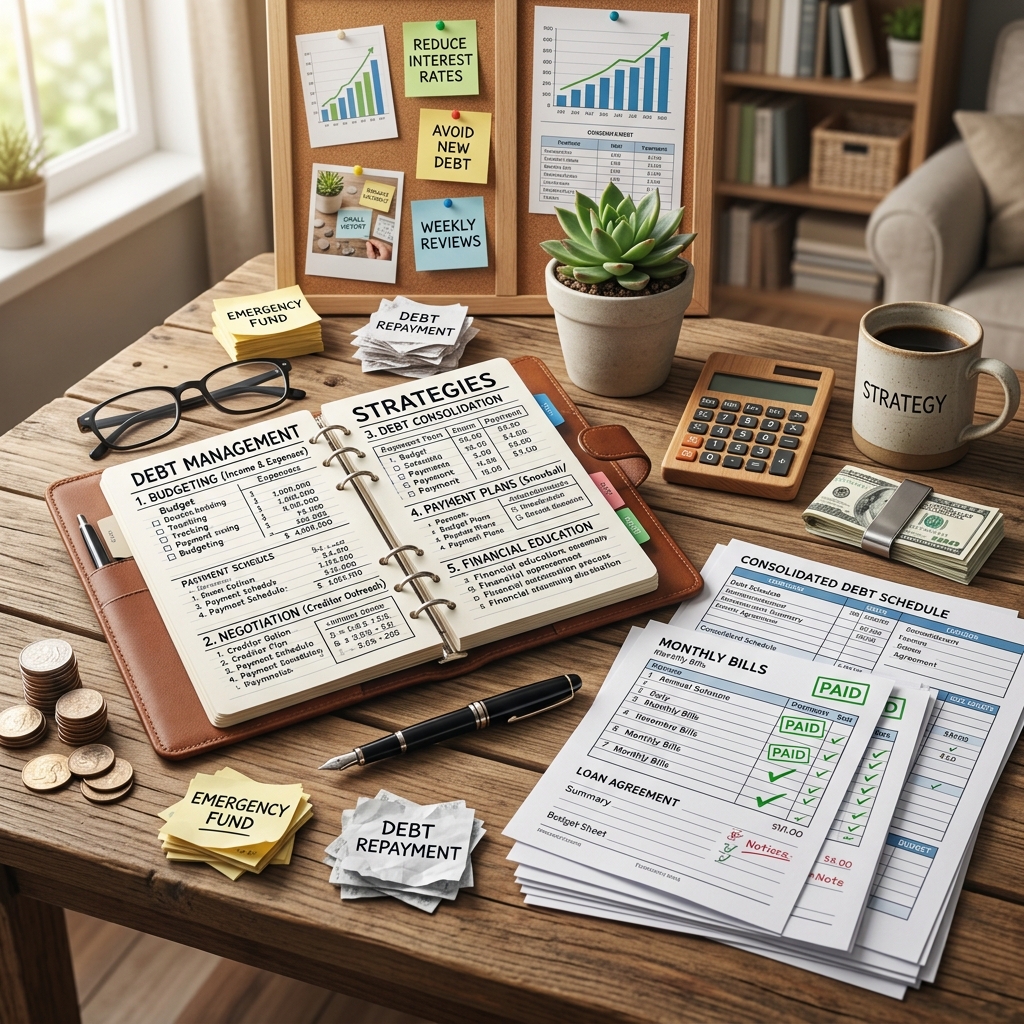
Running into serious debt problems can feel overwhelming, but bankruptcy is not the only option. In many situations, you can reduce or restructure your debt, negotiate with creditors, and use legal tools to regain control of your finances before taking the step of filing for bankruptcy. This guide explains practical strategies and key alternatives so you can make informed decisions about how to move forward.
Understanding When Debt Has Become a Serious Problem
Everyone carries some level of debt, such as credit cards, car loans, or a mortgage. The challenge begins when your debt starts to outpace your income and you struggle to keep up with required payments. Recognizing financial distress early gives you more options and time to act.
Common Warning Signs You Should Not Ignore
- Using credit cards or lines of credit to cover everyday expenses, such as groceries or utility bills.
- Making only minimum payments on high-interest debt and seeing balances grow or barely shrink over time.
- Receiving collection calls, past-due notices, or legal demand letters from creditors or collection agencies.
- Skipping payments on one bill to pay another, or frequently relying on payday loans.
- Feeling constant stress or losing sleep over money problems and fearing you cannot meet upcoming obligations.
If you recognize several of these signs, it is important to treat your situation as serious and start taking structured steps to improve it.
Why Acting Early Matters
Delaying action often leads to additional interest, late fees, damaged credit, and fewer options. Creditors tend to be more flexible when you contact them before missing payments, rather than afterward. Acting early also gives you time to speak with professional advisors and plan a strategy that matches your circumstances.
Get a Clear Picture of Your Financial Situation
The first critical step in managing debt without bankruptcy is to understand exactly what you owe and what you can realistically pay. Many people feel overwhelmed simply because they lack a complete picture. Once you organize your information, patterns and solutions become easier to see.
List All Debts and Monthly Commitments
Create a detailed list of all debts and recurring obligations. Include:
- Credit cards and store cards
- Personal loans and lines of credit
- Car loans or leases
- Student loans
- Tax debts or government overpayments
- Mortgage or rent payments
- Utilities, phone, internet, insurance, childcare, and other regular expenses
For each debt, note the balance, interest rate, minimum payment, and whether it is secured (tied to collateral such as a vehicle or home) or unsecured. This information will help you set priorities and choose appropriate repayment strategies.
Compare Income Versus Essential Expenses
Next, document all income sources, such as employment income, government benefits, support payments, or rental income. Then compare your income with your essential living expenses, excluding non-essentials like subscriptions or entertainment.
| Category | Examples | Essential or Non-essential? |
|---|---|---|
| Housing | Rent, mortgage, property tax | Essential |
| Utilities | Heat, electricity, water | Essential |
| Food | Groceries | Essential |
| Transportation | Transit pass, car fuel, basic maintenance | Essential |
| Debt Payments | Minimum payments on credit cards, loans | Essential to protect credit and avoid collection |
| Discretionary Spending | Dining out, entertainment, subscriptions | Non-essential |
This simple comparison reveals how much money is available for debt repayment after covering necessities and highlights where immediate cuts may be possible.
Build a Realistic, Debt-Focused Budget
A written budget is one of the most effective tools for regaining control over your finances. It helps you decide in advance how each dollar will be used and ensures that debt repayment becomes a priority rather than an afterthought.
Key Principles for an Effective Budget
- Be honest with yourself: Use actual numbers based on bank statements, pay stubs, and bills rather than estimates.
- Focus on essentials first: Ensure housing, food, and basic utilities are covered before allocating money to non-essentials.
- Limit new borrowing: Stop using credit for everyday purchases and aim to pay with cash or debit to avoid increasing your debt.
- Allocate a debt repayment amount: Dedicate as much as you reasonably can each month to reducing high-interest debt.
- Review regularly: Adjust your budget when income or expenses change to keep it aligned with reality.
Setting clear financial priorities makes it easier to say no to impulse spending and yes to long-term stability.
Reducing Expenses and Increasing Income
Most strategies to avoid bankruptcy rely on improving your cash flow—either by lowering what you spend, raising what you earn, or both. Even modest changes, when sustained over time, can significantly improve your ability to pay down debt.
Cutting Cost Without Undermining Essentials
Start by examining your recurring expenses to find areas where you can cut back or eliminate spending. Consider:
- Switching to lower-cost phone or internet plans.
- Reducing or cancelling streaming services and memberships.
- Shopping with a list and focusing on basic groceries instead of prepared or premium items.
- Using public transit or carpooling when possible to lower transportation costs.
- Avoiding small, frequent discretionary purchases that add up over time, such as daily take-out coffee.
These changes may feel inconvenient at first, but they can free up money to pay down debt and protect you from more serious consequences later.
Options for Increasing Income
If cutting expenses alone is not enough, consider ways to temporarily increase your income.
- Taking an additional part-time job or freelance work where possible.
- Selling unused valuables, electronics, or furniture to bring in one-time cash that can be applied directly to high-interest debt.
- Converting hobbies or skills into paid services, such as tutoring, repairs, or crafts.
- Exploring eligibility for government benefits or support programs if your income is very low or unstable.
Before relying on help from friends or family, it is important to discuss expectations clearly and agree on any repayment plan to avoid relationship strain.
Working Directly With Creditors and Collectors
Many people avoid contacting creditors because they feel anxious or ashamed, but open communication is one of the most effective ways to prevent a situation from escalating. Creditors may be willing to adjust payment schedules, reduce interest, or explore hardship options if you reach out proactively.
How to Approach Creditors
- Contact them as soon as you know you will struggle to make payments—do not wait for collection calls or legal action.
- Explain your situation clearly, including changes in income, unexpected expenses, or other factors affecting your ability to pay.
- Offer a realistic payment proposal based on your budget, rather than promising more than you can manage.
- Ask whether they can reduce your interest rate, waive certain fees, or temporarily lower payments while you recover.
- Request written confirmation of any changes to your payment terms and keep records of conversations and agreements.
In some jurisdictions, creditors are required to treat you fairly and follow specific rules when collecting debts. If you suspect a collector is violating rules or engaging in abusive practices, you may have the right to report them to consumer protection agencies.
Debt Settlement and Negotiation
Debt settlement involves negotiating with a creditor to pay less than the full amount you owe in exchange for closing the account. In some cases, particularly with older or severely past-due debts, creditors may agree to a reduced lump sum or structured settlement.
Important points to consider:
- Attempting negotiation yourself may avoid fees associated with third-party settlement companies.
- Any agreement should be documented in writing before you send payment.
- Settlements may have tax or credit score consequences, depending on local rules and reporting practices.
If you are considering settlement programs, research the organization carefully. Government consumer protection agencies often warn that some debt relief companies charge high fees or make unrealistic promises.
Using Structured Debt Management Tools
When debts are too large or complex to manage through informal negotiation, more formal tools such as debt management plans, consolidation loans, or legal proposals can help you reorganize what you owe and avoid bankruptcy in many cases.
Debt Management Plans and Credit Counseling
Non-profit or reputable credit counseling agencies can help you review your finances, build a budget, and in some cases set up a structured plan to repay unsecured debts over time.
- They work with you to analyze your income, expenses, and debt load, then develop a repayment schedule.
- In some programs, agencies negotiate reduced interest rates or fees with participating creditors.
- You make one monthly payment to the agency, which distributes funds to creditors according to the plan.
Credit counseling does not usually involve court proceedings and may be a less disruptive way to regain control while preserving your credit reputation as much as possible.
Debt Consolidation
Debt consolidation means replacing multiple debts with a single new loan or line of credit, ideally at a lower interest rate and with more manageable payments.
Potential benefits include:
- Simplified repayments with one due date and one creditor.
- Possibly lower interest costs if you qualify for a better rate than your current credit cards or loans.
- More predictable repayment schedule over a fixed term.
However, consolidation is not a cure-all. It may be risky if you continue using credit cards after consolidating or if the new loan requires collateral you could lose if you default. Carefully compare total costs and consider advice from financial professionals or trusted lenders before proceeding.
Legal Alternatives to Bankruptcy (Such as Consumer Proposals)
In some legal systems, there are formal processes that allow you to make a binding offer to your unsecured creditors to repay part of what you owe over time. One example, in Canada, is a consumer proposal administered by a Licensed Insolvency Trustee. These arrangements are often less severe than bankruptcy but still provide legal protection from unsecured creditors once accepted.
Key features of such alternatives typically include:
- Negotiated repayment of a portion of your unsecured debts over a fixed period.
- Suspension of most collection actions once the proposal is filed and approved.
- Retention of many assets that might otherwise be at risk in bankruptcy, depending on local rules.
- Formal oversight by a licensed professional who ensures fairness to you and your creditors.
Whether a legal proposal is suitable will depend on your income, asset situation, and the types of debts you hold. Speaking with a licensed insolvency professional or qualified advisor is essential before choosing this route.
When Bankruptcy Might Still Be Necessary
Despite best efforts, some individuals have debts so large relative to their income that bankruptcy becomes the most realistic way to obtain a fresh financial start. Bankruptcy is a serious legal process that can discharge many unsecured debts, but it also brings significant consequences.
Typical impacts include:
- Loss of certain non-exempt assets to help repay creditors, depending on local laws.
- Damage to your credit rating for several years, making future borrowing more challenging.
- Public record of the filing in many jurisdictions.
However, bankruptcy can also relieve intense pressure by legally eliminating debts that you cannot realistically repay. If you are considering this option, it is strongly recommended that you obtain independent advice from a licensed insolvency professional, legal clinic, or financial counselor.
Protecting Your Financial Future After a Debt Crisis
Whatever path you take—negotiation, consolidation, legal proposals, or bankruptcy—learning from the experience is essential. The habits and decisions that follow your debt crisis will determine whether you rebuild stability or return to similar problems later.
Healthy Long-Term Habits
- Continue using a written budget and review it regularly.
- Build an emergency savings fund to cover several months of essential expenses, reducing the need to rely on credit for unexpected costs.
- Avoid taking on new high-interest debt and pay bills in full whenever possible.
- Check your credit reports periodically and address errors through formal dispute processes.
- Seek financial education resources offered by financial institutions, community organizations, or government agencies.
Gradual, consistent changes can significantly strengthen your financial resilience over time.
Frequently Asked Questions
Can I stop using my credit cards without hurting my credit score?
Yes. Not using your cards does not automatically harm your credit score; the key factors are timely payments and overall utilization. Paying down balances and avoiding new debt generally supports a healthier credit profile in the long run.
Is debt consolidation always better than bankruptcy?
No. Debt consolidation can help if you qualify for a lower interest rate and can maintain payments, but it may not be suitable for everyone. If your income is insufficient to support even reduced payments, or if you are already facing legal action, other options such as legal proposals or bankruptcy may be more appropriate.
What should I watch out for with debt relief companies?
Government consumer agencies frequently warn about companies that charge high upfront fees, promise unrealistic debt reductions, or advise you to stop paying creditors without explaining the risks. Research any organization carefully and consider free or low-cost advice from non-profit counseling agencies or legal clinics first.
Will talking to a credit counselor affect my credit report?
In many cases, simply getting advice does not appear on your credit report. If you enter a formal debt management plan, it may be noted, but this can still be preferable to missed payments or collections. The exact impact depends on local reporting practices and the type of program you join.
How do I know whether bankruptcy is my only option?
You will usually need a detailed review of your income, assets, debts, and legal protections to answer this question confidently. Licensed insolvency professionals or qualified financial counselors can help you compare bankruptcy with alternatives such as negotiation, consolidation, or legal proposals.
References
- How to Avoid Bankruptcy in Canada — Royal Bank of Canada. 2023-04-12. https://www.rbcroyalbank.com/en-ca/my-money-matters/debt-and-stress-relief/bankruptcy/personal-bankruptcy/6-strategies-to-help-avoid-personal-bankruptcy/
- How To Get Out of Debt — U.S. Federal Trade Commission. 2023-10-03. https://consumer.ftc.gov/articles/how-get-out-debt
- Avoid Bankruptcy With These Simple Tips — Investopedia. 2023-08-29. https://www.investopedia.com/articles/pf/08/avoid-bankruptcy.asp
- 7 Ways to Avoid Bankruptcy — Perigon Wealth Management. 2022-06-15. https://www.perigonwealth.com/7-ways-to-avoid-bankruptcy/
- Avoid Bankruptcy: Proven Debt Solutions That Work — Debthelper. 2022-09-20. https://debthelper.com/avoid-bankruptcy-debt-solutions/
Similar Articles








Read full bio of Sneha Tete




