
Practical Legal Strategies to Stop Cybersquatters
Learn how to recognize cybersquatting, protect your brand online, and use legal tools to reclaim control of critical domain names.
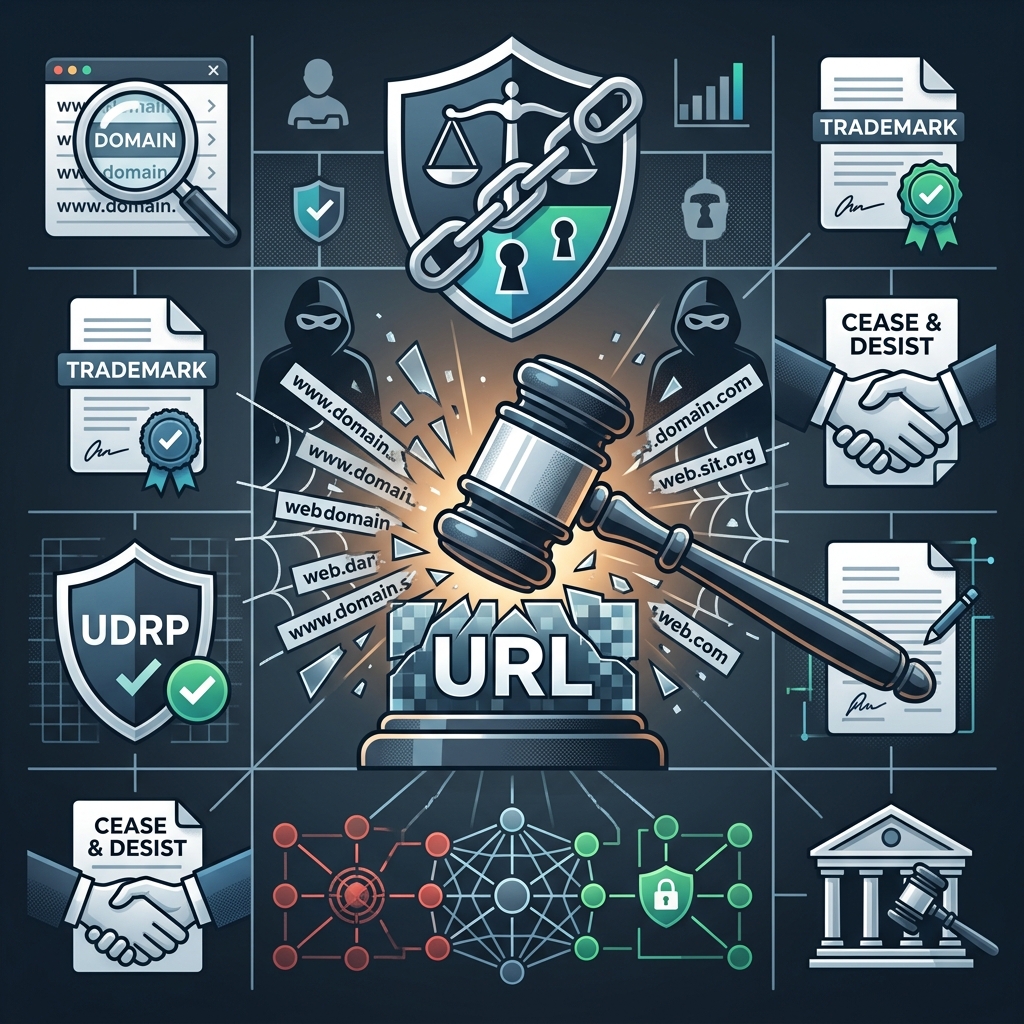
Cybersquatting can quietly undermine your brand, divert customers, and hold your online presence hostage. Understanding how it works and how to respond quickly is critical for any business or professional relying on the internet for visibility or revenue.
What Cybersquatting Is and Why It Matters
Cybersquatting is the practice of registering, using, or selling a domain name that is identical or confusingly similar to a protected trademark, with a bad faith intent to profit from that mark’s reputation.
Typical cybersquatters aim to:
- Sell the domain back to the trademark owner at an inflated price
- Divert traffic to competing or unrelated sites for advertising revenue
- Damage the reputation of a business or individual
- Confuse customers into thinking they are dealing with the legitimate brand
Because domain names function much like digital storefront signs, cybersquatting can lead to lost sales, reputational harm, and customer confusion, especially where the domain closely mimics an established brand.
Common Warning Signs You May Be Facing Cybersquatting
Not every domain conflict is cybersquatting. Some situations are legitimate business uses or simple coincidence. However, several patterns strongly suggest bad faith registration.
Technical and Content Clues
- Parking or placeholder pages: The domain points to a bare page with messages like “for sale” or “this domain is reserved” rather than a genuine business site.
- Ad-heavy pages: The domain leads to a page filled mostly with ads, especially for products or services related to your brand or industry.
- Confusingly similar domain names: The domain is identical or nearly identical to your trademark or business name, possibly with minor misspellings or alternate extensions (for example, changing .com to .net).
- Use of your logo or branding: The site imitates your visual identity, slogan, or other distinctive elements to give the impression it is affiliated with you.
Behavioral Clues from the Registrant
- Offer to sell at an inflated price: The registrant quickly offers to sell the domain to you for a high sum, far above standard registration fees.
- Pattern of registrations: The person or company appears to own multiple domains targeting various well-known brands.
- Lack of legitimate business use: The registrant cannot articulate any genuine reason for using the domain that is independent of your trademark.
These indicators do not automatically prove cybersquatting, but together they form evidence of bad faith that can be critical in later legal proceedings.
First Response Checklist: What to Do Immediately
When you discover a suspicious domain, your initial steps can greatly influence the outcome. Acting systematically helps you preserve evidence and avoid missteps.
1. Document Everything
- Take screenshots of the website, including landing pages, ads, and any branding that imitates yours.
- Record the exact URL and date of access.
- Note any customer complaints or confusion caused by the domain.
This documentation becomes useful in arbitration or litigation to demonstrate both the nature of the site and the harm to your business.
2. Identify the Domain Owner
Use a publicly available domain lookup tool (often referred to as “WHOIS”) to find the registrant’s name, contact information, and registrar.
- Confirm whether the registrant is an individual, a company, or a privacy service.
- Check when the domain was registered and whether there is a history of transfers.
Understanding who controls the domain helps you decide whether a direct negotiation, a formal complaint, or litigation is most appropriate.
3. Evaluate Your Trademark Rights
Most effective legal remedies depend on having trademark rights in the name at issue.
- Confirm whether your trademark is registered with the relevant national authority (such as a national intellectual property office).
- Assess whether the mark is distinctive and used consistently in commerce.
- Determine who technically owns your domain registrations—developer agencies sometimes register domains in their own name, creating complications.
Even unregistered trademarks can sometimes be protected, but formal registration usually strengthens your position and remedies.
Comparing Core Legal Remedies Against Cybersquatters
In many jurisdictions, victims of cybersquatting have two primary legal avenues: an international arbitration system and national court litigation relying on specific anti-cybersquatting laws.
| Remedy | Forum | Key Requirements | Main Outcomes | Typical Use Case |
|---|---|---|---|---|
| UDRP Arbitration | ICANN-approved providers | Proof that the domain is identical or confusingly similar to your trademark; registrant lacks legitimate interests; domain registered and used in bad faith. | Domain transfer or cancellation only; no monetary damages. | Fast and relatively low-cost recovery of a domain. |
| ACPA Lawsuit | National courts (for example, federal courts in the U.S.) | Trademark distinctive and protected; domain identical or confusingly similar; registrant had bad faith intent to profit from the mark. | Court-ordered transfer plus potential money damages. | Complex disputes, repeat offenders, or cases involving significant financial harm. |
Understanding ICANN’s UDRP Arbitration Path
The Uniform Domain Name Dispute Resolution Policy (UDRP) is an international administrative process for resolving domain disputes. It is widely regarded as faster and often less expensive than court litigation.
Core Elements You Must Prove
To succeed in a UDRP complaint, you generally must show:
- The domain name is identical or confusingly similar to a trademark in which you have rights.
- The domain registrant has no legitimate rights or interests in the domain name.
- The domain was registered and is being used in bad faith, such as to sell it to you for profit or divert traffic for competitive gain.
If you meet these criteria, the panel can order that the domain be transferred to you or canceled entirely.
Advantages and Limitations
- Advantages:
- Shorter timelines compared to court proceedings
- Global applicability to many generic top-level domains
- Often manageable without full-scale litigation budgets
- Limitations:
- No ability to recover monetary damages or other financial compensation
- Scope limited to domain transfer or cancellation
- Does not resolve broader trademark infringement issues beyond the domain
Using National Anti-Cybersquatting Laws (Example: ACPA)
Many countries have enacted laws specifically targeting cybersquatting. One example is the Anti-Cybersquatting Consumer Protection Act (ACPA)
What You Need to Establish
To obtain relief under laws like the ACPA, plaintiffs usually must show:
- The trademark was distinctive and protects your brand at the time the domain was registered.
- The domain name is identical or confusingly similar to the trademark.
- The registrant had a bad faith intent to profit from your mark, not a legitimate business purpose.
Possible Remedies
- Transfer or cancellation of the domain name by court order.
- Monetary damages, which may be statutory or actual damages depending on the jurisdiction and case.
- Broader injunctions against continued misuse of similar marks or domains.
Because litigation is more expensive and time-consuming, businesses often reserve this path for high-value disputes or cases involving repeated bad actors.
Negotiation, Settlement, and Practical Compromises
While arbitration and litigation are powerful tools, they are not always the first or best option. In some situations, negotiating with the domain owner can yield a faster and cheaper resolution.
When Paying the Cybersquatter May Be Pragmatic
Even though it may feel unfair, buying the domain can be economically rational where:
- The domain is critical to your business and launch timelines are tight.
- The price requested is high but still lower than the expected cost of arbitration or litigation.
- Evidence of bad faith is weak or ambiguous, making legal success uncertain.
Before paying, however, consult legal counsel to avoid signaling vulnerability or encouraging further registrations targeting your brand.
Cease-and-Desist Letters
In many cases, a well-drafted cease-and-desist letter can prompt voluntary transfer of the domain. Such letters typically:
- Explain your trademark rights and the nature of the infringement
- Demand transfer or cessation of use by a specific deadline
- Warn of potential legal actions if the matter is not resolved
Experienced lawyers often use these letters as a first step before filing a UDRP complaint or lawsuit.
Proactive Measures to Prevent Cybersquatting
Preventive strategies can significantly reduce the risk of cybersquatting and make it easier to enforce your rights when disputes arise.
Strengthen Your Domain Portfolio
- Register early: Secure key domains as soon as you choose a business or product name.
- Claim variations: Register common misspellings, hyphenated versions, and multiple extensions (for example, .com, .net, .org).
- Include geographic identifiers: Register domains that incorporate your location when local presence matters.
Protect Your Trademark
- Register trademarks for your core brand names, logos, and slogans.
- Use the mark consistently in commerce to maintain distinctiveness and enforceability.
- Monitor media and marketplaces for unauthorized use that might extend beyond domain names.
Implement Monitoring and Alerts
- Use domain monitoring tools to track new registrations containing your marks.
- Set up alerts for variations of your brand name to catch emerging cybersquatting activity.
- Review your portfolio regularly to ensure renewals and ownership records are accurate.
FAQs: Practical Questions About Cybersquatting
Is every similar domain a case of cybersquatting?
No. A similar domain is cybersquatting only when it involves bad faith intent to profit from your trademark and lacks legitimate use. Some domains may reflect independent businesses or descriptive uses that are not infringing.
Do I need a registered trademark before I can act?
Registered trademarks generally make legal actions much stronger, but some systems—especially arbitration under UDRP—recognize certain unregistered but distinctive marks. Still, formal registration is recommended to maximize protection.
How long does a UDRP case usually take?
UDRP proceedings are designed to be relatively swift compared to court cases. While timelines vary by provider, they commonly conclude within a few months from filing to decision.
Can I recover money from a cybersquatter through UDRP?
No. UDRP focuses solely on domain transfer or cancellation. If you are seeking monetary damages, you generally must pursue court litigation under applicable anti-cybersquatting or trademark laws.
What if the domain is registered in another country?
UDRP and similar policies often apply regardless of the registrant’s location, as they are tied to major top-level domains. National litigation may be more complex when the registrant or registrar is abroad, making international arbitration an attractive option in many cross-border cases.
Strategic Considerations Before You Act
Before choosing a particular path, consider the broader strategic picture:
- Business value of the domain (for example, core brand vs. minor variant)
- Evidence strength regarding bad faith and confusion
- Budget and time available for dispute resolution
- Risk of publicity and reputational impact from litigation
Consulting a lawyer experienced in domain name and trademark disputes can help you weigh these factors and select the most effective combination of negotiation, arbitration, and litigation.
References
- Cybersquatting: What It Is and What Can Be Done About It — Nolo. 2023-05-01. https://www.nolo.com/legal-encyclopedia/cybersquatting-what-what-can-be-29778.html
- Cybersquatting Involving Trademarks and Service Marks — Justia. 2022-11-10. https://www.justia.com/intellectual-property/trademarks/cybersquatting/
- What Is Cybersquatting? — FindLaw. 2021-08-24. https://www.findlaw.com/smallbusiness/business-operations/internet-cybersquatting-definition-and-remedies.html
- How to Protect Your Domain Name from Cybersquatting — Lex Praxis. 2024-03-15. https://www.lexpraxis.org/how-to-protect-your-domain-name-from-cyersquatting/
- Domain Name Disputes & Cybersquatting: What Businesses Should Do — Omni Legal Group. 2023-02-02. https://omnilegalgroup.com/blog/domain-name-disputes-cybersquatting-what-l-a-businesses-should-do/
- Cybersquatting on Personal Names — Traverse Legal. 2022-04-18. https://www.traverselegal.com/blog/cybersquatting-on-personal-names/
- Cybersquatting Attorneys — Wilson Legal Group. 2021-06-30. https://www.wilsonlegalgroup.com/trademark-law/cybersquatting
Similar Articles








Read full bio of medha deb


