
Police Stops: Understanding and Using Your Rights
Learn how to stay safe, calm, and legally protected when you are stopped, questioned, or searched by police in everyday situations.
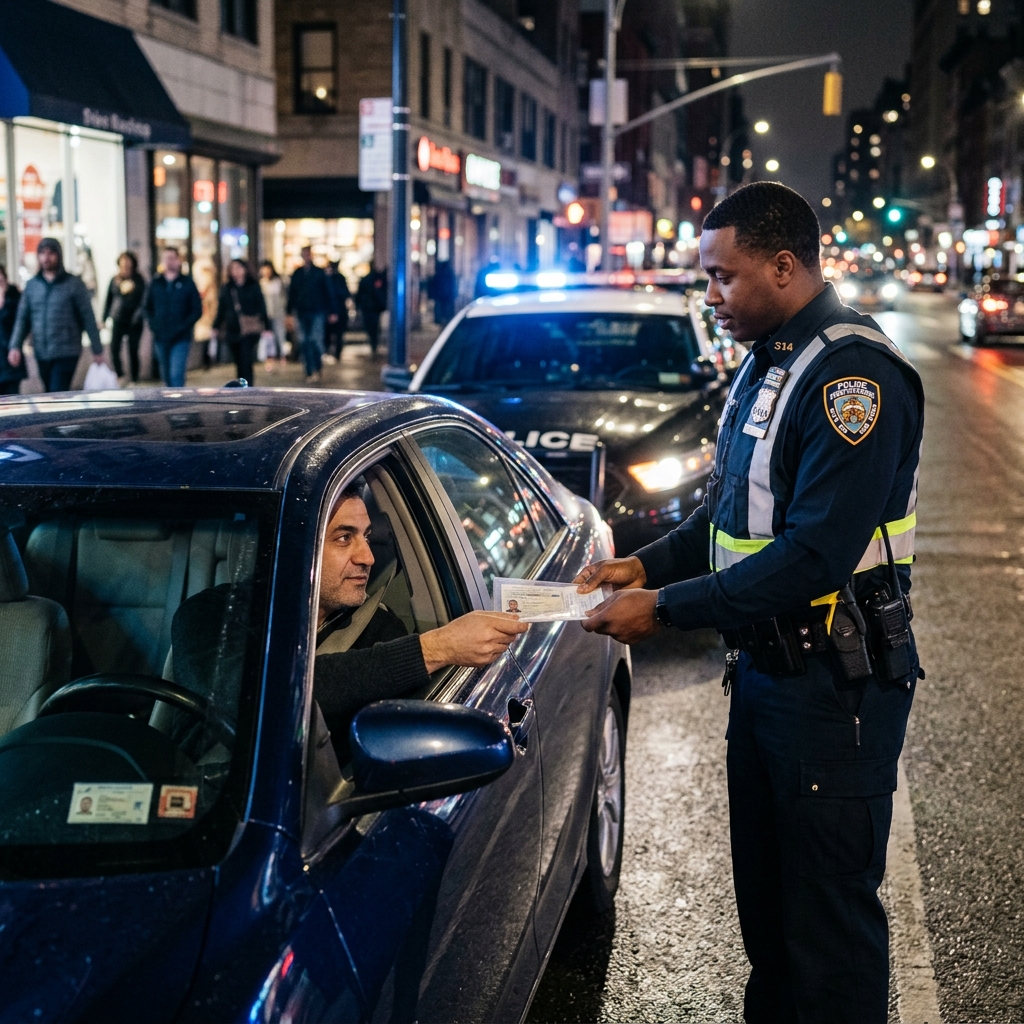
Encounters with police can be stressful, whether they happen during a traffic stop, on the street, or when officers come to your home. Knowing your legal rights and practical responsibilities helps you stay safer, reduces the chance of escalation, and protects you if something goes wrong.
This guide explains what typically happens during a police stop, how to behave safely, which rights you can assert, and what to do after the interaction. It is general information, not individual legal advice, and laws vary by state, so you should always verify specific rules where you live.
1. Why Police Can Stop You
Police may legally stop you in several common situations. Understanding the reasons behind a stop helps you recognize whether the encounter is likely voluntary, a brief detention, or an arrest.
- Traffic stops usually occur when an officer believes a traffic law has been violated, such as speeding, failing to signal, or having a broken light.
- Investigatory stops (often called “Terry stops”) happen when officers have reasonable suspicion that you are involved in criminal activity, even if they do not yet have enough evidence for an arrest.
- Voluntary encounters occur when police approach and speak with you, but you are free to walk away and do not have to answer questions.
The key legal distinction is whether you are free to leave. If you are not free to go, you are being detained; if you are under formal arrest, you have additional rights, including the right to speak with an attorney.
2. General Safety Principles for Any Police Contact
Regardless of the type of stop, certain behaviors can help keep you and others safer while also protecting your legal interests.
- Stay calm and control your voice and body language.
- Keep your hands visible and avoid sudden movements.
- Do not run, push, or touch an officer under any circumstances.
- Avoid arguing about the law or your innocence at the scene; disputes are resolved later, in court.
- Do not physically resist, even if you believe the stop is illegal or unfair.
Anything you say or do can be used against you later. Remaining respectful and non-confrontational helps preserve your options and may reduce the likelihood of additional charges.
3. What To Do During a Traffic Stop
Traffic stops are one of the most common ways people encounter police. The steps you take in the first few moments are important for safety and for protecting your rights.
3.1 Pulling Over Safely
- Turn on your signal and move to the right side of the road as soon as it is safe to do so.
- Come to a complete stop; at night, consider turning on interior lights to improve visibility.
- Turn off the engine and any loud music or audio devices.
- Stay in your vehicle unless the officer instructs you to exit.
Officers may approach from either side of the vehicle and may use spotlights or flashlights. These actions are standard safety measures, not necessarily signs that you are in serious trouble.
3.2 Interacting With the Officer
- Place your hands on the steering wheel or another clearly visible location.
- Roll down the relevant window so you can communicate clearly.
- Wait for instructions before reaching for your license, registration, or insurance documents.
- If you have a lawfully possessed weapon in the vehicle, inform the officer calmly as soon as you are addressed, following local law.
In most states, drivers must provide a valid driver’s license, proof of registration, and proof of insurance upon request. Refusing to provide these documents can lead to additional legal problems.
4. Your Core Rights During a Police Stop
Even while cooperating with reasonable police instructions, you retain important constitutional rights. Assert them clearly and calmly.
4.1 Right to Remain Silent
Both drivers and passengers generally have the right to remain silent. You do not have to answer investigative questions such as where you are going, where you came from, or whether you have used drugs or alcohol.
- You may be required by state law to provide your name, and in some jurisdictions, additional identifying information, if you are lawfully detained.
- Beyond basic identification, you do not have to give explanations, excuses, or stories.
- To assert this right, you can say, “I choose to remain silent” or “I would like to remain silent.”
Once you state that you wish to remain silent, you should stop talking and avoid making voluntary statements, even if officers continue to ask questions.
4.2 Right to an Attorney After Arrest
If you are arrested, you have the right to consult an attorney before answering questions about what happened.
- Ask for a lawyer clearly and directly, for example: “I want to talk to a lawyer.”
- Repeat this request if officers begin questioning you or read you your rights.
- Do not discuss the incident with police, other detainees, or anyone else in custody until you have spoken with your attorney.
Your request for an attorney is itself a protected assertion of your rights. Once you ask for a lawyer, officers should stop questioning you about the incident, although they may continue administrative procedures such as booking.
4.3 Right to Be Free From Unreasonable Searches
The U.S. Constitution protects you against unreasonable searches and seizures. In practice, this means you often have the right to refuse consent to searches of your vehicle, bags, or body, unless police have a legal basis to search without your consent.
- You are never required to consent to a search; consent is voluntary.
- If an officer asks to search your car or belongings, you can say, “I do not consent to any searches of my property.”
- Refusing consent does not prevent a search if the officer has other legal grounds (such as probable cause), but it does preserve your right to challenge the search later in court.
Always refuse searches verbally and clearly, but do not physically resist if officers proceed. Physical resistance can lead to arrest, additional charges, and serious harm.
4.4 Right to Know Whether You Are Free to Leave
In many situations, you are allowed to end an encounter with police unless you are being detained or arrested.
- If you are unsure of your status, you can ask, “Am I being detained, or am I free to go?”
- If the officer says you are free to leave, you may calmly walk or drive away.
- If the answer is unclear, you can politely repeat the question until you receive a direct response.
Knowing whether you are free to go helps you understand how much you are legally obliged to stay and engage, versus when you are participating voluntarily.
4.5 Right to Record the Encounter
In all states, people generally have the right to record police in public places as long as they do not interfere with law enforcement activities.
- You may record audio or video of your interaction from a safe distance.
- In some states, you must inform officers if you are recording audio; check local law first.
- Do not obstruct officers or reach suddenly for your device when tensions are high.
Recording can provide valuable evidence if there is later disagreement about what occurred, but your safety should always come first.
5. Balancing Cooperation and Assertion of Rights
It is possible to assert your rights while remaining respectful and cooperative. The goal is to de-escalate tension while preserving legal protections.
| Cooperative Actions | Rights You Can Assert |
|---|---|
| Provide license, registration, and insurance when requested. | Decline to answer questions beyond basic identification. |
| Keep your hands visible and follow safety instructions. | Refuse consent to searches of your vehicle or belongings. |
| Sign a traffic ticket if required; signing is typically not an admission of guilt. | Ask whether you are free to leave when the interaction seems prolonged. |
| Speak in a calm, respectful tone. | State clearly that you wish to remain silent or want a lawyer. |
Handling a stop in this way helps minimize immediate conflict while preserving your ability to challenge unlawful actions later.
6. What To Do If You Disagree With the Officer
Disagreements about facts or law are common; the roadside is not the place to resolve them. Instead, focus on staying safe and gathering information.
- If you think the officer’s decision is wrong, avoid arguing or raising your voice; you can challenge the decision later in court.
- If you receive a citation, signing it usually does not mean you admit guilt; it often only confirms you received the ticket.
- If you believe the officer’s behavior was inappropriate, you can file a complaint with the agency once you are safe and the encounter is over.
Filing a complaint is typically more effective than arguing during the stop, and it avoids escalating the situation.
7. Steps to Take After the Stop
Your actions after the encounter can be as important as what you did during it, especially if you believe your rights were violated or you were unfairly treated.
- Write down everything you remember as soon as you can: time, location, what was said, and what happened physically.
- Note officer names, badge numbers, patrol car numbers, and the law enforcement agency involved.
- Identify any witnesses and record their names and contact information, if possible.
- If you were injured, seek medical care and document your injuries with photographs and copies of treatment records.
- Consult a lawyer if you were arrested, searched, or charged, or if you want to challenge the legality of the stop.
Thorough documentation and timely legal advice improve your chances of successfully asserting your rights afterward.
8. Frequently Asked Questions About Police Stops
8.1 Do I have to answer questions during a traffic stop?
You generally must provide identification and required driving documents if you are lawfully stopped, but you are not required to answer investigative questions about your activities, travel plans, or other matters. You can politely say you prefer not to answer and that you wish to remain silent.
8.2 Can police search my car without consent?
Police may search a vehicle without consent if they have a legal basis such as probable cause, a valid warrant, or certain recognized exceptions. However, you never have to agree to a search, and clearly refusing consent preserves your right to challenge the search later.
8.3 Should I sign a traffic ticket?
In many jurisdictions, refusing to sign a ticket can itself lead to arrest or additional legal issues. Signing typically acknowledges receipt, not guilt. If you disagree with the ticket, sign it and plan to contest it later through the court process.
8.4 What if I am a passenger?
Passengers also have the right to remain silent and, in many situations, may ask if they are free to leave. If the officer says yes, a passenger can calmly walk away, unless there is a specific legal reason they must stay, such as being detained as part of an investigation.
8.5 How do I safely record the police?
If you choose to record, keep a safe distance, do not interfere with official duties, and avoid sudden movements. In some states, you may need to inform officers that you are recording, particularly if you are capturing audio; always check local law to ensure compliance.
9. Preparing Yourself Before You Are Ever Stopped
The best time to learn about police stops is before they happen. A few simple steps can help you feel more prepared and confident.
- Review your state’s specific laws on identification, traffic procedures, and recording police.
- Keep your driver’s license, registration, and insurance documents easily accessible but not loose in the vehicle.
- Discuss basic safety and rights with family members, including teenagers who may begin driving.
- Consider saving contact information for a lawyer or legal aid organization on your phone.
Being informed and organized can make a significant difference in how you handle a stressful encounter, helping you protect both your safety and your rights.
References
- What to Do and Expect When Pulled Over by Law Enforcement — American Association of Motor Vehicle Administrators. 2023-05-01. https://www.aamva.org/law-enforcement/what-to-do-when-stopped-by-law-enforcement
- When Stopped by an Officer — ACLU of Southern California. 2022-09-15. https://www.aclusocal.org/know-your-rights/when-stopped-officer
- Stopped by Police — American Civil Liberties Union. 2022-06-01. https://www.aclu.org/know-your-rights/stopped-by-police
- Know Your Rights — Dutchess County Public Defender, New York. 2021-08-10. https://www.dutchessny.gov/Departments/Public-Defender/Public-Defender-Know-Your-Rights.htm
- What Are My Rights When Stopped by Police? — Ohio State Bar Association. 2020-02-01. https://www.ohiobar.org/globalassets/my-ohio-rights/docs-and-pdfs/when-stopped.pdf
- WHAT TO DO IF YOU’RE STOPPED BY THE POLICE — New York Civil Liberties Union. 2017-02-01. https://www.nyclu.org/uploads/2017/02/kyroverhaul-nyclu-stoppedbypolice-onepager-v01.pdf
- What Police Don’t Tell You About Their Tactics and Your Rights During a Traffic Stop — Kevin R. Collins, Attorney at Law. 2021-11-12. https://www.kevinrcollinslaw.com/what-police-dont-tell-you-about-their-tactics-and-your-rights-during-a-traffic-stop/
Similar Articles








Read full bio of Sneha Tete




