
Police Misconduct In New York: A Practical Guide For Victims
An overview of how New York addresses police misconduct, complaints, oversight, and accountability.
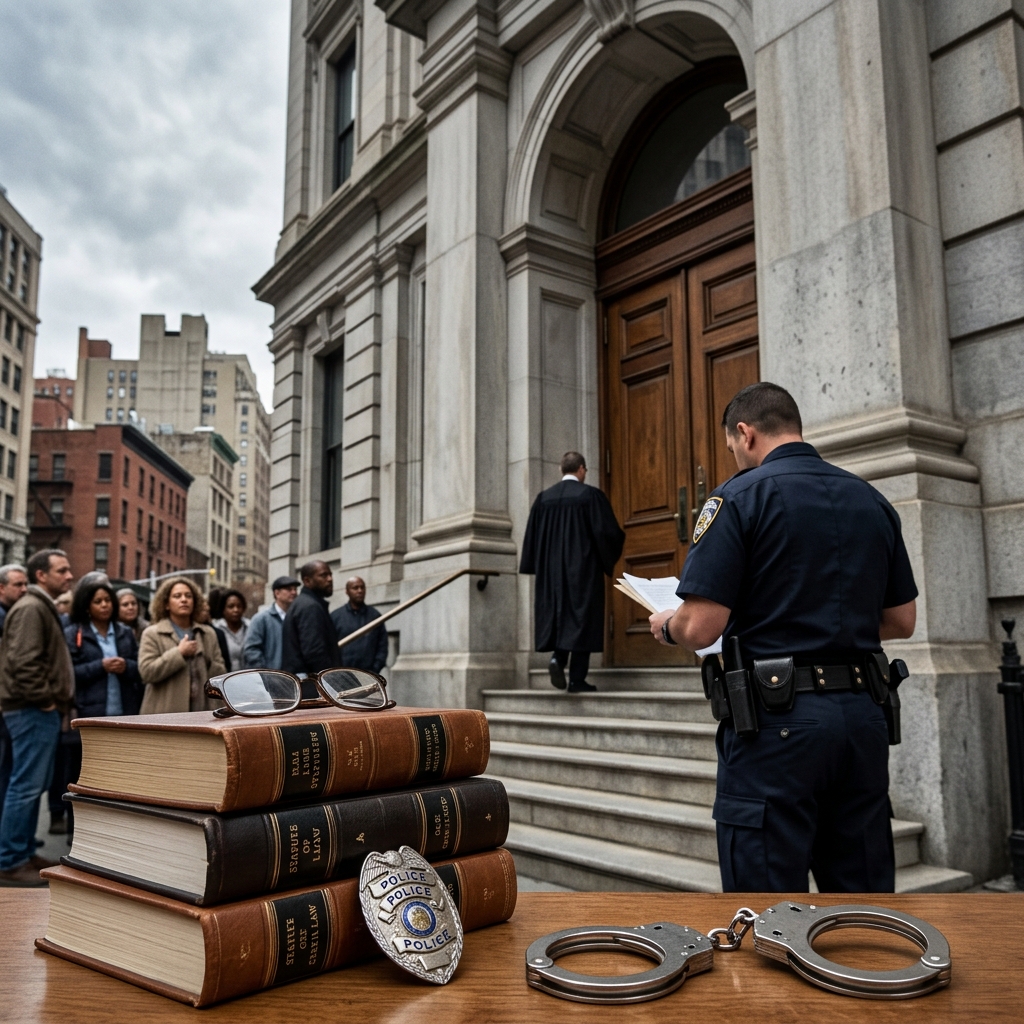
Police misconduct in New York covers more than dramatic abuses or criminal acts. It can include conduct that violates constitutional rights, breaks state criminal law, or falls below the standards expected of law enforcement officers. Understanding the difference between misconduct, official misconduct, and disciplinary problems is important because each can trigger a different response from prosecutors, oversight agencies, or civil courts.
This guide explains how New York approaches police misconduct, what kinds of behavior can create legal consequences, and where complaints may go. It also outlines the agencies that investigate allegations and the records that may help identify patterns of abuse or repeated complaints.
What Counts as Police Misconduct?
Police misconduct is a broad term for behavior by law enforcement officers that is illegal, unethical, or an abuse of power. In New York, it can involve violations of a person’s constitutional rights, such as unreasonable searches or seizures, as well as conduct that reflects misuse of authority or dishonesty while carrying out official duties.
Not every mistake by an officer rises to the level of misconduct, but repeated patterns, intentional misuse of power, or serious rights violations can create civil, administrative, or criminal consequences. Misconduct may be reviewed by internal affairs units, civilian oversight bodies, local prosecutors, or state investigative offices depending on the facts and location of the incident.
Common Forms of Misconduct in New York
Misconduct can take many forms. Some are physical, while others involve deception, intimidation, or improper use of official authority. In New York City, complaint systems commonly recognize force-related issues, abuse of authority, discourtesy, and offensive language as major categories.
- Excessive force: using more force than reasonably necessary under the circumstances, including chokeholds, tasers, pepper spray, or deadly force.
- Abuse of authority: stopping, searching, questioning, frisking, or threatening someone without lawful justification.
- False statements or record tampering: lying in reports, falsifying evidence, or misrepresenting facts to justify a stop, arrest, or search.
- Coercion or intimidation: threatening a person into compliance or confession without lawful basis.
- Discriminatory conduct: targeting people based on race, ethnicity, religion, gender, or other protected traits.
- Sexual misconduct: exploitation, coercion, or sexual assault committed under color of law.
Official Misconduct Under New York Law
New York Penal Law section 195.00 makes official misconduct a crime when a public servant, including a police officer, knowingly acts outside official duty or uses official power improperly with the intent to gain a benefit or cause harm.
This statute is important because it addresses abuse of public office itself. In other words, the issue is not only whether a person was harmed, but whether the officer used the authority of the government in an unauthorized way. That can include conduct such as knowingly falsifying records, accepting improper benefits, or using official powers for personal advantage or retaliation.
Constitutional Issues Commonly Raised by Misconduct Claims
Many misconduct claims in New York are tied to constitutional protections. A stop without reasonable suspicion, a search without legal basis, or an arrest without probable cause may raise Fourth Amendment concerns. If force is excessive under the circumstances, a claim may also involve constitutional limits on police conduct.
These issues matter in both criminal defense and civil rights cases. If police obtain evidence through an unlawful stop or search, that evidence may be challenged in court. If the conduct caused injury or other harm, the person affected may also pursue a separate civil remedy depending on the facts and deadlines involved.
Who Investigates Police Misconduct?
New York uses several oversight channels rather than a single statewide system. In New York City, the Civilian Complaint Review Board investigates certain complaints against officers and has subpoena power for the matters within its authority. The Manhattan District Attorney’s Office also has a police accountability unit that investigates criminal misconduct by officers in Manhattan.
At the state level, New York has a Law Enforcement Misconduct Investigative Office, often referred to as LEMIO, which has jurisdiction over more than 500 local law enforcement agencies. According to the state statute establishing the office, it is designed to receive and investigate complaints within its jurisdiction and review misconduct-related issues involving covered agencies.
How Civilian Complaints Work
A civilian complaint process gives people a way to report alleged police abuse outside of a criminal prosecution. In New York City, complaints may be filed with the CCRB, which handles several categories of conduct and may investigate whether an officer used unnecessary force, abused authority, acted discourteously, or used offensive language.
In practice, a complaint can do more than create an internal record. It may help establish a pattern if the same officer has multiple complaints or if the same precinct has repeated allegations involving similar conduct. Public databases and disciplinary record projects also make it easier to see whether complaints have been sustained or whether penalties were imposed.
What Evidence Can Help Support a Complaint?
Strong documentation often makes a major difference. Even when an incident seems clear to the person involved, written or digital records help investigators and attorneys evaluate what happened. Helpful evidence may include body-worn camera footage, witness contact information, medical records, photographs, incident notes, and the names or badge numbers of officers if available.
People who experience misconduct are often advised to record facts as soon as possible while details are fresh. Time, location, officer description, what was said, and whether force was used are all relevant. If a bystander recorded the incident, that recording may be especially valuable because it can corroborate or challenge official accounts.
Records, Databases, and Public Transparency
New York has seen significant growth in public access to law enforcement records. Since police disciplinary records are now more accessible through public records law, journalists, advocates, and researchers have built databases that track officer complaints, penalties, and disciplinary histories.
These records do not decide every case, but they can reveal patterns. For example, multiple substantiated complaints may support broader concerns about a department, precinct, or individual officer. Public-facing databases also help communities understand how complaint systems function and whether disciplinary action follows when allegations are sustained.
| Issue | Possible Legal Characterization | Typical Response |
|---|---|---|
| Unlawful stop or search | Abuse of authority; constitutional violation | Complaint, suppression motion, or civil claim |
| Use of excessive force | Misconduct; possible civil rights violation | Administrative review, civil suit, or criminal review in serious cases |
| False report or evidence planting | Official misconduct; possible criminal offense | Prosecutorial investigation and disciplinary action |
| Threats or intimidation during duty | Abuse of authority; misconduct | Civilian complaint or internal review |
Why Deadlines Matter
People who believe they were harmed by police misconduct should act quickly. Civil claims against government actors often have shorter deadlines and procedural requirements than ordinary injury claims. Delays can make it harder to preserve evidence, locate witnesses, or identify the correct agency for a complaint.
Early action also matters because different remedies may overlap. A single incident may lead to a criminal complaint, a disciplinary complaint, and a civil rights claim. Missing a filing deadline in one process does not necessarily block the others, but it can limit the available options and reduce leverage.
Practical Steps After an Incident
Someone who believes they experienced police misconduct should focus on safety and documentation first. If medical care is needed, it should be sought right away. After that, preserving records and getting legal advice can help clarify which complaint route or lawsuit may fit the facts.
- Write down everything remembered about the encounter as soon as possible.
- Keep copies of medical records, photos, and any police paperwork.
- Identify witnesses and ask whether they are willing to provide statements.
- Save video or audio evidence in more than one place if possible.
- Consult a lawyer before making formal statements in a difficult case.
How Accountability Is Changing in New York
New York’s misconduct framework reflects a broader shift toward transparency and oversight. Civilian complaint systems, state investigative authority, public disciplinary records, and specialized prosecutorial units all show that police conduct can be reviewed from multiple angles rather than left entirely to the department involved.
That does not mean every complaint leads to discipline or prosecution. It does mean that residents have more paths to report abuse and more ways to uncover whether a problem is isolated or systemic. For communities concerned about repeated misconduct, that access to information can be as important as the formal outcome of any single case.
Frequently Asked Questions
What is the difference between police misconduct and official misconduct?
Police misconduct is a broad label for improper or unlawful conduct by an officer. Official misconduct is a specific criminal offense under New York law that applies when a public servant knowingly uses official power in an unauthorized way with intent to benefit or harm someone.
Can I file a complaint if I was not arrested?
Yes. A complaint can be based on a stop, search, threat, use of force, discourtesy, or other improper conduct even if no arrest was made.
Which agency should I contact first?
The best agency depends on where the incident happened and what kind of conduct occurred. In New York City, the CCRB and the Manhattan District Attorney’s Office are important options, while the state LEMIO handles broader statewide oversight matters involving covered agencies.
Do public records help in misconduct cases?
Yes. Disciplinary histories, complaint databases, and transparency records can show whether an officer has faced repeated allegations or whether similar complaints were previously sustained.
Should I wait to gather more information before acting?
Usually not. Because deadlines can be short and evidence can disappear quickly, it is better to preserve information and seek advice promptly after the incident.
References
- New York City Police Misconduct Attorney — Norinsberg Law. 2026-07-10. https://norinsberglaw.com/police-misconduct/
- New York Penal Law § 195.00: Official Misconduct — New York State Legislature / legal commentary. 2026-07-10. https://criminaldefense.1800nynylaw.com/new-york-penal-code/ny-penal-law-195-00-official-misconduct/
- Report Police Misconduct — Manhattan District Attorney’s Office. 2026-07-10. https://manhattanda.org/policemisconduct/
- Police Misconduct in New York City — New York City Bar. 2026-07-10. https://www.nycbar.org/get-legal-help/article/personal-injury-and-accidents/police-misconduct/
- Law Enforcement Misconduct Investigative Office — New York State Office of the Attorney General. 2026-07-10. https://ag.ny.gov/law-enforcement-misconduct-investigative-office
- Section 75: Law Enforcement Misconduct Investigative Office — New York State Senate. 2026-07-10. https://www.nysenate.gov/legislation/laws/EXC/75
- NYPD Misconduct Complaint Database — New York Civil Liberties Union. 2026-07-10. https://www.nyclu.org/data/nypd-misconduct-database
- Law Enforcement Disciplinary Records — New York State Defenders Association. 2026-07-10. https://www.nysda.org/page/LawEnforcementDisciplinaryRecords
Similar Articles








Read full bio of Sneha Tete




