
Police Body Cam Footage: Public Access Guide
Navigate the complex rules on accessing police body camera videos across U.S. states and key exemptions.
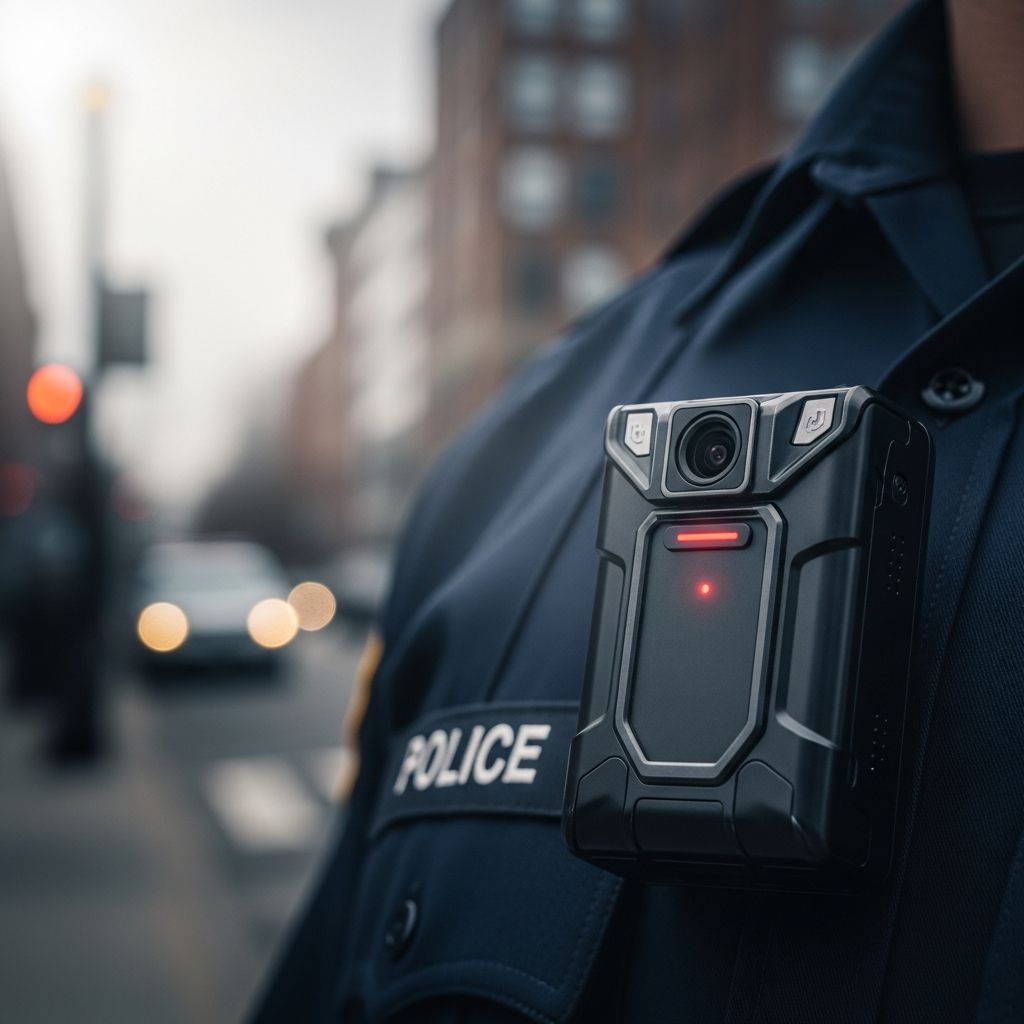
Police body-worn cameras capture critical moments during law enforcement interactions, raising questions about their status as public records. Access varies widely by jurisdiction, balancing transparency with privacy rights. This article examines national trends, state differences, request methods, and limitations.
The Rise of Body-Worn Cameras in Policing
Body-worn cameras (BWCs) have become standard equipment for officers nationwide, aimed at enhancing accountability and evidence collection. Following high-profile incidents, many departments adopted them voluntarily, but laws now mandate their use in several states. For instance, Rhode Island requires all frontline officers to wear BWCs, making footage available via public records requests under the Access to Public Records Act (APRA).
These devices record audio and video from the officer’s perspective, providing objective documentation of events. However, their public accessibility is not uniform. No federal law dictates release policies, leaving it to states and local agencies. This patchwork creates challenges for citizens, journalists, and attorneys seeking footage for oversight or legal purposes.
State-by-State Variations in Access Rules
Laws differ significantly across the U.S. Some states treat BWC footage as presumptively public, subject to exemptions, while others impose strict barriers. California mandates release within 45 days of an incident, classifying videos as public records with limited privacy exceptions.
In contrast, nine states—Alabama, Arizona, Kansas, Maine, Missouri, North Carolina, South Carolina, Texas, and Wyoming—have the most restrictive policies, often requiring court orders or limiting access to active cases. Washington State exempts footage essential to ongoing investigations or privacy protection under RCW 42.56.240.
Florida and North Dakota have enacted specific laws integrating BWC videos into public records frameworks, with exemptions for sensitive locations like homes or healthcare facilities.
| State | Access Status | Key Exemptions | Retention Period Example |
|---|---|---|---|
| California | Public record; release in 45 days | Privacy violations | Varies by policy |
| Florida (e.g., Orlando, Tampa) | Public under Ch. 119 | Homes, hospitals, reasonable privacy expectation | 90 days |
| Washington (e.g., Seattle) | Under PRA; exemptions apply | Medical facilities, residences, minors, dead bodies | 60 days |
| Rhode Island | Accessible via APRA | Sensitive info redacted | Not specified |
| Restrictive States (e.g., Texas) | Limited; often court-ordered | Investigations, privacy | Varies |
This table highlights select examples; comprehensive databases like those from NCSL track full details.
How to Request Body Camera Footage
Most requests fall under state Freedom of Information Act (FOIA) equivalents or public records laws. Start by identifying the agency holding the footage—local police, sheriff’s department, or state police. Submit a written request specifying details like date, time, location, officer name, or incident number to expedite processing.
- Check agency websites for online portals or forms.
- Provide as much specificity as possible to avoid delays.
- Be prepared for fees covering redaction or copying costs.
- Appeal denials through administrative or judicial channels if needed.
In Washington, D.C., subjects can view footage at stations but need FOIA for copies, with exemptions for residences or violence-related incidents. Parties in litigation may access dashcam videos sooner, even if public release is pending.
Common Exemptions and Privacy Protections
Privacy is a primary barrier to release. Agencies often redact or withhold footage depicting:
- Interiors of homes or private residences.
- Medical facilities, patients, or treatments.
- Minors, victims of sexual assault, or domestic violence witnesses.
- Dead bodies or intimate images.
- Ongoing investigations where disclosure hinders enforcement.
Washington’s law presumes certain content “highly offensive” but allows rebuttal if public interest outweighs privacy. Florida exempts videos from places with reasonable privacy expectations, unless the subject authorizes release. Redaction techniques include blurring faces or audio muting, as in Jane Does 1 through 15 v. King County.
Retention periods also affect access: non-evidentiary footage might be deleted after 60-90 days, while critical videos are kept longer.
Legal Implications for Cases and Accountability
BWC footage serves as vital evidence in criminal defense, personal injury, and civil rights claims. Victims or defendants can use it to challenge narratives or prove misconduct. In Rhode Island, public access strengthens personal injury cases by providing unbiased evidence.
Courts have ruled on access; for example, Washington’s Fisher Broadcasting v. City of Seattle clarified dashcam rules during litigation. The ACLU’s model statute recommends quick release in officer-involved shootings, rejecting “investigatory record” shields when officers are subjects.
Challenges persist: delayed releases undermine timely accountability, and inconsistent policies fuel distrust. Advocacy groups push for standardized federal guidelines.
Recent Developments and Trends
As of 2026, more states mandate BWCs and define access. Rhode Island’s law exemplifies transparency gains with privacy safeguards. Maps from Reporters Committee for Freedom of the Press track legislation: green states have court rulings, yellow have passed laws.
Officers must report malfunctioning cameras, ensuring reliability. Trends favor public access for critical incidents, with mayoral discretion in D.C. for high-interest cases.
Frequently Asked Questions
Is all police body cam footage automatically public?
No, access depends on state laws and exemptions for privacy or investigations.
How long does it take to get body cam video?
Varies; California requires 45 days, others 60-90 days or more with backlogs.
Can I request footage if I’m in the video?
Yes, subjects often get priority access or viewing rights, subject to other exemptions.
What if my request is denied?
Appeal internally, then seek judicial review under public records laws.
Do federal agencies follow the same rules?
No federal mandate; FOIA applies but with broad exemptions for law enforcement records.
Best Practices for Successful Requests
To maximize chances:
- Research your state’s public records law first.
- Use certified mail or official portals for tracking.
- Consult attorneys for complex cases involving litigation.
- Monitor retention deadlines to request promptly.
Journalists and watchdogs often succeed by demonstrating public interest, rebutting privacy claims.
References
- Rhode Island’s New Body Camera Law: A Win for Transparency and Personal Injury Victims — Bottaro Law. 2023. https://bottarolaw.com/blog/rhode-islands-new-body-camera-law-a-win-for-transparency-and-personal-injury-victims/
- Disclosure of Law Enforcement Video Footage — MRSC. 2025-10-15. https://mrsc.org/explore-topics/public-records/law-enforcement/video-footage
- State Law Enforcement Body Camera Policies — EPIC.org. 2024. https://epic.org/state-law-enforcement-body-camera-policies/
- Police Body Camera Policies: Retention and Release — Brennan Center for Justice. 2023-06-01. https://www.brennancenter.org/our-work/research-reports/police-body-camera-policies-retention-and-release
- Rules on Releasing Police Body-Camera Footage Vary — NFOIC. 2021-05-10. https://www.nfoic.org/blogs/rules-on-releasing-police-body-camera-footage-vary-nine-states-are-most-restrictive-according-to-the-hill/
- Access to Police Body-Worn Camera Video — Reporters Committee for Freedom of the Press (RCFP). 2025. https://www.rcfp.org/resources/bodycams/
- Body-Worn Camera Laws Database — National Conference of State Legislatures (NCSL). 2026-02-28. https://www.ncsl.org/civil-and-criminal-justice/body-worn-camera-laws-database
Similar Articles








Read full bio of medha deb




